


Nickel volatility spurring niobium growth: Brazilian miner CBMM
Brazilian niobium miner and processor CBMM is set to raise its sales of ferroniobium to more than 100,000 mt this year as demand from areas including stainless steel grow, especially for less nickel-intensive grades, said Rodrigo Amado, the company’s global head of growth, insights, strategy, new ventures & innovation.
The company, the world’s biggest producer, sold around 84,000 mt of ferroniobium in 2021, Amado said in a March 18 interview with S&P Global Commodity Insights.
The total market is expected to reach 130,000 mt this year, including around 30,000 mt of ferroniobium together with some niobium oxide produced by competitors in Asia, Europe, Brazil, North America, Africa and Russia, which is now seen to be effectively out of the market. This compares with a total market for niobium products of some 110,000 mt in 2021, according to CBMM’s estimates.
Trend away from austenitic
CBMM expects that a current market trend toward greater use of ferritic stainless steel, compared with austenitic grades, may favor the use of ferroniobium.
Ferritic stainless steel typically contains chromium and may use other alloy materials including ferroniobium. Prices of most of the austenitic stainless steel grades, which are more nickel-intensive, are “hugely impacted” by alloy surcharges, including nickel alloy surcharges, according to Amado.
Nickel prices have fluctuated wildly over the past two weeks amid speculative market activity following market concerns of a shortage of the metal following Russia’s invasion of Ukraine. The London Metal Exchange cash nickel price closed March 18 at $37,115/mt, down $5,035 on the previous day, after surging to more than $100,000/mt March 8 before trading was halted on the LME and Shanghai Futures Exchange.
LME nickel stocks have been on a downtrend for around five months.
“We see a conversion in stainless steel from austenitic grades to ferritic grades already happening year over year, in product areas including automotive, white goods, construction and energy,” Amado said. “Ferritic can give similar properties in some applications for a lower cost: This brings a potential opportunity for us and can improve supply chain performance.”
Using ferritic stainless steels may allow customers easier forward planning than the use of austenitic grades as their prices are not so subject to nickel’s volatility, or supply concerns, Amado said. Half the world’s stainless steel is made in China, and the move to greater use of ferritic grades is evident in the Chinese stainless market for these reasons, he said.
The stainless steel segment represents about 10% of CBMM’s total product sales, Amado said. The company sells ferroniobium to China, Europe, the US and Brazil for use in stainless steel production.
World stainless steel melt shop production rose 10.6% year on year in 2021 to 56.3 million mt, of which China produced 30.6 million mt, the International Stainless Steel Forum reported March 14. Demand for stainless steel is growing primarily because of its corrosion-resistant qualities.
Niobium oxide expansion
CBMM is expanding its niobium oxide facilities in Brazil’s Minas Gerais state to a planned production capacity of 45,000 mt/year by 2030, from 10,000 mt at present. The increase is aimed mainly at producing both cathode and anode materials for use in electric vehicle car batteries, in which area the company has established product development joint ventures in various countries. Niobium oxide is also used in the aerospace, medical, chemical, and oil and gas industries.
Of an expected Real300 million ($60 million) investment this year in its technology program, Real70 million will be spent in battery development, the company said.
Market sources estimate that Russia’s effective absence from the niobium oxide market may leave a gap of 500 mt this year, out of a total market of around 12,000 mt for this product, bringing sales opportunities for other producers.
— Diana Kinch

EU plate prices hike further on availability concerns
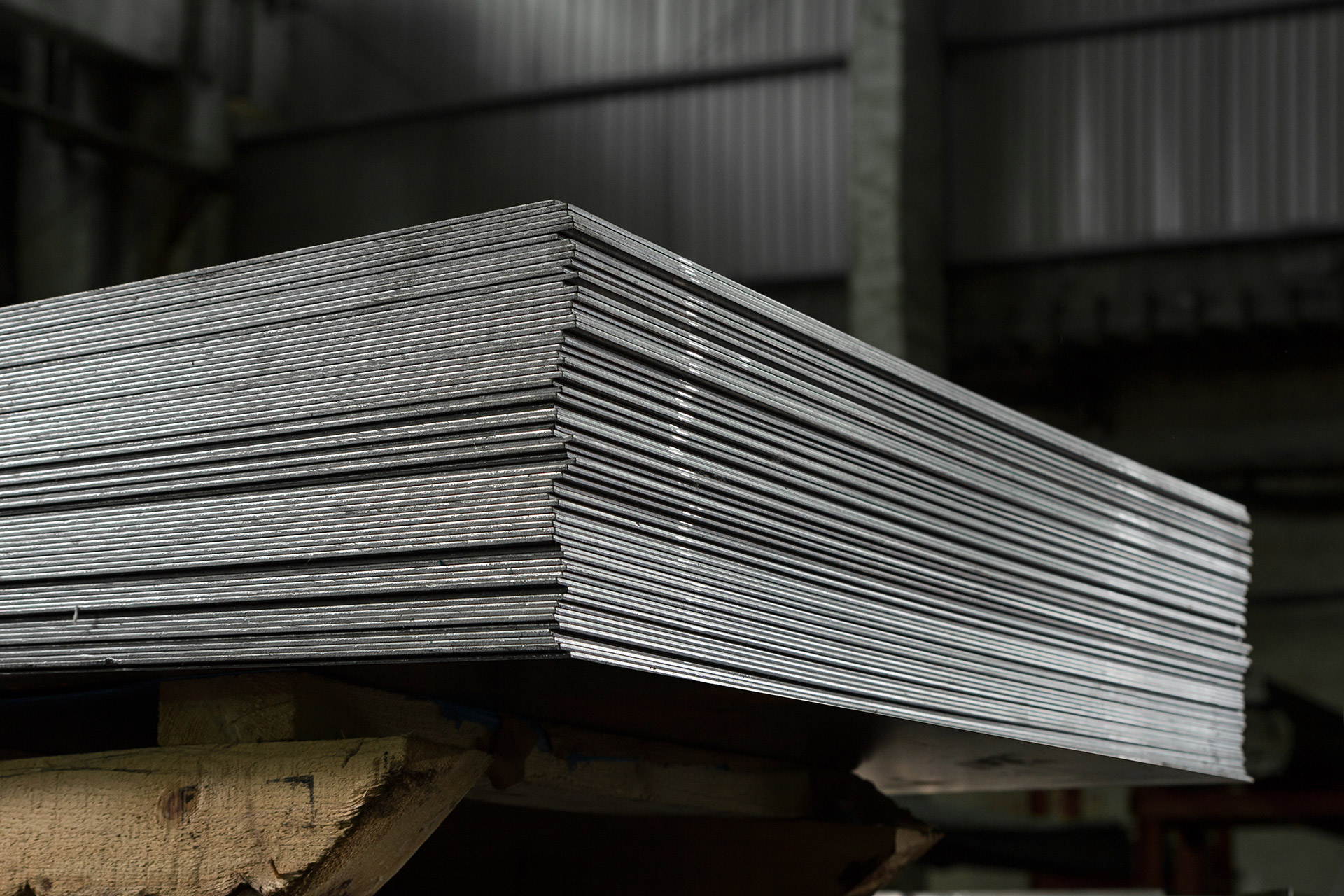
European plate prices continued to rise March 18, and reduced availability of material put prices under high pressure.
Plate was consistently described by sources as the most in-demand product on the day, with a trader source describing the material as “gold dust.”
Guaranteed delivery of ordered material was reported as paramount, reflected in mill contracts. The trader source described force majeure provisions as having doubled in length from those before the war in Ukraine, now covering multiple pages within contracts.
With prices rising to historical levels March 18, one mill source described several factors for hikes in tradable levels.
“The first and most obvious reason is disruption to slab supply,” the source said. “Some EU mills had more dependence on CIS area slab than others, but most are affected in some way.”
The source also added that some markets, such as those in Belgium, Spain and Poland, were exposed in the short-term on sold material, requiring alternative sources to cover agreed deals. While import offers were priced competitively, long lead times meant sources considered them unworkable in covering for short-term exposures.
Finally, high energy prices were heard as playing a large role in historic plate prices. Natural gas, used to re-roll slab into plate, was reported to have hiked in price dramatically following Russia’s invasion of Ukraine Feb. 24.
Deals were reported in the week ended March 18 in south Europe at Eur1,700/mt ex-works Italy, with near-term offers heard as high as Eur2,000/mt ex-works Italy on the day.
A northern service center source reported attempts to substitute cut-to-length coil for thinner plate formats.
Platts assessed North European plate at Eur1,775/mt ex-works Ruhr March 18 and South European plate at Eur1,700/mt ex-works Italy, with both products seeing Eur200 increases on week, according to data from S&P Global Commodity Insights.
— Benjamin Steven
Ukraine war exacerbates automotive production woes: Fitch
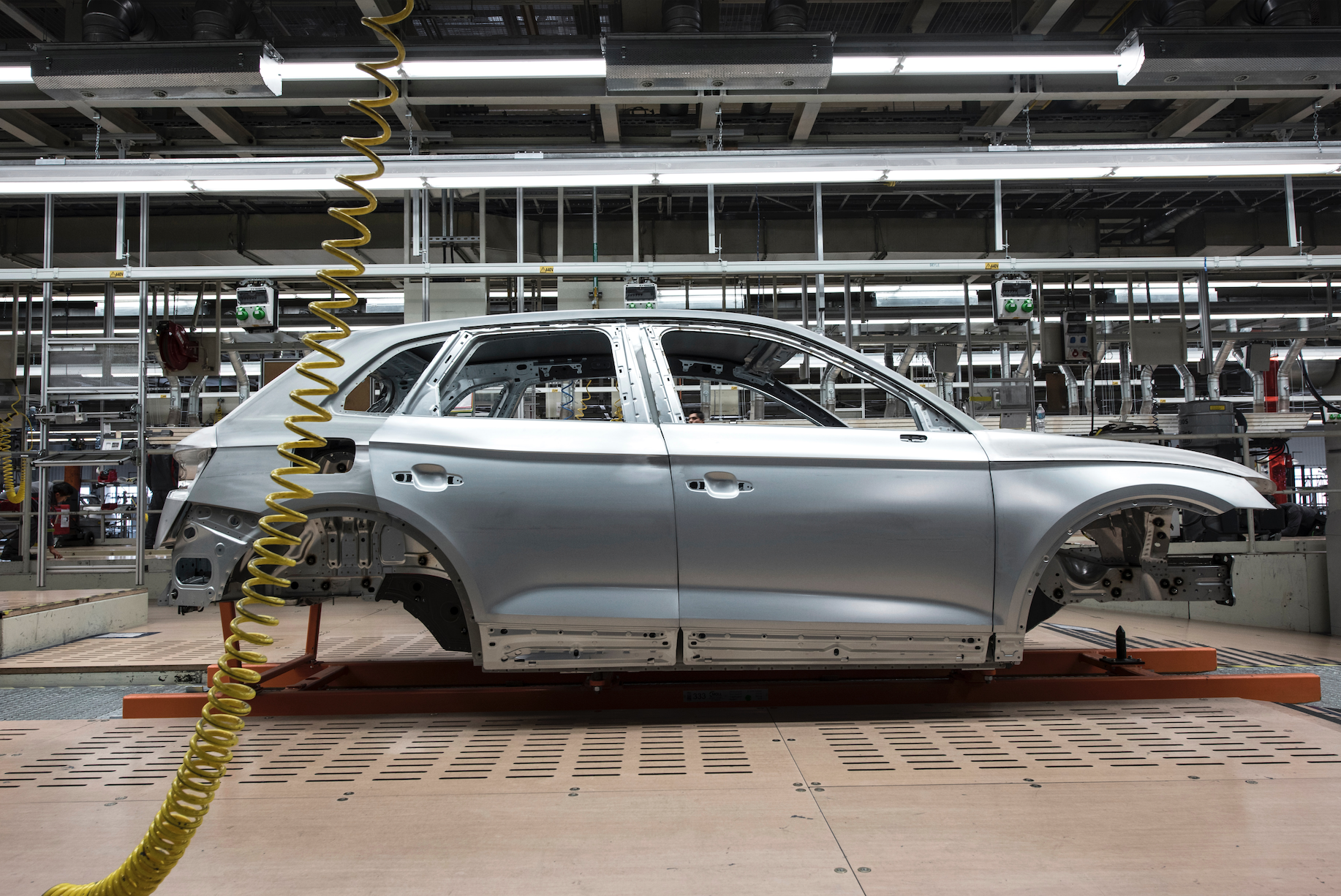
Carmakers will find alternative component suppliers and reorganise production amid Ukraine-war induced supply chain disruption, but this process will take time and lead to further manufacturing delays, says Fitch Ratings.
The war in Ukraine represents another burden putting the post-pandemic recovery of global new vehicle sales at risk, while the global chip shortage affecting automotive production has not yet been fully resolved, according to Fitch Ratings. “We expect production to be hit by potential disruption in supply chains and logistics at a time when inventories are already low,” the credit ratings agency says.
“Fitch expects sales to be affected by rising raw material prices and oil prices, which could also deter consumers. Consumer confidence, a driver of new vehicle sales, could be hit by a prolonged conflict,” it adds in a report sent to Kallanish.
Several carmakers have announced the suspension of production at Russian assembly plants or European factories because of logistics issues due to component shortages and supply bottlenecks.
Renault is seen as the most exposed to the Russian crisis. Russia is the French carmaker’s second-largest market and generates 20-25% of its unit sales. Sales in Russia are mostly performed by its local subsidiary AvtoVAZ, in which it has a 67.6% stake. Fitch expects new vehicle sales in Russia to fall sharply in 2022, which should hit Renault due to its significant domestic market share.
In the metals and mining segment, meanwhile, Russia’s invasion of Ukraine has prompted a sharp increase in metals prices, while sanctions on commodities could lead to further rises, benefitting mining companies. However, this will be partly offset by rising costs due to sharply higher energy prices, Fitch concludes.
Adam Smith Germany


USSK supply sufficient to meet demand: US Steel
US Steel says demand remains healthy for its Slovakian unit USSK’s products amid the war in neighbouring Ukraine, and the firm has inventory on site or in-transit to continue meeting customer demand.
“Alternate sources of supply are underway to continue meeting demand as we closely monitor the rapidly changing geopolitical situation,” US Steel says in a note seen by Kallanish. Although the firm does not elaborate, it is thought to be arranging iron ore and coking coal supplies for USSK from sources other than the CIS. US Steel has captive iron ore mines in the US.
USSK is expected to deliver adjusted Ebitda in the first quarter that is approaching fourth-quarter-of-2021 levels and is expected to be the third-best quarterly adjusted Ebitda. Steel prices and demand were stable throughout January and February, and the European segment benefited from having its third blast furnace back on-line in February after a 60-day planned outage, US Steel observes.
US Steel said in January steel production at its Slovak subsidiary is forecast to amount to 4.1-4.3 million net tons in 2022, flat or slightly down on 2021.
In 2021 USSK’s shipments surged 42% on-year to 4.3mnt, with raw steel production up 46% to 4.93mnt. The Slovakian plant sourced 439,000nt of iron ore from the parent company in 2021, down 69% on-year.
Adam Smith Germany

EU coil market ‘chaos’ shakes product price spreads
The veritable chaos seen in the European steel market over the past three weeks has shaken some customary relationships between product groups.
The latest semi-official announcement by the market leader last week still seemed to reflect familiar price premiums. With hot rolled coil offered at €1,400/tonne ($1,548) ex-works, cold rolled coil was set at €1,500, and hot-dip galvanized coil at €1,550. However, at the time of the announcement, higher offers were already heard for all groups, Kallanish notes.
This is especially true for HDG, which was offered by one mill at a massive €2,500/t, according to a manager at a German distributor. This is difficult to reconcile with the latest production stoppages at carmakers. OEMs, whose operations were already hampered by the semiconductor shortage, face an additional problem procuring wire harnesses for cars, produced largely in Ukraine.
“I think mills are taking advantage of panic reactions,” the manager explains. Some projects cannot wait and will pay almost any price to procure steel; however, few actual transactions occur at such peak prices, he believes. A similar effect was heard in the plate market, with some offers in Europe leaping to €2,000/t last week.
Meanwhile, the widened premium for pickled over HRC base prices does not seem to play much of a role anymore. By February this premium had gone up to €50/t, from the traditional €20-30. Both Benelux companies that offer independent pickling services were heard as fully booked. However, one source points out that “they receive a lot of material from Russian mills. So, if those supplies are blocked now, this may again release capacities for regional customers”.
Christian Koehl Germany

Iron ore tops $150, exports lift steel output
Seaborne iron ore prices jumped again on Friday as Chinese mills continue to ramp up production despite slow domestic steel demand. Increasing steel export opportunities are giving mills confidence to hike production despite a slow domestic market.
The Kallanish KORE 62% Fe index gained $7.57/t to $150.38/dry metric tonne cfr Qingdao. The Kallanish KORE 65% Fe index increased $6.85/t to $179.59/dmt cfr, and the KORE 58% Fe index appreciated $4.73/t to $130.75/dmt cfr.
On the Dalian Commodity Exchange, May iron ore settled up CNY 19.5/t at CNY 824.5/t ($129.60/t), while on the Singapore Exchange April 62% Fe futures settled up $4.17/t at $152.82/t. The same contract for 65% Fe and 58% Fe futures settled up $3.73/t at $180.39/t, and down $0.06/t at $132.79/t respectively. In Tangshan, billet gained CNY 20/t to CNY 4,720/t.
Chinese steel output has continued to recover, and this has led to mills drawing down stocks from ports. Across 35 ports, iron ore stocks fell 3.17 million tonnes to 150.07mt, according to SMM. The easing of production limitations and lower deliveries to ports helped bring inventories lower.
One factor is the more positive outlook for steel exports. International prices are high following the Russian invasion of Ukraine, and suppliers to Southeast Asia have been distracted by opportunities in the European market. Mills are happy to boost output in the knowledge they will be better able to export any excess production this year than in recent years.
Tomas Gutierrez UK