

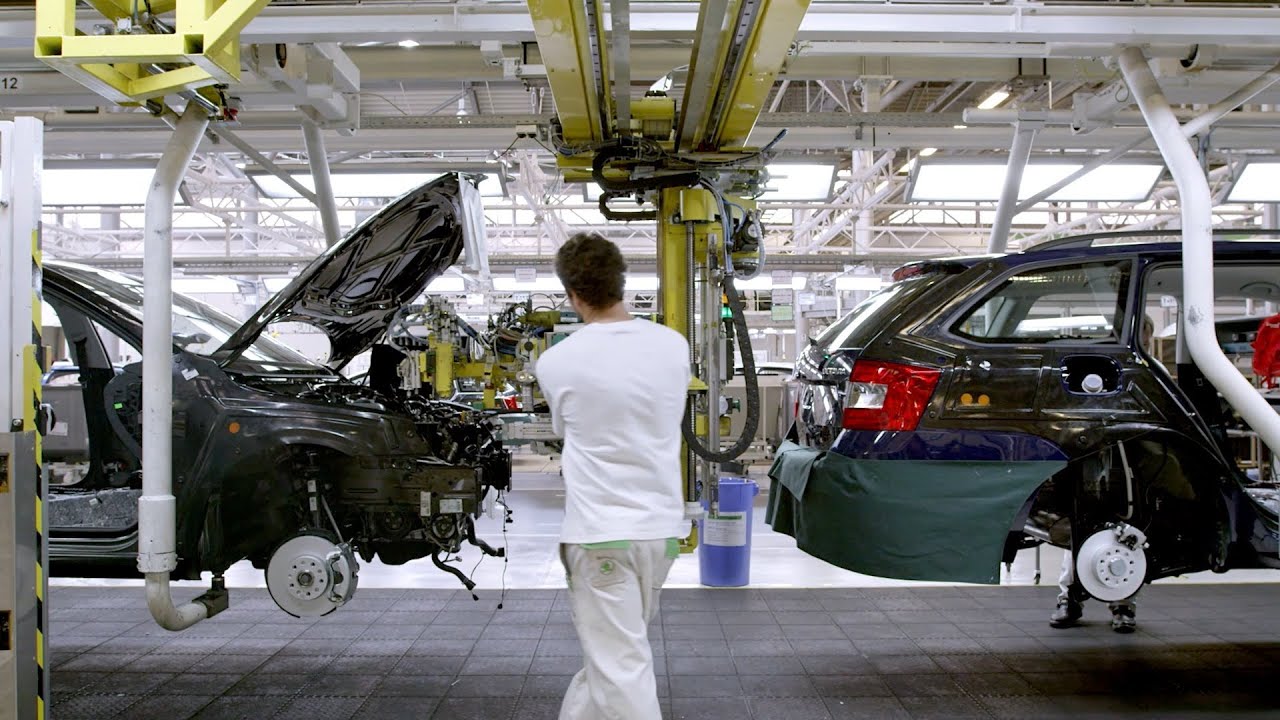
Italian car output continues to decline
Italian passenger car output decreased slightly year-on-year in February and fell significantly versus 2020, Kallanish notes from local carmakers’ association Associazione Nazionale Filiera Industria Automobilistica (Anfia) preliminary data.
Passenger car production stood at 39,055 units in February and 78,293 units in January-February 2022. Output was at 38,813 units in February 2021 and 77,245 in the first two months of 2021. In February 2020, the first year of the pandemic, output reached 52,205 units, and 87,423 units in January-February 2020, Anfia says.
Italian passenger car output decreased by 2.1% y-o-y in full-year 2021 to 442,432 units. It stood at 451,718 units in 2020 versus 542,472 units in 2019.
At present, automakers’ plants in Italy are implementing production stoppages due to the component shortage and sluggish consumer demand. Passenger car registrations continue to fall in Europe and Italy. Italian coil sellers and buyers report slow demand from the automotive sector, which is causing coil prices to fall, Kallanish notes.
Italy has 23 car production plants. By comparison, Spain has 17 plants, France 31 and Germany 42.
Natalia Capra France

Uncertainty to impact stainless raw materials: Eramet
Geopolitical and Covid-19 pandemic-related uncertainty may impact demand for carbon and stainless steel raw materials such as manganese and nickel in the second half of the year, says French miner Eramet.
A recovery in nickel demand in China is expected in the second quarter after the slowdown registered in Q1, the firm says in its Q1 financial report monitored by Kallanish. In Europe, however, demand could continue to slow due to Russian nickel supply disruptions caused by the Ukraine war, and continued high energy prices. Growth in nickel supply from Indonesia however is seen supporting global demand in Q2, offsetting the reduced Russian supply.
In Weda Bay in Indonesia, Eramet confirms the production target for the year at approximately 15 million wet metric tonnes (wmt). Nickel ore exports at the miner’s New Caledonian subsidiary, Société le Nickel (SLN), are also targeted this year at over 4m wmt.
Global stainless steel production stood at 13.9 million tonnes in Q1, reflecting a 3.6% year-on-year decline. While China reported a fall of 10.3% to 7.5mt, stainless output increased in the rest of the world by 5.7% thanks to higher production in Indonesia and the US. Demand for primary nickel also increased by 4.3% y-o-y.
The global nickel market supply and demand balance was in slight surplus in Q1. Nickel inventories at the London Metal Exchange (LME) and Shanghai Futures Exchange (SHFE) remained low, totalling 80,000t at end-March 2022, representing approximately five weeks of consumption, Eramet concludes.
Eramet posted strong Q1 revenue growth to €1.2 billion ($1.27 billion), up by nearly 80% versus Q1 2021. The company talks about a “particularly favourable price environment, in a context of strong supply tension in all of Eramet’s markets, accentuated by the war in Ukraine.”
Natalia Capra France
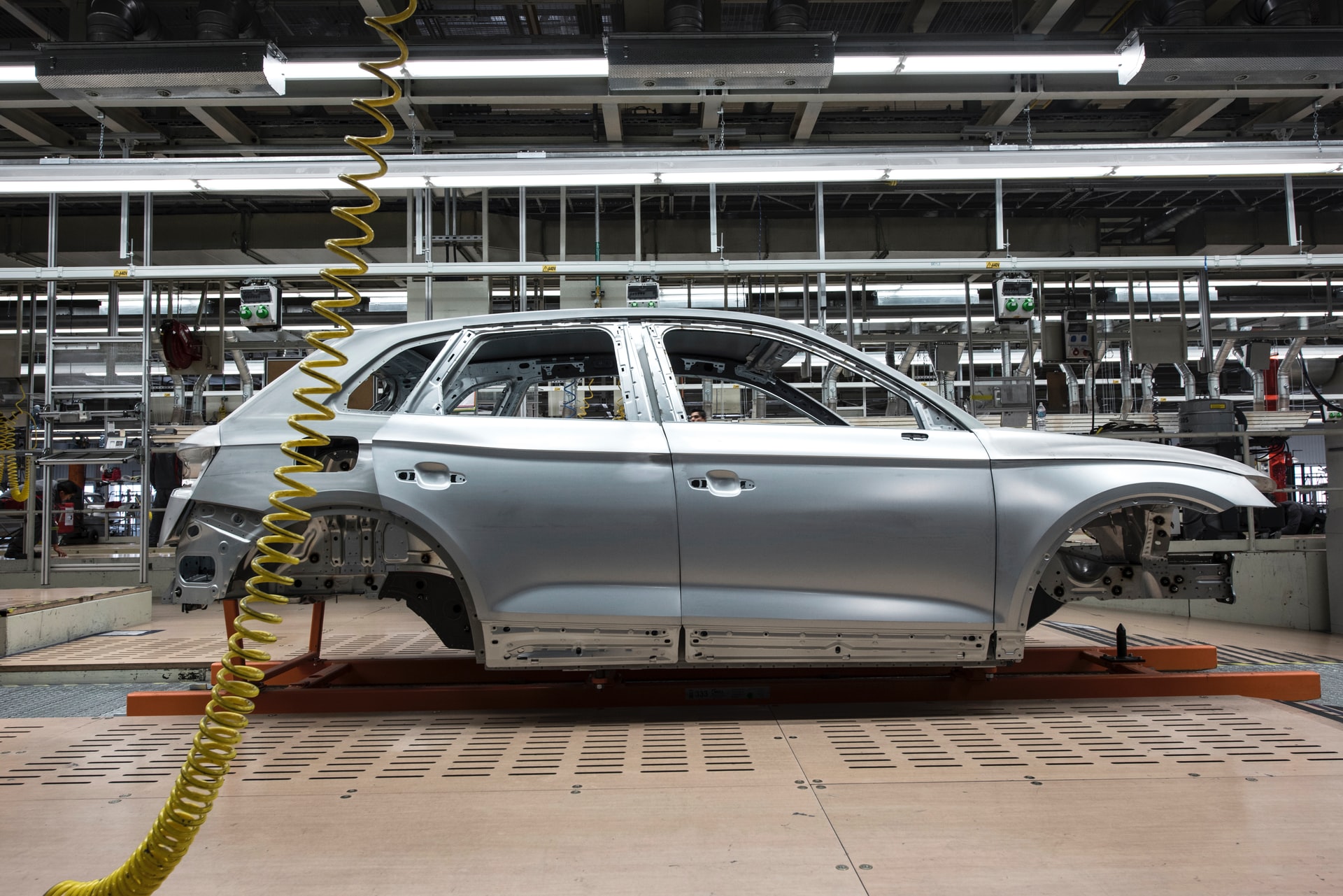
Auto sector driving blind, Reliance says
The beleaguered US auto industry is reacting as best it can to volatile market conditions, but future visibility remains murky, says Reliance Steel and Aluminum executives on a recent earnings conference call.
Reliance president Karla Lewis says auto is “operating with the least visibility that they’ve had in quite some time, and they’re just reacting to support their customers.”
Most production schedules are being done week-to-week, due to the ongoing shortage of semiconductors and other critical components, she adds.
Reliance is a major supply to the US auto industry, Kallanish notes. While auto’s woes have impacted Reliance, the company has offset that through shifting volumes and finding sales opportunities outside of auto.
“We think our operations have done well managing through that [volatility],” Lewis says. “They’re able to move their business around with their multiple locations to support whichever platforms we need to. They’re also seen a lot of opportunity to pick up other non-automotive business with their lines.”
Dan Hilliard USA

WTO recommends EU align safeguards with GATT
The EU should bring its definitive safeguard measure into conformity with the Agreement on Safeguards and the General Agreement on Tariffs and Trade (GATT 1994), a WTO Dispute Settlement Body panel has recommended.
In March 2020, Turkey requested consultations with the EU pursuant to Articles 1 and 4 of the Understanding on Rules and Procedures Governing the Settlement of Disputes (DSU), Article XXIII:1 of GATT 1994, and Article 14 of the Agreement on Safeguards. Consultations were held on 29 April 2020 but failed to resolve the dispute.
In July of that year, Turkey requested the establishment of a panel pursuant to Article 6 of the DSU and Article 14 of the Agreement on Safeguards. The DSU subsequently established a panel.
In concluding its investigation last week, the panel found that Turkey has successfully established that the EU’s definitive safeguard measure is inconsistent with Article XIX:1(a) of the GATT 1994. This is because the European Commission did not ascertain that the increase in imports took place as a result of the unforeseen developments it had identified, and did not identify in its published reports the obligations whose effect resulted in the increase in imports, the WTO says in a note seen by Kallanish.
Also established was that measures are inconsistent with Article 4.1(b) of the Agreement on Safeguards, because two central elements of the European Commission’s determination of a threat of serious injury were not “based on facts” as required by that provision, the note adds.
Turkey did not however establish that measures are inconsistent with Article XIX:1(a) of the GATT 1994 and Articles 2.1, 3.1, 4.1(c), 4.2(a), 4.2(b), and 4.2(c) of the Agreement on Safeguards, or with Article XIX:1(a) of the GATT 1994 and Articles 2.1 and 4.2(a) of the Agreement on Safeguards. They are also not inconsistent with Article 5.1 of the Agreement on Safeguards, Article XIII:2(d) and the chapeau of Article XIII:2 of the GATT 1994 and Article 5.2(a) of the Agreement on Safeguards, or Article 7.4 of the Agreement on Safeguards.
In addition to requesting recommendations, Turkey asked the WTO to suggest that the EU revoke the safeguard at issue. However, the trade organisation has declined to do so.
Adam Smith Germany