


Ukraine war makes EU safeguard removal possible: Yuriy Rudyuk
The full repercussions of steel trade redirection following Russia’s invasion of Ukraine remain unknown, with the absence of supply from either country causing intense uncertainty for European steel producers and traders, says Yuriy Rudyuk, an expert in international commercial law and anti-dumping and safeguard matters at law firm Van Bael & Bellis. The main question is over which of the existing EU trade barriers will be confirmed or extended.
At this week’s EUROMETAL Iberia Steel Net Forum in Barcelona attended by Kallanish, Rudyuk said: “Significant volumes of hot-rolled products, exceeding 1.6 million tonnes of Russian-origin steel, were redistributed among countries such as Turkey, India, Korea, the UK and Serbia, while some 300,000t of Russian wire rod and more than 260,000t of Belarus-origin steel was redistributed among such countries as Switzerland, Ukraine, the UK, Turkey and Moldova. This is a major correction of import flows in the EU.”
Rudyuk predicts the EU will soon suspend all tariffs on Ukrainian goods initially for one year, including steel safeguards and anti-dumping duties on hot rolled coil and certain seamless pipe and tube.
The expert pointed out that EU safeguard measures are now increasingly detached from the current business reality of trading in steel. “We are seeing an increase of anti-dumping measures, dramatic disruption or complete halt of supplies from Belarus, Russia and Ukraine in various steel product categories, while other steel supplying countries cannot easily substitute these lost volumes because safeguard measures now work as a major trade barrier for such replacement. As a result, a major change of the application of the safeguard measures would be required,” he explained.
The European Commission is considering three options to ease the situation. The first one, according to Rudyuk, is a major softening of the measures by replacing country-specific tariff-rate quotas with global quotas for certain categories, or increasing the liberalisation rate for all products.
Another measure could be to allow new trade flows to form under the safeguard framework, although this is “difficult in practice as this has to be done in a non-discriminatory manner”.
A further option is to keep the measures without major changes, but only for a relatively short period, while the last possibility is to repeal the measures altogether. “Possibly, for the first time in all previous reviews, we come so close to a repeal in terms of arguments and the economic business reality,” Rudyuk observed.
Todor Kirkov Bulgaria


With embedded CO2, steel scrap vital for green steel production: EUROMETAL’s Espada
Already embedded with CO2, ferrous scrap is the “new gold” key for the production of green steel, EUROMETAL President Fernando Espada has told S&P Global Commodity Insights.
Such scrap is “vital for the production via the electric arc furnace route for steel,” Espada said May 24 on the sidelines of the EUROMETAL conference in Barcelona. “We will need more and more scrap, but at one point, as demand is growing amid the European Commission’s target to become CO2 neutral by 2050, we will see less scrap in the market — that’s why a lot of countries are pushing to keep the scrap inside their own borders,” he explained.
The importance of scrap towards lower carbon emissions was echoed by CRU Group European Flat Steel Analyst Matthew Watkins, who told the conference there would be less good quality scrap available in the future for which demand would still be high due to blast furnace/basic oxygen furnace-intensive Chinese production. However, he said overall EAF output is forecast to rise in the coming years.

Talking about the European “green revolution,” Espada told S&P Global that the EAFs and all the basic oxygen furnace steel mills in Europe had very clear and ambitious targets to produce clean steel in a relatively short term.
Spain in particular is “very much ready” and “well positioned,” as it has most of the companies based on the EAF route and also has the possibility to increase its renewable energy production thanks to the wind and sun benefits of its geographic location, Espada said.
Lack of apparent demand
There is currently a lack of apparent demand for steel In Europe, and Spain in particular, Espada said, saying that was a correction from a previous speculative period.
“The apparent demand is missing as the market is waiting to find an equilibrium point,” he said. “Prices are moving down, but I don’t think we will come back to pre-pandemic levels as production costs, such as the energy costs and the raw materials costs, have doubled and, in some cases, even triplicated.”
Rising inflation is also a problem, he added.
Platts assessed Turkish imports of premium heavy melting scrap 1/2 (80:20) May 25 at $465/mt CFR, up just $2/mt from where it started 2022 at $463/mt, but down from the intra-year high of $665/mt reached March 16,.
Real demand had slowed too, but less then apparent demand, Espada said, with flat products suffering due to the automotive slowdown and the relatively well-known supply issues.
Flat steel production in 2022 is expected to be more or less at the same level as 2021, he added.

Production of longs steel products in Spain is expected to stay stable or grow slightly, according to Roberto Gonzalez, president of UAHE, the Spanish Association of Steel Stockholding companies.
“At the moment inflations costs are the problem, but I see good demand in machinery manufacturing and construction in general,” Gonzalez told S&P Global on the sideline of the event.
According to UAHE data the longs market grew by 4.81 % year on year in Q1 2022 to 330,612 mt across all the products.
In 2021, Spain produced 14.3 million mt of crude steel production, up 28% year on year, according to Spanish industry group Unesid.
— Annalisa Villa

Covid-19 pandemic accelerates low-carbon infrastructure investment
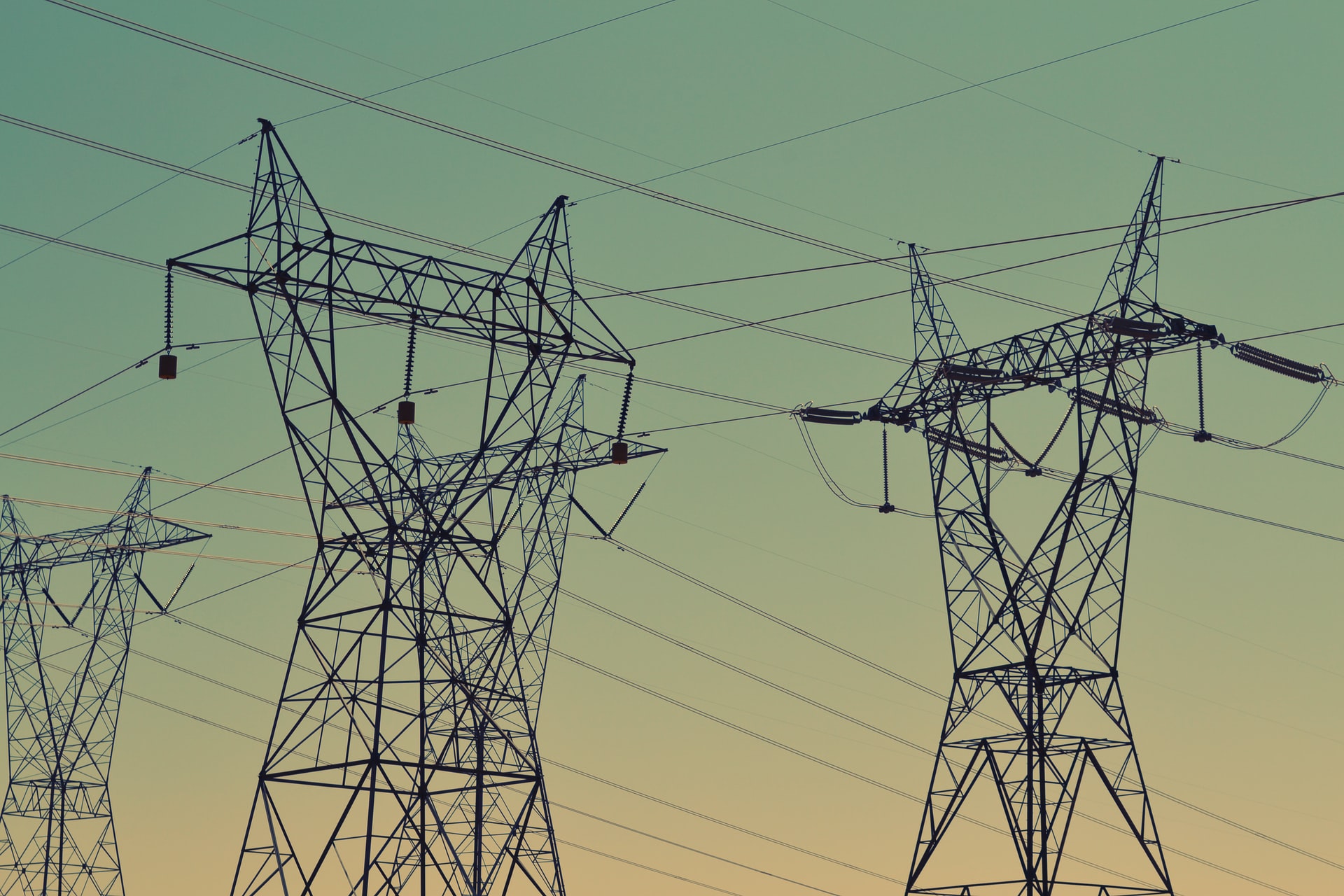
The Covid-19 pandemic has served to exacerbate existing trends across infrastructure and power, accelerating project developments conducive to the low-carbon energy transition and stalling the progression of carbon-intensive projects globally, says Fitch Solutions.
The initial Covid-19 shock disrupted global construction activity in the short term. “Medium-term factors, however; namely the greater consideration of sustainability in investment mandates and the proliferation of legally-binding emissions targets globally, have begun to materially impact the project financing flows and reshape the composition of the global project pipeline,” Fitch Solutions says in a recently-published report seen by Kallanish.
Between March 2020 and March 2022, the global project pipeline saw 9,507 new project additions, bringing the overall number of projects to 40,331 from the previous 30,824, the research firm calculates. Asia accounted for the largest proportion of project additions, followed closely by North America and Western Europe.
In China, efforts to develop strategic “new infrastructure” sectors and projects in its 14th Five Year Plan (14FYP) continue to support the transport infrastructure project pipeline. Similarly, Vietnam’s 2021-2025 five-year plan (FYP) has sought to increase infrastructure project activity since the plan’s approval in February 2021, alongside new legislation on public-private partnerships (PPP) to ease legal bottlenecks and attract investment, the firm observes.
Energy and utilities projects accounted for around 34% of new global project additions, closely followed by transport infrastructure and construction projects with 33% and 27% respectively.
Among projects at pre-construction, the hydrogen project pipeline saw a 2,622% increase over the period, alongside substantial increases in solar and offshore wind project volumes. Coal and oil infrastructure projects meanwhile saw a relative decrease in their respective project pipelines.
New airports, airport expansions, and commuter rail projects saw the steepest decreases, highlighting the Covid-19 pandemic’s severe impact on global aviation. “We continue to highlight the long-term headwinds for investment in airport developments in light of increasingly stringent environmental targets, both for public and private investment, owing to the increase in emissions that such developments would facilitate,” Fitch Solutions concludes.
Adam Smith Germany
Italian longs market remains in a lull
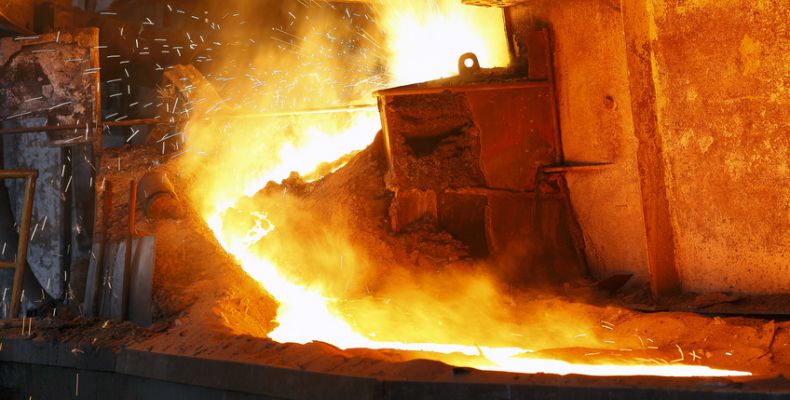
The Italian long steel market remains in a lull this week, with sales few and far between. Sources who spoke to Kallanish say May has been virtually the slowest month of the year and hope for a market recovery in June.
The global wave of declining steel prices together with the collapse in scrap values are causing the distribution sector to remain in a wait-and-see mood. Distributors’ customers are also not buying because they fear the looming economic downturn and uncertainty connected to the Ukraine war. Sources believe prices will continue to fall also due to reduced demand, which is said to be returning to pre-pandemic levels.
Long products prices however are holding better than flats, losing an average of €50/tonne ($53) versus April, depending on product. This is apart from rebar prices that are sliding significantly.
Merchant bar is currently at €800-830/tonne base ex-works. Including size extras, domestic contracts are hovering at €1,220-1,250/t ex-works, sources suggest.
Meanwhile, demand is also slowing for beams. Domestic material is competing with lower import prices from other European countries, but local buyers are only purchasing back-to-back and refusing to commit to lengthy import lead times. The first category of sections is holding at €1,440-1,450/t ex-works, including size extras.
Natalia Capra France
US steel trade policy priorities critical for fair markets, decarbonization
The US steel industry’s continued advocacy for its trade policy priorities is critical for promoting fair markets and decarbonization initiatives, Nucor CEO Leon Topalian said May 25.
Notably, Topalian said the domestic steel sector is pushing Congress to pass legislation that will help offset the impact of steel overcapacity in China and other countries, a major contributor to unfair trade and carbon emissions within the global industry.
“It is critical that we address the subsidies and other forms of market distorting policies and practices that have fueled massive global steel overcapacity and that are at the root cause of the import surges that have plagued this industry,” he said during an address at the annual joint meeting in Washington DC held by the American Iron and Steel Institute and the Steel Manufacturers Association.
The US House of Representatives has already passed its America COMPETES Act that includes provisions for addressing subsidies and overcapacity in China, but the Senate’s version of the legislation does not include those provisions, Topalian said.
“We must continue to urge members of Congress that are on the committee trying to hammer out the differences in the bills to include this important trade remedy legislation in the final compromise bill that goes to the president,” he added.
Topalian said the trade legislation, in tandem with ongoing anti-dumping and countervailing duty enforcement, can reduce imports of steel with higher carbon emission profiles.
“We’ve continued to raise awareness of the [US steel] industry’s leadership in combatting the global climate crisis, both in reducing emissions in our own steelmaking operations and in providing the solutions for a greener economy,” he said. “The United States has the lowest CO2 emissions per ton of steel produced. By contrast, Chinese steel production creates carbon emissions that are almost double those associated per ton of steel produced in the US.”
The establishment of a “strong and effective” carbon border adjustment mechanism would also ensure that “imported energy-intensive goods bear the same climate-related costs as US-made goods,” Topalian added.
Topalian said steel imports in 2021 accounted for nearly 13 million mt of additional CO2 emissions compared with the average emission levels associated with the same volume of steel produced in the US.
The US imported 28.58 million mt of steel products in 2021, up from 20.03 million mt in 2020, according to US Department of Commerce data.
— Nick Lazzaro

EU imposes provisional China/Brazil chromium-coated steel anti-dumping duties
The European Commission has imposed provisional anti-dumping duties on imports of electrolytic chromium coated steel (ECCS) from China and Brazil.
The investigation started last year following a complaint lodged by Eurofer. On average during October 2021-January 2022, Brazil and China supplied into the EU a combined 6,000-7,000 tonnes/month of ECCS.
The investigation concerned flat-rolled products of iron or non-alloy steel, plated or coated with chromium oxides or with chromium and chromium oxides, classified under HS codes 7210 50 00 and 7212 50 20. European producers of such products include ArcelorMittal in Spain and France, thyssenkrupp in Germany and Acciaierie d’Italia in Italy.
China’s Baoshan received the lowest provisional duty, at 33.2%, while other Chinese companies have been levied with 36.7-77.9% duties, depending on mill. For all Brazilian imports, the duty has been set at 52%, Kallanish notes from the Commission statement.
Emanuele Norsa Italy
Italian plate market stagnates despite limited output
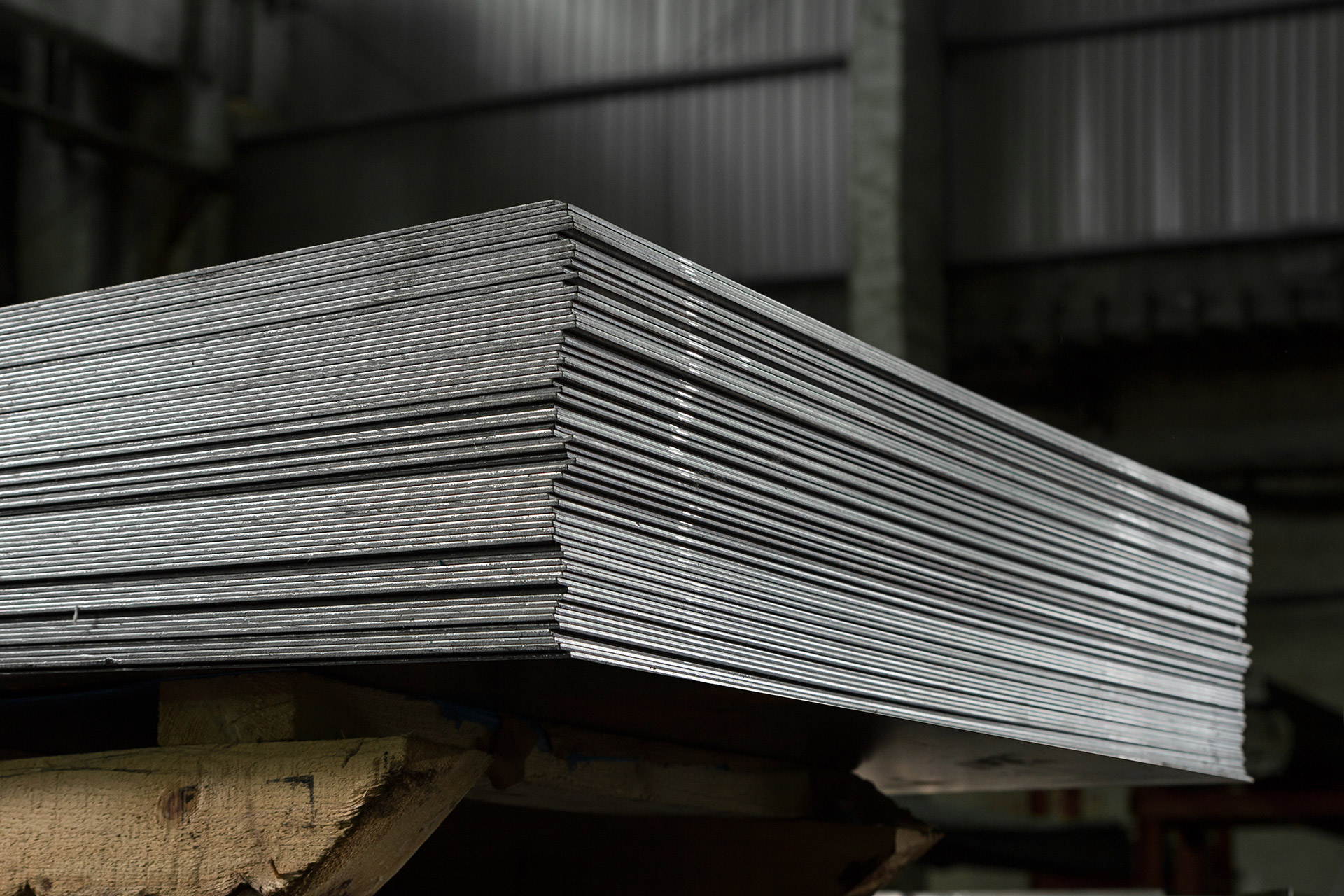
The Italian heavy plate market continues to stagnate this week. While prices are adjusting downwards, transactions remain limited and the true market level is therefore difficult to ascertain. Only some small-tonnage contracts are being implemented for back-to-back purchases, sources tell Kallanish.
Both producers and distributors continue to lament an almost complete lack of demand. Buyers are focusing on selling their stocks. Those distributors and service centres that are well-stocked are selling but only small volumes. One mid-size service centre however says he has registered slightly livelier demand this week.
Domestic prices for the basic grade S275 from domestic players are at €1,400-1,450/tonne ($1,493-1,546) base ex-works. At the beginning of the month, prices were at €1,600/t ex-works. Towards the end of March and in April, the high point of the range for domestic S275 was as high as €2,000/t ex-works. Some domestic producers however are quoting long lead times, into September, as heavy plate output remains limited and Metinvest’s Italian plate subsidiary, Trametal, is currently implementing maintenance works.
Some Asian-origin import offers are falling from the level of €1,400/t cfr Italy ten days ago to €1,150-1,200/t cfr for S275. At present, only a few import offers are heard in the Italian market and buyers refuse to purchase material offered for end-July loading that will only arrive in September.
The 355 grade remains in short supply because of supply difficulties for the high-grade slab needed to produce 355, Kallanish notes.
Natalia Capra France
TURKEY DATA: Q1 CRC exports rise 13% on year on higher demand
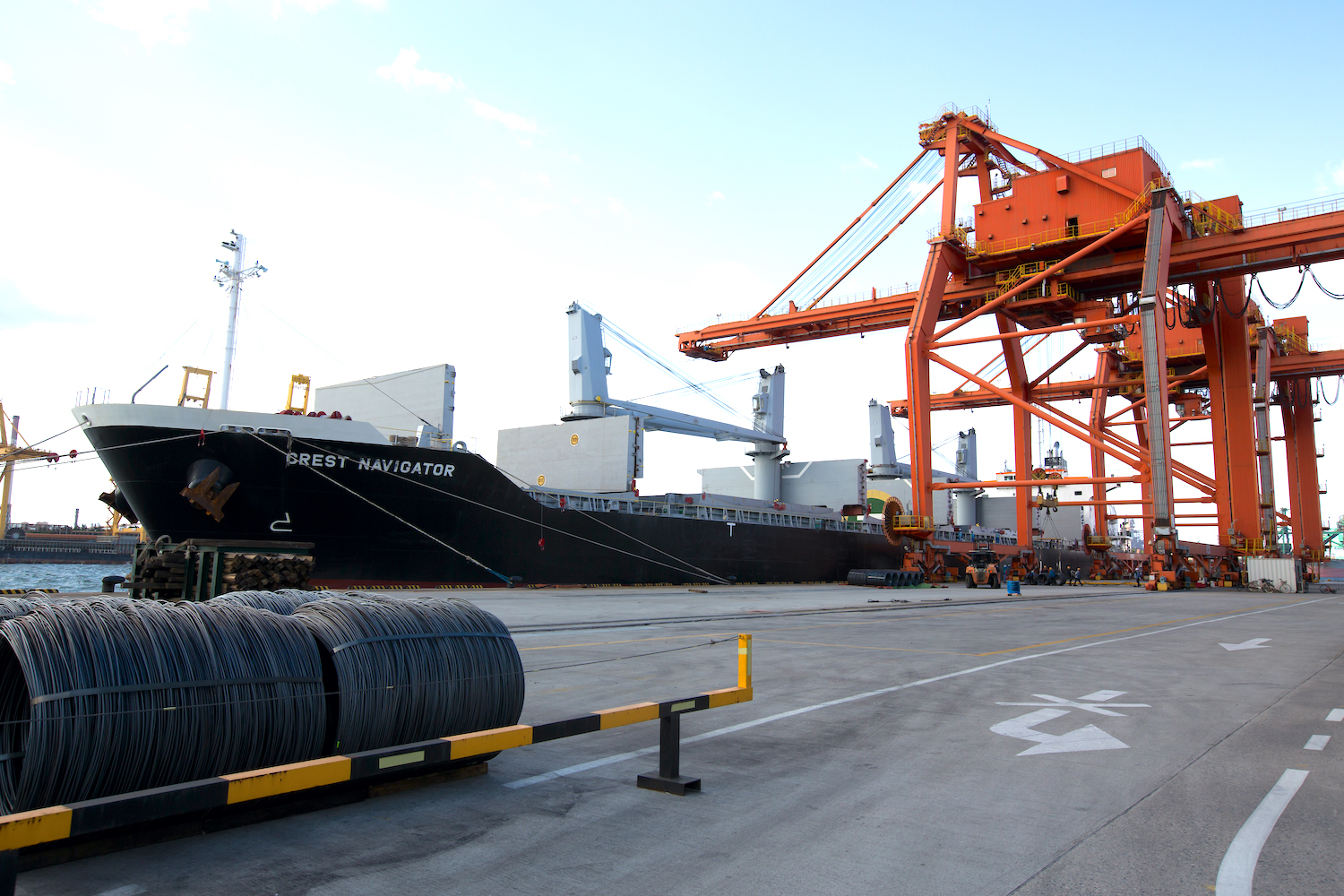
Turkish mills’ cold-rolled coil exports rose 13% year on year to 170,200 mt in the first quarter of 2022, on higher demand from some EU countries and the US, according to the latest monthly Turkish Statistical Institute, or TUIK, data sent to S&P Global Commodity Insights.
The revenue generated from these exports were at $186 million, 85% higher on the year, amid globally higher steel pricing.
Turkish CRC prices exceeded $1,400/mt in mid-March after the collapse of the supply chain in the Commonwealth of Independent States region due to the Ukraine war.
The prices, however, have started to decline gradually in recent weeks on slowed demand, lower import offers and the decline seen in hot-rolled coil prices.
Turkish CRC was assessed at $1,000/mt ex-works on May 20, according to S&P Global data.
According to the TUIK data, Italy remained Turkey’s main CRC export market in Q1 at 63,200 mt, up 24% on the year, while Belgium was Turkey’s second-largest CRC buyer during that period at 21,500 mt, threefold higher year on year.
The US became Turkey’s third-largest CRC customer at 19,300 mt, up from 3,700 mt in Q1 2021.
However, Turkish mills’ CRC exports to Spain dropped 45% year on year to 15,800 mt in Q1, the data showed.
— Cenk Can
ArcelorMittal launches XCarb accelerator program for decarbonization technologies
ArcelorMittal has launched a program to search for companies focused on breakthrough technologies to help to accelerate the decarbonization of the steel industry.
Clean tech start-ups are invited to submit applications through the Accelerator Programme for investment from ArcelorMittal’s XCarb Innovation Fund, which aims to invest up to $100 million/year in such transformative technologies, as well as have the opportunity to work together with ArcelorMittal across in R&D and commercially to speed up the development of their businesses, the company said in a statement May 25.
ArcelorMittal’s XCarb Innovation Fund was launched in March last year and has already committed $180 million in projects and technologies aimed at accelerating the decarbonization of the steel industry. So far, its investments have spanned four companies developing technologies in the fields of renewable energy, long-term energy storage, carbon recycling and green hydrogen.
Applicants will need to be registered start-ups with concepts for commercially scalable technologies to decarbonize steelmaking, with the first round of submissions due by June 20.
“The need to reduce GHG emissions is one of the greatest investment requirements of our time,” ArcelorMittal CEO Aditya Mittal said. “Steel can make a huge contribution to the decarbonization of the global economy and at ArcelorMittal we are committed to leading our industry’s efforts, and to accelerate the speed of our progress.”
Platts assessed HRC in Northern Europe down Eur5 on the day at Eur1,055/mt ex-works Ruhr May 24, S&P Global Commodity Insight data showed.
— Annalisa Villa

German April steel sales slip 8.9% on year: BDS
German steel product sales in April fell 8.9% year on year to 837,201 mt, data from German steel stockholders’ association BDS showed May 25.
The sales volume for the month also dropped 20.1% from March to the lowest monthly volume since December.
The majority, or 57.4%, of sales in April were from the flat product category at 480,753 mt, down 12% year on year and 21.4% lower than the previous month to a four-month low.
Sales of long products in April made up 34.7% of the overall total at 290,866 mt, steady year on year but down 18.8% on the month.
Platts assessed domestic HRC prices in Northern Europe at Eur1,275/mt ex-works Ruhr April 29, down from $1,390/mt at the start of the month, according to S&P Global Commodity Insights.
Stocks of German steel products totaled 2.2 million mt in April, rising 16.1% year on year, although they edged 0.6% lower from March to a three-month low, the BDS data showed.
Flat products made up 62.3% of total inventories in April at 1.4 million mt, which was 33.8% higher year on year, but down 1.5% month on month to a four-month low.
Long products stocks totaled 788,663 mt in April, or 35.5% of the total inventory, dropping 3.8% year on year, but rising 1.3% from March.
— Jacqueline Holman