


EU plate prices stable as restocking begins in Italy
EU heavy plate prices remained stable on the week May 27, with holidays in Northern Europe limiting transactional activity and some initial restocking reported in the Italian market.
Platts plate in Northern Europe was assessed stable at Eur1,650/mt ex-works Ruhr May 27.
With mills focused on supply long-term projects, presence in the spot market remained limited. Market participants reported no offers heard on the day from Northern mills.
In the South European market, prices also remained stable, assessed at Eur1,450/mt ex-works Italy.
A mill source reported a degree of demand revival on the day, particularly compared to other flat steel products, as buyers looked to restock depleted inventories.
“Plate prices are stable, we are seeing some demand revival due to restocking,” the source said. “Overall, plate is and has been doing fine, especially compared to hot-rolled coil.”
A second mill source saw the majority of demand as yet to return, predicting more substantive restocking in the coming weeks.
“I think most are still in wait-and-see,” the source said. “There’s a big difference between today’s prices and those seen in past weeks – everyone as been evaluating the market as it moves and trying to understand if it’s the right moment to start purchasing and restocking. The moment will have to come in the next two weeks, but we’ll see a stabilization until then.”
The latest import slab prices into Southern Europe were reported at $820/mt CIF Italian ports ex-India, unchanged on week. With slab material panic-booked at higher prices in the wake of Russia’s invasion of Ukraine and now reaching Italian re-rollers, sources reported limited room for prices to decline on current input costs.
— Benjamin Steven

European steelmakers to accept lower HRC prices to fill gaps in June-July order books
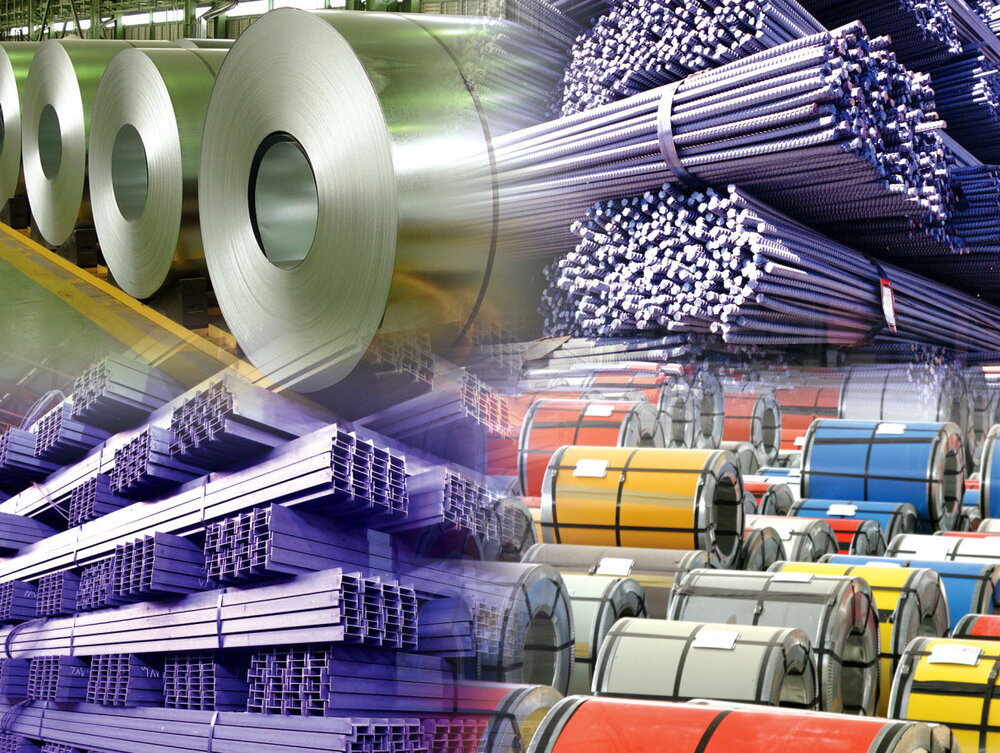
European hot-rolled coil producers decreased offers and were ready to give additional discounts to fill order books for June-July, sources said May 27.
S&P Global Commodity Insights assessed Platts HRC in Northern Europe at Eur1,000/mt ex-works Ruhr, down by Eur40 on day.
Four sources estimated achievable prices at Eur1,000/mt ex-works Ruhr and one source said that prices of Eur950-1,000/mt ex-works were attainable. Deals are expected to be done soon at about Eur950/mt ex-works Ruhr. Official offers have been heard at Eur1,000-1,050/mt ex-works.
“The buyers are aiming to get Eur950/mt ex-works from Northern European mills, and I think they will succeed,” a Northern European distributor said.
Central European steelmakers have been offering and trading HRC to Germany at Eur950/mt delivered in the end of the week, this compared with Eur970-980/mt ex-works offered in the beginning of the week.
Low demand from end consumers, including the automotive industry, high stocks of the Northern European distributors and competitive offers from Central European steelmakers contributed to the downward mood in the market.
“It is really hard now for integrated mills, even EAF-based, they have to produce and they need to make certain amount of steel in June-July. So now they have to chase buyers to sell those volumes at almost any price,” a reroller said.
“Some mills are disparate, they call buyers almost bagging buyers to make deals. They need to sell, particularly June-July delivery material, they have gaps in order books they need to fill and the price is not the main issue for them now,” a trader said.
Activity in the north of Europe remained muted in the week to May 27 partially due to national holidays in the second half of the week. In Italy, in the meantime, demand was reported to slightly recover. Although Italian mills face same challenges as their northern European peers.
As a result, hot-rolled coil in South Europe was assessed down Eur20/mt on day at Eur950/mt ex-works Italy, according to S&P Global Commodity Insights data.
A deal and achievable prices have been heard at Eur950/mt ex-works Italy. Mills have been offering HRC at Eur960-980/mt ex-works Italy, but some customers have also received offers of Eur930-940/mt ex-works. Domestic prices are likely to reach Eur900/mt ex-works Italy, source said.
Overseas suppliers of HRC have been largely inactive in the European market, removing some downward pressure from domestic prices. The exporters are expected to return to the market with higher offers after India set 15% export duty on HRC.
The positive effect, however, might be short-lived as Indian mills reply on export markets and after the introduction of export duties domestic prices in India have dropped.
“Cheap imports of Eur850/mt CIF Italy are gone now after India set export duties, other suppliers are also trying to review the prices upwards,” an Italian trader said. “But it seems that the absence of import might be short-lived as India cannot survive without export. Domestic prices in India have dropped after the export duty was announced. Domestic market there cannot absorb all the volumes produced by Indian mills. So with decreasing domestic prices and need to sell India will return with competitive prices soon.”
The only import HRC offers heard on May 27 was Eur870/mt CFR Italian ports ex-Turkey, the price included anti-dumping duties.
— Maria Tanatar, Benjamin Steven

Severstal could decrease production volumes under sanctions
Russian steelmaker Severstal needs to reorient the direction of supplies in the face of sanctions against Russia and therefore cannot guarantee it will maintain production volumes, says majority owner Alexei Mordashov.
“There are serious challenges for us related to the need to reorient supply lines and procurement channels in the context of sanctions. We cannot confidently say that we are maintaining production volumes,” Mordashov said at the All-Russian Ecological Forum “Ecosystem”. “Despite the difficult access to certain technologies due to the sanctions regime under which Severstal has fallen, we expect to achieve all our goals, including through import substitution.”
Severstal, the largest supplier of Russian flat products to Europe, announced on 2 March that it had stopped deliveries of steel products to the EU after the bloc imposed sanctions on Mordashov, in connection with Russia’s invasion of Ukraine (see Kallanish passim).
The company announced it intends to restore sales of products abroad, refocusing shipments on Asian, South African and South American countries by July. In particular, these will include exports to Iraq, Jordan, Vietnam, China, and India.
Severstal also intends to increase the volume of rolled metal supplied to North Africa, India and Southeast Asian countries, said company chief executive Alexander Shevelev.
“We are already supplying rolled metal products there; in the near future we will increase the volume of rolled metal supplied to these countries,” he noted. “In addition, we are actively looking at the Chinese market, at Korean manufacturers.”
Severstal will revise the forecast for capital expenditures for 2022, since investment projects related to imported equipment will be postponed, Shevelev admitted. “The forecast for capital expenditures will be revised automatically, because most of the investment programme depends on imported equipment,” he observed.
The firm is not publishing its financial performance for the first quarter.
Svetoslav Abrossimov Bulgaria

Spanish automotive sector downturn continues in April
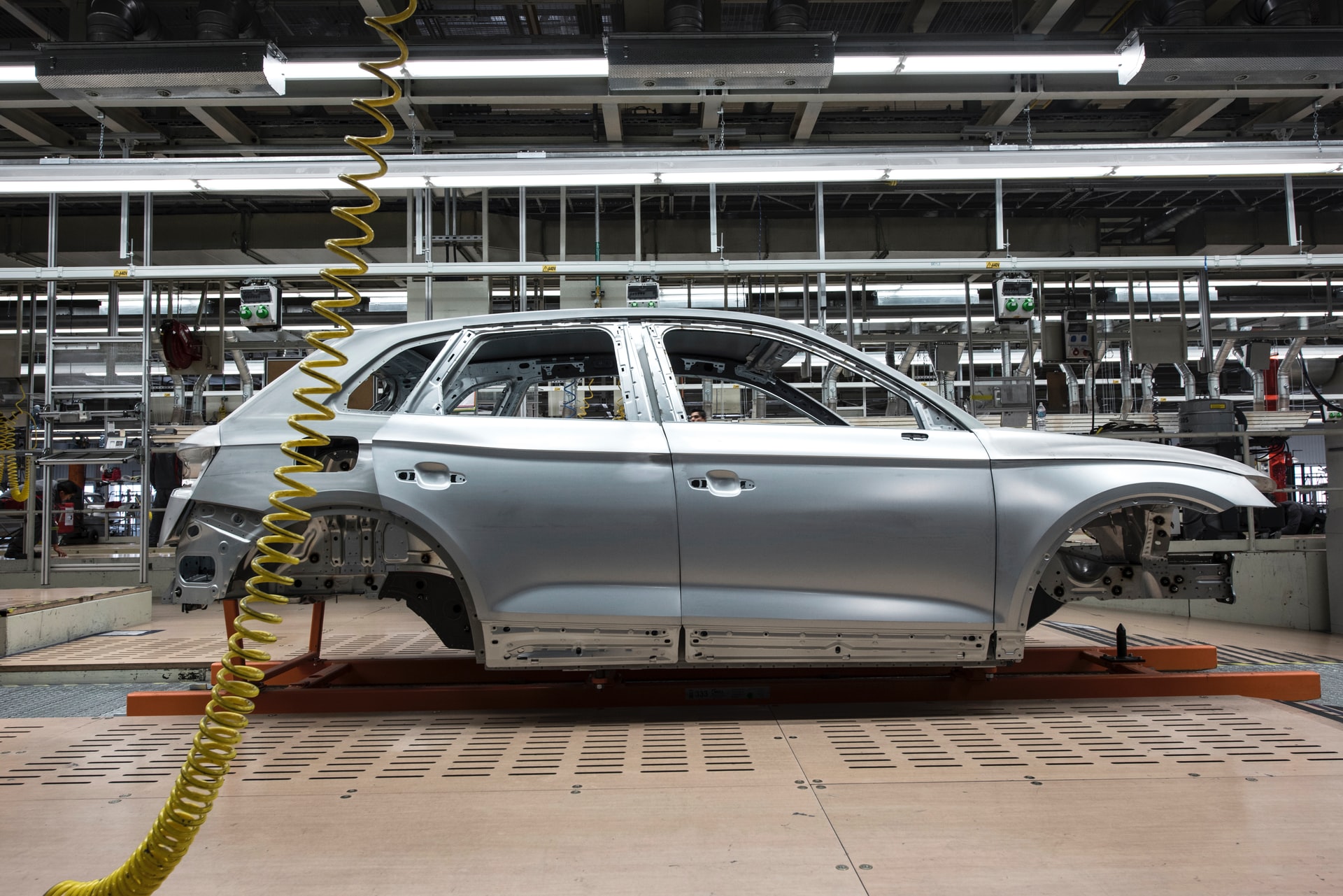
Spain’s carmaking sector remained depressed in April. Production and exports both fell, as a result of the Russia-Ukraine war impact. Lower output also reflects the impact of higher electricity costs in the country and the global semiconductor shortage, Kallanish notes.
Output in April was 168,396 units, a decrease of 10.3% versus the same month last year. Four-month production amounted to 718,850 vehicles, down 15.49% over January-April last year.
Meanwhile, poor sales in major markets, together with the microchip supply crisis and war in Ukraine, continued to undermine Spanish vehicle exports. These were 144,398 units in April, down 9.3% compared to the same month in 2021.
European markets represented 70% of Spanish deliveries in April, down 9.5% on-year. Only five of Spain’s ten main export destinations saw their purchases improve, with German demand growing the most, at 25.8%. Spanish four-month exports fell by 16.1% over a year earlier to 609,369 vehicles, Anfac data show.
Todor Kirkov Bulgaria