

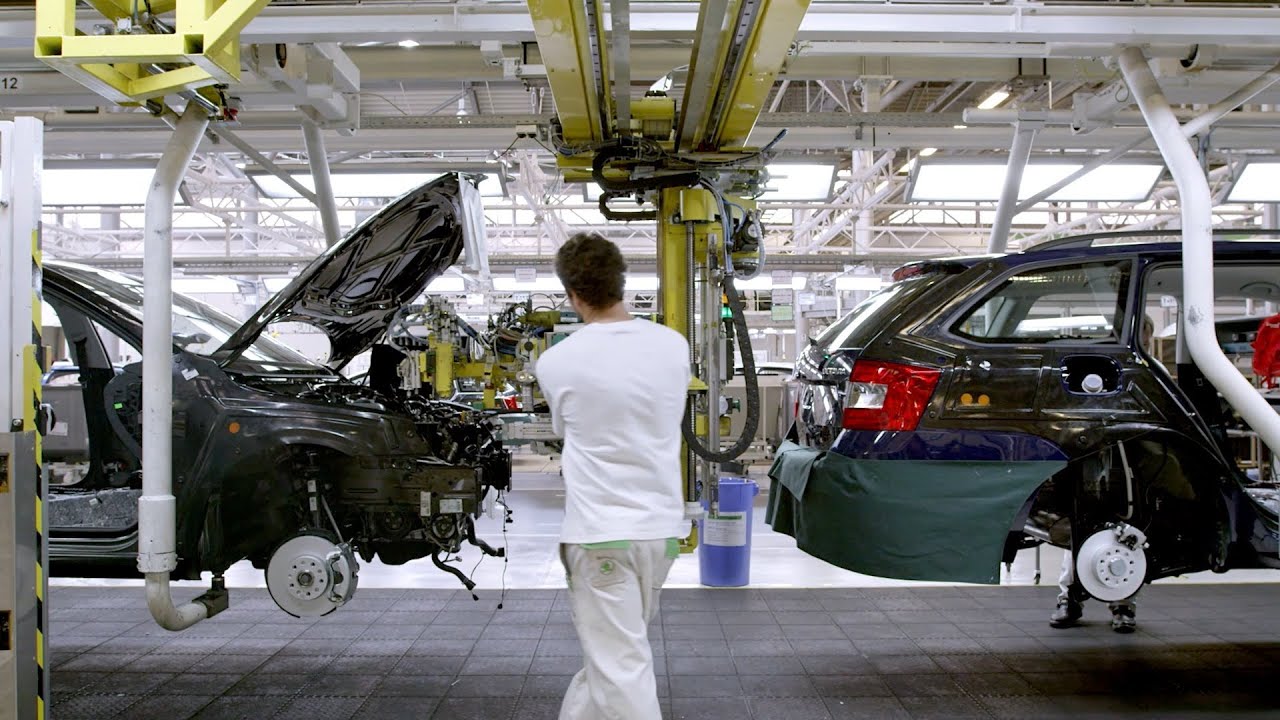
EU passenger car registrations fall 11.2% on year in May: ACEA
New passenger car registrations in the European Union fell 11.2% year on year in May to 791,546 units, bringing the total sales for the January-May period to 3.7 million units, down 13.7% year on year, data from the European Automobile Manufacturers’ Association showed June 16.
This was the tenth consecutive month of decline, with all four largest markets, Germany, France, Italy and Spain, seeing double-digit losses. However, the May volume was up 15.6% from April’s three-month low, the data showed.
In May, the largest EU car market Germany saw new car registrations dropping 10.2% year on year to 207,199 units, although 14.9% higher than the previous month.
In the second-largest market France, sales for the month dropped 10.1% on the year, but rose 16.6% on the month to 126,809 units.
Similarly, car sales in Italy dropped 15% on the year to 121,299 units, but rose 24.6% from April to the highest level since June 2021.
In Spain, 84,977 units were sold in May, falling 10.9% on the year, but up 23% on the month.
The auto sector is a key industry for steel producers but has been facing supply issues due to the ongoing semiconductor shortage, which in turn has affected production. On average, 900 kg of steel is used per vehicle.
S&P Global Insight Commodity assessed hot-rolled coil in Northern Europe at Eur900/mt ex-works Ruhr June 15, $22/mt lower than at the start of 2022.
For the first five months of the year, Germany topped the top four countries with 1 million units sold, down 9.3% on the year. In France, 600,893 units were sold, down 16.9% on the year, while registrations in Italy and Spain were 556,818 and 318,488, down 24.2% and 11.5%, respectively.
— Jacqueline Holman


Turkey set to announce AD duty decision on EU HRC imports
The Turkish Trade Ministry is expected to announce the final decision on its antidumping investigation into hot-rolled coil imports from the EU and South Korea in late-June or early-July, industry sources told S&P Global Commodity Insights June 16.
After the investigation, which was launched in early 2021, the ministry’s preliminary decision released March 11 determined rates of 14.08%-49.84%.
The investigation report with the final determinations would be submitted to the Board of Evaluation of Unfair Competition after receiving opinions and claims from relevant parties for a final decision, the ministry said at that time.
The final decision was expected at the end of June, although no exact information about the result had been given yet, Turkish Steel Exporters’ Association Vice President and Colakoglu CEO Ugur Dalbeler told S&P Global June 16.
“We are expecting to see that a required answer to the EU’s unfair attitudes against Turkey in the last four years will be given by the ministry,” he said.
Turkey exported only 700,000 mt HRC in the January-April period, but imported 2.2 million mt, with Dalbeler saying the preliminary decision meant it had been officially registered that EU mills were dumping sales into Turkey.
“Although Turkish mills have been pausing their output in recent weeks due to lack of orders, Turkey has been paying millions of dollars to dumped imports also from India, Japan and China,” he said, adding that protection measures should be imposed on these countries as well, not only on imports from the EU and South Korea.
Turkish mills’ HRC prices exceeded $1,200/mt in mid-March amid the war in Ukraine, but have declined since then due to pressure from lower import offers and scrap pricing in a sluggish market.
Turkish domestic HRC was assessed at $815/mt ex-works on June 10, according to S&P Global data.
Another industry source also expected the ministry to announce its final decision soon, probably in the first weeks of July at the latest.
According to the preliminary decision, ArcelorMittal will be subject to a dumping margin of 39.83%, Tata Steel 30.64%, ThyssenKrupp and Liberty Steel 23.30%, and all other EU producers 49.84%. South Korean producer POSCO will be subject to 14.62%, Hyundai Steel 14.08%, and other South Korean producers 18.59%.
These rates could be changed in the final decision.
— Cenk Can

European HRC market pessimistic on negative fundamentals
Negative sentiments settled in the EU HRC market June 16 with fundamentals unlikely to change in the near term, sources reported.
The Platts Northwest European hot-rolled coil assessment fell from Eur900/mt ex-works Ruhr to Eur875/mt ex-works Ruhr on the day, according to data from S&P Global Commodity Insights.
Although no deals for German material could be confirmed at the sub-900/mt level June 16, buyers expected further decline in prices going forward, reinforced by transactions reported into the Ruhr region ex-Central Europe.
Trader and service center sources reported separate deals at Eur870/mt and Eur860/mt delivered Northern Europe ex-Central Europe, respectively.
Different trader and service center source reported prices of Eur850-900/mt as achievable on the day, compared with deals heard earlier in week beginning June 13 at Eur900/mt ex-works Ruhr.
A mill source reported bids at Eur850/mt ex-works Ruhr, considering this level as workable on sufficient volumes. The source expected prices to continue on a slower decline into mid-July when prices would stabilize into the summer shutdown period.
Amid low demand, sources reported near-term revival as unlikely owing to subdued demand from the automotive sector and risk-averse buyers not restocking against pricing downtrends. However, mills were still offering short lead times — with order books for July rolling unfilled — due to constrained demand and resultant oversupply in the European market.
Against market expectations, mills are yet to announce cuts to production capacities, preferring to reduce shifts and extend traditional maintenance periods.
Mills were accepting buyers’ bids in an attempt to secure volumes, with settled prices much lower than initial offers.
“End-users are kings of the market now — they control the prices,” said a mill source. “Demand is very weak; buyers prefer not to book beyond minimum volumes, as prices are decreasing daily with nobody wanting to commit to purchasing.”
In South Europe, hot-rolled coil prices also moved down on the day, assessed down Eur15/mt at Eur835/mt ex-works Italy.
A trader source reported deals at Eur830-850/mt ex-works Italy. Another trader saw offers at Eur850/mt ex-works Italy, expecting workable price levels to fall to Eur800/mt ex-works Italy in the near term.
— Benjamin Steven, Maria Tanatar
EU starts expiry review of anti-dumping measures on rebar from Belarus
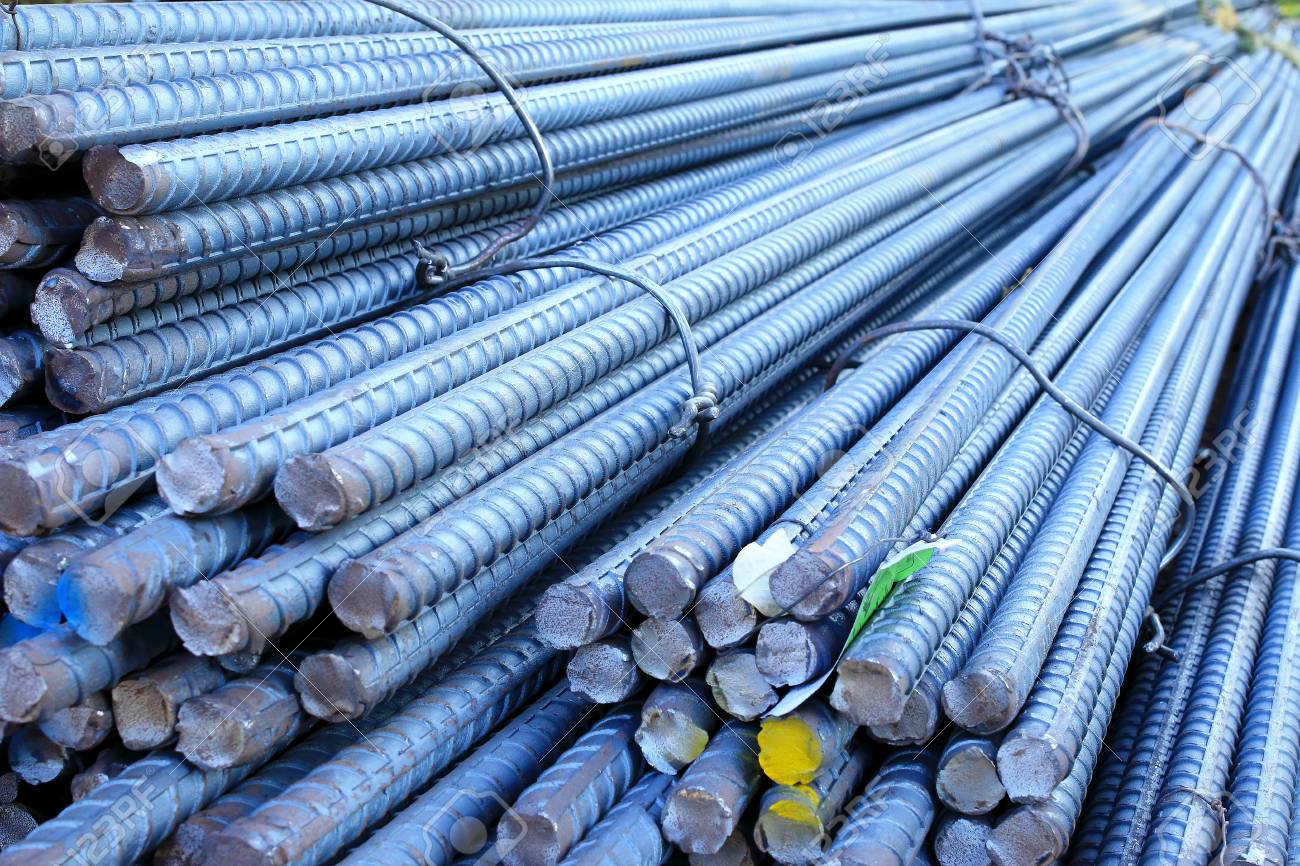
The European Commission (the Commission) has initiated an expiry review of its anti-dumping measures on rebar imported from Belarus, it said on Tuesday June 14.
The definitive anti-dumping duties, set at 10.6%, were imposed by the Commission on June 16, 2017 and were scheduled to expire on June 17, 2022.
The Commission started the expiry review at the request of regional steel association Eurofer, on March 16 of this year on behalf of the EU steel rebar industry, a notice in the EU Official Journal said.
The investigation will be conducted within the next 12-15 months to determine whether the expiry of the measures will lead to a continuation or recurrence of trade subsidies or to injury to the European steel industry.
If the measures were allowed to lapse, the Official Journal said, the import volumes of rebar products from Belarus would be likely to increase because there is substantial unused capacity in the nation.
The import tariff under expiry review applies to iron and non-alloy steel from Belarus not further worked than forged, hot-rolled, hot-drawn or hot-extruded, but including those twisted after rolling and also those containing indentations, ribs, grooves or other deformations produced during the rolling process, currently falling within CN codes ex 7214 10 00, ex 7214 20 00, ex 7214 30 00, ex 7214 91 10, ex 7214 91 90, ex 7214 99 10, ex 7214 99 71, ex 7214 99 79 and ex 7214 99 95.
Rebar exports to Europe from the country’s sole rebar exporter, Belarus Steel Works (BMZ), fell by 24.86% year on year to 54,279 tonnes in the first four months of 2022, down from 72,238 tonnes in the first four months of 2021, data from the European steel association, Eurofer, showed.
The decrease was related to the European Union’s sanctions against Belarus for its cooperation with the Russian invasion of Ukraine, sources said.
Published by: Julia Bolotova

Marcegaglia invests in Ravenna
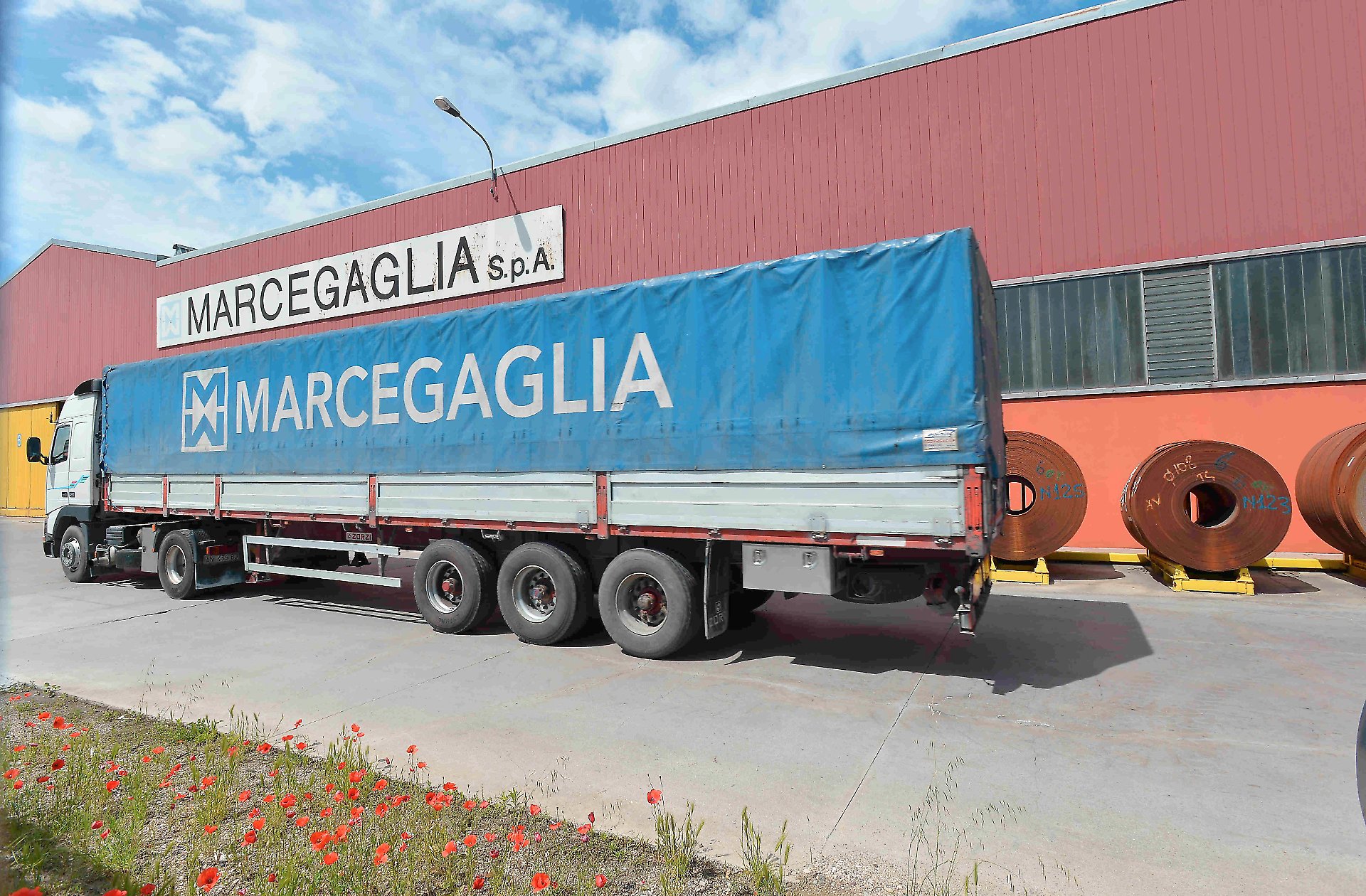
Italian re-roller Marcegaglia has revamped hot dip galvanizing line No.1 at its plant in Ravenna, northern Italy. Equipment maker Danieli carried out the work.
“The job consisted of revamping of the horizontal direct-flame fired section and relevant pre-heating section, plus that of the after-pot cooling system,” Danieli says in a note sent to Kallanish, and adds that the revamp included new burners fed by pre-heated combustion air. Thanks to the intervention, the line will benefit from a 20% production increase, a 20% cut in natural gas consumption and a 15% reduction in electricity consumption.
Marcegaglia is one of Europe’s largest re-rollers. Last year it achieved a turnover of €7.7 billion ($8.01 billion) and employs 6,600 workers. It re-rolls about 6.2 million tonnes/year of steel and has 29 mills.
Last month the company obtained a six-year credit facility of €1 billion from a pool of Italian and foreign banks. The credit facility includes €700 million that will be used to refinance medium-term lines maturing between 2024 and 2026, €200m to support the company’s future investments and €100m in revolving credit (see Kallanish 31 May).
Natalia Capra France

UK Steel calls for safeguard to be confirmed
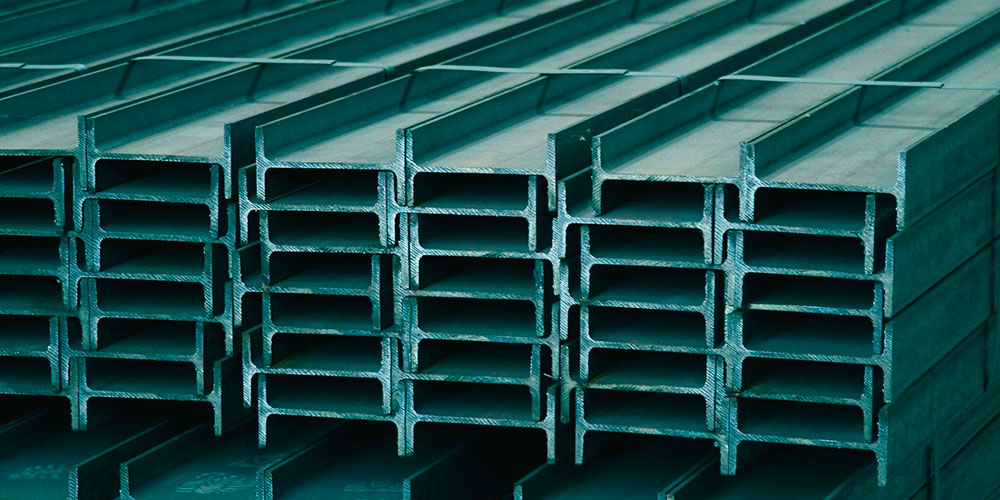
Gareth Stace, director of UK Steel, issued a statement this week calling for the safeguard system in place in the UK to be fully confirmed by the government. By the end of the current month, a decision is expected on the ongoing review to confirm the future of safeguard measures for five of the 16 product categories involved.
“It is essential that the UK’s steel safeguard is maintained in its entirety. Failure to do so would risk surges in steel imports resulting in significant damage to UK producers, placing jobs, production, and investment at risk. Unilaterally weakening our steel safeguard when the EU and US are committed to maintaining their own would expose UK producers to the full might of growing, state induced, distortions in the global marketplace and could cause as much as £150 million ($183.9m) a year in damage,” Gareth Stace says.
In June last year, the Trade Remedies Authority of the UK suggested the termination of the safeguard measures for nine products involved. The government decided to extend the safeguard for five of these product categories for one year while launching a reconsideration process. These five product categories (quarto plates, merchant bars, wire rod, angles and tin mill products) will now see their inclusion in the safeguard system terminated at the end of June if the government does not make a decision, Kallanish notes.
“The decision to be made now by the government finishes a process started last year in which ministers provided a temporary extension of the steel safeguard to allow for a meaningful appeal process to take place. This was necessary in order to challenge the Trade Remedies Authority’s (TRA) original and flawed recommendation to slash the scope of the measures, which risked damaging investment in the future of the sector and risked jobs across the country. UK Steel was and remains certain that extending the safeguards to protect a vital strategic industry is not just legally permissible but is economically essential,” Gareth Stace explains.
Earlier this month the European Union concluded its ongoing review, confirming the measures in place and only applying some small adjustments to the system. This move has triggered criticism by steel users and distributors.
Emanuele Norsa Italy