

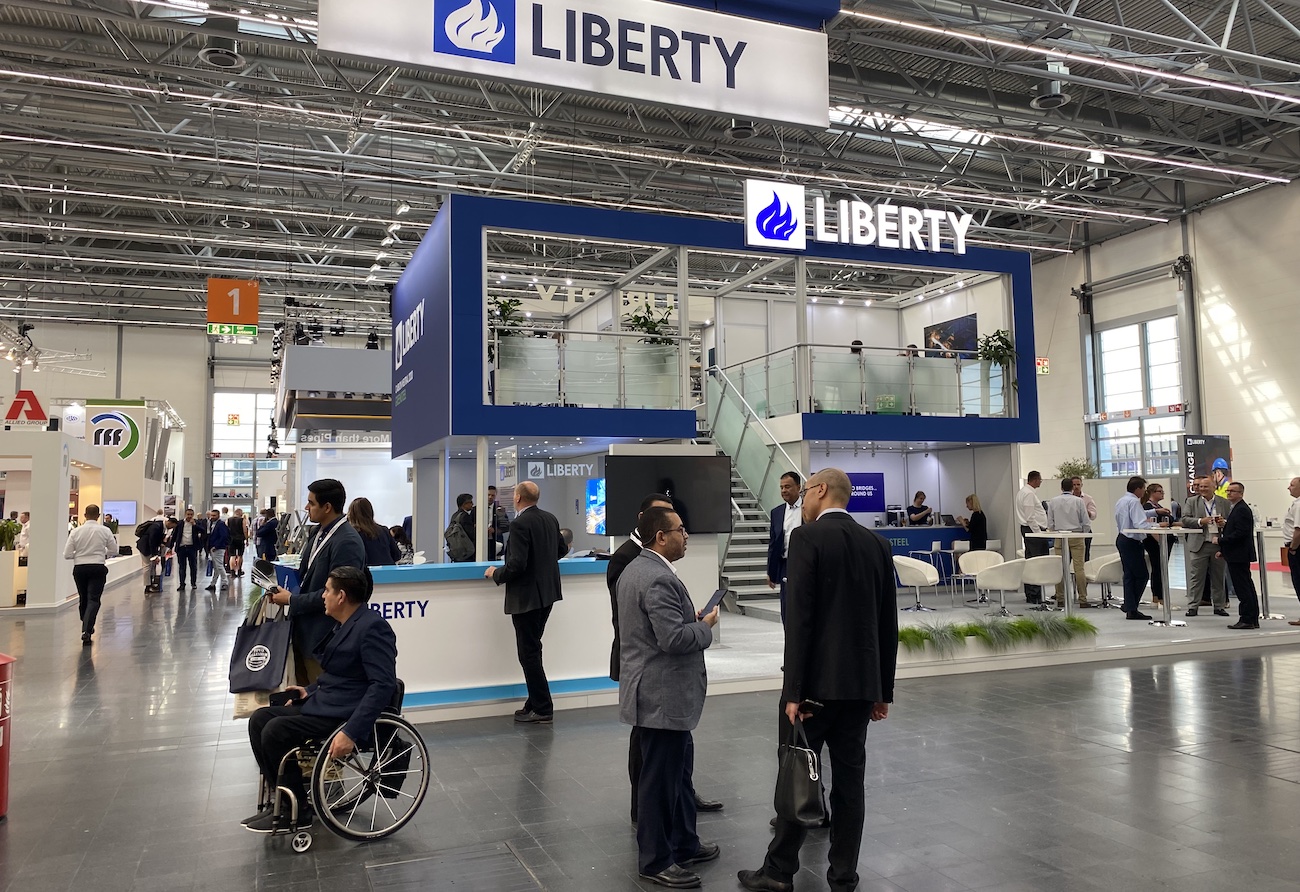
EUROMETAL was at Wire & Tube 2022 in Düsseldorf
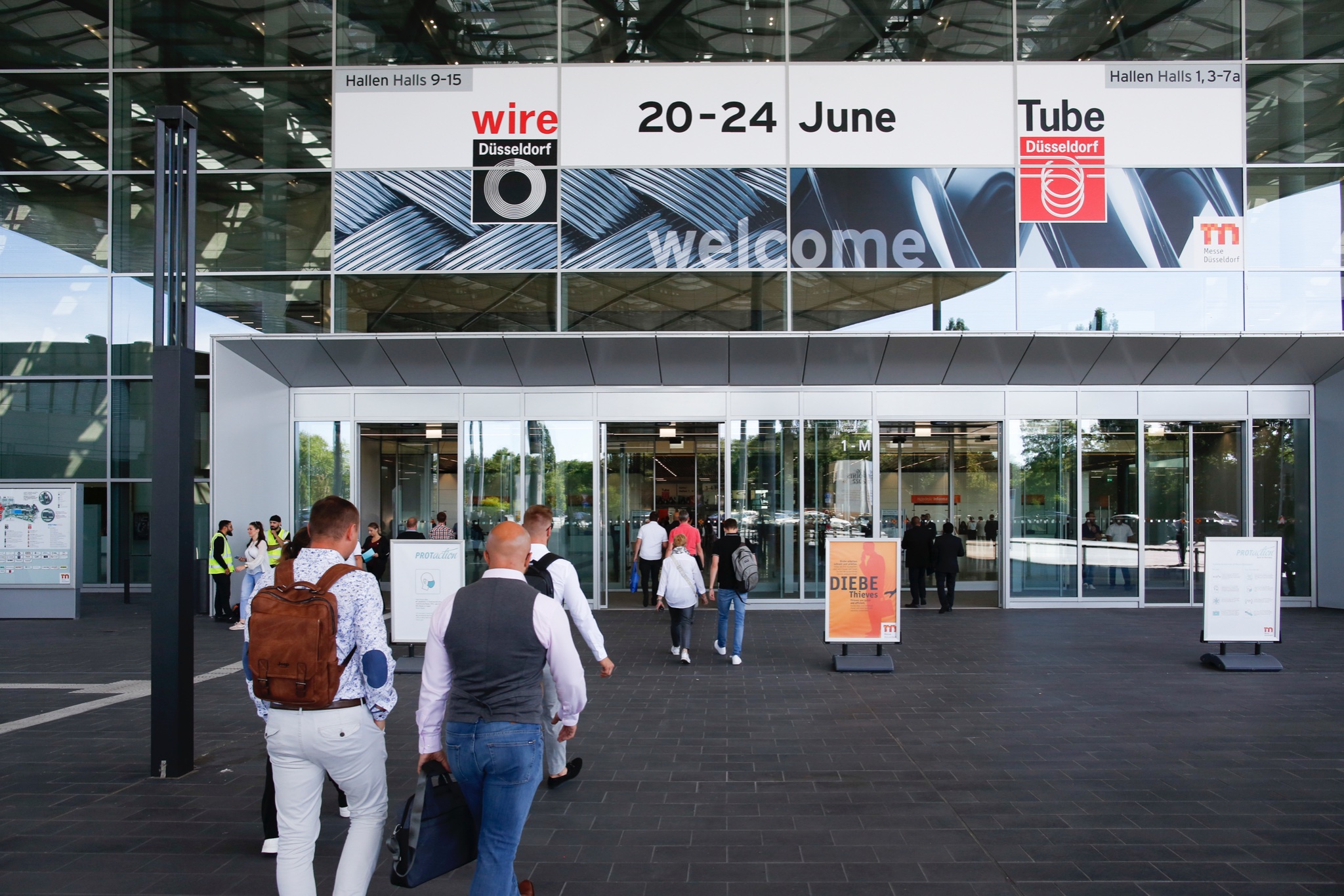
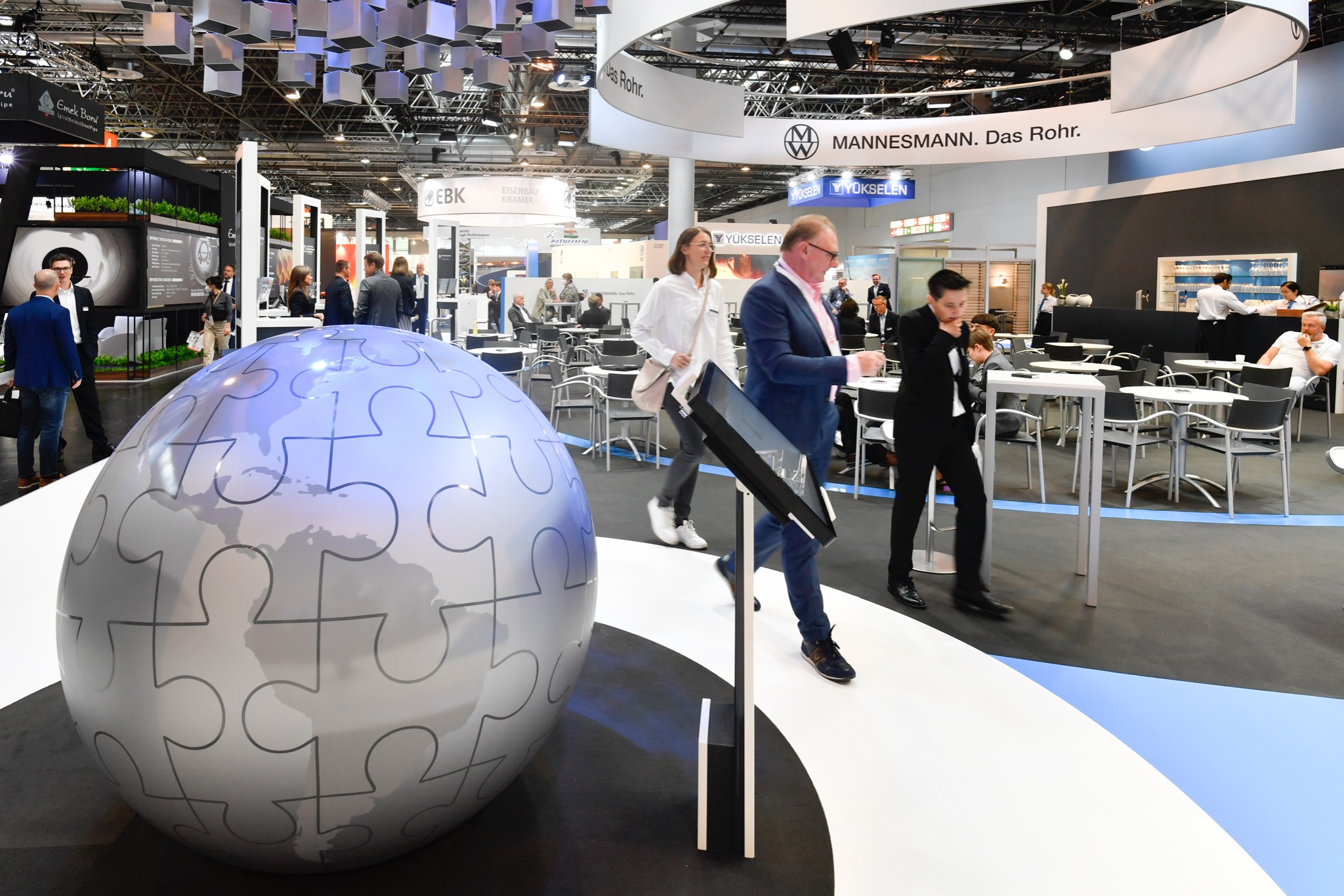
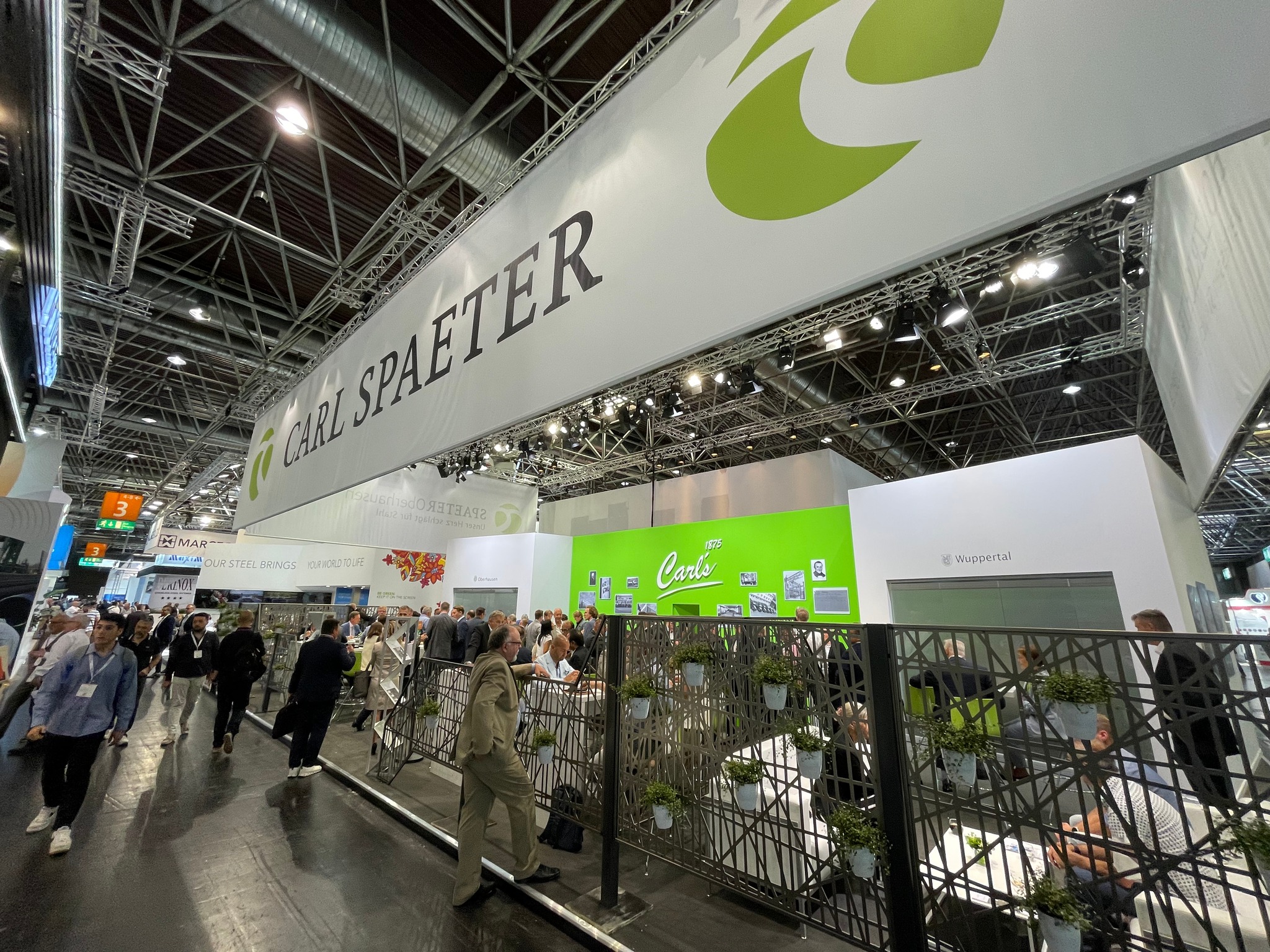
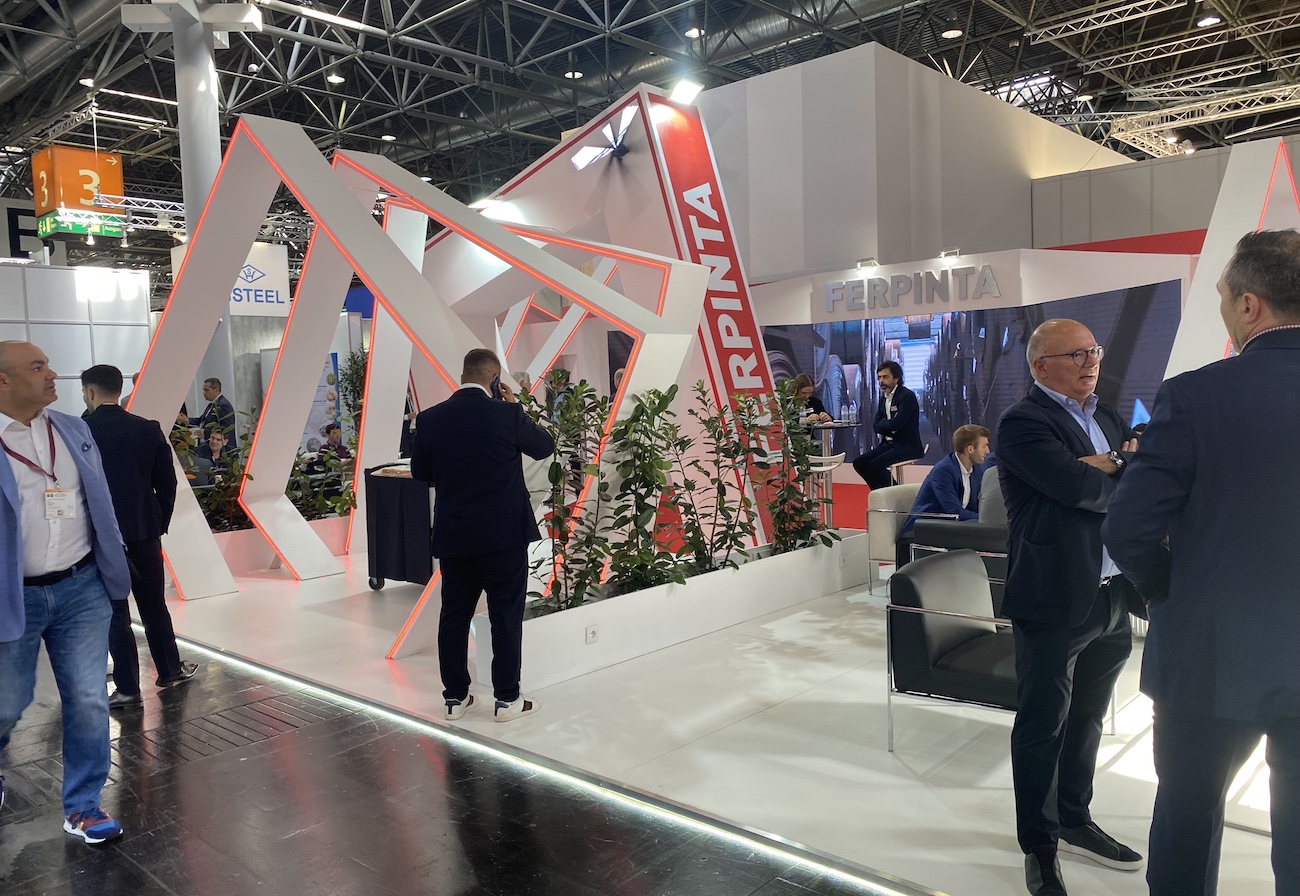
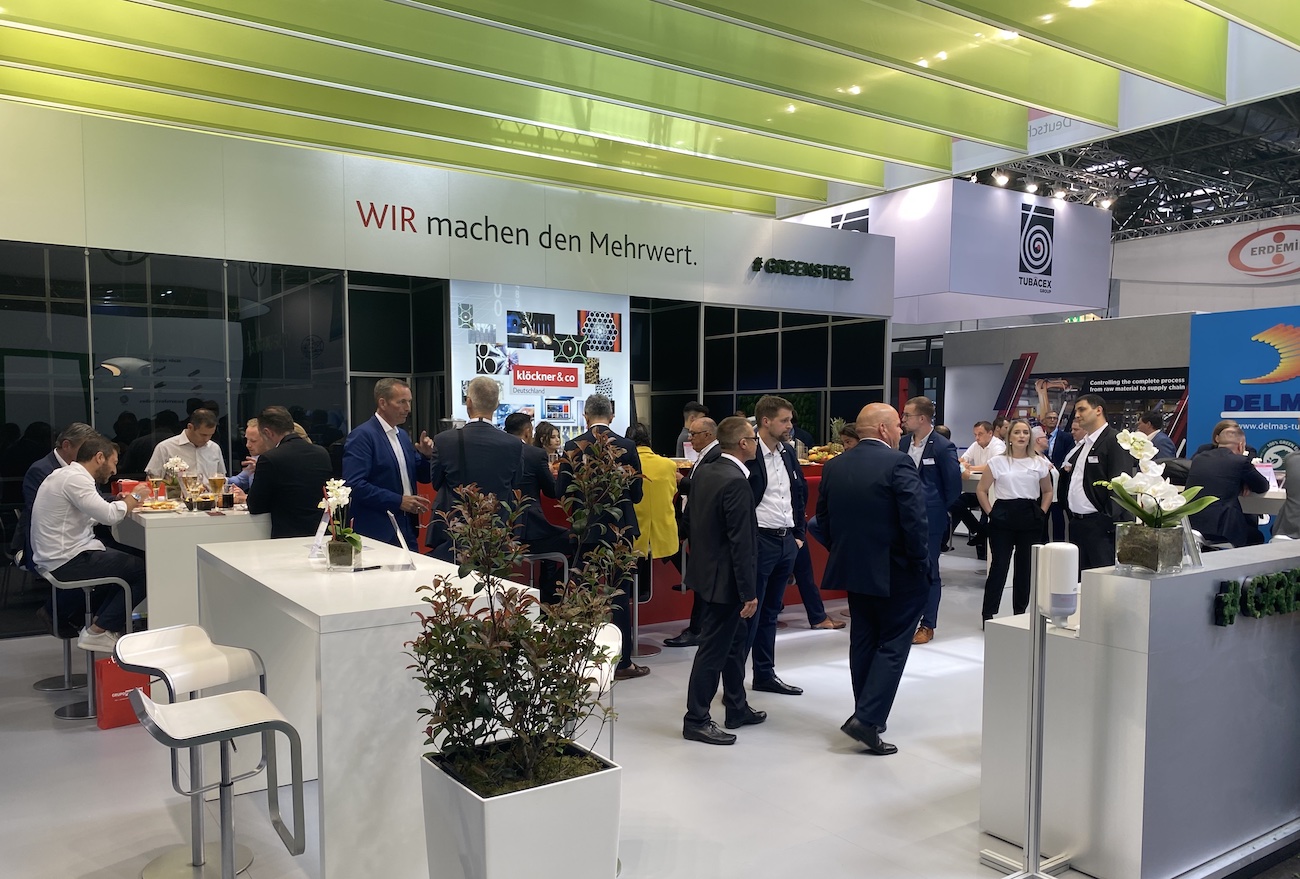
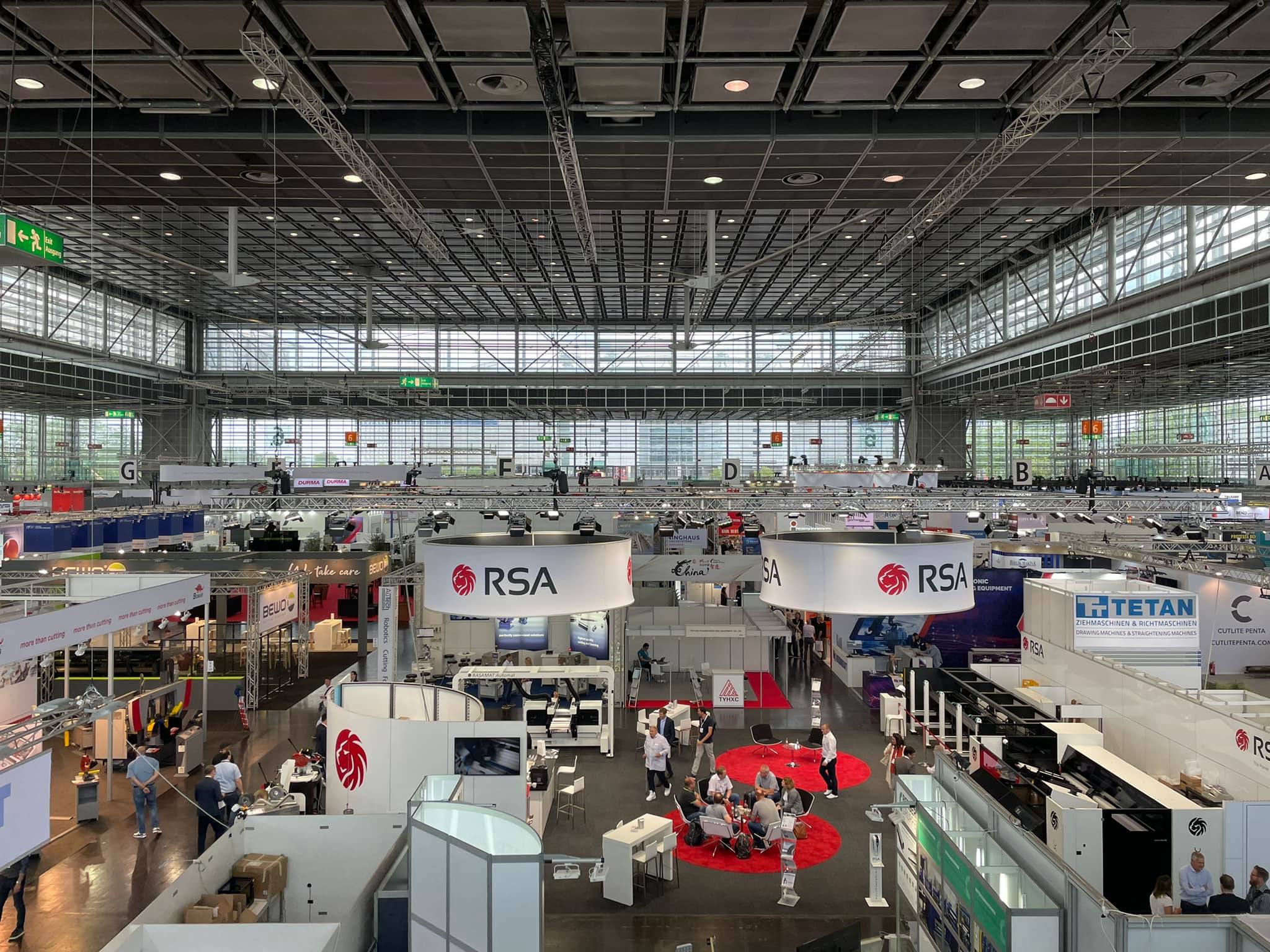
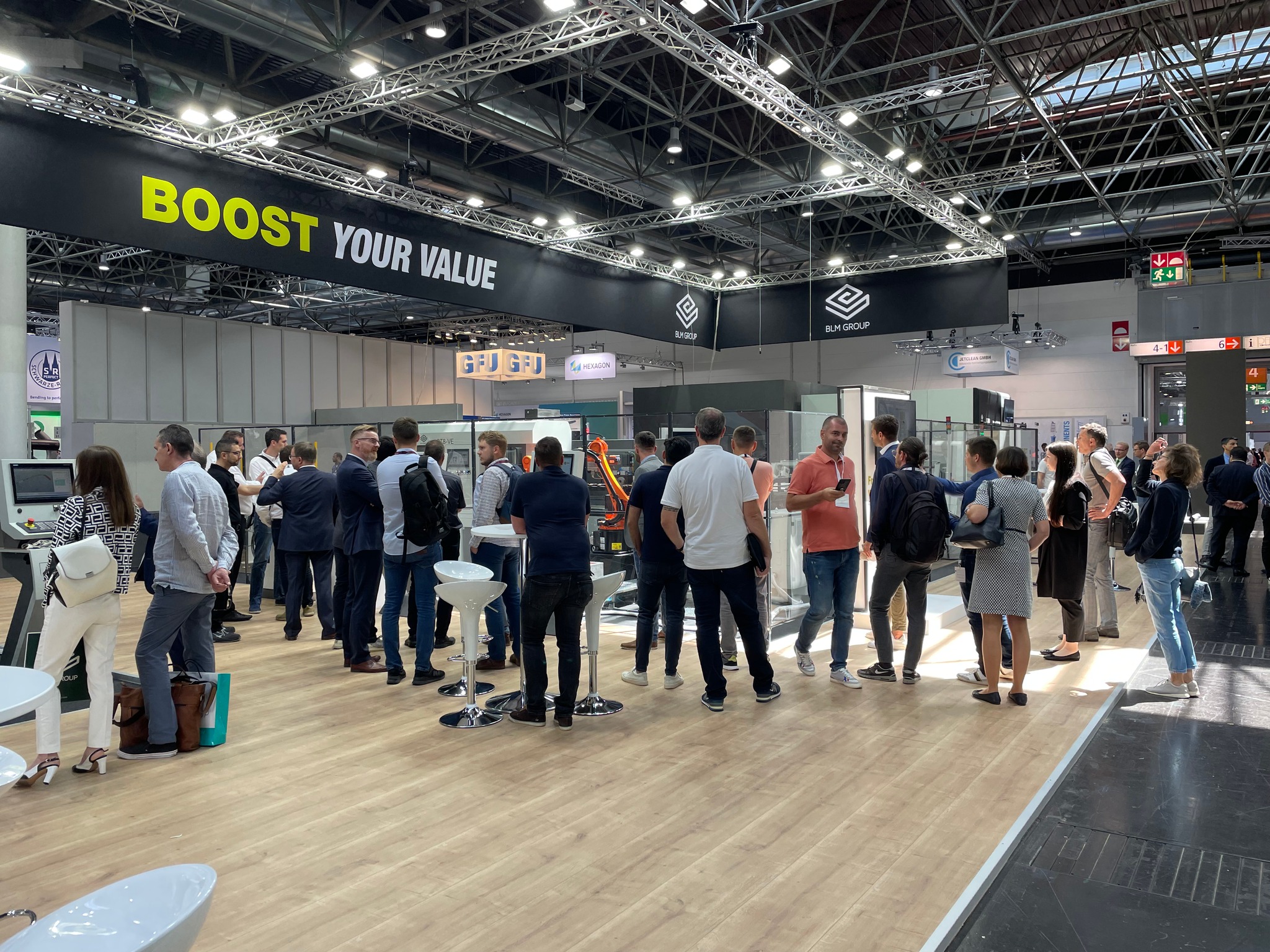
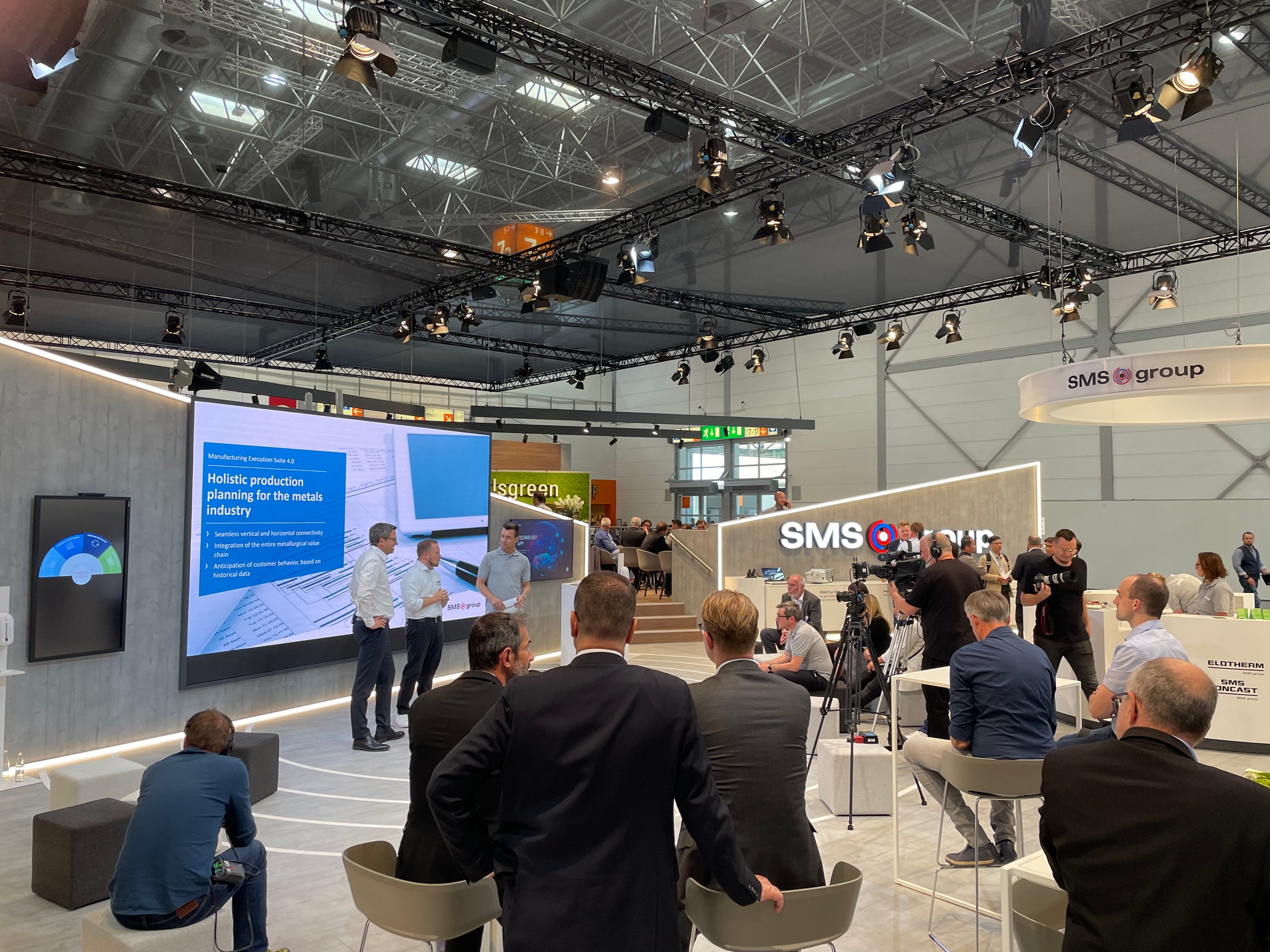
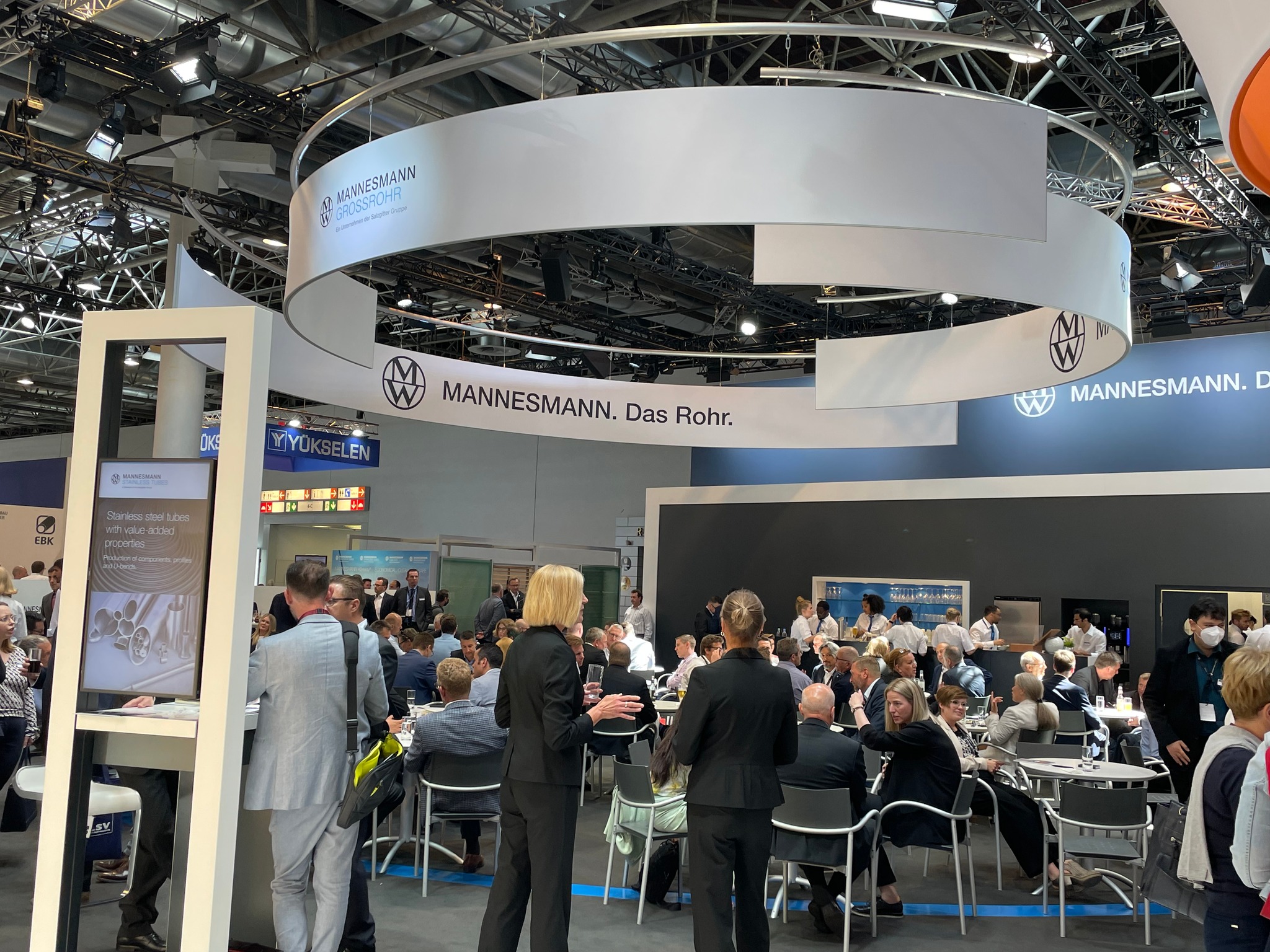
This week took place the Wire & Tube 2022 Düsseldorf fair. Considered the world’s most important trade fair for the tube, wire & cable industry and the central hub for international business, the 2022 edition brought together around 1900 exhibitors and thousands of visitors from all over the world.
Besides the latest technologies and manufacturing components, the most modern machines, products and high-end solutions have been presented, focusing on the trend topics of our time such as sustainability and Industry 4.0.
EUROMETAL’s presence at the fair made it possible to meet colleagues, members and future candidates.
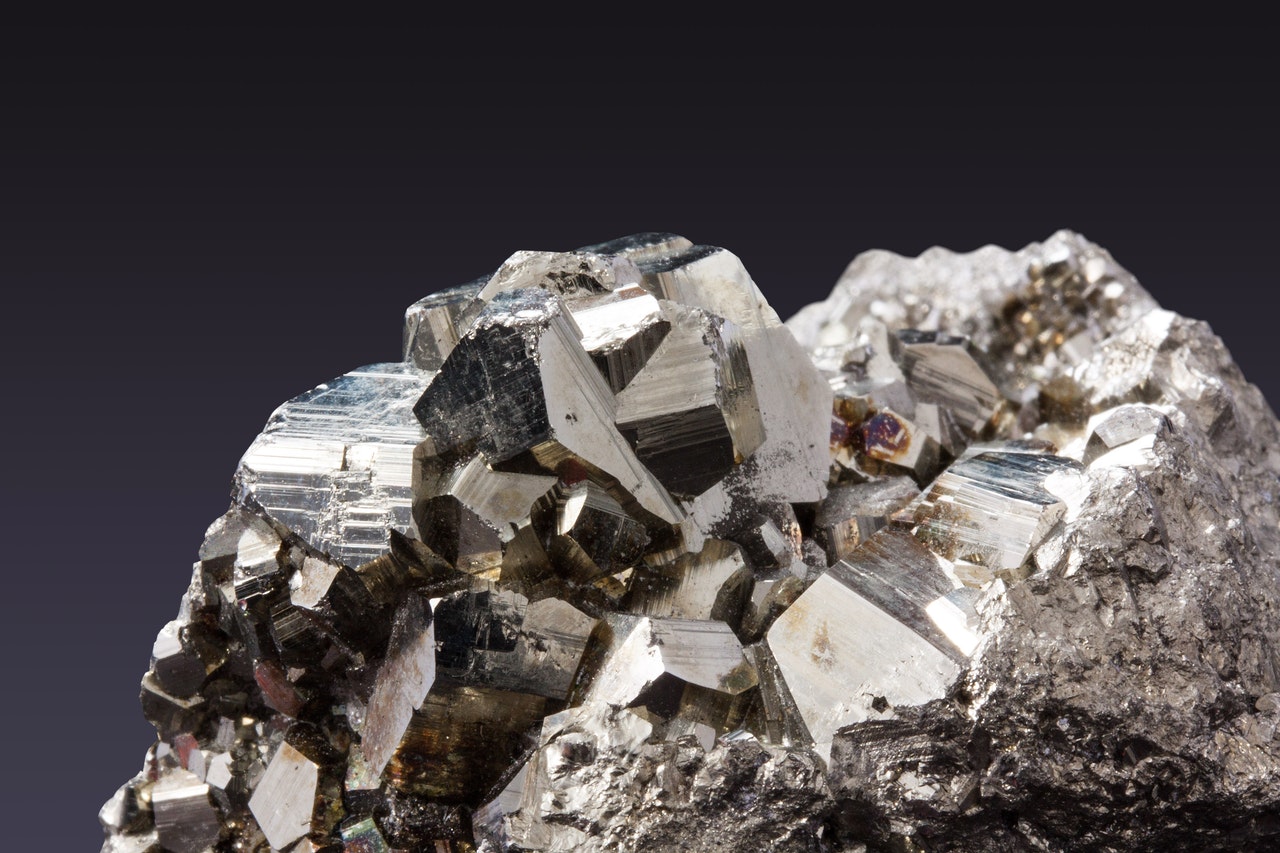
Iron ore seeks direction
Seaborne iron ore prices have continued to fluctuate in a range despite dramatic swings in futures markets. Government attempts to reassure the economy continue to founder despite a focus on the most optimistic sectors.
The Kallanish KORE 62% Fe index picked up $0.32/t to $116.59/dry metric tonne cfr Qingdao. The Kallanish KORE 65% Fe index slipped $0.23/t to $135.25/dmt cfr, and the KORE 58% Fe index dropped $3.92/t to $113.34/dmt cfr. 170,000 tonnes of PB fines sold at $113.50/t with a laycan in 28 July-6 August.
On the Dalian Commodity Exchange, September iron ore settled down CNY 2.5/t at CNY 729/t ($108.67/t), while on the Singapore Exchange July 62% Fe futures settled up $8.01/t at $116.15/t. The same contract for 65% Fe and 58% Fe futures settled up $6.79/t at $131.12/t, and down $0.14/t at $119.90/t respectively.
Scrap prices continue to tick lower but billet held its ground. 6mm+ heavy scrap delivered to mills in the Yangtze River Delta dropped CNY 21/t to CNY 3,192/t. Tangshan billet held steady at CNY 3,920/t.
Chinese ferrous markets were stronger on Thursday but sentiment continues to swing wildly. Government attempts to steady the ship focussed strongly on the automotive sector in recent days. This is in part because it is a sector that is susceptible to stimulus.
In the weekly State Council executive meeting on Wednesday, premier Li Keqiang discussed various measures to boost automotive sales. He said these could spur automotive consumption by CNY 200 billion this year. At less than 0.2% of GDP, however, these measures will not be enough to support overall economic growth.

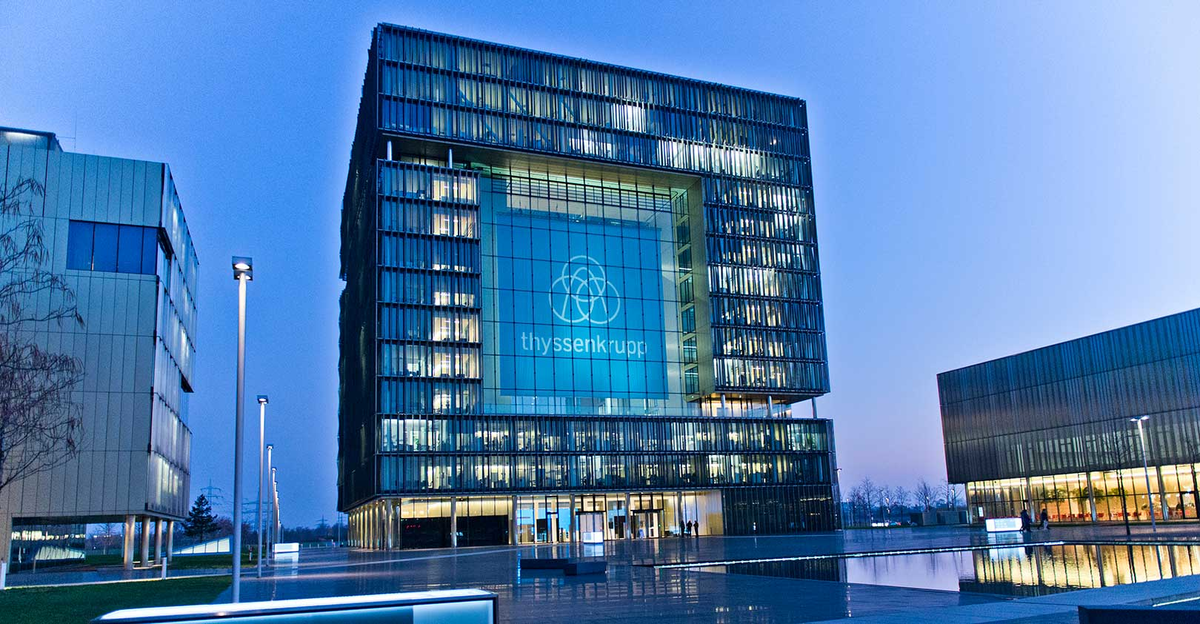
EU court upholds Commission’s Tata-thyssenkrupp merger prohibition
The General Court of the European Union has upheld the European Commission’s decision in 2019 that the proposed Tata Steel Europe-thyssenkrupp joint venture would be incompatible with the internal market and the European Economic Area.
The rejection of the merger had been anticipated by the two companies, who called off the merger plan in May 2019 (see Kallanish passim).
The proposal related primarily to metallic coated and laminated steel products for packaging and hot-dip galvanised steel products used in the automotive industry.
The Commission considered that the transaction would result in a significant impediment to effective competition, in particular due to horizontal non-coordinated effects resulting from the elimination of an important competitive constraint. As a result, customers would have faced a reduction in the number of suppliers, as well as higher prices.
According to the Commission, the remedies proposed by thyssenkrupp and Tata Steel did not address in a full and lasting manner the competition problems identified. Consequently, thyssenkrupp brought an action before the General Court of the European Union for annulment of the decision.
The court has now rejected all the arguments raised by the steelmaker and upheld the Commission’s decision.
An appeal can be made to the European Court of Justice within two months and ten days of notification of the decision.
Since the 2019 ruling, Tata Steel Europe has undergone a restructuring that involves splitting its Dutch and UK operations into separate business units. Thyssenkrupp had meanwhile planned to spin-off its steel business, but this move was halted in March following the outbreak of war in Ukraine.
Adam Smith Poland

Some Italian longs demand seen resuming before stoppages
Prices for some long and tube products are forecast to stabilise next month as the pace of decline is slowing, particularly for beams and merchant bars, say some Italian service centre sources. Sluggish demand for all flats, tubes and longs however continues, with buyers focusing on destocking.
Sources tell Kallanish the imminent production stoppages at Spanish beams and merchant bar mills should support Italian prices next month. Both beams and merchant bar values have fallen considerably less than other products such as rebar, for which the many producers and buyers create a very competitive market in Italy.
According to sources, meanwhile, the German government is currently discussing a significant reduction in gas supply to energy-intensive companies, including steel producers, due to the Ukraine war impact. Some long steelmakers have this week stopped sales and are beginning to say prices will increase in July as a consequence, although no official announcement has yet been made.
Buyers for beams, tubes and merchant bars are seen going back to purchasing in July before summer production stoppages are implemented throughout Europe. Italy is currently a two-tier market, with weak activity in the north and virtually no activity in the south, which relies heavily on public projects that are delayed because of the current economic uncertainty, Kallanish hears.
At present, domestic merchant bar remains at €780-800/tonne ($820-841/t) base ex-works. Including size extras, values reach €1,200-1,240/t ex-works. The first category of sections also remains at €1,330-1,350/t including size extras, distributors indicate.
Welded tube demand is also particularly weak but local re-rollers are said to have resumed shopping for hot rolled coil feedstock globally. While some tube makers in Italy are also reducing production and implementing line stoppages, they have re-modelled their price lists, taking into account energy, transport costs and lower HRC prices. According to the new price lists, tube discounts are at around 20 points.
Natalia Capra France

Experts debate scrap price floor at Kallanish conference
Experts at Thursday’s Kallanish International Steel Scrap Conference in Istanbul held differing opinions over the future of Turkish scrap prices, which have continued to drop recently.
US-based recycler Novek representative Ali Sezen said prices are approaching bottom. According to him, the influx of Russian billet into the Turkish market, which has depressed scrap prices, is likely to end soon as production costs at Russian mills are very high due to the strong rouble.
Russian mills will stop exporting cargoes and sell their production to the local market, he added. Moreover, Turkey’s flat products import tax will soon be increased to 9% from 6% currently.
“My personal feeling is that scrap prices will continue the downtrend this summer, but will recover in September if everything goes well,” he commented.
Conversely, Belgium-based recycler Casier Recycling commercial director Alain Eeckman opined that scrap prices are likely to fall below $300/tonne cfr Turkey.
“Technically, it’s possible [for prices to fall below $300/t cfr], but I tend to agree that falling below $300 is very hard. Let’s not forget this is for the material that exporters will be bound to sell. This is $20-30 below the price now; the average price, I’m sure, is way above $300,” he observed.
He also does not expect scrap prices to recover by mid-August, as Western Europe enters into the holiday season.
“I think a lot of people are already in holiday mood – let’s not do anything, let’s just wait,” he said.
Kallanish assessed HMS 1&2 80:20 scrap at $320-325/t cfr Turkey on Thursday.
Siew Mung Tan Malaysia

EU Parliament’s CBAM stance hits EU steel, aluminum competitiveness: groups
The European Parliament’s latest proposal to formalize a regional carbon market including a Carbon Border Adjustment Mechanism import control risks hitting the EU steel and aluminum sectors’ competitiveness and undermining their decarbonization efforts, industry representatives said June 23.
The EP June 22 agreed on its position on proposed reforms to the EU Emissions Trading System, clearing the way for negotiations with member states and the European Commission on CBAM. The proposed EU ETS reforms aim to cut regional greenhouse gas emissions by at least 55% by 2030 from a 1990 baseline, also called the “Fit for 55” target.
The vote in Brussels cleared a major hurdle in the process for the draft reforms to pass into law after the EP had previously rejected the proposals in a vote in Strasbourg June 8.
‘Next steps crucial’ for steel, aluminum
The “next steps are crucial to make ETS and CBAM fit for the green steel transition,” cautioned Eurofer, the European Steelmakers’ Association.
“From the EP side that was the final step. From the EU Council side, next Tuesday there will be the Environment Council meeting with the EU27 ministers, who will have to agree on a final position on the Fit for 55 files,” a Eurofer spokesperson said in a June 23 email. “Following that, most likely in September, trilogues will start to find the final compromise between the three EU institutions’ positions (Parliament, Council, Commission). The negotiations will be led by the incoming Czech presidency of the EU. The outcome of the trilogues will become the final legislative text.”
Both the EP and Council must approve the final text on CBAM for it to be adopted, said a spokesperson from aluminum producers’ association European Aluminum. “Once the final CBAM legislation is passed, in January 2023 at the earliest, the CBAM will likely start with a pilot phase, as set out in the Commission’s proposal,” the spokesperson said.
The proposal needs to be approved by a majority, usually 55% of EU member states, and legislation requires Council approval to be passed.
Alignment to steel decarbonization needed
According to Eurofer, the provisions outlined by the EP’s plenary vote June 22 still need to be aligned with the deployment of the EU steel industry’s ambitious low-carbon projects.
Eurofer notes that the EU steel sector is lobbying for the following inclusion in the carbon market text:
- provision for exports, to preserve a part of EU steel production worth Eur45 billion/year ($47.3 billion/year);
- a smooth phase-out of free ETS allocations and compensation of related indirect costs until the CBAM is effective;
- review of current provisions on the Market Stability Reserve;
- inclusion of ferroalloys in the list of input materials to be considered, as they significantly contribute to CO2 emissions.
In addition, “the Parliament missed the opportunity to concretely address the upstream emissions of input materials used for the production of stainless steel. Those emissions are up to seven times higher in imported products compared to EU stainless steel production,” Eurofer noted.
The EU steel industry has 60 low-carbon projects with a CO2 emissions potential abatement of 81.5 million mt/year by 2030, equal to around a 2% cut of overall EU emissions, the steelmakers’ association said.
“For the steel sector, on its path to carbon neutrality, this represents a 55% cut compared to 1990 levels, in line with the EU Fit for 55 target,” it said.
The proposal may bring emissions rise: aluminum group
European Aluminum said it was “very disappointed” by the CBAM vote, with European members of parliament opting to include indirect emissions in its proposal. This would ensure an increase in global carbon emissions from aluminum production, the association calculated.
“In the European aluminum industry, production leakage has already led to +10.3 million [mt] of CO2 in the past year,” European Aluminum stated. Since October, Europe has lost 50% of its primary aluminum production (1.1 million mt) because of record prices for electricity, which usually make up 40% of its costs, it said.
These losses have been replaced by increased production in third countries, notably China, and with new capacity being installed in countries, including India and Malaysia, where the average carbon footprint of primary aluminum production is up to three times higher than Europe, according to the association.
“The vote comes without any robust method to calculate indirect carbon costs on imports, and without [the] realization that the European electricity grid must be much closer to decarbonization before Europe can draw any benefit from CBAM on indirect emissions. European Aluminium calls for a more cautious approach to phasing in indirect emissions,” it said.
Carbon-intensive aluminum producers in third countries would benefit from the inclusion of indirect emissions in the proposal as they pay lower indirect carbon costs than European producers using green electricity because of the EU’s unique electricity market design, according to the association.
— Diana Kinch


Pressure on Turkish HRC pricing leads mills to plan maintenance breaks
Ongoing pressure on Turkish hot-rolled coil pricing due to slow demand has caused some producers, which have already reduced their usage capacity, to plan maintenance at their facilities in July, sources told S&P Global Commodity Insights June 23.
The market remained slow amid the approaching summer holidays, an executive of a major Turkish steel producer told S&P Global Commodity Insights, adding that his company would start “planned annual” maintenance works at its facility, but gave no further information about the start date and length.
Another Turkish HRC producer source said his company would also start a maintenance break soon, without mentioning the exact start date.
At least three HRC producers were planning to start maintenance works in July, a flat steel service center manager said, adding that some coated flat steel producers could also follow.
“A coated coil producer has already started maintenance work at one of its galvanizing lines,” he said.
Evaluating output
A coated coil producer manager said his company would be evaluating reducing its output in the coming weeks if the bearish sentiment in the market persisted. He was expecting Turkish HRC prices to soften below $700/mt EXW in the coming weeks.
The Platts Turkish weekly HRC assessment fell to $795/mt EXW June 17, according to S&P Global data, having fallen $400/mt since mid-March.
The fall was also in line with lower imported scrap prices, with the Platts Turkish imports of premium heavy melting scrap 1/2 (80:20) falling $15/mt day on day June 22 to $335/mt CFR, the lowest level since Nov. 20, 2020, according to S&P Global data.
Not mentioning prices
A pipe producer source said the market was so quiet that HRC producers had stopped mentioning any price in recent days.
“They are currently asking buyers’ bids, but demand remains low,” he noted.
Prices could continue to soften in the coming weeks amid uncertainties, a service center manager said.
Drawing attention to global recession concerns, the manager said there wasn’t any hope of a price recovery in the market because of low export demand.
“But if any protection measures for HRC imports will be announced in the coming weeks in line with expectations, this could provide some support to Turkish mills’ HRC pricing,” he said.
Industry sources told S&P Global June 16 that the Turkish Trade Ministry could announce the final decision on its antidumping investigation into HRC imports from the EU and South Korea in late June or early July.
— Cenk Can
UK government proposes to extend steel import safeguards, formal decision imminent
The UK government, based on a recommendation from the secretary of state for international trade, has proposed to extend for a further two years tariffs and quotas on 15 categories of steel products to sustain domestic steel production, it said June 23.
The decision, which is expected to be given formal approval in parliamentary business June 30, was welcomed by UK steel producers.
“Today’s decision to maintain the UK’s steel safeguard in full once again shows that the government is backing Britain’s steel industry,” said Gareth Stace, director general of producers’ association UK Steel.
“Huge credit must be given to the determination and purpose shown by the prime minister and the secretaries of state at [the Department for International Trade] and [the Department for Business, Energy and Industrial Strategy] in ensuring the right result was ultimately delivered. As the UK establishes itself as an independent trading nation, they have taken their duty seriously to stand up for jobs in British steelmaking and for the future of this strategic industry.”
The UK safeguards system that is due to expire on June 30 has been under review since late 2021. It mirrors the EU safeguards system, put in place in mid-2018 in response to the US’s imposition of Section 232 import tariffs of 25% on steel imports in March that year.
The UK trade secretary has proposed, on the basis of a Report of Findings from the Trade Remedies Authority (TRA), to extend the measure for a further two years (from 1 July 2022 until 30 June 2024) for the following five steel categories: 6 – Tin mill products; 7 – Non-alloy and other alloy quarto plates; 12 – Merchant bars and light sections; 16 – Non-alloy and other alloy wire rod and 17 – Angles, shapes, and sections of iron or non-alloy steel.
The trade secretary has concluded that, on the basis of the TRA’s Report of Findings there is clear evidence that: “if the measure were discontinued, there would be serious injury or the threat of serious injury to UK producers.” The trade secretary also concluded that the retention of the measure for these categories of steel is in the economic interest of the UK.
For category 12, severe supply problems have been identified, potentially involving associated increased costs to businesses using those products: the trade secretary therefore proposes increasing the tariff rate quota on Category 12a by 126,136 mt to ensure it better reflects trade flows.
According to the trade secretary’s document the steel safeguard measure will also continue to apply on the following 10 steel categories until June 30, 2024, on the basis of grounds raised by interested parties:
1 – Non-alloy and other alloy hot-rolled sheet and strip; 2 – Non-alloy and other alloy cold-rolled sheet; 4 – Metallic coated sheet; 5 – Organic coated sheet; 13 – Rebar; 19 – Railway material; 20 – Gas pipe; 21 – Hollow section; 25 – Large welded tube and 26 – Other welded tube.
The trade secretary did not propose to reapply the measure to the four categories for which the measure was discontinued in 2021 (categories 14, 15, 27 and 28).
Safeguards not long-term solution – UK Steel
“We are aware this extension was not straightforward. Establishing a trade remedies framework for the first time in 50 years was always going to be challenging and the nature of these measures virtually guarantees some opposition from one quarter or another. However, this is not sufficient reason to shy away from using the trade tools now at our disposal and the government has done the right thing today in staying the course and ensuring the UK’s steelmakers are not left to the mercy of a global steel market that suffers from overcapacity and state-induced distortions,” Stace said.
“It is vital we now work with partners like the EU and the US to address the underlying issues that are destabilizing global steel markets. Safeguards are not a long-term solution, and the goal here is a global market for steel where we all play by the same rules,” the UK Steel director said.
June monthly contracts in the UK domestic scrap market fell sharply for the second consecutive month across the grades, with a firmer containerized export market providing little respite volumes-wise for recyclers. UK mill appetite for ferrous scrap was to be relatively low.
S&P Global Commodity Insights’ Platts assessment of 3B shredded scrap was GBP 315/mt delivered to the mill on June 10, down GBP 32.50/mt on month. The OA Plate and Structural scrap assessment for June contracts was at GBP 317.50/mt delivered on June 10, down GBP 35/mt on month.
— Annalisa Villa

Import offers tumble in EU HRC market
Import offers fell sharply in the European HRC market June 23, reinforcing bearish sentiments for domestic prices.
S&P Global Commodity Insights assessed imported hot-rolled coil down Eur90/mt June 23 at Eur740/mt CIF Antwerp.
Trader sources reported a sharp drop in offer levels from Japan on the day, with one trader reporting an offer at Eur720/mt CIF Antwerp. Another trader had sight of offers higher at Eur780/mt CIF Antwerp, but agreed that buyers were bidding at the Eur720/mt level. The source considered tradable value for import material at Eur740/mt CIF Antwerp.
Despite competitive prices, spot buyers were reluctant to purchase import materials due to long lead times and uncertainty in the market. However, the automotive sector was reported as looking to book HRC overseas.
These lower import offers, as well as weak demand and oversupply, pushed source indications for the domestic market lower on the day, with tradable value heard in the Eur850-870/mt range, ex-works Ruhr.
Hot-rolled coil in Northwest Europe was assessed down Eur10/mt June 23 at Eur860/mt ex-works Ruhr, according to S&P Global.
A trader and mill source agreed on a tradable value at Eur850/mt ex-works Ruhr, with another trader seeing prices of Eur850-870/mt ex-works Ruhr as achievable on the day.
A deal was reported at Eur850/mt delivered Ruhr ex-Italy, with very little resistance reported from said mill to lower pricing.
In South Europe, prices also fell against lower demand, with no transactional activity reported. HRC was assessed down Eur10/mt at Eur780/mt ex-works Italy.
Multiple trader sources reported tradable value at Eur780/mt ex-works Italy, and one trader said mills continued to offer officially at Eur820-850/mt ex-works Italy, although mills indicated prices of Eur800/mt ex-works Italy would be workable.
“Price decline is a problem, but I think mills are still in black — volumes are the main [cause for ]concern,” a service center source said. “There are no sufficient production cuts and if a buyer put an actual volume on the table, the mills would not let it go, regardless of the price.”
— Benjamin Steven, Maria Tanatar

Tata stands firm on cutting ties with Russia
Tata Steel says the 75,000 tonnes of coking coal received from Russia in May was contracted weeks before its 20 April announcement that it was cutting business ties with Russia after its Ukraine invasion.
“We confirm that the said deal was made before the announcement,” Tata Steel informs Kallanish. “Please note that Tata Steel has stopped doing business with Russia, in line with the announcement made on April 20, 2022. Post the announcement, the company has not made any fresh purchase of PCI coal from Russia.”
Tata Steel’s April announcement made it the first major global steelmaker to cut ties with Russia for invading Ukraine (see Kallanish passim). The company does not have any active operations or employees in Russia. It stated that its steel plants in India, the UK and the Netherlands will source alternative supplies of raw materials to end their dependence on Russia.
Sayed Aameer India