

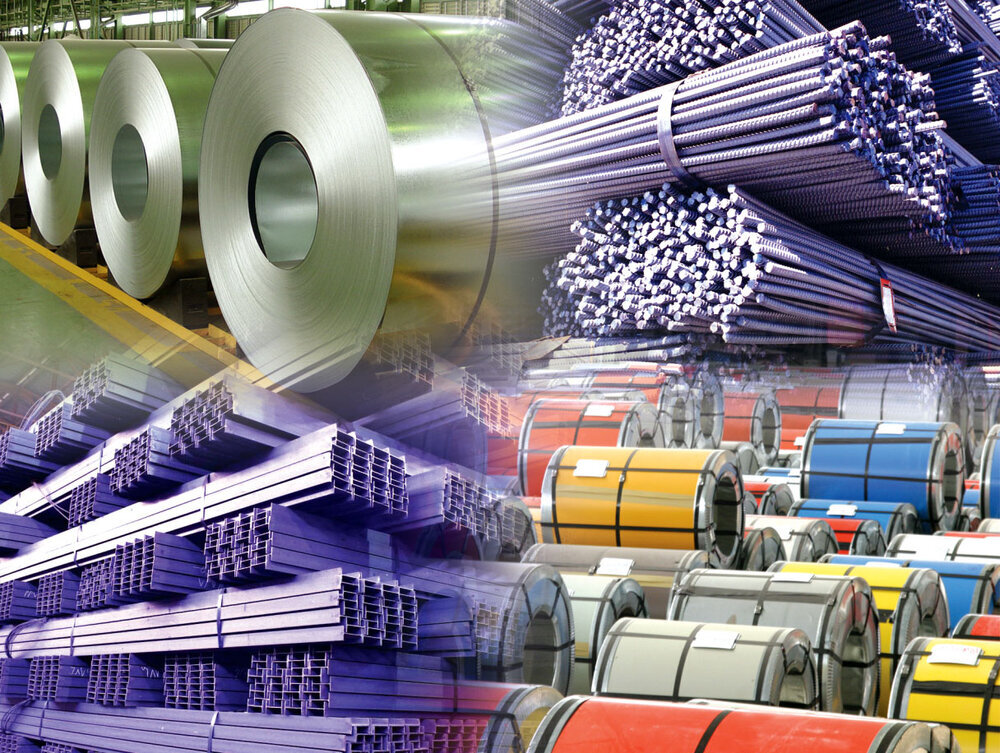
Steel sales by German distributors in June down 8% on month: BDS
Steel sales by German distributors in June were down 8% month on month to a six-month low 800,867 mt, which was 15% lower year on year, according to data released July 26 by steel stockholders’ association BDS
The fall, to 11% below January-May’s average of 902,000 mt, was attributed by the BDS the decline to economic uncertainty.
Flat rolled steel comprised 481,081 mt, or 60%, of the total distributed in June, down 6% from May and 9.6% lower year on year.
Sales of long rolled steel, at 252,903 mt, were down 10.5% and 22% on the month and on the year, respectively, representing 32% of overall tonnage.
There were no statistics on the share of the material sold by German steel distribution produced in the EU and abroad, according to a spokesperson.
The June sales meant steel distribution in Germany in the first half of 2022 declined 5.5% year on year to 5.31 million mt.
Germany, the largest steel producer in Europe, saw its crude steel production fall 7% year on year in June to 3.2 million mt, which was down 1.5% on the month, according to World Steel Association data. That was due to high energy costs denting demand and the auto sector still being impacted by the ongoing semiconductor chip shortage.
In H1, Germany produced 19.6 million of crude steel, down 5.55% year on year, according to worldsteel.
North European HRC was assessed by Platts unchanged day on day at Eur860/mt ($871/mt) ex-works Ruhr on July 25, S&P Global Commodity Insights data showed.
Prices for hot-rolled coil in Europe have been weakening since mid-March on low demand.
In June, German steel stocks fell 1.8% from the previous month to 2.2 million mt, although that was 15% higher year on year. Of the total stocks, 793,543 mt were long products and 1.37 million mt were flat products, the BDS said.
— Ekaterina Bouckley

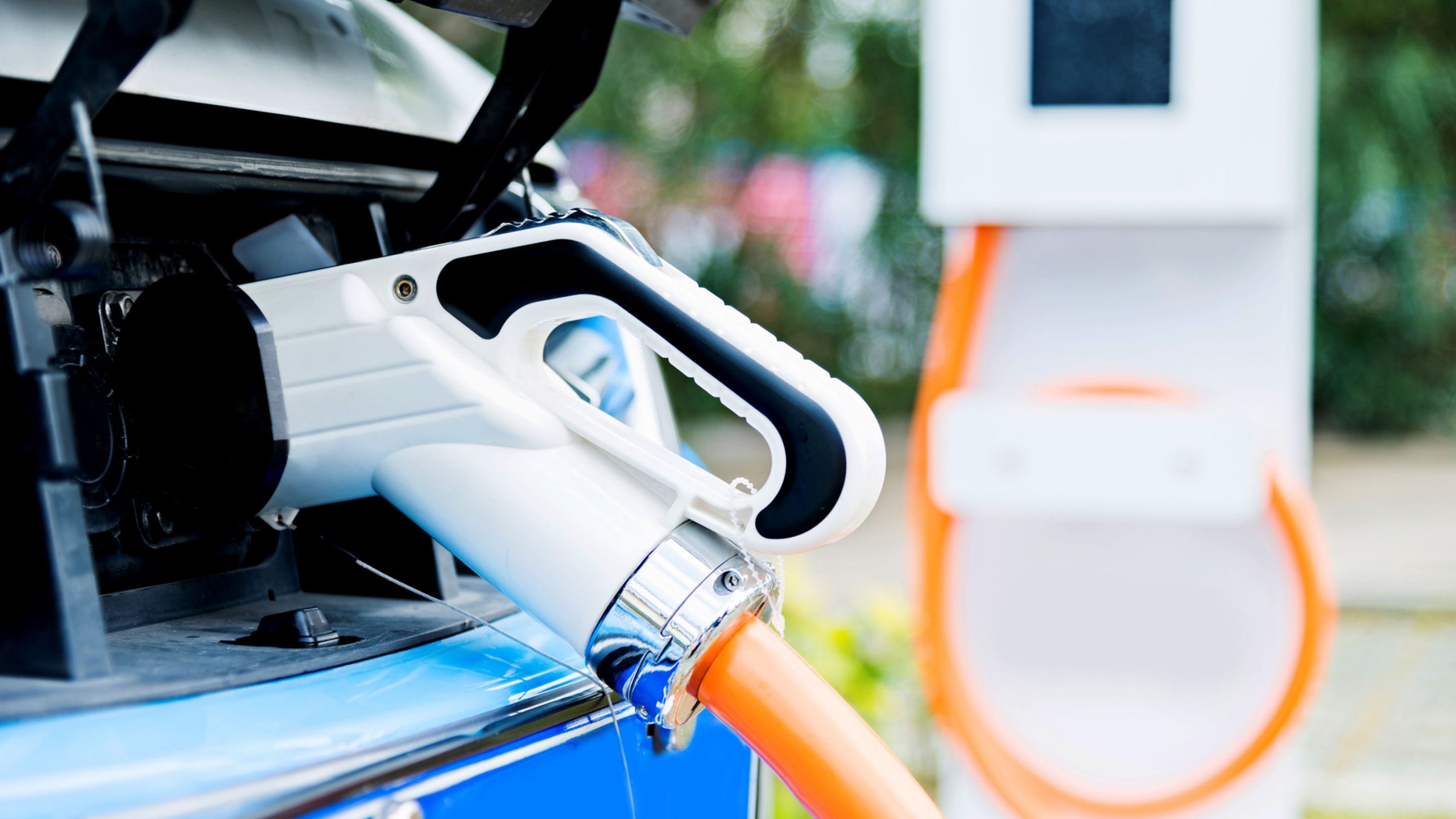
Cleveland-Cliffs reiterates EV future vision
Cleveland-Cliffs reiterates EV future vision Cleveland-Cliffs ceo Lourenco Goncalves emphasised the company’s position as a leader in the automotive sector on the company’s 22 July earnings call. As a top steel producer, the company will be integral in the supply chain of electrified vehicles, he says.
“I can see trends. The orders are starting to come more consistently. The unexpected shutdowns are gone. The announcements of new EVs from the likes of our clients, each one of them. You pick one, and we are there,” explains Goncalves.
Goncalves testified in a hearing before the US Steel Caucus this month. There, he expressed his support for the passage of the CHIPS bill, which would offer financial incentives for semiconductor manufacturing in the US. Semiconductor supply chains were disrupted by Covid-19, and delayed US manufacturing of electronic vehicles.
Cleveland-Cliffs earned $601 million on sales of $6.34 billion during Q2. This is a decrease from the company’s Q2 performance last year, when earnings totalled $795m on sales of $5.05 billion. Cleveland-Cliffs has been actively reducing its debt, Kallanish understands.
Kristen DiLandro USA


Spanish automotive industry keeps improving in June
Spain’s automotive sector saw production recover in June. Exports also moved up, supported by better market conditions, Kallanish notes.
“This growth is mainly due to the low level of production in June of the previous year, combined with a slight improvement in the supply of [input] materials that is allowing the factories to recover their production capacity and export levels,” Anfac observes.
Output in June was 232,407 units, an increase of 34.6% versus the same month last year. Six-month production however amounted to 1.13 million vehicles, down 5.8% over January-June last year.
Meanwhile, a recovery in sales in major markets boosted Spanish vehicle exports. These were 189,497 units in June, up 25.2% compared to the same month in 2021.
“The uncertainty in European markets due to the high inflation rates and the consequences of the war in Ukraine mean that figures similar to those prior to the pandemic have not been recorded, although moderate growth does seem to be in sight,” the association explains.
European markets represented 73% of Spanish deliveries in June, 22.2% higher on-year. From Spain’s ten main export destinations, Turkey and UK demand grew the most, by 46.3% and 37.7%, respectively. Spanish six-month exports fell by 7.7% over a year earlier to 955,363 vehicles, Anfac data show.
Todor Kirkov Bulgaria

Tubos Reunidos returns to profit, sees demand improvement
Spanish seamless tube supplier Tubos Reunidos (TR) saw most of its main indicators grow in the first half of this year compared to January-June 2021, Kallanish notes.
This was mainly due to an improvement in activity as a result of strong demand and the passing on of increased costs to sales prices, together with efficiency measures in its Strategic Plan, the company comments.
“The improvement seen in H1 2022 means that we can look to the rest of the year with moderate optimism,” TR says. “We have a large order book and the market is showing positive signs in terms of demand, but weathering the uncertainty and the challenges that it brings will undoubtedly remain the key focus.”
The preliminary anti-dumping measures announced by the US against a number of countries that are major exporters of OCTG to the upstream sector, such as Mexico, Argentina, Russia and South Korea, have led to price increases and shortages. Concern about potential difficulty procuring OCTG is benefiting TR’s sales, the company observes.
“In this scenario, the Group’s portfolio is mainly based on commodity products, albeit at prices significantly higher than usual due to the current rising costs as well as the upbeat signs from the demand point of view,” TR adds.
The company remains focused on selling OCTG green pipe for the upstream sector and pipe for the midstream and mechanical sectors, which is likely to be extended until the end of the year. It will pivot towards higher value-added and alloyed pipe in 2023, as downstream order intake recovers supported by the resumption of large power generation, as well as refining and petrochemical projects.
The group’s shipments reached 120,663 tonnes in H1, 64% more than in the previous six months. This volume was also 84% higher year-on-year.
TR sales revenue in H1 moved up by 113% versus July-December 2021 to €228.7 million ($233.8m) and by 99% y-o-y, with the North American market representing €104.9m.
The company posted Ebitda of €14.5m in H1, an improvement of €25.4m compared to a negative €10.9m in the same period of 2021.
Todor Kirkov Bulgaria
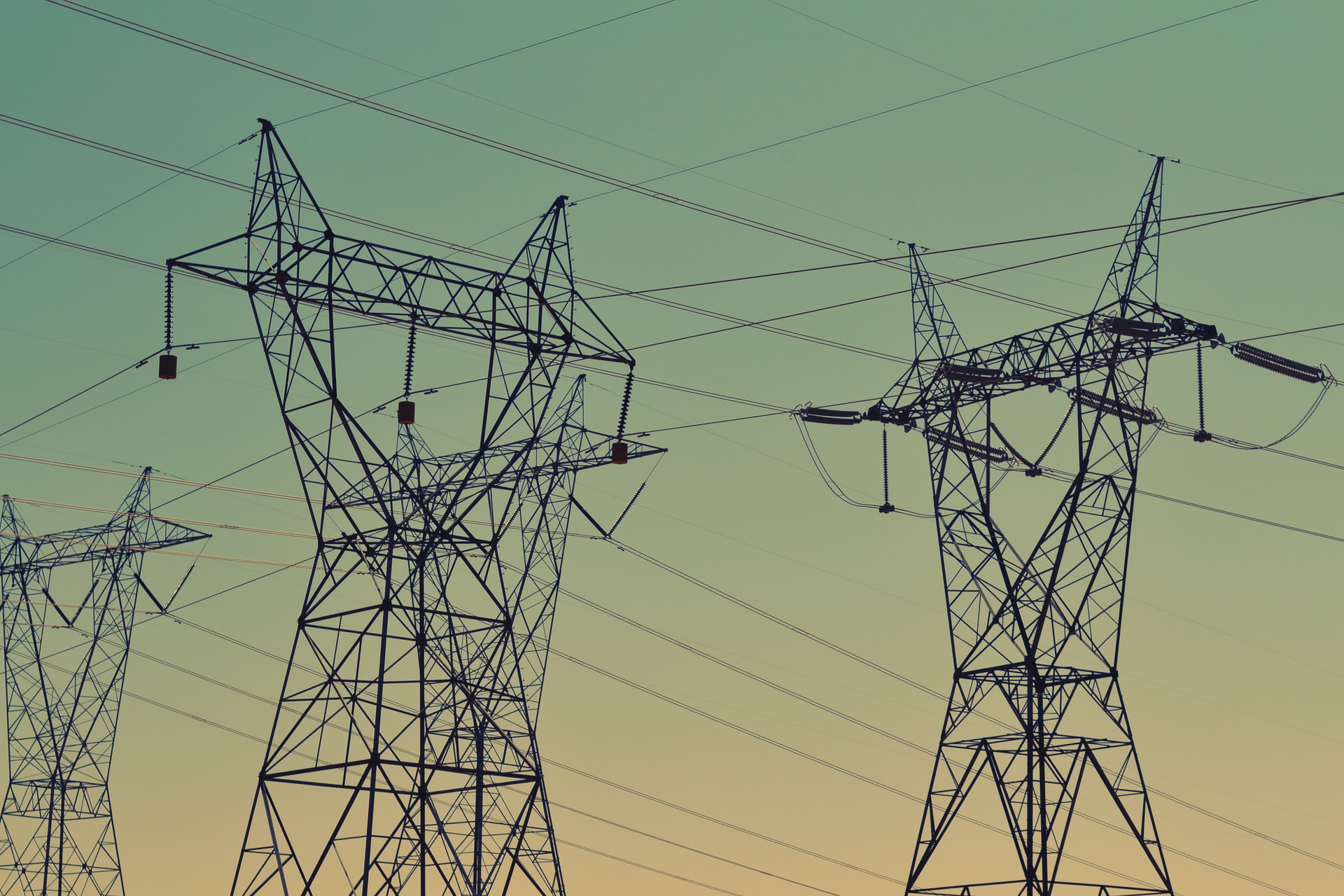
Fabricators question German gas-based power pricing system
Germany’s fabricators of steel and metal products are urgently calling for an amendment of the prevailing electricity pricing system, and for an upper cap on electricity prices, Kallanish notes.
Under the so-called “Order-Merit-Principle”, power prices are defined by the price of natural gas, which has undergone an enormous surge and will likely increase further in view of Russian gas supply cuts.
Most German electricity is generated by coal and renewables, at much lower costs than natural gas. Still, gas power plants remain a part of the national energy mix, and the principle states that the highest price on the market can be charged by all suppliers.
This is an outdated pricing model, which creates enormous windfall profits for non-gas power plants – and the price must be paid by consumers, says steel and metal fabricators association WSM.
The association has issued a statement on the matter on the eve of negotiations over existing supply contracts. According to WSM, the highest price from gas power plants in 2021 was €226 ($229) per megawatt hour, compared with €145 as the highest price of other energies.
WSM notes the European Commission favours an upper cap on prices, but the German government has not yet moved to implement this proposal. “It is in the hands of the government to decouple the power price from the gas price. What is it waiting for?” the association wonders. It calls on the government to make a move before the extension of the supply contracts is due.
Christian Koehl Germany

UK bans Russian coal imports
The UK government has banned coal imports from Russia, effective 10 August. A ban on Russian oil imports will come into effect from 31 December, Kallanish notes.
UK coking coal – HS code 27011210 – imports in 2021 were 1.998 million tonnes, of which 557,418t came from Russia. The US was top supplier with 796,151t, according to UK Trade Info data.
In January-April 2022, overall coking coal imports were 808,705t, with only 80,642t coming from Russia – all in January. The US was again the top supplier with 434,343t, but Sweden came second with 157,638t – Sweden did not figure at all in 2021 imports.
The ban will have little effect on the market as Tata Steel anyway cut business ties with Russia in April, while British Steel said in March it is not reliant on coking coal supply from Russia.
Adam Smith Poland