Borusan first-half performance skyrockets, sees pre-war prices return
Turkish pipemaker Borusan Mannesmann grew shipments and earnings significantly in the first half of 2022, Kallanish notes.
Revenue in the second quarter alone more than trebled on-year to TRY 4.88 billion ($272.2 million), while net profit soared 271% to TRY 276.65m.
Prices fell back below pre-Ukraine war levels by the end of Q2 due to the decline in Chinese iron ore demand and India’s supply of low-priced feedstock to the market, Borusan says. The problem of supplying steel feedstock stemming from the Russia-Ukraine crisis was largely resolved, with supplies coming instead from Asian markets.
In H1, Turkish pipe exports rose 17% on-year to 1.11 million tonnes, with increased supply to the US, Israel and Egypt worthy of particular attention, the firm observes.
Borusan’s prime-quality product sales in H1 rose 8% to 338,000t, with 66% exported.
The share in total prime products revenue of high value-added pipes, especially pressure, special and spiral pipes, was 67%, while high value-added drilling and well pipe sales, especially in the American market, took 32%.
Shipments of spiral welded pipes with high added value increased by 32% versus H1 2021, and the share of these in total premium product revenue was 8%, Borusan says without providing tonnages. Automotive industry pipe shipments rose 12%, with a 21% share in total premium product revenue.
The share of H1 shipments to the infrastructure and project segment was 4%, to construction and general industry 42% and to automotive 54%. The new product and service segment took 9%.
H1 revenue thus almost trebled to TRY 8.55 billion, while net profit surged 150% to TRY 385.3m.
Adam Smith Poland

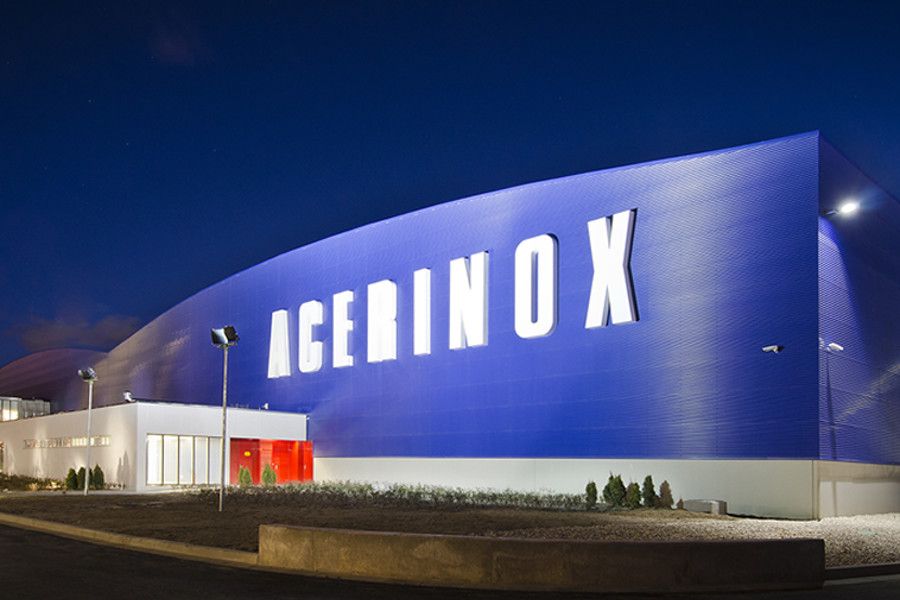
Acerinox registers record results in first half
Acerinox, the Spanish-headquartered stainless supplier, posted record results in the first half of 2022. This is despite ongoing uncertainty from the war in Ukraine, as well as cost inflation linked with energy and transportation prices, Kallanish notes.
The group remains concerned by the continuing uncertainties in the market. “The second half of the year will be marked by the conflict in Russia and Ukraine, and the many uncertainties arising from it. The factor which causes greatest concern at the moment is energy, not only because of high prices in Spain, but also because of uncertainties about future regular supply in Germany,” Acerinox explains.
Acerinox chief executive Bernardo Velazquez says the regionalisation in the market will continue and, to some extent, offset economic slowdown. “We believe that this new decade that we are starting in such a turbulent way will allow us to value the geographical diversification of the Acerinox Group and all the progress we are making, which will boost Acerinox’s results,” Velazquez observes.
Acerinox’s melting shop production decreased 4% year-on-year in H1 to 1.2 million tonnes. Revenue jumped 57% y-o-y during the same period to €4.8 billion and Ebitda increased some 150% to €945 million.
Emanuele Norsa Italy
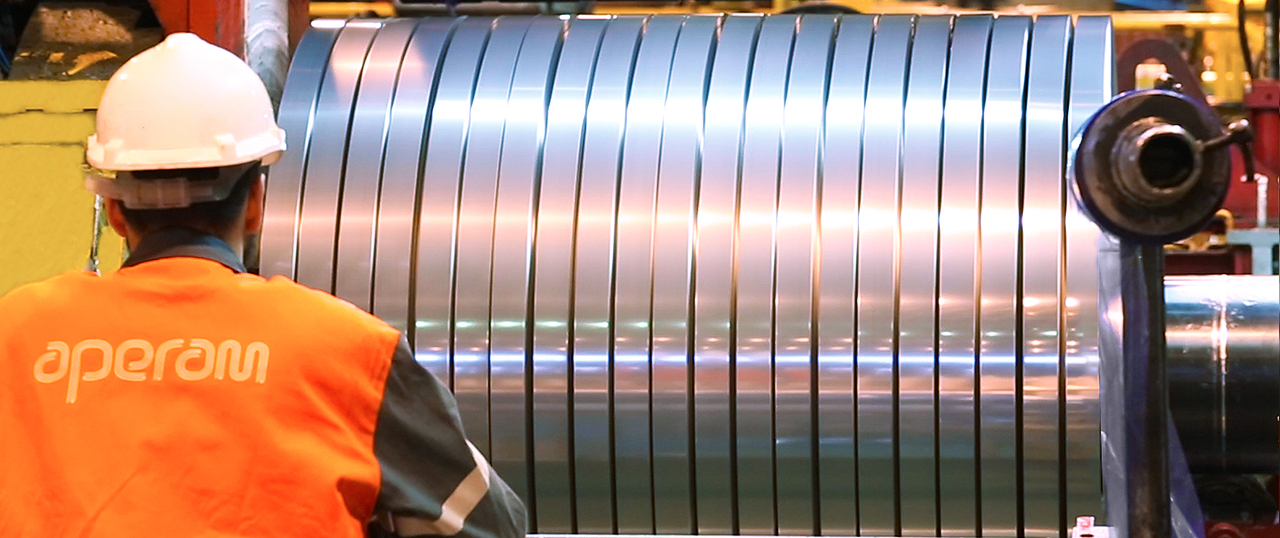
Aperam posts record results again
French stainless steelmaker Aperam expects the market to remain challenging in the months to come and forecasts a lower Ebitda compared to the good results achieved in the first half of the year.
“We achieved the sixth consecutive set of record results despite an increasingly challenging market environment. While Brazil is stable at a high level, adverse market conditions have increased in Europe,” chief executive Timoteo Di Maulo says in the company’s first-half-of-2022 financial report monitored by Kallanish.
Aperam’s shipments increased in H1 to 1.31 million tonnes from 974,000t in the same period last year. The company achieved €4.7 billion ($4.8 billion) in sales, up from €2.4 billion in H1 2021. Ebitda stood at €712 million, also a notable increase from the level of €446m in H1 2021. The Stainless & Electrical Steel segment had sales of €3.1 billion, from €2 billion achieved in H1 last year.
The European stainless steel coils and derivatives market is going through a standstill, with low orders and falling hot rolled and cold rolled coils prices. CRC prices are now approaching the level of €3,200-3,400/tonne delivered on average in Europe, depending on country. This is down from the peaks of €5,400/t for CRC seen in May. Some coil producers in Europe are implementing early stoppages to balance demand and supply (see Kallanish passim).
Natalia Capra France

Voestalpine joins Science Based Targets initiative
In addition to direct greenhouse gas emissions from production (Scope 1), voestalpine is now also setting itself ambitious goals to reduce Scope 2 (energy-related) emissions and Scope 3 (raw materials, transport) emissions.
These target reductions will be scientifically evaluated within the framework of the independent Science Based Targets initiative (SBTi) to ensure their compatibility with the Paris Agreement, and validated correspondingly, Kallanish learns from the group. “We have decided to subject ourselves to examination by the Science Based Targets initiative, the greatest possible levels of transparency and comparability of our climate action measures,” says chief executive Herbert Eibensteiner.
The objectives apply not only to the steel-producing sites in Linz and Donawitz, but also the entire group. Taking 2019 as its reference, the company plans a 30% reduction in Scope 1 and 2 emissions and a 25% reduction in Scope 3 emissions by 2029.
The Science Based Targets initiative is a partnership between the Climate Disclosure Project (CDP), UN Global Compact, World Resources Institute, and World Wildlife Fund for Nature (WWF). It helps companies align their business activities with the Paris Climate Goals, and provides scientific proof of this achievement. Globally, around 3,000 companies from a wide range of sectors including the steel industry are involved in the SBTi.
Christian Koehl Germany

Acciaierie Venete partners with Enel X to decarbonise
Italian long producer Acciaierie Venete has started a collaboration with energy firm Enel X to decarbonise its steelmaking process.
The company produces an average of 0,238 tonnes of CO2 per tonne of steel at its production sites in northern Italy. The collaboration with Enel involves setting up a roadmap and identifying the technological solutions to significantly reduce emissions levels.
The steelmaker intends to increase its use of renewable energy and sustainable materials, improve the plants’ energy efficiency and optimise the steelmaking process.
Acciaierie Venete is an electric arc furnace-based producer of billet, merchant bar and round bar with a total capacity of 1.8 million tonnes/year. It has production and re-rolling facilities in Sarezzo, Dolcè, Mura, and Bujia near Udine, and two stockists, in Modena and Switzerland. The company employs 1,400 workers, Kallanish notes.
Natalia Capra France
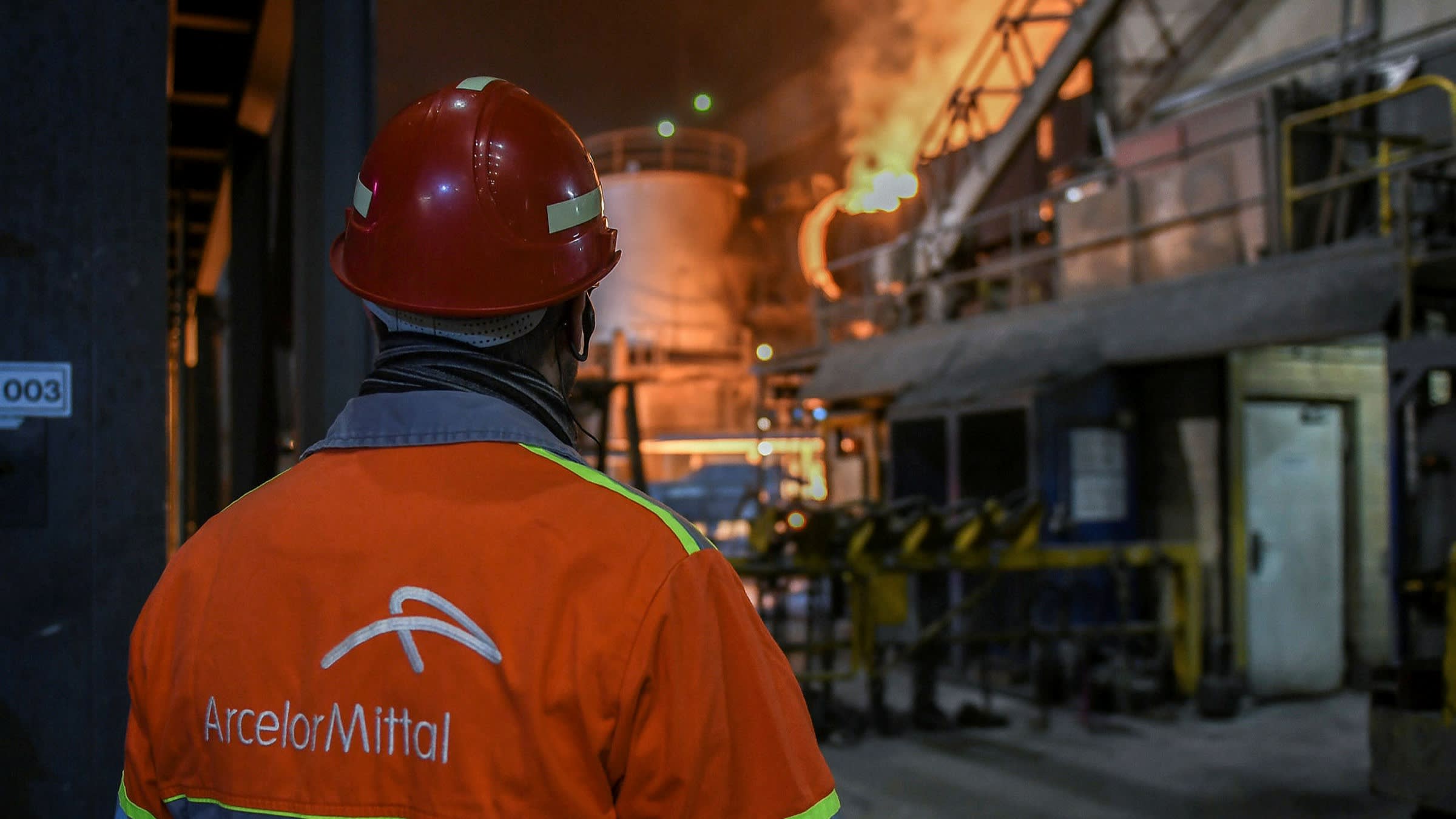
ArcelorMittal cuts output at another German plant
ArcelorMittal implemented shortened working hours at its integrated mill in Eisenhüttenstadt, Germany, as of Monday August 1 amid slow demand, the steelmaker said.
ArcelorMittal Eisenhüttenstadt is applying short-time working hours at its flat steel rolling lines in August and September to adjust production for weak demand, the company said on Friday July 29.
“We are currently seeing a sharp drop in demand for rolled products, which is why we can no longer fully utilize our facilities in the rolling mills and have to resort to short-time work here and in some cross-sectional areas,” labor director Michael Bach said in a release seen by Fastmarkets. “However, our crude steel production continues at normal rates as the demand for slabs is not restricted. We will carefully monitor further developments and react to new developments if necessary.”
Eisenhüttenstadt steelworks has a capacity to produce 2.1 million tonnes of pig iron per year and 2.4 million tonnes of crude steel per year, according to Fastmarkets’ information. The plant is mainly focused on flat steel production: hot-rolled, cold-rolled and hot-dip galvanized coils.
In 2021, ArcelorMittal Eisenhüttenstadt produced 1.6 million tons of flat steel, the company said.
ArcelorMittal has already implemented short working hours at another flat steelmaking facility in Bremen, Germany, starting in July. ArcelorMittal also idled one blast furnace (BF) in France last month, Fastmarkets reported previously.
Slow demand for flat steel has persisted in European markets since April, with prices on a continuous downtrend until recently.
Despite this, European steelmakers have only recently started to adjust their output.
Notably, Serbia’s sole flat steel producer, Hebei Iron and Steel Serbia, stopped one of its two blast furnaces in July.
Slovakia-based flat steelmaker US Steel Kosice reportedly stopped one of its three BFs in June, although a spokesperson for the company denied the stoppage when contacted by Fastmarkets.
And last week, Liberty Ostrava in the Czech Republic idled one BF for planned maintenance.
Italian steel producers have followed suit.
Arvedi stopped operations at its steelmaking facility in Cremona completely for five weeks from late July, while Acciaierie d’Italia, another major local steelmaker, has stopped one BF in Taranto from July until end-August, several sources told Fastmarkets.
Moreover, several market sources have told Fastmarkets that Acciaierie d’Italia will stop one more BF in August in the face of slow demand and high production costs.
Published by: Julia Bolotova

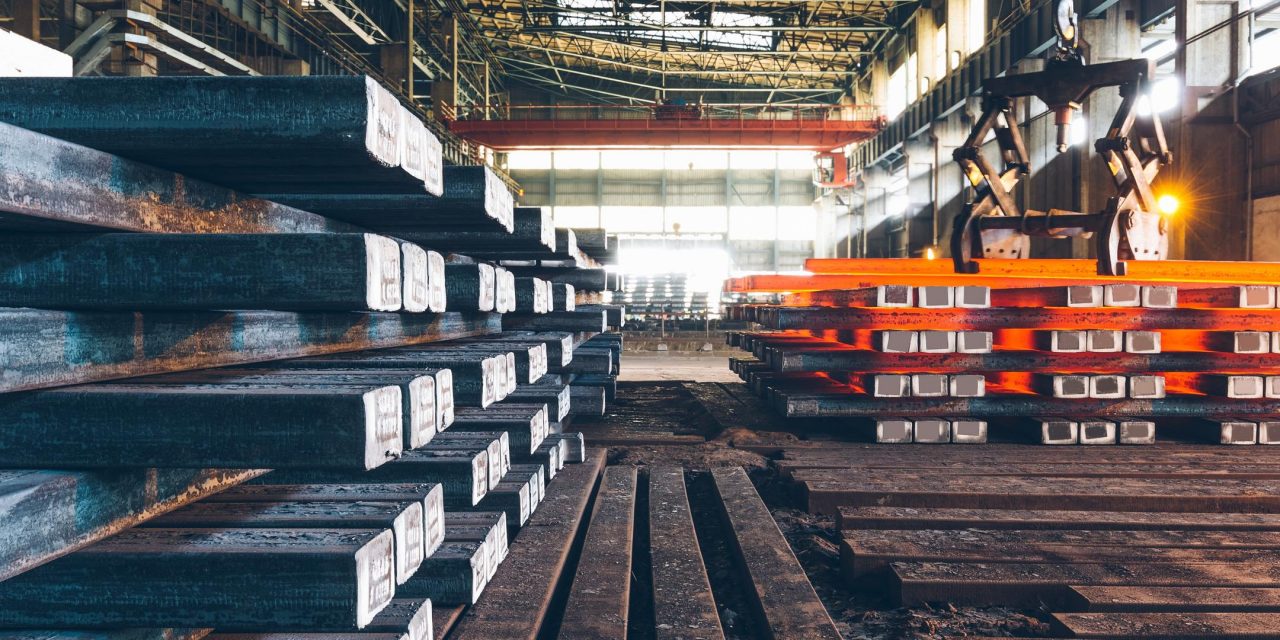
Turkey’s Akcelik starts building new steel service center
Large Turkish alloy and bright steel bar producer Akcelik has started construction of its new service center in Dilovasi, Kocaeli, to meet rising steel demand, the company said July 31.
The center will have a steel processing capacity of 40,000 mt/year, the company said, adding that it would be powered by a new solar power plant.
Akcelik also plans to double the capacity of 58%-owned Romanian chrome-plated steel bars and tubes producer Tristar Steel within five years with new investments, it said.
Tristar produces hard chrome-plated steel bars and linear shafts with diameters in the range of 6-40 mm.
Akcelik also has 90,000 mt/year of bright bar production capacity at its peeling, cold-drawing and grinding lines in Turkey.
Steel prices in Turkey rose significantly in mid-March following Russia’s invasion of Ukraine, but have declined since mid-April with Turkish mills’ rebar export price falling as low as $615/mt FOB July 29, according to data from S&P Global Commodity Insights.
— Cenk Can


Demand impressions differ in northwest European coil market
Order activity from plate buyers in northwestern Europe is extremely low and will not pick up notably as long as the summer holidays last, sources observe.
“People are buying only the most necessary material,” says the managing director of a German company that both distributes and processes plate. “They will wait and see until September presumably, and remain on stand-by for prices coming down further.”
In fact, prices already slid very recently, with market sources now reporting offers of €1,100/tonne ($1,130) and even lower for S355 grade, at least for plate cut from coil. For reversing mill plate, opinions differ, but some claim prices there have arrived in that range too.
According to the manager, his company’s distribution activity is low, but the processing department has lots of orders to work on, as do other processors. “I do not believe we have a real low of demand,” he tells Kallanish.
The slowdown that came with Russia’s attack on Ukraine mostly hit projects by private investors, of which many were suspended. Against that, public infrastructure projects cannot be postponed that easily, another manager cautions. “50% of Germany’s bridges need to be renewed, half of those pretty soon, the other half in a matter of 4-5 years,” he notes. He adds that not many mills are licensed by the standards set by Deutsche Bahn for that purpose.
Another observer, however, points out that public investment is not completely unharmed by the turmoil seen this year. After all, construction companies contracted by the government need to work profitably as well, and authorities are slow with reacting when circumstances change drastically.
“When a bridgebuilder planned a budget last autumn on the basis of then €1,100/t for plate, it came to a grinding halt when peaks shot over €2,100 in April,” he says. Authorities have not released more money yet, “although it ought to be clear to everyone: when everybody talks about war, the conditions of last autumn cannot apply anymore”, he adds.
Quite possibly, the intermediate irritation has been overcome now that plate prices are returning to the mark of last autumn.
Christian Koehl Germany

Kaltenbach.Solutions starts certification process according to IS0 27001
Kaltenbach.Solutions GmbH develops digital solutions for the manufacturing industry and manufacturers of machinery and equipment. Internally, the company uses digitization as a tool that quickly solves problems, makes processes efficient and sustainably improves workflows. In order to be able to guarantee maximum security for information and data worthy of protection within the company, certification in accordance with the internationally recognized ISO 27001 standard is now being sought. The experts at the Freiburg “Datenschutzklinik” are supporting the implementation of the ISMS project.
Certification to the ISO 27001 standard enables companies to objectively demonstrate the effectiveness of their information security management system and build trust. The globally recognized standard defines the requirements that are placed on the introduction, implementation, documentation and continuous optimization of an ISMS. In Germany, it is primarily IT service providers and energy suppliers that have realized certification in accordance with ISO 27001; other industries and public authorities have not yet been required to introduce an ISMS.
Kaltenbach.Solutions has set itself the goal of protecting its most important corporate assets through the audited system. The concrete measures guarantee professional handling of sensitive information such as development, project and customer data and minimize the risk of damage or loss. In cooperation with Sebastian Koye, the managing director of the “data protection clinic” in Freiburg im Breisgau, Germany, rules and procedures are defined to manage, control and continuously improve information security. Certification in accordance with the ISO 27001 standard is to be achieved by the end of 2023.