

High-use industries demand EU tackle energy prices urgently to maintain competitiveness
Representatives of energy-intensive industries in the EU were facing trade circumstances that were worsening day by day and that required immediate and efficient protective measures, they said in a joint statement published on Thursday September 29.
The statement came ahead of a meeting of EU energy ministers scheduled for September 30 to consider proposals for emergency intervention to tackle high energy prices.
The joint statement was published on behalf of steel industry association Eurofer, metals industry association Eurometaux, metals and minerals mining industry association Euromines, ferro-alloy producers’ association Euroalliages, and other associations representing industries including paper, cement and fertilizers.
“With the current gas price reaching about €200 [$192] per MWh, the situation is unbearable for energy-intensive producers,” the joint statement said.
“The effects of the volatility and extremely high levels of gas and electricity prices cannot be sustained,” it added. “The consequences are already being felt in industry, with shutdowns of plants and reduced production in many sectors, with the consequence of job losses. The competitiveness of European companies is threatened.”
Measures designed to disconnect electricity prices from gas prices must be introduced urgently, the statement said, because natural gas prices were reducing the competitiveness of EU companies.
The group also requested that the State Aid Temporary Crisis Framework – adopted on March 23, 2022, to support the economy in the context of Russia’s invasion of Ukraine – should be prolonged and reviewed to allow fast approvals of such aid.
“For example, requirements such as [demonstrating a] negative [figure for] earnings before interest, taxes, depreciation and amortization [Ebitda] must be removed, because it means the aid would arrive too late,” the industries said.
The EU proposals for emergency measures on energy prices under negotiation would include a windfall levy on fossil-fuel companies, a revenue cap on “inframarginal” technologies such as renewable and nuclear energy producers, and a temporary mandatory 5% reduction in energy consumption at peak times to reduce overall energy consumption by at least 10%.
Published by: Elina Virchenko

Prices slump in ‘absolutely unhealthy’ European steel sections market
Steel hollow sections prices across Europe declined in the week to Wednesday September 28, amid concerns that weak end-user demand caused by energy uncertainty could potentially lead to further price cuts in the coming weeks, Fastmarkets understands.
Fastmarkets’ weekly price assessment for steel sections (medium) domestic, delivered Northern Europe was €1,020-1,050 ($981-1,010) per tonne on Wednesday, down by €30-150 per tonne from €1,050-1,200 per tonne on September 22.
“The more the energy situation remains unclear, the more that demand in the market will slow down and there will be less and less every week,” a producer source in Southern Europe told Fastmarkets.
European Union energy ministers are scheduled to meet on September 30, to discuss and vote on emergency intervention proposals to tackle the rising energy prices being driven by Russia’s unprovoked invasion of Ukraine.
The proposals include a windfall levy on fossil-fuel companies, a revenue cap on “inframarginal” technologies such as renewables and nuclear energy and a temporary, mandatory, 5% reduction in energy consumption at peak times to reduce overall energy consumption by at least 10%.
Some traders questioned if the EU measures will be approved, with any taxation policy likely to require a unanimous vote of approval.
Soaring energy costs have led to weak construction consumption and steel production output cuts and, if demand continues to be weak, sources told Fastmarkets, prices will drop further, on a weekly basis.
“If the EU comes to a clear solution, then trust will probably come back in the economies in each [member state] and demand will pick up,” a trader in the Netherlands said.
But market participants were unsure whether the measures, if approved, would have much impact on the steel industry at all, with some traders of the view that EU decisions on the energy crisis have not been made quick enough to support mills through the winter.
Similar criticisms were leveled at the EU by European steel industry association Eurofer, which said the emergency measures did not have targets high enough, nor timeframes quick enough, to bring down energy prices or maintain the European steel industry’s competitiveness in global markets.
“I don’t think there will be a big change at all, whatever the EU decides,” a distributor source in Germany said.
The source told Fastmarkets that minimal trade and low demand over recent months had led to an “absolutely unhealthy situation” in the steel sections market.
The Dutch trader said that while no market activity had taken place over the past week, there hat been an increase in inquiries.
“The prices [mainly reflect the] new production levels. That, of course, shows us there is enough material in stock that needs to be sold. That’s why several companies are [flooding] the market with very cheap prices,” the source said.
The trader added that it was unclear if mills will continue to reduce their offer prices amid rising input costs, but producers were likely to push for price reductions to encourage sales and avoid complete production shutdowns.
Last month Italy’s Ministry of Economic Development approved an “Aiuti Ter” decree, which is designed to alleviate energy cost pressure on businesses.
According to the decree, companies from energy-intensive industries – including the steel sector – will receive up to a 40% tax discount at the end of the current year, based on their actual energy consumption.
Sources said they expect the decree to be applied in mid-October.
Fastmarkets’ weekly price assessment for steel sections (medium) domestic, delivered Southern Europe was €970-1,050 per tonne on Wednesday, down by €80-150 per tonne from €1,050-1,200 per tonne.
Prices for hot-rolled coil feedstock dipped in the week amid overstocking and weak demand.
Fastmarkets’ daily calculation of its steel hot-rolled coil index domestic, exw Northern Europe was €762.50 per tonne on Wednesday, down by €5 per tonne from €767.50 per tonne a week earlier.
Market participants said they believed sections producers will need to restock before the end of October.
“For the moment, we still have the raw materials, so we are not purchasing,” the producer source in Southern Europe told Fastmarkets. “I think more or less all sections producers are in the same situation.”
Published by: Holly Chant

Ukraine produces at 15% capacity: Ukrmetallurgprom
Six steel enterprises are currently operating in Ukraine, with average capacity utilisation of about 15% of the pre-war level, says national steel association Ukrmetallurgprom president Oleksandr Kalenkov.
“The situation at mining enterprises looks a little better, as they are 25% loaded on average,” he writes in a column for Business Censor. “However, work has been suspended at the Inguletskyi, Yuzhnoye, and also at ArcelorMittal Kryvyi Rih miner enterprises.”
Ukrmetallurgrpom did not reply to Kallanish’s request for comment before deadline.
According to Kalenkov, this situation is a direct consequence of Russia’s military aggression against Ukraine, due to which the industry lost the capacity of two Mariupol plants, which were responsible for 40% of production. Access was also lost to sea ports, which facilitated a significant portion of exports.
As a result, in the eight months through August, steel production in Ukraine fell to 5.2 million tonnes, while in 2021 it was almost 13mt during the same period.
“Taking into account the current level, by the end of 2022 we can produce 6.5-7mt of steel products compared to more than 21mt last year, and it will be a good result under the current conditions,” Kalenkov notes.
Kalenkov considers logistics problems to be one of the main factors that continue to significantly limit steel production in Ukraine. Due to the loss of access to the Black Sea, steelmakers are forced to export products, up to 80% of which were previously sold on foreign markets, by rail across western borders.
However, this increases logistics costs by 2-3 times. In addition, railway connections with European countries cannot provide the necessary export rates for Ukraine. “Cars have been waiting for tens of days for their turn to cross the border,” Kalenkov observes.
The production costs of Ukrainian enterprises are growing against the background of lower prices for steel products on world markets. Steel prices have fallen by 30% and iron ore by 35% over the past few months.
“For a clearer understanding, the current revenues of metallurgical plants cover only about 70% of variable costs, and there are also fixed ones, including salaries, which enterprises continue to pay to their employees despite the low workload,” he observes. “The most effective in this situation would be the restoration of seaborne exports.”
Ukrmetalurgprom has also highlighted the importance of reducing tariffs for transportation within the country.
Svetoslav Abrossimov Bulgaria

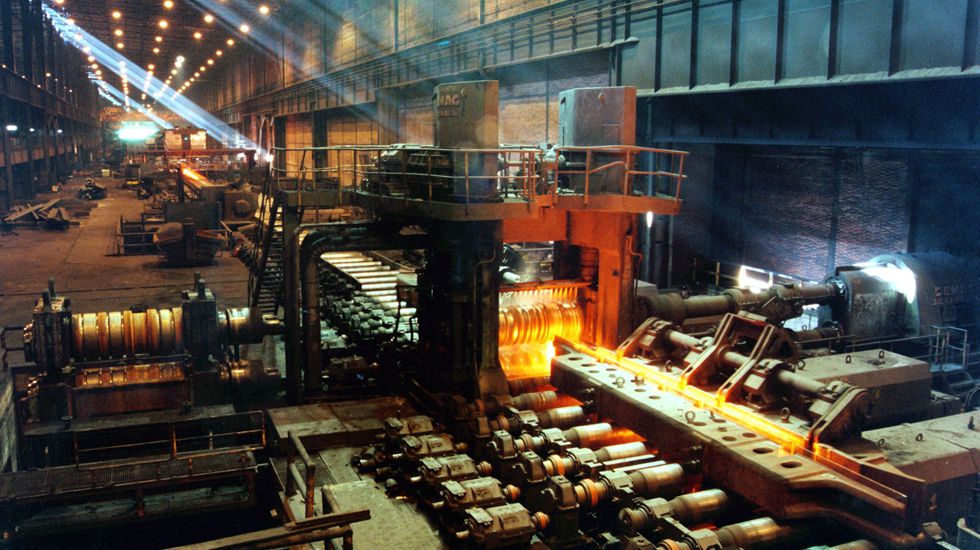
ArcelorMittal Spain idles blast furnace amid furlough negotiations
ArcelorMittal says it has initiated the shutdown of blast furnace A at its Gijón mill in northern Spain. The move was initially announced at the beginning of September.
The process begun on Tuesday night with the reduction of the furnace load and the consequent salamander tapping, Kallanish notes. According to the steelmaker, the temporary stoppage has been prompted by the uncertain economic scenario and poor market conditions.
“The stoppage, in principle, is for a minimum period of three months,” explains ArcelorMittal. “We hope that BF A can resume operations as soon as possible, although we will have to wait and see how the market situation evolves.”
The stoppage will mean ArcelorMittal also has to reduce activity at its other Spanish sites, most notably at the Avilés hot strip mill and cold rolling line.
In late August, ArcelorMittal announced it was delaying the restart of operations at its Acería Compacta de Bizkaia (ACB) plant in Sestao and had no visibility of when it will be able to recommence regular activity (see Kallanish passim).
Meanwhile, the company has resumed negotiations with unions to apply a temporary employment regulation scheme (ERTE) until the end of 2023, in the face of weakening demand and soaring energy prices. This will affect 8,300 employees at ArcelorMittal’s 11 Spanish mills.
Workers’ organisations are not willing to accept worse working conditions compared to the previous ERTE, requesting the company to guarantee almost 94% of their gross salary. According to unions, ArcelorMittal’s initial proposal was for 75%.
Todor Kirkov Bulgaria
Exit of fabricators threatens to drain Germany industry
The current environment of economic insecurity and extreme energy prices is threatening the survival of many automotive suppliers and other types of steel fabricators, warned speakers at this week’s MBI Stahl Tag conference in Frankfurt.
Heinz-Jürgen Büchner of Deutsche Industriebank IKB cited the example of Kostal, a supplier of electronics in cars, which recently announced it will move all three production sites to locations east of Germany. Similarly, Daimler Truck plans to move its production in Mannheim to the Czech Republic. “I wonder if this is only the start of a wave,” Kallanish heard him say in his presentation. “And what will smaller ones [suppliers] do who cannot just go elsewhere?”
One way out, especially for small companies with only one traditional location, is consolidation, meaning acquisition by another player, if the opportunity arises. “There will be a massive wave of that in the next five years,” Büchner forecasted.
The industrial value chain in Germany, especially in automotive, involves many small-and medium companies that are “hidden champions” in their fields, and invaluable to the functioning of the chain.
On the sidelines of the conference, participants noted that especially smaller family-owned companies without a successor are facing an uncertain future and might just close. But if their business is lost for the connected industries, the heavyweights will feel the blow, too.
“When you take an element out of a functional structure, the whole thing can fall apart,” Büchner warned. “We need a joint initiative to retain Europe as an industrial landscape.”
Christian Koehl Germany
EU hot-rolled coil buyers avoid booking on lack of clear outlook
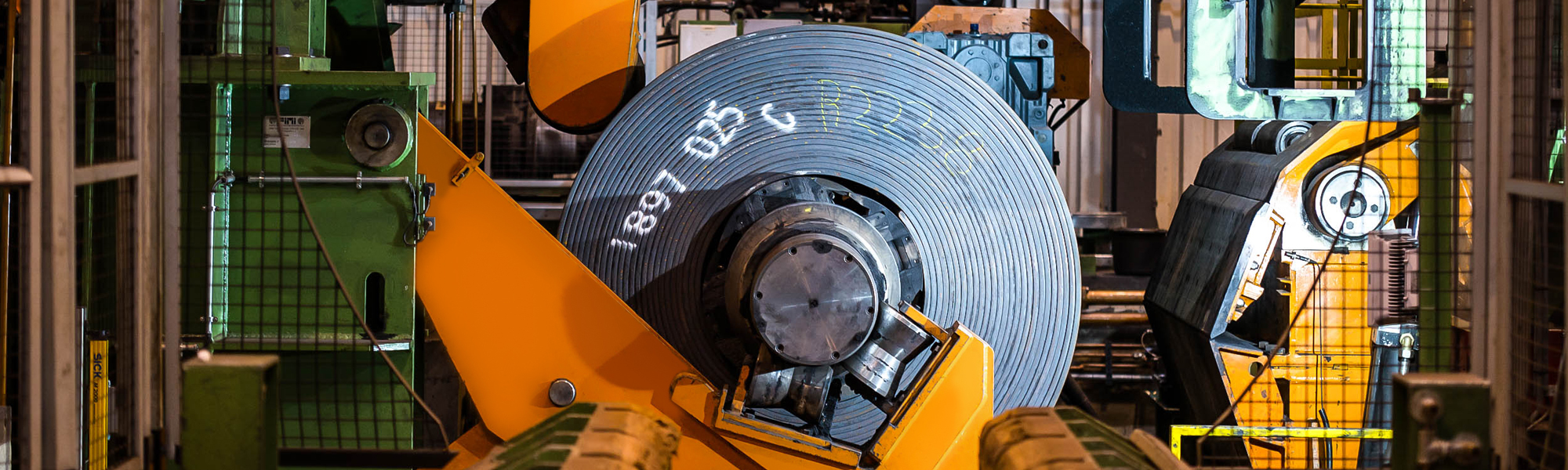
Trading activity in the European hot-rolled coil market remained slow on Sept. 29, as buyers have been holding back from making new deals.
A lack of clear outlook on demand, exchange rate and costs made buyers cautious to take any additional volumes.
In addition, distributors have high stocks of the material that had been booked at high prices in the first half of the year and they have been struggling with destocking amid low demand from end consumers, such as automotive and white goods industries.
“Distributors still have enough material to wait, I do not think that we will see any new deals for substantial tonnages this year,” an Italian trader said.
Two sources said that some service centers in both Germany and Italy have decided to stop operations during the winter due to surging energy prices.
Steelmakers, in the meantime, have been reluctant to give discounts due to high production costs and in hope that implemented production cuts will bring supply and demand in balance.
Some market participants, however, believed that the mills will have to cut prices soon, as they need to fill order books to keep mills running.
Platts assessed hot-rolled coil in Northwest Europe at Eur735/mt ex-works Ruhr Sept. 29, unchanged on the day.
Two steelmakers reported tradable value at Eur750/mt ex-works Ruhr. A German service center also estimated achievable prices at Eur750/mt ex-works Ruhr and reported official offers at Eur800-850/mt ex-works Ruhr. Additionally, a Northern European service center said that tradable value was slightly lower at Eur740-750/mt ex-works Ruhr.
A trader estimated tradable value at Eur720/mt ex-works Ruhr and said that German mills have been offering HRC at Eur750/mt ex-works Ruhr. Another trader reported tradable value at Eur720-740/mt ex-works Ruhr.
Platts assessed hot-rolled coil in southern Europe down Eur10 on the day at Eur740/mt ex-works Italy Sept. 29.
The assessment was based on tradable value estimated by market participants at Eur730-750/mt ex-works Italy, while offers have been reported at Eur750-770/mt ex-works Italy.
Some overseas suppliers have decreased offers for their HRC in Southern Europe. Offers of the material from India have been heard at Eur680-695/mt CIF Italy. Offers from other Asian mills have been reposted at Eur700-710/me CIF Italy.
Platts is part of S&P Global Commodity Insights.
— Maria Tanatar

ArcelorMittal moves ahead with temporary blast furnace shutdowns in Europe
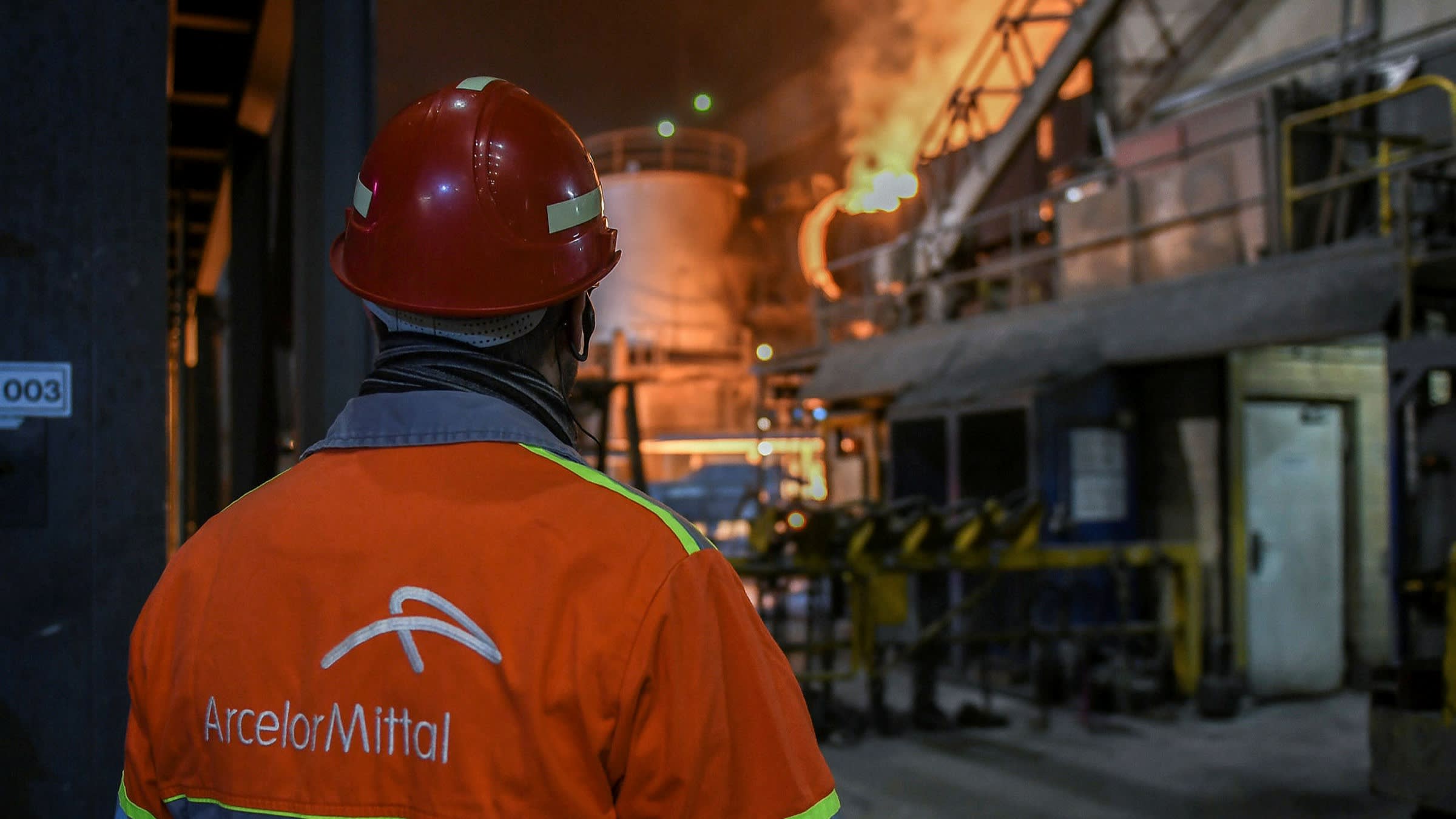
Europe largest steelmaker, ArcelorMittal, has confirmed to S&P Global Commodity Insights Sept. 29 that it has gone ahead with its plan to temporarily shut down some of its blast furnaces in France, Poland, Spain and Germany as announced in September, due to the challenging European steel market.
On Sept. 29, ArcelorMittal idled Blast Furnace A at its 4.5 million mt/year Gijon, Spain, plant. It announced the closure Sept. 1, citing strong competition from imports and weak demand.
The move follows the steelmaker delaying the restart of its 2 million mt/year electric-arc furnace at Sestao, Spain, after concluding maintenance in August.
ArcelorMittal told S&P Global Sept. 29 it had not put restart dates on any of the assets, as the restart “will be dictated by market conditions.”
The company’s No. 3 blast furnace in Poland will also be idled sometime in the first week to 10 days of October, it said.
It had previously announced the temporary suspension of operations at the BF, which has a total capacity of 2.2 million mt of crude steel, from the end of September,
It permanently shut the blast furnace at its Krakow mill in 2020.
In France, ArcelorMittal has stopped production at its BF3 since Sept. 19, with relining started and due to last six to seven weeks, the company said.
At the beginning of September, ArcelorMittal also said it would shut down one of two blast furnaces at its Bremen flat steel plant in Germany at the end of September. The two BFs at Bremen have a combined capacity of 3.8 million mt/year.
ArcelorMittal will also close the 600,000 mt/year direct reduction plant at its Hamburg long steel plant in Q3 2022. ArcelorMittal had not answered S&P Global’s request for timelines regarding the Bremen closures by the time of publication.
European steelmakers are suffering due to low demand and high energy costs and are looking at the outcome of the European Commission’s Extraordinary Energy Council Sept. 30 meeting with apprehension.
Eurofer, the association of European steel producers, has called for the temporary crisis framework “to be prolonged and reviewed to adapt to the current circumstances.” According to the association “it must be more flexible and allow for fast approval of the state aid.”
Trading activity in the European hot-rolled coil market was weak Sept. 28 as buyers were cautious about booking volumes in an uncertain market. As a result, prices have stabilized, with only a few deals made for minor tonnages of material with higher added value. Deals for commodity grades coil remain even more scarce.
Platts assessed hot-rolled coil in Northwest Europe at Eur735/mt ex-works Ruhr Sept. 28, unchanged on the day.
— Annalisa Villa
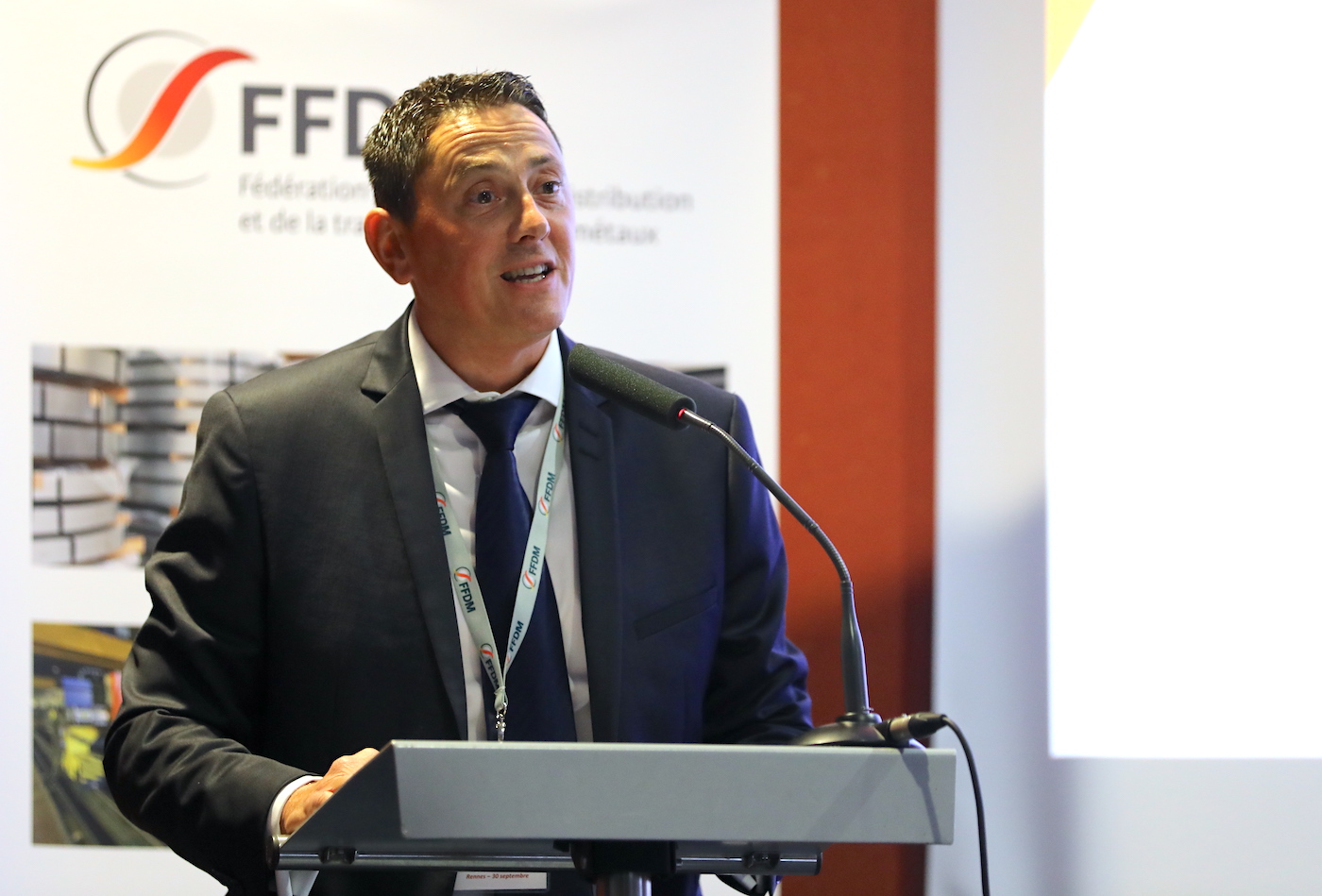
The 15th convention of the French federation FFDM took place in Rennes
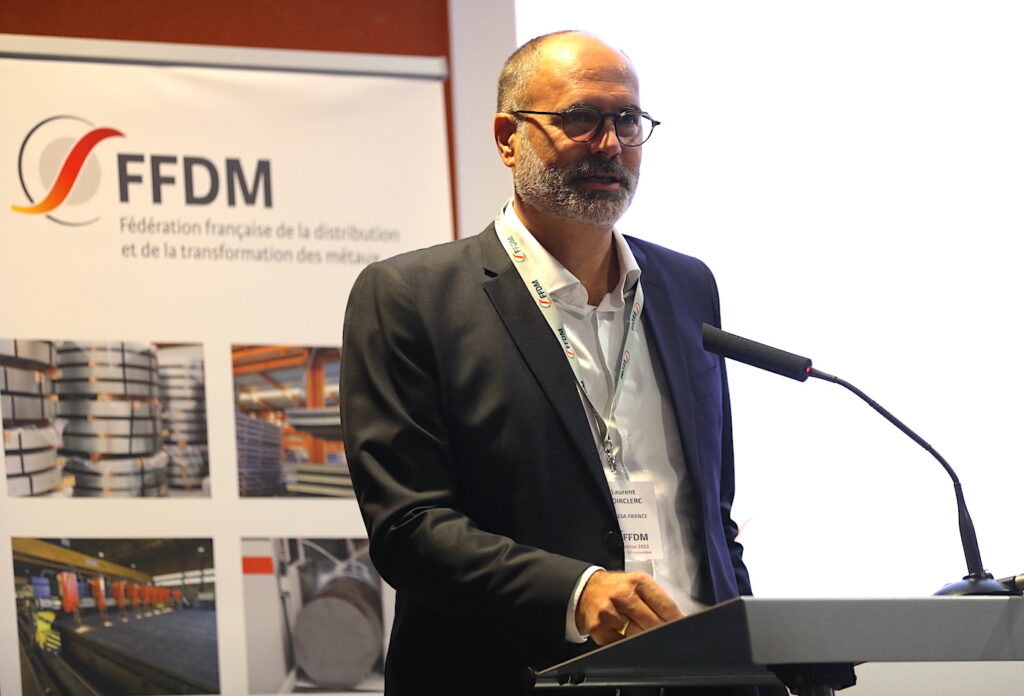
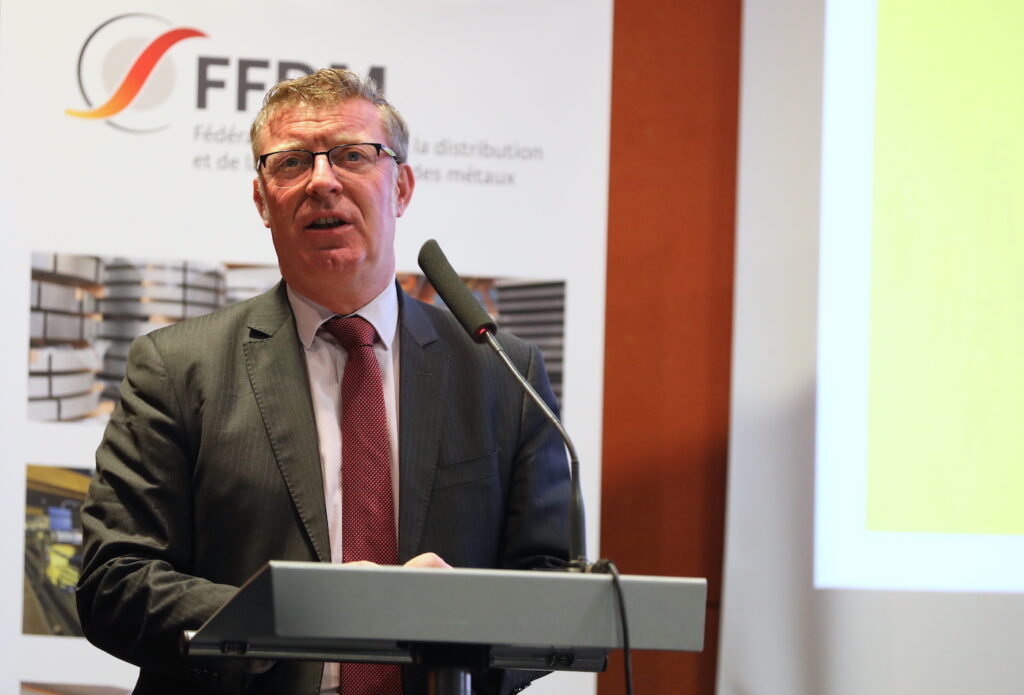
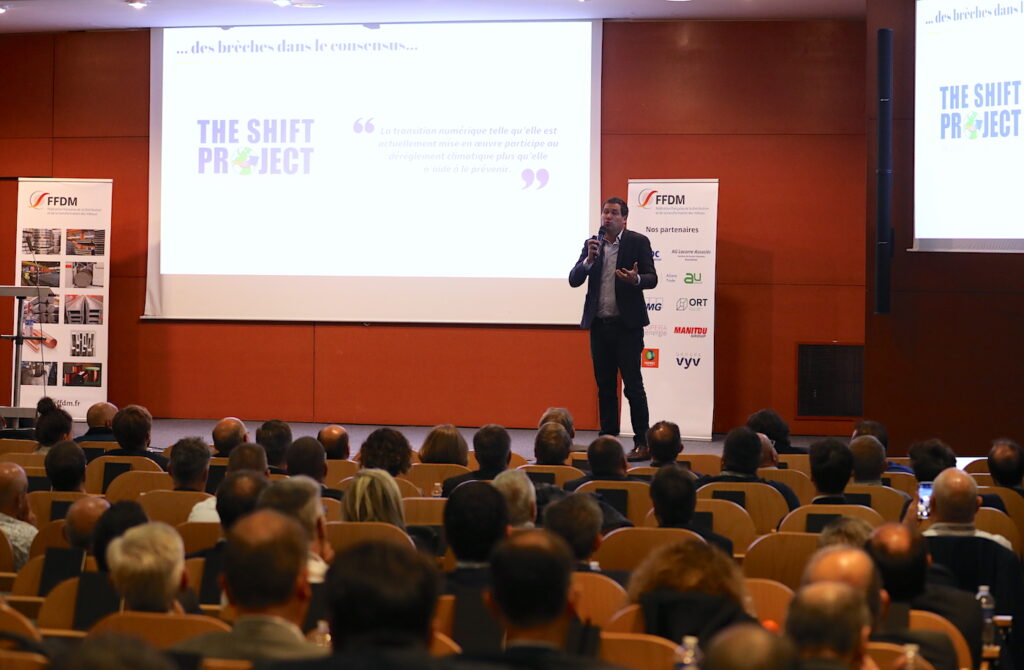
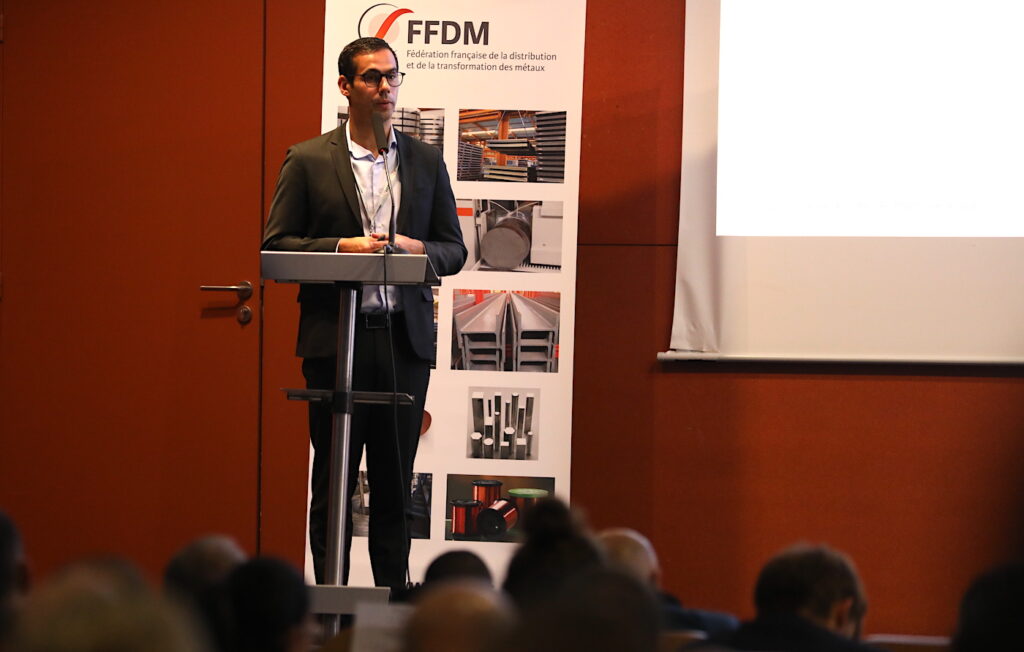
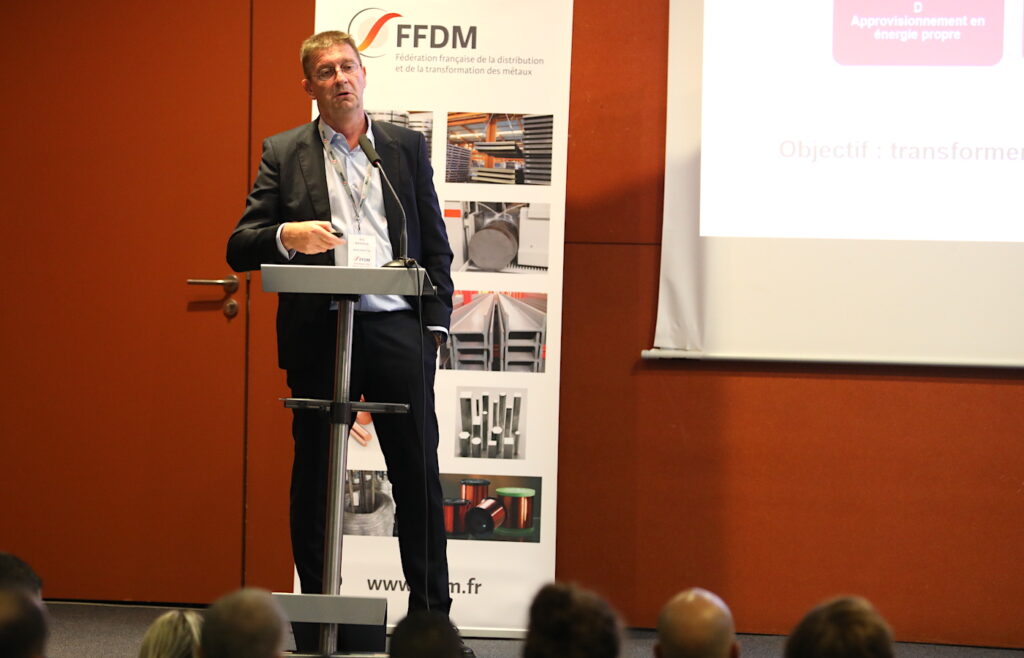
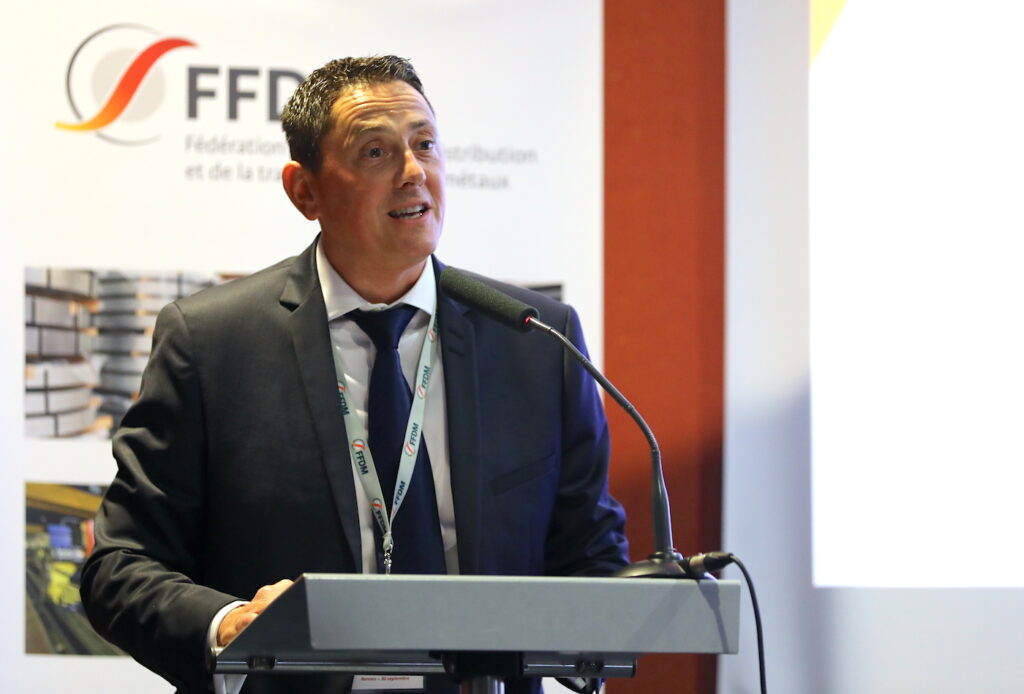
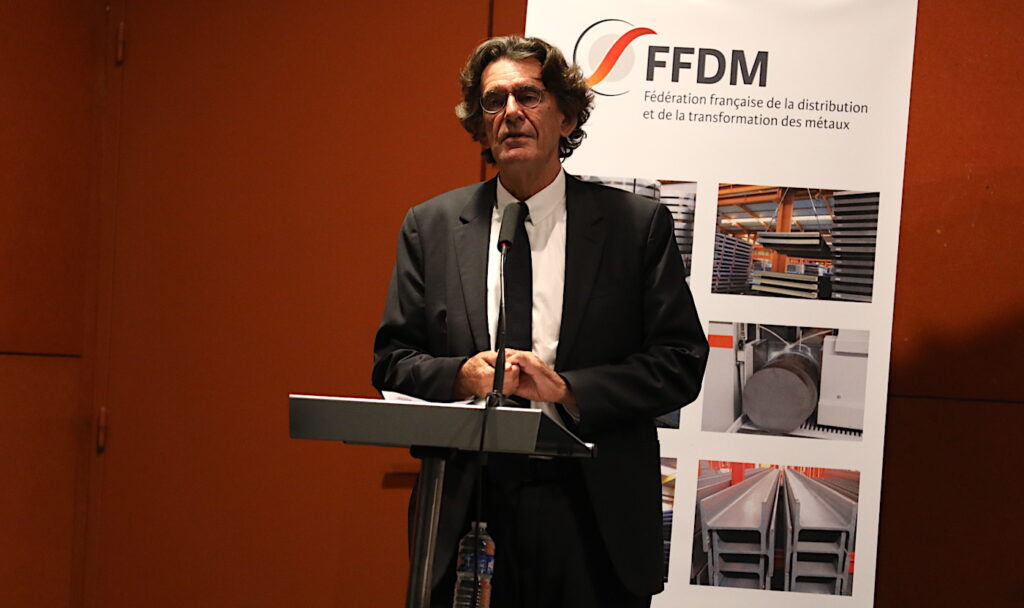
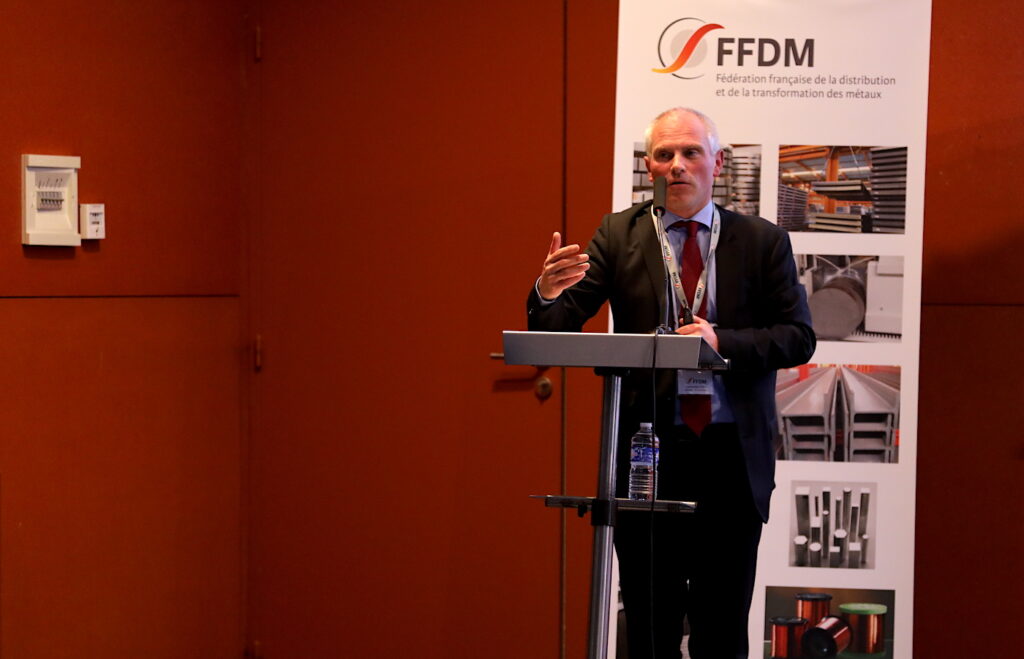
EUROMETAL participated today in the XV convention of the French federation FFDM.
This 2022 convention, under the theme “EcologieS”, brought together almost 2 hundreds of participants in Rennes, in the region of Brittany.
On the agenda were presentations such as the decarbonization of the steel sector, given by Eric Niedziela, Vice President Climate Action ArcelorMittal Europe and the challenges to be met for Industry in France by Aymeric Renaud, Vice President Industrial Automation at Schneider Electric.
Loïc Chapeaux, Director of Economic Studies of the French Building Federation (FFB), highlighted the major challenges for the building sector of tomorrow and the journalist and producer Guillaume Pitron, author of “La guerre des métaux rares” and “L’enfer numérique, voyage au bout d’un Like” made us travel through the “salty” world of underwater numerical, the “noisy” clouds and the datacenters in the “icy” countries. All this from a perspective of raising awareness of ecological, geopolitic and rare materials problems.
In the afernoon, Fabien Lecomte, Director at Allianz Trade, gave a presentation on economic cycles and the Philosopher and former Minister Luc Ferry, debated how to reconcile ecology and reindustrialisation remembering that nature has no dustbin.
One of the surprises of this convention was the release of the new FFDM logo.

Revista InfoAcero Septiembre 2022
En el siguiente enlace pueden acceder a la edición de Septiembre de nuestra revista: INFOACERO
Destacamos a continuación algunos de sus contenidos:
- Opinión – D. Javier Ucar – Junta Directiva UAHE.
- Evolución del Índice de Precios de Productos Siderúrgicos – UAHE
- Información Asociativa: XVIII Fórum de Productos Siderúrgicos– Castelldefels (Barcelona), 27 de Octubre
- Siderurgia: Previsión sectores consumidores de acero– Informe Eurofer 3er trimestre.
- Próximos Eventos: Metal Madrid (19 y 20 Octubre, Madrid); Flat Steel 2022- Kallanish (20 de Octubre, Estambul)


Turkey’s Beycelik Gestamp to supply automotive components to UK’s Arrival
Turkish automotive steel components maker Beycelik Gestamp will supply parts to UK electric vehicle maker Arrival, Beycelik General Manager Engin Meydan said in a statement Sept. 29.
“We will supply rails for sliding doors of the new electrical vehicle, Arrival Van, which is expected to be on the roads of Europe as of March 2023,” Meydan told local news agency Dunya. Bursa-based Beycelik Gestamp would also supply body and chassis components to other EV makers, Ford, Dacia and Togg, in 2023, according to Meydan.
The company was focused on developing and producing new components, Meydan said, and aims to finish constructing its new manufacturing plants in Turkey and Romania by 2023.
The company started building a new facility at the Automotive Procurement Industry Organized Industrial Zone in Kocaeli, Turkey in mid-2021 to produce chassis products for the automotive sector.
Beycelik Gestamp’s sheet forming and welding plant currently operates in Bursa and it has two plants in Kocaeli that supply automotive sheet components to major domestic and global automakers.
Turkish mills have been focusing on value-added steel production in recent years with new investments to raise unit sale prices.
Platts, part of S&P Global, assessed Turkish domestic HRC at $670/mt ex-works Sept. 23.
— Cenk Can