


UK needs 10 mil mt of steel by 2030 to achieve energy self-sufficiency: Tata Steel
The UK will need more than 10 million mt of steel over the remainder of the decade to achieve its energy self-sufficiency plans, Tata Steel UK said in a statement Dec. 29.
The company, the UK’s largest steel producer, said new research it has carried out shows that more than 5 million mt of steel will be needed to build thousands of wind turbines at sea by 2030, while planned solar and nuclear power plants in the country are likely to require 3.5 million mt of steel over the coming years.
Building the infrastructure for hydrogen production and distribution, as well as large-scale carbon capture (CCS) projects would require another 1.5 million mt of steel, it said. Ferrous metal will also be needed to unlock new oil and gas sources in the North Sea, it added.
“The UK already has the largest offshore wind sector in the world, but with a target to increase capacity by 400% this decade we are only just getting started,” trade association UK Steel’s director general, Gareth Stace, said in a statement.
He added that similar opportunities exist in the domestic expansion of nuclear and solar capacity, and in the rollout of CCS and hydrogen networks.
Earlier this year, the UK government published its Energy Security Strategy in response to soaring energy prices.
“Achieving a secure energy supply will need an energy revolution [in the UK] requiring millions of tonnes of steel to build new energy generation projects,” Tata Steel UK Chairman Henrik Adam said, underlining the importance of investment in the country’s steel industry.
— Ekaterina Bouckley

Steel producer ArcelorMittal buys fourth European scrap recycler in 2022
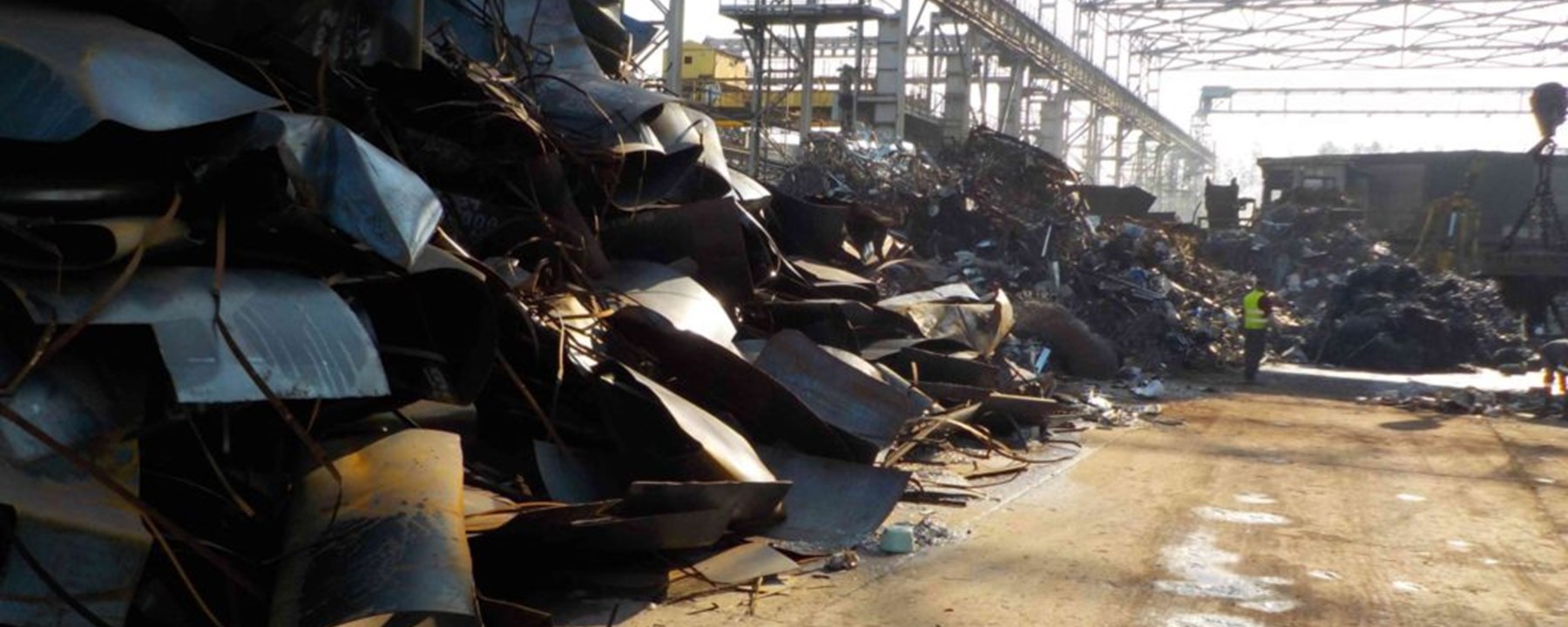
ArcelorMittal has signed an agreement to acquire Polish steel scrap metal recycling business Zaklad Przerobu Zlomu (Zlomex), it said in a statement Dec. 29, representing the fourth scrap company the steelmaker has acquired in Europe this year in line with its strategy to step up its use of recycled materials and reduce the carbon intensity of the steel it makes.
The closing of the transaction, which is subject to customary regulatory approvals, is expected during the first half of 2023.
Zlomex operates scrap yards in Krakow and Warsaw which last year processed and shipped roughly 400,000 mt of ferrous scrap metal. The firm supplies a range of steel mills and foundries and has also been a long-standing supplier to ArcelorMittal’s steel plants in Dabrowa Gornicza and Warsaw.
Zlomex is focused on steel scrap and has in 2022 expanded its Krakow operations with the installation of a new shredder and separation equipment and has also enlarged its Warsaw scrap yard.
ArcelorMittal said it is committed to support Zlomex’s ongoing growth.
This is the fourth scrap metal acquisition ArcelorMittal has undertaken in Europe during 2022, as the company continually seeks to enhance its scrap sourcing ability and through using more of this steelmaking raw material to reduce its carbon emissions.
“We have worked hard this year to secure greater access to the input materials we need for low-carbon emissions steelmaking,” said ArcelorMittal Europe CEO Geert Van Poelvoorde in the statement.
Acquiring four scrap metal recyclers during the year will play an important role in enhancing the company’s ability to deliver low-carbon emissions steel, and specifically to meet its target of reducing the carbon intensity of the steel it produces by 35% by 2030, Poelvoorde added.
In early December ArcelorMittal bought Netherlands-based Riwald Recycling, and earlier in the year had announced the acquisitions of John Lawrie Metals in Scotland and German metal recycling facilities of ALBA International Recycling, S&P Global Commodity Insights reported earlier.
Together with Riwald and Zlomex, these four businesses processed almost 1.5 million mt of scrap steel in 2021, S&P Global estimates.
Platts, part of S&P Global, assessed Turkish imports of premium heavy melting scrap 1/2 (80:20) at $390/mt CFR Dec. 28, up $3.25/mt on the day. The daily assessment has come off by 15% or by $73/mt from the $463/mt level at the beginning of 2022.
— Ekaterina Bouckley

Northwest Europe-based steelmakers aim for higher hot-rolled coil prices
Steelmakers in Northwest Europe were targeting higher domestic prices for hot-rolled coil on Dec. 29 despite a seasonal slowdown at the year’s end.
Mills in the other regions of Europe are likely to follow the price increase in January, sources said.
A big European steelmaker increased HRC offers to Eur730/mt ex-works Ruhr this week. A smaller German steelmaker had increased the offers up to Eur740/mt ex-works Ruhr last week. Another German mill had been targeting prices of Eur700/mt ex-works and higher, according to a Germany-based distributor.
A Northern Europe-based service center source estimated tradable value at Eur670-Eur690/mt ex-works Ruhr and a trader reported achievable prices at Eur650-Eur700/mt ex-works Ruhr.
Platts assessed North European hot-rolled coil unchanged on the day at Eur680/mt ex-works Ruhr on Dec. 29.
The mills’ bullish approach has been supported by combination of stronger demand in December that was expected to revive further in mid-January, higher energy costs that steelmakers need to cover, a lack of competitive import offers and effects from production cuts introduced by steelmakers in 2022.
The assessment for domestic HRC in Southern Europe was also stable day on day at Eur670/mt ex-works Italy Dec. 29.
Platts is part of S&P Global Commodity Insights.
— Maria Tanatar