


Eurofer cuts steel demand outlook again, rebound uncertain
Eurofer has again cut its outlook for 2023 apparent steel demand due to persistent tensions created by economic weakness and geopolitical developments. The association expects the rebound to materialise from the fourth quarter and into 2024, but uncertainties remain high.
Apparent steel demand in full-year 2023 is now set to decline 5.3% year-on-year. After the two-digit decline of 11.3% y-o-y in Q1, the negative trend slowed down somewhat. Eurofer expects apparent demand to rebound 3.6% on-year in Q4, but challenges continue to raise questions.
In 2024, the rebound could be as strong as 7.6% for apparent steel demand, potentially taking consumption to above 2022 levels – 140 million tonnes. It is worth noting, nevertheless, that the latest peak apparent consumption levels registered in 2018 and 2021 – approximately 150m t/year – remain far off.
“The perspectives for the European steel sector get gloomier every quarter amidst disruptive wars, global tensions, an unresolved energy crisis, high inflation, tightening economic conditions and historically high import shares that are strangling manufacturing. This situation negatively impacts steel demand,” Axel Eggert, director general of Eurofer, says in a note seen by Kallanish.
Despite weakening apparent demand, real demand is still expected to remain stable, seeing 0.3% y-o-y growth this year, followed by 0.2% in 2024.
The declining demand trend has also impacted imports, which fell significantly in Q1 and Q2 this year. Nevertheless, imports continued to maintain their share of market supply at above historical levels, at 28% of total European supply, according to Eurofer.
Emanuele Norsa Italy

EU imports, exports fall, trade balance stable
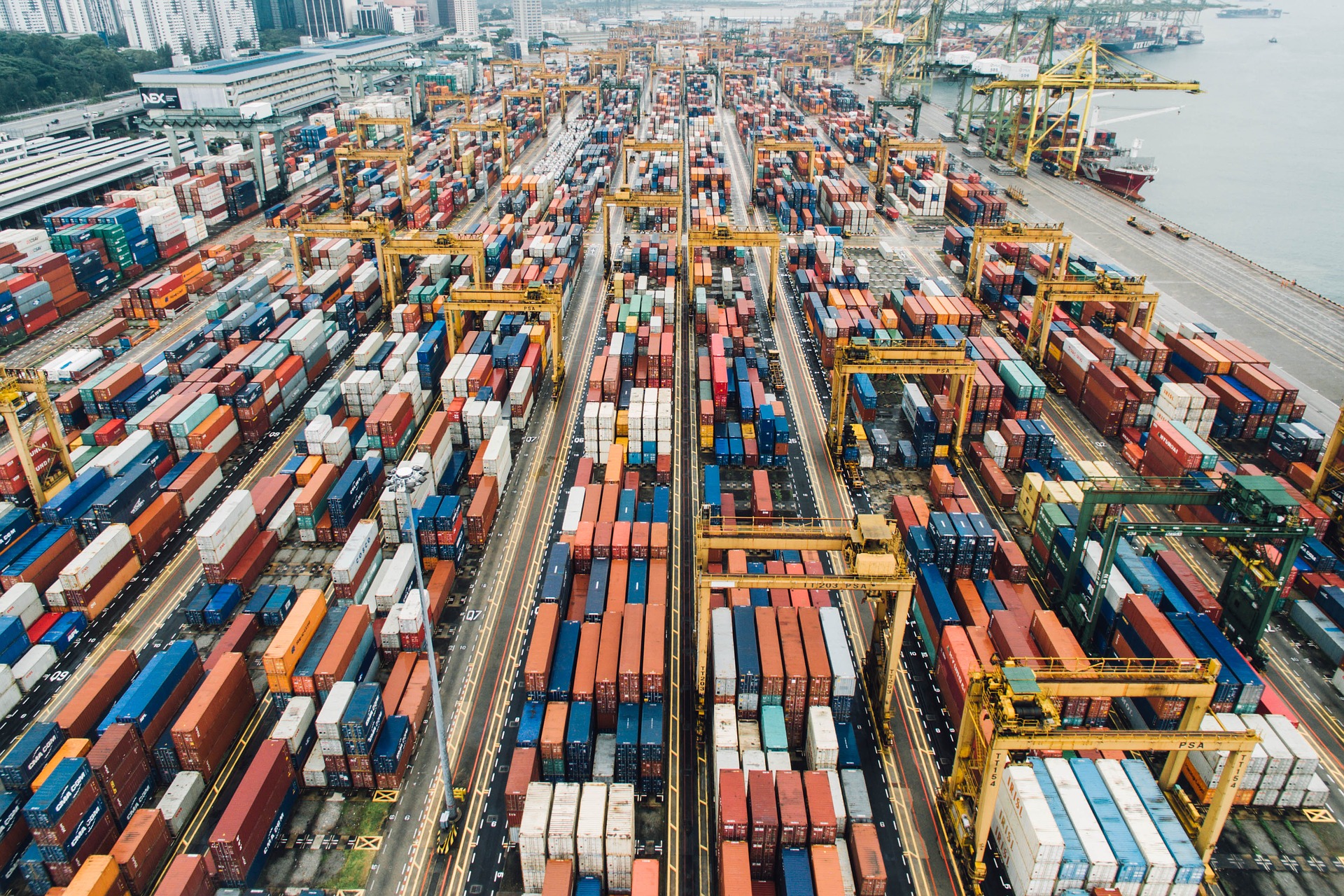
During the first eight months of 2023, the trade balance for steel in Europe remained stable compared with the overall figures registered in 2022. Imports and exports each decreased, maintaining the tonnage differential, Kallanish notes.
According to Eurofer data, January-August trade balance for all steel products – finished plus semis – stood at negative 1.6 million tonnes per month on average, in line with the figure registered during 2022. In 2021, the trade balance was negative 1.5m t/m.
Total eight-month exports declined by 5% year-on-year, with flat products falling 11% while long products actually recovered 3%.
Imports declined by almost 20% y-o-y during the same period. Flats and longs imports fell 17% and 24% respectively.
Despite falling in general terms, imports of finished products into Europe maintained a record-level market share of 28%. They continued to be mentioned by the steelmakers’ association as a major factor impacting the market.
Emanuele Norsa Italy
Lusosider orders payoff reel from Danieli
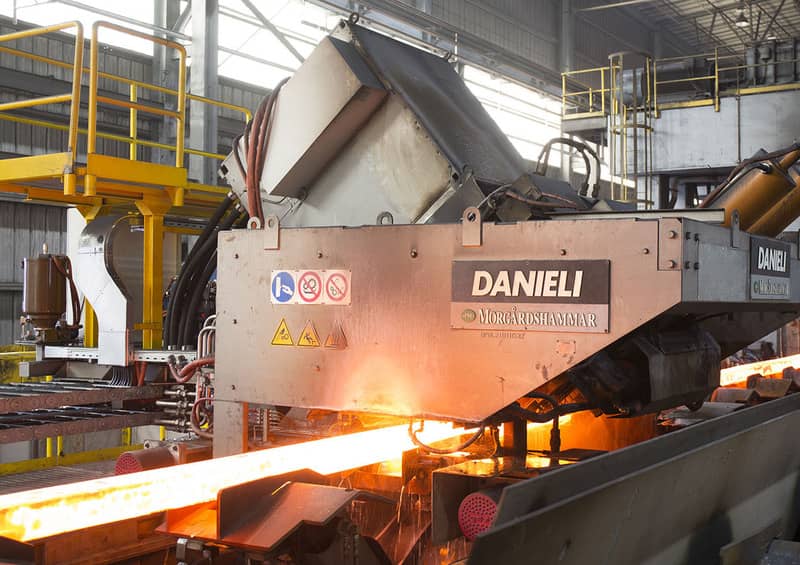
Brazilian CSN Potuguese subsidiary Lusosider Aços Planos has awarded Danieli an engineering contract, Kallanish learns from the Italian technology supplier. The agreement involves upgrades to the payoff reel at pickling line No.2 in Aldeia de Paio Pires.
“The project consists of replacing the existing mandrel with a new, tailor-made designed equipment, which will be supplied along with on-site advisory services for erection and commissioning,” Danieli explains. The contract includes an external bearing to limit the current deflection of the mandrel under coil loading and belt tension.
The installation of the new equipment is scheduled for October 2024.
Todor Kirkov Bulgaria

Trading slow across European HRC market
Prices were largely unchanged from October 27.
Fastmarkets calculated its daily steel HRC index, domestic, exw Northern Europe at €614.00 ($648.64) per tonne on Monday, down by €1.21 per tonne from €615.21 per tonne on October 27.
The index was up by €4.00 per tonne week on week but down by €6.42 per tonne month on month.
The market was unmoved on Monday, with trading remaining thin and sentiment bearish.
“There are no updates as the market has not moved since last week,” a trader source in the region said.
Buyer estimates of achievable values were in the range of €600-620 per tonne EXW.
In the week to October 27, mills were targeting offer prices for December-delivery HRC at €620-650 per tonne EXW.
Despite continued low demand, mills resisted dropping their prices further due to high feedstock costs, specifically energy.
Fastmarkets’ daily steel HRC index, domestic, exw Italy was €601.67 per tonne on Monday, up by just €1.04 per tonne from €600.63 per tonne a day earlier.
The index was down by €0.83 per tonne week on week and down by €7.08 per tonne month on month.
Buyer estimates of tradable prices were reported at €580-600 per tonne EXW.
Offers of HRC for December delivery from Italy were reported at €620-630 per tonne EXW. These levels were not considered workable however given weak market conditions.
“The current asking price is around €580-600 per tonne EXW but mills are refusing this price level and targeting price increases of up to €50 per tonne to levels of €620-630 per tonne for December delivery,” a buyer source said. “Demand remains very weak, but mills are trying to support price increases with production cuts.”
“Mills are trying to raise prices but there is very little buying interest to support price rises,” another buyer source in the region told Fastmarkets.
Appetite for imports remained muted on Monday due to depressed market conditions. Sources reported limited offers, expecting new import prices to come in towards the end of the week.
Import offers were heard at €600 per tonne CFR from Asia but there was minimal interest from domestic buyers, Fastmarkets heard.


EU stainless market to remain under pressure: Eramet
The surplus in nickel production compared to demand is forecast to continue for the remainder of 2023, says French miner Eramet in its third-quarter earnings report monitored by Kallanish.
In Q4, demand for nickel is forecast to continue to increase thanks to the recovery in the electric vehicles batteries sector in China. However, a sluggish stainless steel market in Europe is expected. The nickel used in stainless steel is a different grade from battery nickel.
Prices of nickel pig iron and nickel ore exported by Eramet’s subsidiary in New Caledonia, Societe le Nickl (SLN), are seen flattening this quarter. The Weda Bay mine in Indonesia will pursue its production ramp-up but the company has revised downwards its target to around 30 million wet metric tonnes (wmt) over the year. In Q3, SLN sales decreased by 5% to €224 million ($236m), reflecting “a strongly unfavourable price effect”.
Global stainless production was up 16% on-year to 14.8 million tonnes in Q3 and increased by 3% over the first nine months of the year. The class I and II nickel supply/demand balance was at break-even over the third quarter but remained in surplus for the first nine months of the year, Eramet says.
Nickel inventories at the London Metal Exchange (LME) and Shanghai Futures Exchange (SHFE) were at 47,000t at end-September. In Q3, the LME price average of class I nickel was $20,342/tonne, down 8% y-o-y.
“The third quarter saw a difficult macroeconomic environment with selling prices significantly lower than last year,” says Eramet chief executive Christel Bories. The group’s turnover amounted to €980m in Q3, down 26% on-year owing to a negative price effect, compared to the high level seen in Q3 2022. January-September turnover reached €2.8 billion, down 30% on-year.
Class I nickel is produced with a nickel content above or equal to 99% while Class II is made with a nickel content below 99%.
Natalia Capra France