


Finnish Outokumpu to consolidate German steel operations by closing two sites
Outokumpu is to close two sites in Germany necessary to secure its long-term competitiveness in a weak European market, the Finnish stainless steel maker said Nov. 7.
In Germany where it has operations in Dahlerbruck, Dillenburg and Krefeld, and service centers in Hockenheim and Sachsenheim, Outokumpu intends to commence negotiations with employee representatives in relation to the planned restructuring that includes the closure of the Hockenheim coil processing center and the transfer of precision strip operations to Dillenburg from Dahlerbruck, which will be closed.
Centralizing advanced materials production in the country under one roof in Dillenburg will reposition this site as the core value creator within Outokumpu’s Advanced Materials business alongside its mills in Sweden, according to Advanced Materials president at Outokumpu Thomas Anstots.
Following the restructuring, which will impact 200 people in Germany, the Dillenburg site will be able to offer the full spectrum of Outokumpu’s advanced materials products in a range of standard and specialty stainless steel grades.
from Dahlerbruck will seek opportunities inside and outside the group for affected employees in Dahlerbruck and Hockenheim and work with the employee representatives to agree on a social plan, according to Anstots.
The possible closures of Hockenheim and Dahlerbruck facilities should be completed by the end of March and December 2024, respectively.
Author: Katya Bouckley


H2 Green Steel signs 7-year deal with Purmo Group to supply low carbon steel
H2 Green Steel has entered into a binding agreement with Purmo Group, a supplier of indoor climate solutions, for the delivery of its low carbon steel to support the company’s drive towards sustainability.
H2 Green steel will delivery to Purmo Group 140,000 mt of green steel over 2026 to 2033, the companies said Nov. 6. Steel represents approximately 50% of all raw materials that Purmo Group purchases.
“We will be pioneers in our industry, securing the supply of green steel and starting the production of green steel products,” John Peter Leesi, CEO of Purmo Group said. ”Our customers are demanding new and more energy-efficient heating and cooling systems and Purmo Group is well positioned to fulfil this growing demand.”
H2 Green Steel’s plant in Boden, northern Sweden, will start production at the end of 2025 and will have a total capacity of 5 million mt/year of crude steel by 2030. The plant is integrated with the world’s largest electrolysis plants and is fed by green hydrogen produced with renewable electricity. It enables the reduction of CO2 emissions by up to 95% compared to traditional steelmaking powered by coal.
Purmo Group’s decision to source green steel from H2 Green Steel is part of its ambition to align its productions towards a 1.5C future and carbon neutrality by 2025.
H2 Green steel has entered in many offtake agreements with steel buyers from different industries as demand for low carbon steel across different sectors grows.
Platts, part of S&P Global Commodity Insights, on Nov. 3 assessed Northwest European hot-rolled carbon-accounted coil up Eur5/mt on the day at Eur750/mt ($805.20/mt) ex-works Ruhr.
The assessment was calculated in line with the sum of Platts daily carbon-accounted steel premium assessment and Platts daily hot-rolled coil price assessment in Northwest Europe.
Tradable values for material with CO2 content below 1 mt under scopes 1-3 were heard with a premium of Eur50-150/mt.
Author: Annalisa Villa

China’s steel exports hit 7-year high, pace to remain strong in coming months
China’s finished steel exports over January-October reached the highest level not seen since the same period of 2016, China’s customs data showed Nov. 7, a development, sources said, which is led by weak domestic demand and elevated production.
The country’s steel exports are expected to remain relatively strong in the coming months, as there were no government-mandated steel output curbs for 2023, market participants said.
China’s steel production is likely to remain comparatively higher through the winter, a period when Chinese steel output typically dips, they said. As a result, Chinese steel prices would comparatively remain lower, the participants added.
Strong exports
In October, China’s finished steel exports reached 7.939 million mt, down 1.5% on the month, but shipments were still the fourth largest so far in 2023, and 53.1% higher on the year, the customs data showed.
Over January-October, China’s steel exports increased 34.8%, or 19.29 million mt, on the year to 74.732 million mt, according to the customs data.
Higher exports have been attributed to elevated steel production in China.
Based on data from the China Iron and Steel Association and National Bureau of Statistics, the country’s crude steel output during January-October is expected to reach 878.37 million mt, up 17.8 million mt on the year.
The pace of growth in steel exports over the first 10 months of 2023 might have exceeded production growth rate, indicating Chinese domestic steel demand was on a downtrend amid property sector’s debt woes, some trading sources said.
Coming to the steel sector’s rescue to some extent, overseas buying eased the supply pressure in the domestic market, sources said.
Different scenarios
The last time steel exports in the first 10 months were higher than 74.732 million mt was in 2016, when they were about 93 million mt, according to the customs data.
Poor domestic steel demand and huge steel capacity were behind strong exports both for 2016 and 2023, some trading and mill sources said.
China’s domestic steel market then rebounded strongly in 2017, after a quick and strong boost to its property sector in 2016, while elimination of illegal induction furnaces in the first half of 2017 also helped production efficiency, sources said.
In tandem, the annual average domestic rebar profit margin jumped from $11/mt in 2016 to $110/mt in 2017, S&P Global Commodity Insights data showed.
However, the scenario for China’s current steel market situation and in 2024 is not expected to follow the trends seen in 2017.
The country’s property sector has entered into a long-term structural downtrend as it faces a debt crisis, while declining birth rates would also add pressure on the sector, some trading sources said.
At the same time, China’s crude steel capacity has remained on an uptrend through capacity swaps, they said.
As China’s elevated steel production and lower domestic demand weighs on the sector’s prospects, the domestic rebar profit margin so far in 2023 has averaged at a negative $3.4/mt, S&P Global data showed.
China’s steel production would stay at elevated levels in 2024, but domestic steel demand is unlikely to improve notably as the property sector would continue to struggle with debt woes, marking a huge drag on the overall Chinese steel demand, some sources said.
China’s total steel exports in 2024 might decline from 2023 but would remain at relatively high levels given competitive prices, sources said.
Imports
In October, China’s finished steel imports reached 668,000 mt, up 4.4% from September but down 13.5% on the year, according to customs data.
Over January-October, the finished steel imports fell by 30.1% on the year at 6.366 million mt.
As a result, China’s net finished steel exports in the first 10 months increased by 47.6%, or 22.04 million mt, on the year at 68.366 million mt.
Author: Jing Zhang, Market Specialist – Metals

Steel producer Outokumpu acquires stake in Germany-based Cronimet Group
Stainless steel producer Outokumpu has acquired 10% stake in the CRONIMET North-East GmbH — an intermediate holding company which holds the shares in CRONIMET’s northeastern European companies — in a move to optimize its raw material cycle.
“This partnership is another step towards achieving the sustainable development goals: a low carbon footprint in the production of stainless steel with regional scrap and through shorter transport routes to Outokumpu’s stainless steel mills,” Jurgen Pilarsky, CEO of CRONIMET Holding GmbH said Nov. 7.
The CRONIMET Holding Group, headquartered in Karlsruhe, Germany, is a recycle company for stainless steel scrap and ferroalloys. More steelmakers are acquiring stakes in scrap producers to guarantee its own supply and increase companies’ sustainability, according to Outokumpu’s statement released Nov. 7.
In addition to supplying Outokumpu’s European stainless steel mills with CRONIMET’s stainless steel scrap from the sites in northeastern Europe, the two companies have also agreed to work together on innovation and research for the decarbonization of the stainless steel industry. The partnership also focuses on reducing costs through better planning on both sides and reducing waste within the supply chain.
“We are pleased to partner with CRONIMET as we share a common goal in terms of regional development — accelerating the circular economy in the Northeast European market area while paying attention to sustainability and CO2 reduction during transportation and stainless steel production,” Marc-Simon Schaar, Chief Procurement Officer at Outokumpu said.
The companies did not disclose the value of the operation or when the completion of the transaction is expected, as it is subject to customary closing conditions and regulatory approvals by the competition authorities.
Author: Annalisa Villa
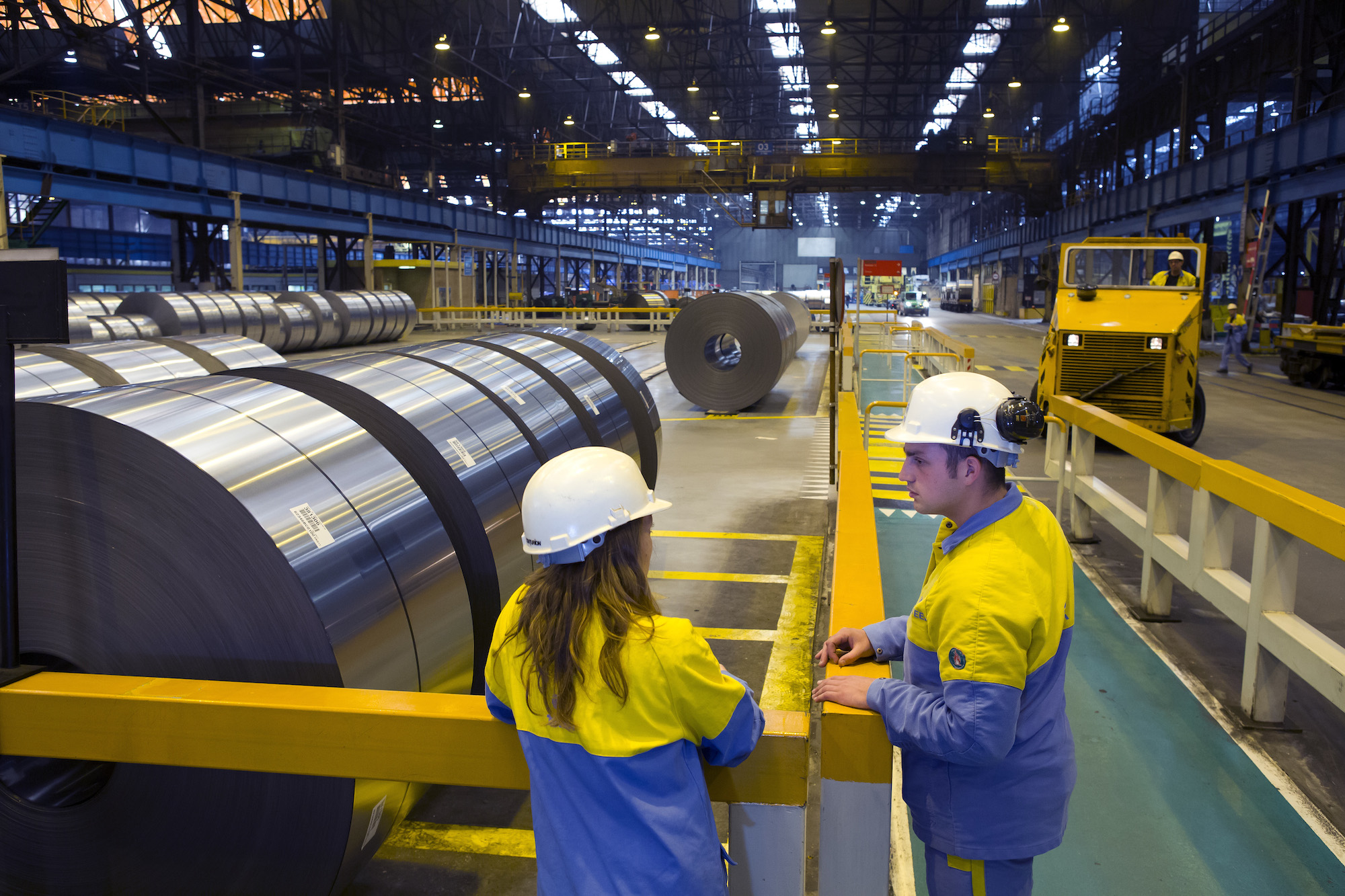
Tata Steel Nederland launches biofuel-powered delivery service
Tata Steel Nederland has started offering low carbon delivery of its products by trucks that run on vegetable oil-based fuel, it said in a Nov. 7 statement.
Tata Steel Nederland has launched — the option for customers to receive their steel orders through lower-emission transportation methods and through that reduce their Scope 3 emissions. one of Europe’s largest steelmakers
Initially, the service — called Zeremis Delivered — will be available to buyers within a 300 km distance from the company’s sites in the Netherlands and Belgium, but the company is partnering with logistics specialists to develop longer range solutions and other modes of transportation such as rail, barge and sea-going vessels.
Trucks would be powered by HVO100 (hydrotreated vegetable oil), a fossil free diesel substitute that reduces the CO2 emissions by up to 90% compared to conventional fossil fuel, the company said.
Tata Steel Nederland is not the first steel company in Europe to seek low carbon shipping solutions. In a bid to establish low-emission logistics chains and shipping concepts, German steelmaker Salzgitter said in August it intended to maximize deliveries to customers via European inland waterways to above 1 million mt/year, and for this enhanced co-operation with HGK Shipping.
The Zeremis Delivered offering comes on top of Tata Steel Nederland’s Zeremis Carbon Lite solution introduced last year to offer hot-rolled coil with carbon footprint of 1.54 mt of CO2 per metric ton, some 30% lower than the EU average of 2.2 mtCO2e/mt.
Tata Steel Nederland, whose blast furnace-basic oxygen furnace-based IJmuiden steelworks is capable of producing up to 7.5 million mt/year of hot- and cold-rolled coil, has previously announced it aims to reduce CO2 emissions by 35%-40% by 2030, and be completely carbon neutral by 2045.
To this end, the company is testing and implementing CO2-reducing measures such as the use of bio-coal, hot-briquetted iron and hydrogen in its installations, as well as maximizing scrap usage, as it aims to reduce CO2e emissions by 500,000 mt ahead of the commissioning of its first Direct Reduced Iron (DRI) plant that will enable the supply of up to 200,000 mt/year of CO2-neutral steel.
Author: Katya Bouckley

Prices edge upwards in European HRC market amid restocking, production cuts
Whether further price rises are sustainable given uncertain market conditions remains unclear, sources said.
Fastmarkets calculated its daily steel hot-rolled coil index domestic, exw Northern Europe at €642.50 ($689.19) per tonne on November 6, up by €12.08 from €630.42 per tonne on Friday November 3.
The index was up by €28.50 per tonne week on week and by €25.50 per tonne month on month.
Assessments were reported by buyers at €640-650 per tonne.
In the week to November 3, offers consolidated close to €680 per tonne ex-works from integrated mills in the region.
On November 6, workable buyer assessments were reported at €640-650 per tonne EXW.
Meanwhile, a deal was reported by a buyer on Monday at €640 per tonne EXW.
Restocking and production cuts have made buyers more amenable to accepting high prices; however, whether these price rises are workable remains uncertain.
“Consumption remains weak, so it is uncertain whether the price rises are sustainable,” a buyer source said.
In Southern Europe, Fastmarkets’ calculated its corresponding daily steel hot-rolled coil index domestic, exw Italy at €627.50 per tonne on November 6, up by €12.50 from €615 per tonne on November 3.
The Italian index was up by €25.83 per tonne week on week, and up by €21.53 per tonne month on month.
In the week to Friday, Italian producers reportedly still had some limited tonnages for December delivery, while higher offers were planned for January.
Buyers reported workable price levels in the Italian HRC market for December-delivery were in the region of €620-630 per tonne EXW.
For January, offers were closer to €650 per tonne delivered, which nets back to €635 per tonne ex-works.
There was limited appetite for imports on November 6, sources said.
January-shipment HRC from Asian mills was reported at €610-620 per tonne CFR on November 6, while import offers from Turkey were reported at €630-640 per tonne CFR.
Published by: India-Inés Levy

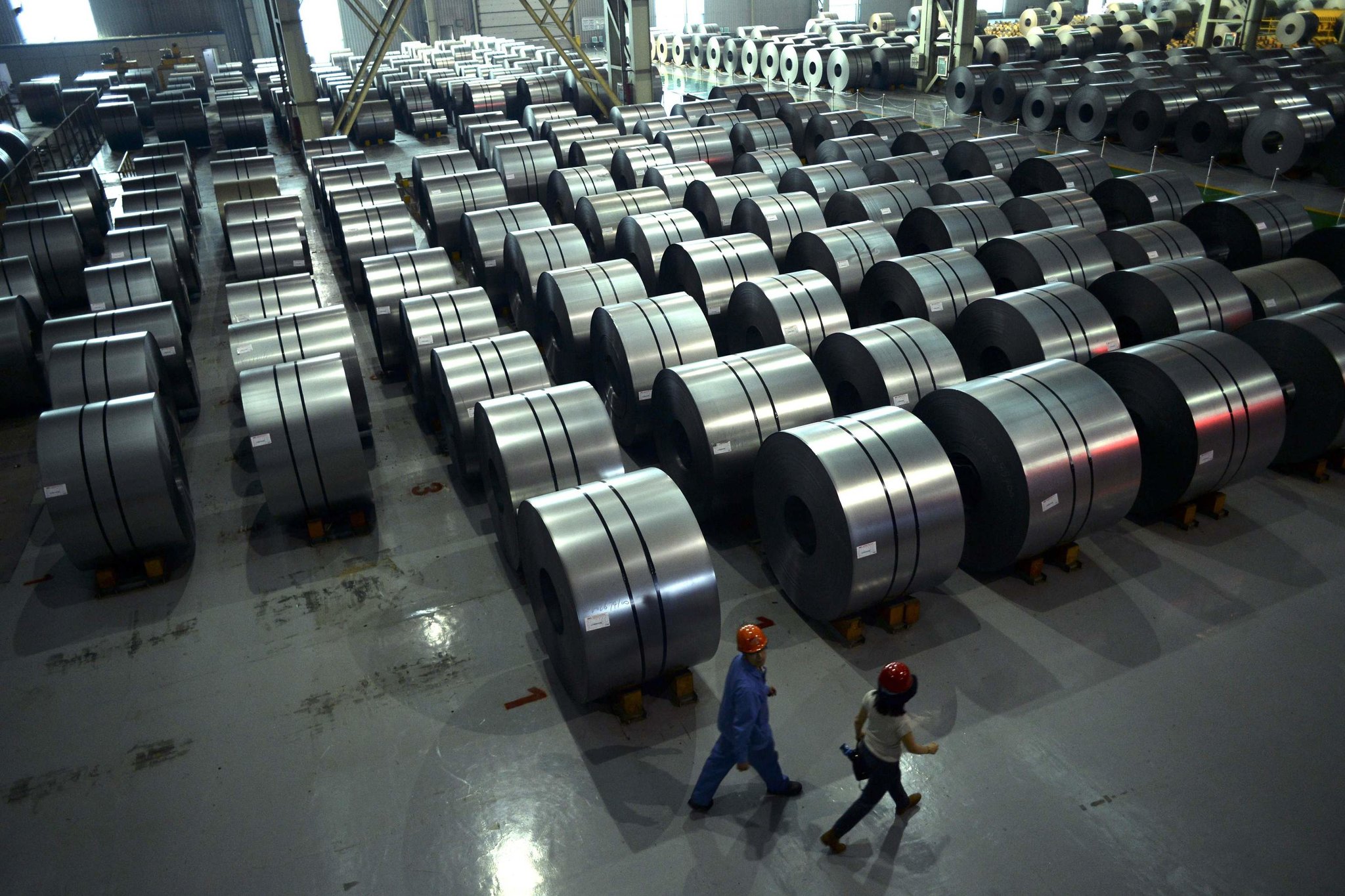
Europe’s steel crisis to persist: Eramet
In the last quarter of this year global steel production should decline mostly due to a seasonal effect while rising interest rates will continue to impact the construction sector, French miner Eramet says in its Q3 financial report monitored by Kallanish. In the second half of the year global steel output should remain stable year-on-year driven by Indian consumption. A significant production decline in Europe is expected for the whole of 2023.
Against this backdrop, both demand and supply for manganese alloys are expected to continue declining, particularly in Europe. As the manganese ore market is currently in surplus, prices should also continue to fall in Q4 before stabilising at year-end, the miner forecasts.
In Gabon, the targets for transported ore volumes are maintained at around 7 million tonnes as the expansion programme at Eramet’s Moanda mine in Gabon is continuing. In Q3 2023, manganese ore production reached 2.1mt, up by 4% on-year. The supply-demand balance remained in slight surplus in the third quarter with Chinese manganese ore port inventories still at high levels of 6.2mt at end-September, representing almost 11 weeks’ consumption.
“The third quarter saw a difficult macroeconomic environment with selling prices significantly lower than last year,” says Eramet chief executive Christel Bories. The group’s turnover amounted to €980 million ($1bn) in Q3, down 26% on-year owing to a negative price effect. The group January-September turnover reached €2.8 bn, down 30% y-o-y, Kallanish notes.
Natalia Capra France


British Steel plans to replace BFs with EAFs
British Steel has announced plans to replace its integrated steelmaking in the UK with two electric arc furnaces from late 2025, to become a cleaner, greener and more sustainable business.
The proposal is still subject to approval by the UK government. The EAFs would be located in Scunthorpe (where the integrated steelmaking is now concentrated) and in Teesside.
“The new furnaces could be operational by late 2025 and would replace the aging iron and steelmaking operations in Scunthorpe which are responsible for the vast majority of the company’s CO2 emissions. The company proposes maintaining current operations until a transition to electric arc steelmaking. British Steel has started preliminary talks with trade unions about electrification, and has promised to support employees affected by the decarbonisation plans,” the company said in a statement seen by Kallanish.
The new plan adds to the the low-carbon roadmap unveiled by the company back in October 2021. With the decision to replace BFs with EAFs the company now targets a reduction in CO2 intensity of around 75%.
Initially the company was planning to have one large electric arc furnace in Scunthorpe to produce all steel grades needed, but feasibility studies confirmed that such large operation would require a new National Grid connection not ready before 2034. As a consequence the company decided to focus its strategy on two smaller furnaces at the two sites.
Under the latest proposal the new steel plant in Scunthorpe would consist of one 130-tonne electric arc furnace; two 130-tonne ladle furnaces, one 130-tonne degasser and two continuous casters. The new steel plant at Teesside would consist of one 100-tonne electric arc furnace, one 100-tonne ladle furnace, one 100-tonne vacuum degasser and two continuous casters to supply Teesside Beam Mill and Skinningrove.
The announcement was met with fierce criticism by local trade unions, concerned with the plan to drastically cut the workforce of the Scunthorpe site. TUC commented: “British Steel must halt these plans and get around the table with unions. Closing down the blast furnaces at the Scunthorpe plant would have a devastating impact on staff and the local community.” The union also stressed that “other countries have shown that it is possible to transition to zero-carbon steel making and protect good steel-making jobs for the future.”
Emanuele Norsa Italy
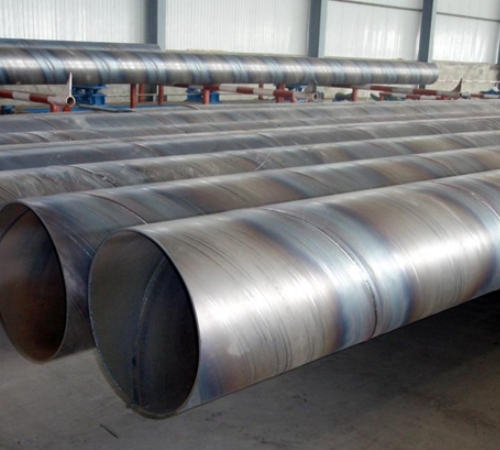
Welded tube prices to increase in Italy
Italian welded tube prices are increasing in November as re-rollers are pushing up values in line with the current increases of hot rolled coils in Europe.
Over the past two weeks, re-rollers have managed to eliminate the low point of the range seen in October’s contracts. Some tubemakers confirm to Kallanish they are beginning to decrease discounts gradually by 2 points this week and two more points in the coming days. At present the level of discount on welded tubes in Italy has reached 44-45%. The target is to reach 40% discount in the coming weeks.
European HRC producers are pushing up prices by some €50/tonne ($53) for January lead-time and have limited allocations for Q1 2024 following the several production stoppages implemented in Q4 and the exhaustion of import quotas. With domestic coils at €650-670/t base ex-works or delivered, the current values of welded tubes are unsustainable. Tubes levels in Italy continue to lag behind HRC values with the distribution sector chasing volumes and discounting material. Despite the general lower European consumption, however, “some apparent demand is coming back”, a source comments.
The lower European HRC availability and lower import volumes are seen supporting HRC prices in Q4 and the first quarter of next year. ArcelorMittal and other Northern and Southern European producers are announcing their intention to raise offer levels for January orders. European service centres are coming back to purchasing for the first quarter and end-year but lament lower allocation from EU steelmakers for Q1 (see Kallanish passim).
Natalia Capra France

Leading steel trader digitizes processing and intralogistics
Kaltenbach.solutions launched a digitalization project at Thomann GmbH in Hergatz on Lake Constance. The fully integrated IoT-based solution will record, analyze and clearly visualize the order data, process data and machine data of saws in real time in the area of prefabrication. In the future, the carbon footprint can also be recorded digitally. The aim is to increase efficiency, reduce costs and make work easier.
Thomann GmbH has agreed a strategic cooperation with Kaltenbach.Solutions to strengthen its market position as a leading steel trader in the southwest. In future, employees in the processing department will use handhelds to scan order data. Faults on the machines and other operating information will also be recorded via handheld devices. At the same time, the IoT-based BoosterBOX will measure relevant data on the sawing machines and assign it to the orders. The data collected will be visualized on the web-based Steelsuite platform as a basis for comprehensive analysis. The PDA/MED system can be expanded to include energy data acquisition and can then also determine energy consumption on an order-related basis.
As a steel supplier for industry and trade, the owner-managed Thomann GmbH plays a pioneering role among trading companies in the areas of quality, sustainability, climate protection and humane working practices. With a stock range of over 50 materials in more than 2,500 dimensions, rapid availability is guaranteed. The processing options range from sawing, centering, sandblasting, preserving and galvanizing to deburring and washing. The planned project is now intended to optimize the processes surrounding the sawing machines and make work easier. Thomann also expects improved transparency, greater flexibility and faster delivery.
Source: kaltenbach-solutions.com