


Liberty reignites some blast furnaces in Europe, power supply issues in Ostrava might threaten restart
Over the past weekend (December 9-10), Liberty restarted BF No5 in Galati, Romania, the spokesperson said.
The furnace was idled in mid-October, with Liberty citing disruptions of supply chains as a major factor behind the stoppage.
BF No5 has capacity for 2 million tonnes per year of pig iron.
The company declined to comment on the timeline for the output ramp-up in Galati as well as new finished steel offers from the facility.
Liberty has capacity to produce plate, hot-rolled coil, cold-rolled coil and hot-dip galvanized coil in Galati.
In addition, Liberty revealed earlier this week plans to restart operations at its BF No3 at the Ostrava steelworks, Czech Republic, in January 2024. The BF in Ostrava was idled in late October because of weak market fundamentals.
The BF No3 has capacity for 1 million tonnes per year of pig iron.
The company told Fastmarkets that it has no plans to restart BF No2 at the Ostrava steelworks. It was idled in July 2022 due to poor market conditions.
The company can produce HRC, CRC, wire rod and sections at Ostrava.
The company did not comment on the reasons behind the restarts, but pointed out that they were meant to be temporary.
Power supply issues in Ostrava
On Thursday, Fastmarkets heard that Liberty Ostrava’s only power and heat provider, Tameh Czech, might stop supply to the asset within a few days, since Liberty had failed to pay its bills to Tameh Czech and the company has no money to buy coal.
“We note the threat from Tameh that they will start the closure of the power plant today. We are deeply disappointed by this threat of a unilateral and value destructive action by Tameh, which has the potential to cause the loss of many thousands of jobs across the Ostrava region,” the spokesperson said.
On November 29, Liberty received a moratorium against Tameh for 30 days to come up with a restructuring plan.
Liberty also said that it in line with the “preventive restructuring” moratorium, it has “already proposed a number of solutions including an offer to provide Tameh with the coal it needs to keep the plant working while our negotiations continue”.
“We will continue our efforts to identify a joint solution to ensure that these unfortunate proposed actions by Tameh do not damage the sustainable future of our business or impact the health and safety of our employees and the local neighbourhoods which depend on us for heating.”
In case power supply is stopped and no solution is found, Liberty will not be able to resume operations at BF No3 in Ostrava, Fastmarkets understands.
Wider market
Prices for flat steel in Europe have started to pick up since the beginning of November, with increases, however, mainly driven by reduced supply amid output cuts and some restocking activity.
Fastmarkets’ daily steel hot-rolled coil index domestic, exw Northern Europe averaged €653.46 ($706.10) per tonne in November, up by €36.83 per tonne from a monthly average of €616.63 per tonne in October. The index was calculated at €690.83 per tonne ex-works on Thursday.
Buyer sources have stressed multiple times that the acute uptrend in the flat steel market in the EU is mainly being driven by reduced supply, since end-user demand remains limited and is unlikely to rebound in the short term.
Therefore, the news of possible capacity restarts in the first quarter of 2024 has led to concerns among buyers.
“Demand [for HRC] remains stable on the low side, so if we see capacity gradually coming back online in the first quarter, prices will start to decline again,” a trader in Germany said.
Except for the restarts announced by Liberty, sources also expected BF “A” at Salzgitter and BFNo6 at Tata Steel Ijmuiden to be restarted during the first quarter of 2024.



Italian stainless flats market continues to suffer
The Italian stainless flat steel market continues to stagnate. Demand downstream remains weak, with prices low for coil derivatives such as sheet and tube, sources tell Kallanish.
Distributors’ stocks are reported as medium in Italy and medium-low around Europe, but distributors are refusing to buy due to their subdued sales activity. Service centres believe hot and cold rolled coil prices are too high, and continue to purchase small volumes. The companies surveyed reported extremely negative results in the third quarter, with a slight improvement seen in Q4, albeit still losses. Concerns remain for 2024.
All European countries are being affected by low demand and consumption. In Germany, three distributors have gone bankrupt and more are expected to suffer the same fate.
Stainless sheet producers are not managing to increase prices, which are hovering at some €2,600/tonne ($2,835) ex-works, with stainless CRC at slightly below €2,500/t. Sheet prices are not being raised due to the aggressive commercial strategies of distributors and service centres, who are chasing volumes.
In Italy, stainless CRC is pegged at €2,460-2,500/t delivered and HRC at around €2,300/t delivered on average. Mills in Europe are completing January order books, with one quoting February lead time. Steelmakers’ order intake across Europe is low and Italian producer Acciai Speciali Terni is stopping production to balance demand with supply (see Kallanish 12 December).
The low prices of coil derivatives are causing inventory write-downs. Italian coil buyers believe mills should decrease values by at least €200/t. With the current high production costs, however, steelmakers prefer to keep their prices steady and implement production stoppages.
Natalia Capra France


Chinese automotive output hits historic high in November
In November, Chinese automotive output hit a historic high, as did the production and sales of new energy vehicles (NEVs), according to China Association of Automotive Manufacturers (CAAM) data.
China’s total vehicle production amounted to over 3.09 million units in the reporting month, up 7% month-on-month and 29.4% year-on-year, Kallanish notes. Production in the previous two months was also high but did not exceed the 2.91m vehicles produced in December 2021, let alone the previous record high of 3.08m vehicles in November 2017.
Passenger cars posted slower growth, but their November output also hit a record high at 2.71m units. Commercial car output grew faster y-o-y but was still lower than March this year when production was boosted by transportation demand after Covid restrictions were removed.
Between January and November, the country’s car production totalled 27.11m units, a year-on-year gain of 10%, the highest year-to-date growth except for in May. Passenger car and commercial vehicle output stood at 23.44m and 3.67m units respectively, up 8% and 25.4% from a year earlier.
In terms of NEVs, November output hit a record high for the fifth straight month, at 1.07m units, with the fastest on-year increase in the past six months. This took year-to-date output to a historic high of nearly 8.43m units, up 35% y-o-y. Meanwhile, monthly and y-t-d sales also jumped to historic highs at 1.03m and 8.3m units, up 30% and 37% y-o-y respectively.
In addition to NEVs, exports also contributed a lot to the industry this year. 11-month exports of Chinese vehicles surged 58.4% y-o-y to 4.41m units. Han Wenxiu from the Ministry of Finance predicted on Wednesday that China’s vehicle exports would exceed 5m units this year.
For the auto sector itself, CAAM expects production enthusiasm to continue in December, with sentiment supported by subsidy policies and promotional activities. Annual production and sales are expected to touch new highs.
European steelmaking margins to rebound in 2024: Fitch
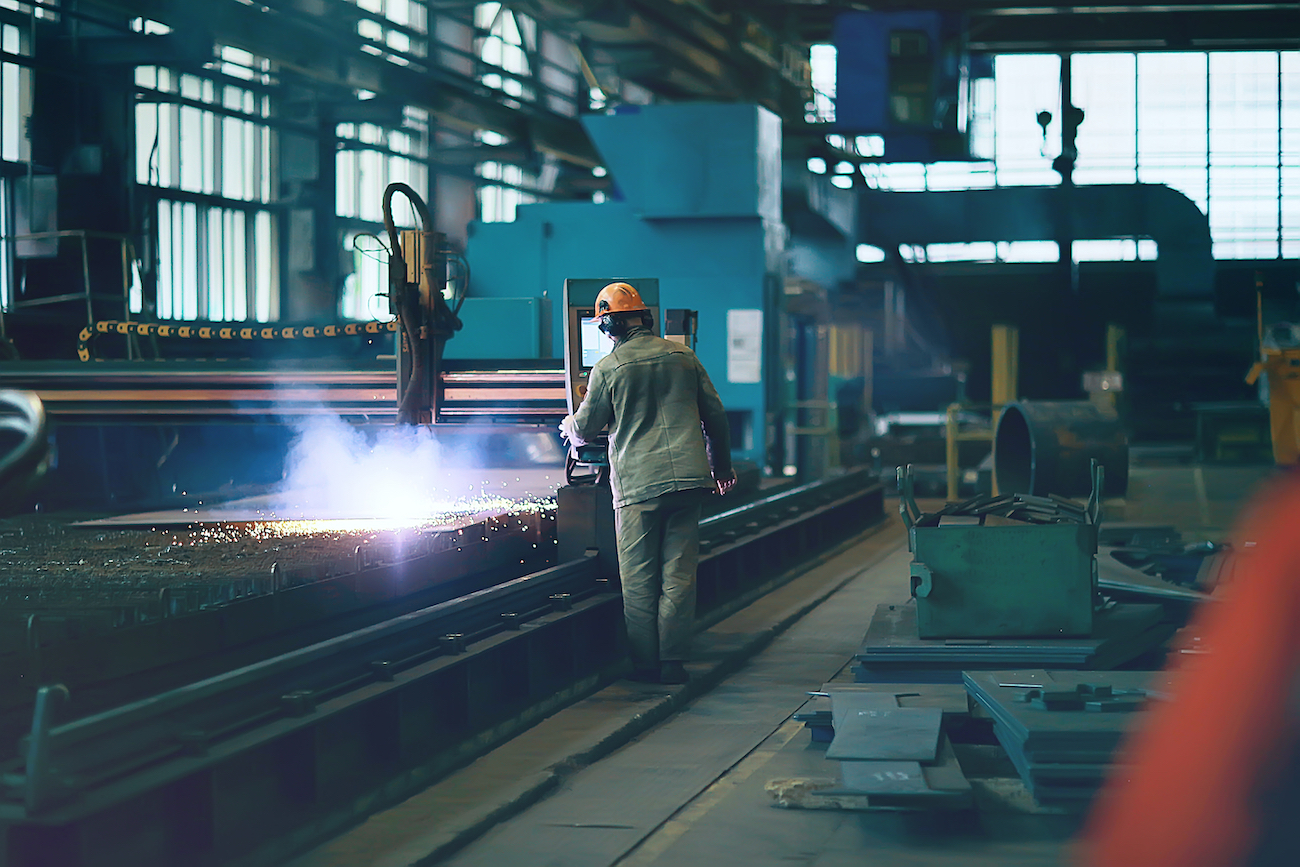
European steelmaking margins should recover in 2024 from this year’s trough as cost pressures ease and production increases, says Fitch Ratings.
About 30 million tonnes of hot metal capacity is currently idled in Europe, including long-term idles, as mills’ margins have been pressured in the second half of this year by costs remaining high despite steel prices falling. Utilisation rates in 2023 are at below 60%, the credit rating agency observes.
European apparent steel consumption fell over 7% on-year in 2022, with a 5% drop expected in 2023. Demand is expected to recover in 2024, with forecasts ranging from 5.8% to 7.6%, supported by automotive, industrial production and infrastructure spending, Fitch points out in a report seen by Kallanish.
Higher energy costs, rising geopolitical tensions, lower-than-expected economic growth and the possibility of prolonged high interest rates remain risks.
Increasing CO2 costs under EU ETS have meanwhile resulted in low-to-negative profits over marginal costs for European mills.
Adam Smith Poland
EU steel packaging surpasses 2025 recycling target
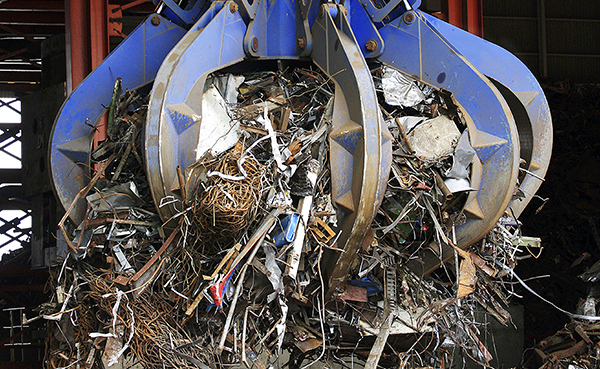
Steel packaging in the EU has met the bloc’s new recycling rate target for 2025 already, the Association of European Producers of Steel for Packaging (Apeal) revealed this week.
This follows the introduction of a harmonised method for calculating packaging recycling rates within the EU. The new methodology focuses on the amount of material actually recycled at the entrance of recycling operations, rather than just its collection.
Previously, EU member states utilised varying methods to determine their recycling rates for different materials, which led to inflated rates and masked the recycling challenges associated with multi-material packaging formats, the association observes.
While several EU member states have adopted the new EU calculation methodology, eight are still adhering to the previous regulations.
The new figures reveal that 78.5% of steel packaging was “really recycled” in 2021. This means that the EU steel recycling rate target of 70% by 2025 has already been reached.
“Steel’s magnetic properties make it easily recoverable from any waste stream, and its permanent quality ensures it can be recycled repeatedly without any loss in material quality,” Apeal secretary general Steve Claus says in a note seen by Kallanish. “These attributes have allowed steel to remain the most widely recycled primary packaging material in Europe for another year running and demonstrate why steel is so well aligned with the EU’s vision for a circular economy.”
Adam Smith Poland
Snop agrees low-emission steel supply from Tata
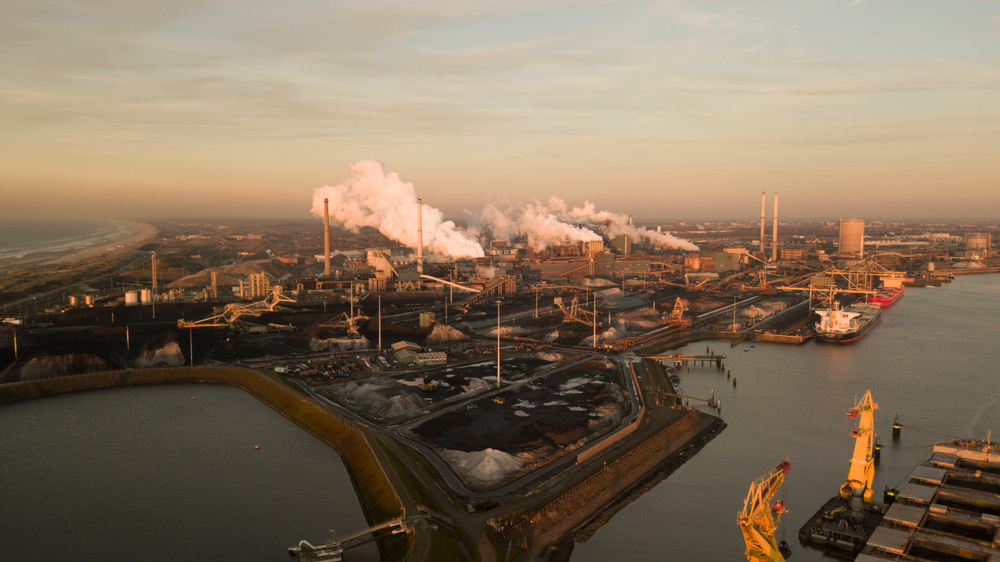
French automotive supplier Snop has continued its low-emission steel shopping spree, by signing a memorandum of understanding with Tata Steel Nederland for the long-term supply of Zeremis Carbon Lite steel.
This will enable the tier-one automotive supplier to manufacture high-strength structural car components, as well as outer panels for light commercial vehicles and high-end sports cars for various major car manufacturers, Tata Steel says. When the IJmuiden steelworks switches to the direct reduced iron-electric arc furnace steelmaking route from 2030, Tata Steel will supply Snop with Zeremis embodied green steel.
“An agreement of this duration and size is testament to SNOP’s commitment to driving sustainability in the automotive industry and to their confidence in our green steel plan. We are pleased to take our partnership to the next phase,” Tata Steel Nederland commercial director Heather Wijdekop says in a note sent to Kallanish. “We observe a growing interest in steel with a lower environmental footprint. The automotive industry is looking to reduce the carbon footprint of its entire value chain and steel is a key enabler.”
In June, Snop signed an agreement with ArcelorMittal to trial the steelmaker’s Usibor steel, made from XCarb recycled and renewably produced steel, in structural car parts. In August, it signed an agreement with Salzgitter Flachstahl to secure CO2-reduced steel from the SALCOS (Salzgitter Low CO2 Steelmaking) route (see Kallanish passim).
Adam Smith Poland

Thyssenkrupp’s Rotterdam logistics hub gets new ship unloader
Port of Rotterdam-based Ertsoverslagbedrijf Europoort has selected the supplier for the new ship unloader. The contract was awarded to Bedeschi, a local provider of solutions for the handling and storage of bulk cargoes.
EECV is a Dutch logistics subsidiary of thyssenkrupp Steel Europe and Hüttenwerke Krupp Mannesmann. With around 300 employees, the company operates one of Europe’s largest bulk handling facilities and the second-largest bulk terminal in the Port of Rotterdam. It handles around 24 million tonnes/year of iron ore and coal for steel production. The push boat shipping company thyssenkrupp Veerhaven transports this material up the Rhine River to the Ruhr steelmaking region.
The unloader, a grab crane, has been customised for EECV’s requirements, thyssenkrupp tells Kallanish. According to plan, it will be delivered to the quayside at the EECV terminal and assembled by the end of 2025. After a test phase, the new crane is scheduled to go into operation at the beginning of 2026.
By investing a mid-double-digit million euro sum in the new ship unloader, thyssenkrupp Steel is embarking on a programme of modernising the infrastructure at EECV’s almost 100-hectare terminal, the steelmaker notes.
Christian Koehl Germany

Konzernzentrale wird in nachhaltiges Gebäude in Düsseldorf verlegt
Klöckner & Co wird mit Auslaufen des Mietvertrages für die Büroflächen im Silberpalais in Duisburg die Konzernzentrale des Unternehmens nach Düsseldorf verlegen. Die Zentrale der Kloeckner Metals Germany GmbH sowie die Duisburger Mitarbeitenden der kloeckner.i GmbH werden ebenfalls in das neue Gebäude nach Düsseldorf ziehen. Der Umzug der rund 250 Mitarbeitenden soll spätestens im Sommer 2025 erfolgen. Das in Duisburg angesiedelte Lager von Kloeckner Metals Germany wird in Duisburg verbleiben.
Vor dem Hintergrund des auslaufenden Mietvertrages in Duisburg hat das Unternehmen im Vorfeld der Entscheidung rund 70 Standorte in Duisburg und benachbarten Städten anhand verschiedener Kriterien wie Lage und Verkehrsanbindung, Flächenqualität, CO2-Bilanz und Wirtschaftlichkeit der Objekte geprüft.
Guido Kerkhoff, Vorsitzender des Vorstands der Klöckner & Co SE: „Mit dem Umzug in das Objekt Airport Garden in Düsseldorf werden wir für unsere Mitarbeitenden ein nachhaltiges und zukunftsorientiertes Arbeitsumfeld schaffen. Gleichzeitig bleiben wir dem Ruhrgebiet und insbesondere Duisburg weiterhin verbunden. So werden wir unser soziales Engagement in Duisburg-Marxloh fortsetzen und beispielsweise das Education-Projekt des Klavierfestivals Ruhr und das Projekt der ReDI School of Digital Integration weiterhin tatkräftig unterstützen.“
Neue Konzernzentrale des Unternehmens wird das Gebäude Airport Garden am Düsseldorfer Flughafen. Der Airport Garden ist im Rahmen der international anerkannten Nachhaltigkeitszertifizierung für Immobilien – „LEED“ (Leadership in Energy and Environmental Design) – mit dem Gold-Standard ausgezeichnet. So wird im Gebäude beispielsweise Betonkernaktivierung zum energieeffizienten Heizen und Kühlen der Arbeitsflächen genutzt. Mit dem Umzug wird Klöckner & Co seine CO2-Emissionen in der Konzernzentrale im Vergleich zum aktuellen Standort um mehr als die Hälfte reduzieren. Das Gebäude bietet zudem aufgrund seiner Lage auch eine sehr gute Verkehrsanbindung.
Die neuen Flächen orientieren sich eng am „New Work“-Arbeitskonzept, berücksichtigen die veränderte Arbeitsweise seit der Pandemie und werden möglichst flexibel gestaltet werden – auch unter engem Einbezug der Duisburger Mitarbeitenden. Damit schafft das Unternehmen eine moderne Konzernzentrale, die mehr Raum für teamübergreifenden Austausch und Projekte schafft und gleichzeitig mehr Flächen für Fokusarbeit bietet. Jones Lang LaSalle (JLL) war beratend tätig und unterstützte den Immobiliensuchprozess.
Quelle: Klöckner & Co

Rheinhochwasser legt Schifffahrt lahm: Pegelstände erreichen kritische Marke
Das Hochwasser am Rhein hat verheerende Auswirkungen auf die Schifffahrt. Mit einem Pegelstand von 7,50 m bei Karlsruhe ist die Schifffahrt zwischen Iffezheim und Germersheim bereits eingestellt. Die Prognose für einen weiteren Anstieg auf über 8 m und die erwartete Scheitelphase am Donnerstag lassen das Wasserstraßen- und Schifffahrtsamt (WSA) befürchten, dass der Rhein die gesamte Woche gesperrt bleibt.
Die Gründe für die Hochwassersituation sind Regen und Tauwetter. Auch zwischen Basel und Kehl steht die Rhein-Schifffahrt still, während in Basel Schiffe ab einem Pegelstand von 7 m von Schleppern gezogen werden müssen. In Karlsruhe wird das Sperrtor bei 7,50 m geschlossen, was den Hafen unzugänglich macht.
Die Wiederholung einer ähnlichen Situation vor drei Wochen, als bis zu 35 Frachtschiffe wegen Hochwassers an der Schleuse Iffezheim festlagen, unterstreicht die Ernsthaftigkeit der aktuellen Lage. In Mainz, Bingen und Koblenz wurden bereits Schifffahrts-Hochwassermarken überschritten, was besondere Vorsichtsmaßnahmen für die Schifffahrt erfordert.
Quelle: Wasserstraßen- und Schifffahrtsverwaltung des Bundes / marketSTEEL