


EU plans to revise Research Fund for Coal and Steel to boost decarbonisation and innovation
The European Commission has announced that it has accepted proposals to revise the legal framework governing the Research Fund for Coal and Steel (RFCS). The reform is intended to strengthen research and innovation support for the decarbonisation and clean transition of Europe’s coal and steel sectors, while reinforcing long-term industrial competitiveness.
The initiative is aligned with the Steel and Metals Action Plan published in March 2025, which highlighted the need to simplify and accelerate investment in steel-related research and innovation across the EU.
RFCS role in de-risking clean steel projects
According to the Commission, the RFCS plays a central role in de-risking research, innovation and decarbonisation projects, helping to preserve Europe’s technological leadership and industrial base. The revised framework is designed to complement other EU policy instruments aimed at maintaining robust steel production within the bloc and supporting strategic autonomy in critical industrial value chains.
By improving alignment with existing EU funding tools, the reform seeks to ensure that RFCS funding is deployed more effectively and reaches a broader range of innovation projects.
Supporting a just transition in coal regions
Beyond steelmaking, the reform is also positioned as a key element of the EU’s just transition strategy for coal mining regions. By increasing the effectiveness and attractiveness of the Fund, the Commission aims to ensure that businesses, researchers and local communities in coal and steel regions can actively participate in the clean transition.
Key funding changes under proposal
The proposed reform introduces several financial and structural changes intended to enhance the impact of EU support.
Annual allocations under the RFCS would increase significantly, with the funding ceiling rising from €111 million to €200 million, accelerating the mobilization of around €800 million for research and innovation investments.
In addition, co-funding rates would be aligned with Horizon Europe, increasing the EU contribution from 50 percent to 70 percent for industry participants and from 70 percent to 100 percent for small and medium-sized enterprises and academic institutions. These changes are expected to improve accessibility, reduce administrative burdens, and strengthen links with other EU instruments such as the Innovation Fund and Horizon Europe.
The legislative proposals will now be submitted to the Council of the European Union and the European Parliament, whose consent is required for one of the decisions under the RFCS legal framework. Discussions and voting in the Council are expected to take place during spring 2026. Subject to approval, the revised framework would enter into force in January 2027 and apply to future RFCS programs following their formal adoption and publication in the EU Official Journal.

Local Polish scrap prices consolidate at higher levels in December
As SteelOrbis had forecast last week, and in line with the local scrap price trends in other European countries, local purchase prices from mills in Poland have increased in December compared to November.
Even though finished steel sales are not performing greatly in the local market in Poland and the market seems quiet as the winter holidays are approaching, some signs of price increases in finished steel sales are emerging in the market due to various factors, especially the CBAM issue.
Following the rising trend in scrap purchase prices by mills in other European countries such as Germany, Italy and France, Polish mills have also increased their scrap purchase prices by PLN 50-70/mt (€12-15/mt) month on month. According to market sources, Polish mills are now paying an average of PLN 1,145/mt (around €270/mt) delivered for HMS I scrap and PLN 1,040/mt (around €245/mt) delivered for HMS II scrap.
In the export segment, exporters have been reporting slightly higher bids compared to the latest data collected by SteelOrbis because, in the wake of rising import scrap prices in Turkey experienced at the beginning of this month, suppliers were “no longer available to sell at those prices [i.e. €243/mt DAP on average]”, a source said. As a consequence, HMS I scrap prices at export yards in Poland have settled at around €250/mt DAP, rising by around €7/mt since the beginning of the month.
“Most likely port prices will need to increase [considering that exporters’ bids for HMS I/II 80:20 scrap at other European ports are in the range of €265-269/mt DAP], but at the moment there are no clear signals from the selling side to justify such a move”, a major exporter in Poland commented.
€1 = PLN 4.22

EU HRC prices show limited movement despite ArcelorMittal’s push
European hot rolled coil (HRC) prices have seen an upward push this week, led by ArcelorMittal, which has raised its domestic offers across the EU by approximately €20/mt compared to last month. Other European mills, especially those in the north, are expected to attempt to follow suit in the near term. At the same time, European producers are increasingly counting on the introduction of the Carbon Border Adjustment Mechanism (CBAM), which was published on December 17, while import trade activity has remained close to zero.
Specifically, in the local EU market, ArcelorMittal announced its new price target for HRC at €670/mt delivered, mainly for March deliveries, up €20/mt from the previous official levels announced last month.
“The rest of the mills will do the same, just to spark the last bookings to fulfill February capacity and keep prices on the high side before the holidays,” a European trader told SteelOrbis.
“It is very doubtful that the new levels will be workable,” another source said.
Meanwhile, local mills in northern Europe have kept targeting €630-650/mt ex-works for new orders for January and February deliveries, the same as last week. The tradable price levels for January delivery coils have been estimated at €610-630/mt ex-works, mainly for January delivery, up by €10/mt on the higher end of the range week on week.
In Italy, mills have been targeting €620-630/mt for January delivery, the same as last week, while the tradable price level for January delivery has been estimated at €600-630/mt ex-works, up by €10/mt on the higher end of the range week on week.
In the import segment, indicative offer prices for HRC have settled at €485-535/mt CFR, compared to €490-520/mt CFR last week, while HRC import offers including CBAM costs on DDP basis have been voiced at €600-620/mt levels, depending on the supplier, up by €5-10/mt on week.
Import offers on CFR basis, excluding CBAM-related costs, have remained scarce in the region this week, with most suppliers providing only indicative numbers. In particular, offers for ex-Indonesia HRC have settled at around $565/mt CFR, which translates to around €485/mt CFR. Besides, offers for ex-India HRC have been voiced at $575/mt CFR, which translates to around €491/mt CFR, the same as last week. Offers for ex-Thailand have settled at around €535/mt CFR, while offers for ex-Turkey HRC have remained at around €520/mt CFR, duty included.
Offers for ex-Algeria and ex-Turkey HRC on DDP basis, including CBAM, have been voiced at €610-620/mt DDP.

EU moves to strengthen CBAM with downstream coverage and anti-circumvention rules
The European Commission has proposed a new package of measures aimed at closing loopholes, preventing circumvention and strengthening the effectiveness of the Carbon Border Adjustment Mechanism (CBAM), responding directly to feedback from industry stakeholders. The proposals are designed to reinforce CBAM’s core objective of preventing carbon leakage, while supporting the competitiveness of EU producers as the bloc transitions toward low-carbon production.
Extension of CBAM to downstream products from 2026
From January 1, 2026, the Commission proposes extending CBAM beyond basic materials such as steel, aluminum, cement and electricity to cover steel- and aluminum-intensive downstream products.
Around 180 downstream products would be brought into the scope of CBAM, including machinery, appliances and specialized industrial equipment. Approximately 94 percent of these products are industrial supply-chain goods with a very high steel or aluminum content, averaging around 79 percent, such as base metal mountings, cylinders, industrial radiators and casting machinery. The remaining six percent consists of household goods. The Commission argued that this extension is necessary to prevent emissions from being shifted along the value chain or relocated outside the EU.
Anti-circumvention measures reinforced
Building on lessons from the transitional phase and priorities set out in the Steel and Metals Action Plan, the Commission proposes stronger anti-circumvention safeguards.
A key change is the inclusion of pre-consumer aluminum and steel scrap in CBAM calculations, aiming to support recycled material use while ensuring consistent carbon pricing between EU-produced and imported goods. Additional measures include stricter reporting and traceability requirements, enhanced scrutiny of declared emission intensities, and stronger powers for the Commission to intervene in cases of suspected abuse. Where actual emission data is considered unreliable, the Commission would be able to require additional proof or apply country-level default values in specific cases.
International dimension and trade facilitation
The proposals also respond to concerns raised by trusted international partners. To address these, the Commission introduces simplifications and flexibilities, including the concept of equivalence for carbon taxes and carbon price deductions.
A new clause would allow for negotiated trade facilitation arrangements, such as mutual recognition of accredited verification bodies and agreements on the equivalence of carbon price deductions. These elements aim to strengthen CBAM’s international dimension and promote decarbonisation beyond EU borders.
Temporary Decarbonisation Fund proposed
To complement the reforms, the Commission proposes creating a Temporary Decarbonisation Fund to support EU producers of CBAM goods that remain exposed to carbon leakage risks, particularly in third-country markets.
The fund would partially reimburse EU ETS carbon costs, provided beneficiary companies demonstrate credible decarbonisation efforts. Financing would come from member state contributions equivalent to 25 percent of CBAM certificate revenues in 2026–2027, with the remaining 75 percent allocated as an EU own resource.
EUROFER: Measures positive but not enough
Meanwhile, the European Steel Association (EUROFER) has stated that the European Commission’s latest proposals on the Carbon Border Adjustment Mechanism (CBAM) recognize several structural weaknesses that could undermine the instrument’s effectiveness. These include shortcomings related to EU exports, downstream sectors and circumvention practices. However, EUROFER has warned that the proposed measures do not yet amount to a comprehensive or durable solution capable of preventing carbon and jobs leakage

Thyssenkrupp strip mill modernisation improves efficiency, digital readiness
SMS has successfully completed the modernisation of automation systems in the coiler area of hot strip mill No.1 at thyssenkrupp Steel Europe in Duisburg, Kallanish notes.
Originally built and put into service by SMS, the mill produces high-quality carbon steel flat products in a wide range of grades and dimensions. The upgrade ensures efficiency, reliability and digital readiness, the supplier claims.
The project focused on updating the level 1 automation and human machine interface (HMI) systems for the mill’s three down-coilers, addressing challenges posed by outdated spare parts and legacy operating systems. It implemented the technological control system (TCS) and HMI enhancements, significantly optimising down-coiler operations.
According to SMS, central to the modernisation was the integration of SMS group’s X-Pact ProBAS software platform combined with X-Pact Embedded controllers. “Furthermore, the HMI upgrade introduced modern visualisation with ergonomic faceplates, improving user interaction and diagnostic capabilities. These measures ensure continuous plant availability and create a strong foundation for future digitalisation initiatives,” it adds.
“With this recent upgrade, we have implemented high-speed control and modern communication technologies to support efficient and stable operations at the hot strip mill,” says SMS service manager Michael Wirtz.
Earlier, thyssenkrupp said it anticipates revenue growth of between negative 2% and positive 1% in its fiscal year through September 2026. The group is in close negotiations with Jindal Steel, which is testing a takeover of tk Steel.


ArcelorMittal Belgium takes step towards electrification
ArcelorMittal Belgium has started construction of the new Baekeland high voltage substation, following a groundbreaking ceremony on 15 December attended by Flemish Minister of Ports Annick De Ridder, Port Alderman Sofie Bracke and the chief executives of Elia and North Sea Port, as well as ArcelorMittal Belgium Frederik Van De Velde.
ArcelorMittal Belgium will be the first industrial consumer to be connected directly to the 380 kV grid once the installation becomes operational in 2030. The steelmaker has signed a connection agreement with Elia as part of its plan to shift to an electric furnace route, which will require substantially more power. Its current 150 kV connection is not sufficient for the future equipment. The upgrade is described as a vital step in the company’s decarbonisation strategy.
“With this groundbreaking, we are taking an essential step towards electric steel production. As soon as the preconditions are met, we will be ready to produce low-carbon steel on an industrial scale,” Van De Velde says in a note obtained by Kallanish.
The substation will act as a key hub in the Belgian electricity network. It will receive power through cables and overhead lines, with transformers converting electricity to various voltage levels for major industrial users. The project is expected to significantly improve power availability for the port area and surrounding industry, while supporting the region’s broader energy transition.
ArcelorMittal Belgium currently uses two blast furnaces. The company plans to construct two EAFs, progressively phasing out the existing blast furnaces and targeting a 50% reduction in CO2 emissions. In Belgium, ArcelorMittal operates four steel hubs located in Ghent, Geel, Genk and Liège, generating approximately €5 billion ($5.84 billion) in revenue, employing around 5,000 people.
In Belgium, the steelmaker is implementing the CCU Steelenol project. The €215m facility operating in Ghent may be shut down, the steelmaker warned in June, as it is unprofitable due to current EU regulations.
Last month, Van De Velde said that limited green-steel demand is a threat to ArcelorMittal Belgium decarbonisation. Speaking at a hearing in the Belgian federal parliament, Van De Velde emphasised that current green steel volumes are insufficient to justify further large scale investments or to reach the 2m tonnes/year of green steel capacity required to build the company’s first electric arc furnace (see Kallanish passim).

European HRC prices drop slightly, market awaits new regulations
European steel hot-rolled coil prices decreased slightly on Wednesday December 17, with demand still subdued as market participants are in no rush to do “urgent” business before the holidays, Fastmarkets heard.
Mills’ order books are “satisfactorily” full, while demand in the market remains “not so buoyant” with the approach of the holiday period, a distributor source said.
However, mills remain “positive” for the coming year, as new trade measures are expected to reduce imports’ volumes, the source also said.
In Northern Europe, estimates of workable levels were heard within the range of €610-630 ($717-740) per tonne ex-works.
Fastmarkets’ daily steel hot-rolled coil index domestic, exw Northern Europe was €623.33 ($732.61) per tonne on Wednesday, down by €0.21 per tonne from €623.54 per tonne on Tuesday.
The index was up by €3.75 per tonne week on week and by €10.83 per tonne month on month.
In Italy, estimates of workable prices were heard within the range of €600-620 per tonne ex-works. A deal was also heard at €610 per tonne ex-works during the day.
Fastmarkets’ daily steel hot-rolled coil index domestic, exw Italy was calculated at €612.50 per tonne on Wednesday, down by €0.83 per tonne from €613.33 per tonne on Tuesday.
The index was up by €0.50 per tonne week on week and by €12.50 per tonne month on month.

EU dilutes 2035 ICE ban, set to support green steel, biofuels, small electric cars
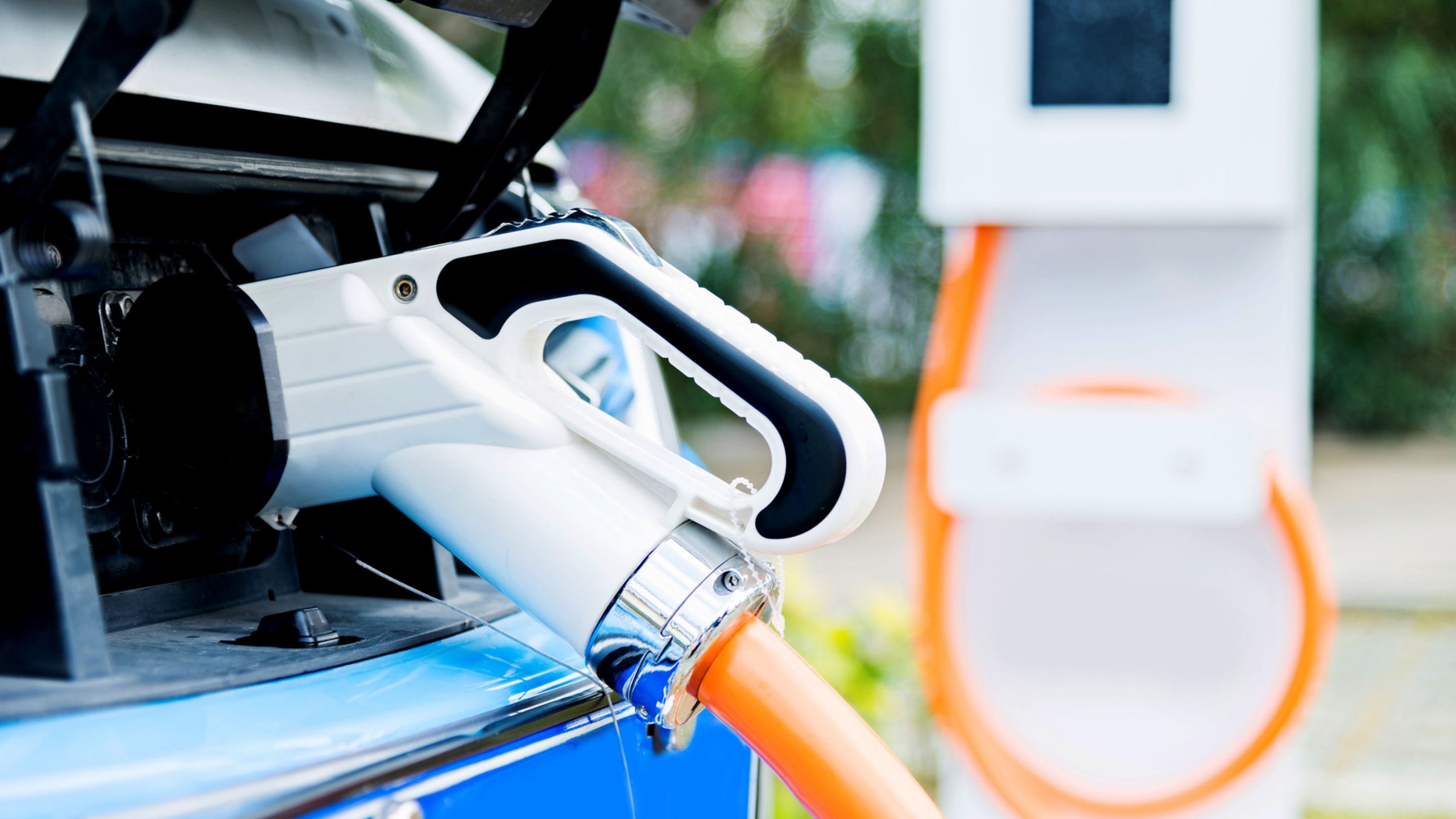
The European Union plans to remove a ban on new internal combustion engines (ICE) initially set for 2035, allowing some emissions from petrol engines and hybrids if they are offset by green steel and biofuel use, while supporting small electric vehicle (EV) makers.
Steel sources welcomed potential demand for green steel, yet there is a risk of cheaper options being prioritized.
The European Union is suggesting more relaxed carbon (CO2) emission targets for new passenger cars and light commercial vehicles for 2035, allowing further production of ICE and hybrid cars, according to the European Commission’s Automotive Package regulation proposal, published on Tuesday December 16.
In 2022, the EC had set up the target for 2035: to sell new cars with zero carbon emissions, as outlined in the EU’s Regulation 2019/631 and in line with climate-friendly policies.
Now, this target is lowered to minus 90% to the 2021 emission level, with the remaining 10% emissions to be compensated with the use of “low-carbon steel ‘made in the EU’, or from e-fuels and biofuels”, the EC said.
In a move to support electric mobility, the new Automotive Package also includes credits for car makers toward “small affordable electric cars made in the EU” and financing of European battery makers via the €1.8 billion ($2.1 billion) Battery Booster program.
“It sounds like a lot of money, but in reality it is not enough,” William Adams, Fastmarkets’ head of base metals and principal battery raw materials analyst, said. He added that Swedish battery maker Northvolt received €0.9 billion state funding yet this did not save it from insolvency.
EV market in need of realistic targets
The new EU’s reduction of emission targets is “disappointing but probably necessary” to support the automakers in Europe, Adams said.
In 2025, new car registrations in the EU included 27% of petrol engines and 35% of hybrid EVs (ICEs with extra battery), with approximately 25% of the new fleet being plug-in EVs and battery EVs, the European Automobile Manufacturers’ Association (ACEA) said. The association represents 15 major producers in the region.
Demand from EVs have been crucial for metals and minerals used in their batteries, such as lithium, cobalt, graphite, manganese, nickel, among others.
“ACEA called for an urgent revision of the current CO2 standards for cars and vans because, with today’s market conditions, the 2030 and 2035 CO2 targets for cars and vans are no longer realistic,” the association said in a statement about the new Automotive Package on Tuesday.
Market conditions for the European automotive sector have been challenging, with slow consumer demand and competition from China-made vehicles.
“With annual car production down by 3 million and small car sales down by 1.6 million over the past six years, reviving this segment and supporting the uptake of electric vehicles made in the EU will support production and jobs”, the EC said in a statement.
The EC says that with a new regulation, “plug-in hybrids (PHEV), range extenders, mild hybrids, and internal combustion engine vehicles could still play a role beyond 2035, in addition to full electric and hydrogen vehicles.”
New rules could boost green steel demand but favor cheaper options
Fastmarkets’ sources from the steel industry said the suggested changes could support demand for low-carbon, or “green”, steel, which is a niche market now.
“The number of projects in Europe that genuinely require green steel is very small, and the pool of buyers remains limited,” a source at a German steel service center told Fastmarkets.
“If automakers can offset up to 10% of emissions by using low-carbon or green steel produced in Europe, green steel shifts from being a cost burden to a regulatory asset and a competitive advantage,” a steel mill source in Europe told Fastmarkets.
Fastmarkets launched the world’s first green flat steel premium assessment in Europe in 2023, marking the industry’s search for decarbonization.
Fastmarkets’ methodology defines European green flat steel as “steel produced with Scope 1, 2 & 3 emissions at a maximum of 0.8 tonnes of CO2 per tonne of steel.”
Yet with a lack of clear definition of “green steel” in the new regulations, the policy risks stimulating demand primarily for reduced-carbon steel rather than truly green steel, unless thresholds are clearly defined, Fastmarkets understands.
Most integrated flat steelmakers in Europe still use blast furnace/basic oxygen furnace (BOF) production route but reduce their CO2 emissions to comply with the strict EU regulations, and sales of steel with a 20-30% reduction in carbon emissions represent a tangible segment of the market and can attract significant premiums.
Fastmarkets’ methodology defines reduced carbon flat steel as steel produced in blast furnaces with emissions threshold of 1.4-1.8 tonnes of CO2 per tonne of steel.
Green steel is a more expensive option compared with reduced-carbon steel, Fastmarkets’ data shows.
Fastmarkets’ weekly assessment of the green steel domestic, flat-rolled, differential to HRC index, exw Northern Europe, meanwhile, was set at €140 per tonne at the midpoint on December 11.
Fastmarkets’ assessment of the flat steel reduced carbon emissions differential, exw Northern Europe was €45 per tonne at the midpoint on December 11.
How much green steel would be needed
Industry sources stressed many times that green steel will remain a niche market, unless the EU steps up with public procurement project and incentives, stimulating OEMs to “buy green.”
In Fastmarkets’ calculations, the newly proposed emission offset (to 10% of the 2021 levels) by green steel usage could be capped at around 1 million tonnes per year.
Around 800 kilograms of steel are used in each EU passenger car, according to the International Council on Clean Transportation. In 2024, EU new passenger car registrations amounted to 10.6 million units, ACEA data show. Based on these inputs, around 8.5 million tonnes of steel per year are used for passenger cars production in the EU.
EU new van registrations (light commercial vehicles) amounted to 1.58 million units per year in 2024, while amount of steel used per van is around 1.00-1.20 tonnes. So, total steel in use in vans is around 1.6 million-1.9 million tonnes a year.
Total steel in new EU cars (passenger and vans together) is therefore roughly 10.1 million-10.4 million tonnes, making it the ceiling for the demand.
Assuming only about 10% of new cars and vans need offsets and they “cover it” with low-carbon steel purchases, Fastmarkets estimates around 1 million tonnes per year of green steel demand, generated by the mentioned policy update.
Even if 100% of the allowable 10% compliance were met using only green steel, not biofuels, demand would be mechanically capped at around 1 million tpy unless the threshold is raised or steel earns disproportionate CO2 crediting.
How biofuels may come into play
“Electromobility will remain the dominant pathway, but other viable technologies can help cut emissions”, according to ACEA’s comments on the new EU’s Automotive Package.
E-fuels and biofuels are another way to compensate CO2 emissions and to allow different types of vehicles in Europe, the new regulation says.
There is limited immediate impact from the new regulations, since biodiesels have limited use in passenger vehicles and e-fuels are a nascent industry, according to Fastmarkets’ analyst Melissa Cousin.
E-fuel is gasoline fuel produced using renewable electricity, water and captured CO2, but its production is an emerging industry due to high production costs, Cousin said.
“Biofuels are liquid or gas fuels produced from biomass, now mostly coming from agriculture and waste products; and biodiesel is usually blended with conventional fossil-origin diesel to be used in combustion engines, mostly in delivery trucks, construction and agriculture equipment,” Cousin said.

EUROFER warns CBAM proposals single out key loopholes but fall short of ensuring comprehensive and structural solutions
The European Commission’s latest proposals on the Carbon Border Adjustment Mechanism (CBAM), unveiled today, correctly identify several loopholes that risk undermining its effectiveness, notably regarding EU exports, downstream sectors and circumvention practices.
However, despite these laudable efforts, the measures put forward fail to deliver a comprehensive and durable response to carbon and jobs leakage, warns the European Steel Association (EUROFER).
“Recognising the weaknesses of CBAM and proposing remedies is a long-awaited and necessary first step to ensure the effectiveness of the mechanism. However, the solutions proposed so are insufficient, and fail to address key weaknesses. They do not yet provide the level of protection against carbon and jobs leakage European steel urgently needs to successfully transition while remaining competitive on global markets. If the EU wants to lead by example and match its climate ambition with a credible industrial policy, CBAM must be made rock-solid and watertight – and this, from day one”, said Axel Eggert, Director General of EUROFER.
In particular, the approach to EU exports remains piecemeal and lacks a structural solution. The proposed measures are limited both in time, with a duration of only two years, and in product scope, with less than a quarter of steel exports covered. Moreover, the financial resources of such Transitional Decarbonisation Fund are highly uncertain. Without a long-term and comprehensive solution, EU steel producers remain at a competitive disadvantage on global markets.
The Commission also rightly acknowledges circumvention risks, including resource shuffling. Such practice, if not properly addressed, would favour creative emissions accounting by artificially lowering reported emissions without driving their reduction at global level. While this recognition is welcome, the proposed measures are highly uncertain in time and effectiveness since they do not provide convincing deterrents but only potential ex-post fixes to be developed by the Commission in future implementation rules. The inclusion of pre-consumer scrap as a CBAM precursor, which was a priority only for an aluminium operator, risks creating countereffects in the steel sector.
As regards downstream sectors, the Commission proposes extending CBAM coverage only to a very limited number of downstream products. While this constitutes a first move in the right direction, it falls short of protecting downstream products at risk of carbon leakage, leaving gaps along the value chain and creating new potential loopholes.
“We sincerely appreciate the Commission’s continued engagement with the steel sector to implement the Steel and Metals Action Plan (SMAP), but goodwill alone is not enough. Without structural solutions, CBAM risks backfiring by further penalising European steelmakers and their customers striving for decarbonisation in a challenging geo-economic environment where massive overcapacity, high energy prices and unfair trade practices do not allow any margin for error any longer. We stand ready to discuss further with the legislators how to make CBAM fully watertight and effective for our value chains.”, concluded Axel Eggert.

ArcelorMittal Belgium advances low-emission steelmaking with new high-voltage substation
ArcelorMittal Belgium has announced that construction of its Baekeland high-voltage substation has officially begun, marking a significant step toward electric and low-carbon steel production.
The facility is designed to receive electricity via high-voltage cables and overhead lines and transform it into voltage levels suitable for large industrial consumers. Once operational, it will become a key node in the Belgian electricity grid, strengthening power supply to the port area and surrounding industrial sites.
Key role in Belgium’s energy transition
The Baekeland substation is expected to play a central role in supporting the regional energy transition. From 2030 onwards, ArcelorMittal Belgium will be the first company to be directly connected to the high-voltage grid.
For ArcelorMittal Belgium, the project is a critical enabler of its decarbonisation strategy. The planned transition toward electric steelmaking, including future electric arc furnace (EAF) operations, requires substantially higher electricity volumes than can be delivered through the company’s existing 150 kV connection.
To address this constraint, ArcelorMittal Belgium signed an agreement with Belgian transmission system operator Elia to secure access to the 380 kV high-voltage grid. This new connection will provide the capacity needed to operate electric steelmaking facilities and reduce the carbon intensity of steel production.
With construction works now under way, the Baekeland high-voltage substation is scheduled to enter operation in 2030, aligning with ArcelorMittal Belgium’s longer-term roadmap for electric, low-emission steel production.