Tata Steel Nederland joins European circular steel research project
Tata Steel Nederland, a subsidiary of Indian steelmaker Tata Steel, has announced that it has joined the European research project Circular Steel for Mass Market Applications (CiSMA), which aims to develop high-grade steel produced entirely from recycled scrap using electric arc furnace (EAF) technology.
The initiative focuses on creating low-carbon steel suitable for applications including automotive manufacturing and household appliances such as washing machines.
A key objective of the CiSMA project is to achieve a 70 percent reduction in carbon emissions in sheet steel production through the use of:
100 percent recycled scrap,
electric arc furnace steelmaking,
circular production methods.
Although fully scrap-based steel production is not yet commercially feasible on a large scale, the project is expected to generate valuable knowledge for producing high-quality steel with 30-40 percent scrap content.
According to Tata Steel Nederland researcher Dr. Radhakanta Rana, the project aims to strengthen the European circular economy while supporting the company’s transition toward green steel production.
The project seeks to recover valuable critical raw materials such as copper from scrap streams.
Automotive and appliance industries involved
The CiSMA consortium includes industrial and research partners from across Europe, including Volvo Cars, Electrolux Professional, voestalpine. The companies are evaluating the commercial applicability of recycled steel in cars, washing machines, and industrial equipment.
The CiSMA project is coordinated by Eurecat in Spain and involves 13 partners from five European countries. The project has a total budget of nearly €4.5 million and is funded under the EU’s Horizon Europe program.
SSAB delays Oxelösund EAF project due to permitting appeals
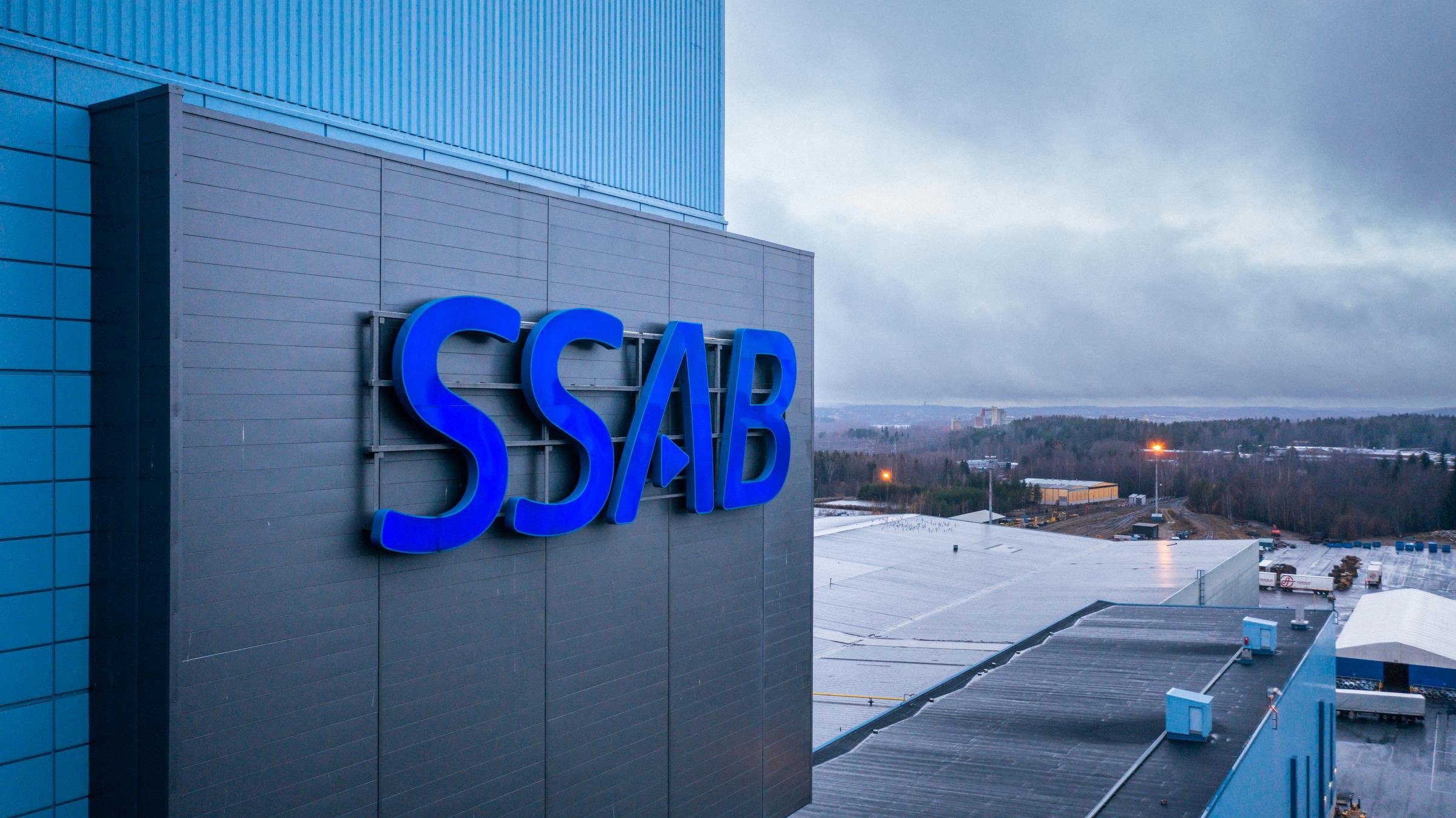
Swedish specialty steelmaker SSAB has announced that the conversion of its Oxelösund mill to fossil-free steel production will be delayed due to appeals connected to species protection regulations affecting the permitting process for a new power line. The delay impacts the electricity grid connection required for the company’s new electric arc furnace (EAF).
According to the company, Vattenfall Eldistribution informed SSAB that the timetable for the required grid connection has been postponed. The new power infrastructure is considered critical for the operation of the planned fossil-free steelmaking facility.
EAF construction continues as planned
Despite the permitting setback, SSAB stated that construction of the electric arc furnace itself continues according to schedule and remains within budget. The company had previously targeted the start of production at the new EAF in early 2027.
SSAB President and CEO Johnny Sjöström criticized the impact of Sweden’s permitting and grid approval procedures on industrial investment projects. He stated that uncertainty surrounding permitting processes and electricity infrastructure approvals represents a significant risk for future industrial electrification and modernization investments in Sweden.
Sjöström also emphasized that the European Union considers the steel industry a strategic sector, particularly amid increasing civil and military preparedness requirements across Europe.
The company said it will provide further updates once the full extent of the delay becomes clearer.
No major impact expected on 2026 performance
According to SSAB, the postponement is not expected to materially affect the company’s earnings or cash flow during 2026. The company also noted that current production operations and customer deliveries will remain unaffected.
SSAB stated that once the Oxelösund conversion project is fully completed, Sweden’s total carbon dioxide emissions are expected to decline by approximately three percent.
Steel production halt at Nova Željezara Zenica disrupts Balkan supply chains
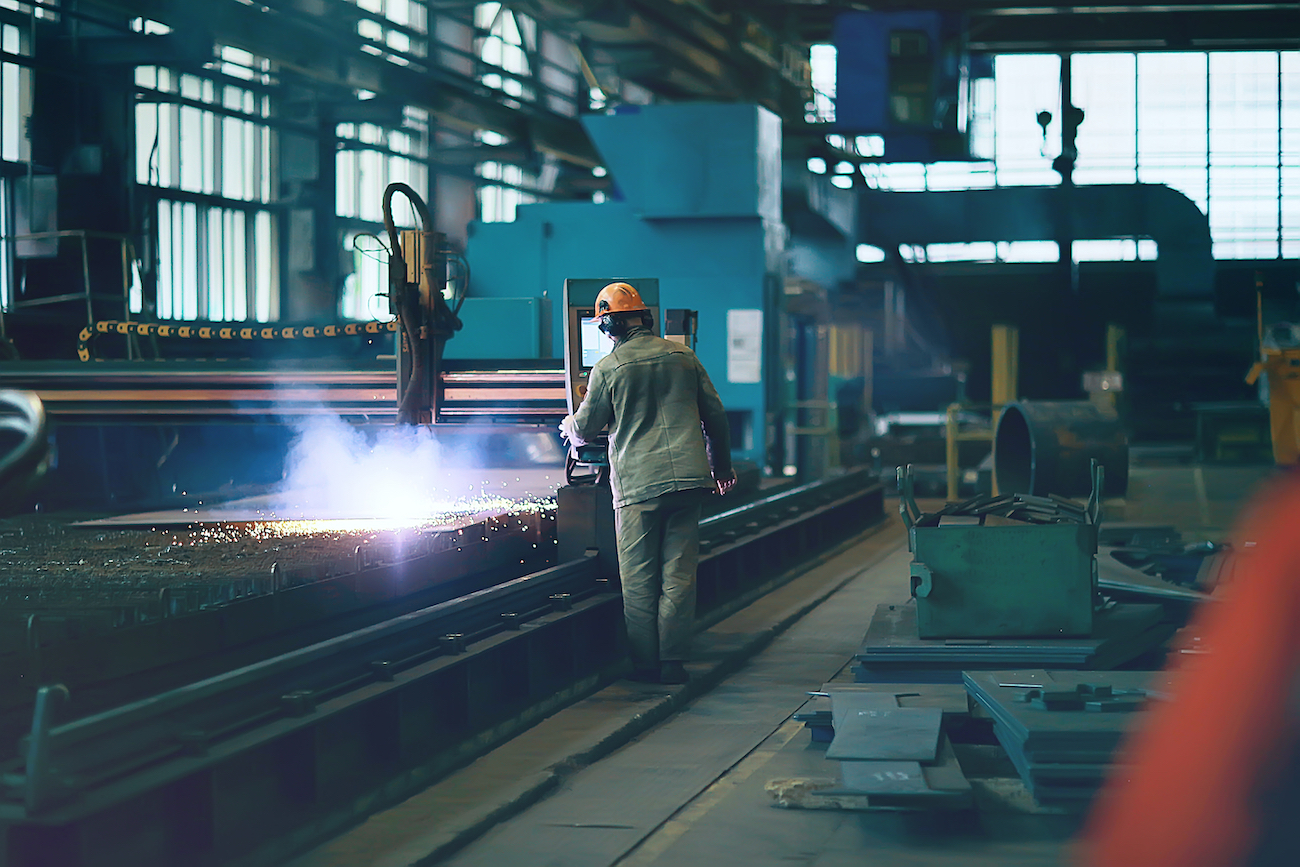
The suspension of steel production at Bosnia and Herzegovina-based leading steelmaker Nova Željezara Zenica has begun disrupting regional industrial supply chains, affecting rail transport, port activity and downstream manufacturing sectors across Southeast Europe, according to a report by Intellinews.
The shutdown has raised concerns over broader economic consequences for Bosnia and Herzegovina’s industrial ecosystem and regional logistics networks.
The interruption in steel production has impacted:
railway freight operators,
port logistics,
raw material suppliers,
industrial customers dependent on steel deliveries.
The steelworks historically played a central role in regional supply chains, supporting both domestic and export-oriented industries.
Rail and port activity declines
The production suspension has reportedly led to reduced freight volumes on regional rail corridors and lower throughput at ports handling raw materials and finished steel products. The disruption is affecting iron ore and coal shipments, finished steel exports, and related logistics operations connected to the steel sector.
Meanwhile, manufacturers relying on steel from Nova Željezara Zenica are facing uncertainty regarding delivery schedules, inventory management, and sourcing alternatives.
Concerns grow over regional industrial impact
Industry observers warn that prolonged production stoppages could have wider economic implications for Bosnia and Herzegovina, including lower industrial output, reduced freight activity, employment risks, and pressure on local suppliers.

Green steel standards and CBAM reshape Turkish steel industry
Within the scope of the “Decarbonization of the Turkish Steel Industry” project coordinated by the Istanbul Policy Center, industry representatives, public institutions, researchers, and participants from steel-consuming industries came together at the “Information Session on the Turkey Steel Industry Network Working Program.” During the meeting, topics such as the European Union’s Carbon Border Adjustment Mechanism (CBAM), low-emission steel definitions, green steel standards, financing challenges, and the sector’s transformation process were discussed.
Speaking at the opening of the meeting, Project Coordinator Dursun Baş from the Istanbul Policy Center stated that the “Decarbonization of the Turkish Steel Industry” project, which started in June 2022 and will complete its fourth year as of June 2026, initially focused on crude steel producers in Turkey. Baş explained that the project involved not only crude steel producers, but also public institutions, industry associations, financial organizations, and steel-consuming sectors through collaborative efforts. He emphasized that the decarbonization of the sector is not solely the responsibility of crude steel producers and stated that this transformation must be addressed together with the energy, natural gas, logistics, financing, public policy, and steel-consuming sectors. Noting that the Turkish steel industry’s emissions burden does not stem only from integrated mills, Baş said that electric arc furnace-based plants also generate significant indirect emissions due to their high electricity consumption. He additionally pointed out that emissions arising from natural gas usage, transportation, and logistics are also significant.
Verified emissions data and financing pressures mark new phase
Speaking during the meeting, Muammer Bilgiç, executive board member of Bilecik Demir A.Ş., stated that the benchmark and default emission values announced by the EU under CBAM mark the beginning of a new era for the sector. Bilgiç noted that in the past, companies were evaluated based on indicators they defined themselves, whereas verified emission data will now serve as the basis. He stressed that companies are now considered green only to the extent of their verified values. Bilgiç also remarked that electric arc furnace-based facilities may not be as advantageous as previously believed, noting that under CBAM, arc furnace-based facilities and basic oxygen furnace-based facilities are evaluated within their own respective categories. Emphasizing that sustainability efforts in the steel sector should no longer remain solely the responsibility of environmental departments, Bilgiç said that procurement, production, finance, and management processes must all be integrated into the transformation process.
Hasan Akbulut from the Turkish Steel Producers’ Association stated that the world is entering a new era in trade, with globalization increasingly giving way to trade nationalism. Akbulut noted that pressure on the sector has intensified during the EU’s emissions trading system revision process, saying, “This transformation is being carried out in the EU with substantial state support. Without resolving the financing issue, it will not be easy to move this process forward.” Akbulut stated that the Turkish steel industry continues to invest in energy efficiency, material efficiency, and renewable energy, but companies are forced to prioritize due to high investment costs. He also noted that the EU is developing new mechanisms to protect its own steel industry, while emphasizing that Türkiye should not lose access to the EU market despite these developments.
Barış Bora, environmental manager at İçdaş, stated that uncertainties surrounding CBAM practices are making trade more difficult. Bora explained that the CBAM-related costs arising from sales to the EU in 2026 will only become clear in 2027, creating significant risks for producers and importers. He also stated that the methodologies published by the EU contain uncertainties regarding verification processes, adding that differences may emerge between the verification systems used in Türkiye and the EU’s practices. Furthermore, Bora said that imported raw materials and the use of Russia-origin billet create additional complications in CBAM calculations. Referring to the the EU’s sanctions against Russia, Bora noted that uncertainties have emerged in the calculation methodologies and that under the current system, producers may in some cases effectively appear as though they are using Russian steel.
Bahar Güçlü, deputy permanent representative at permanent delegation of Turkey to the EU, stated that the world is entering a new era of trade wars centered on technology and the green transition. Noting that the EU aims not only to increase its own production but also to support low-emission manufacturing, she said, “While the EU protects its own industry, it is also placing green transition pressure on its producers.” Güçlü stated that efforts to expand the scope of CBAM in the EU are ongoing and that including sectors such as automotive and white goods in the system is also being discussed. She added that the EU is trying to encourage the use of green steel through public procurement, funding mechanisms, and new regulations, and emphasized that Türkiye should also establish mechanisms to increase demand for green products in its domestic market.
EU green steel criteria could favor high-emission producers
In the second part of the meeting, Daniel Pietikäinen, steel policy manager at Belgium-based non-governmental organization Bellona Europa, delivered a presentation on the EU’s low-emission steel classifications and eco-design regulations. Pietikäinen stated that the classification system developed by the EU covers products such as hot rolled coil, wire rod, galvanized steel, stainless steel, and electrical steel. He said the Industrial Accelerator Act is intended to create “lead markets” for low-carbon steel and other products, while the Ecodesign for Sustainable Products Regulation (ESPR) will establish the definition of low-carbon steel for intermediate products. According to Pietikäinen, the Construction Products Regulation (CPR) will later define low-carbon steel specifically for construction products, particularly long products.
Pietikäinen noted that the EU’s low-carbon steel classifications are based on emissions values per ton and that steel used in public procurement will be categorized into specific classes. The draft system applies a sliding-scale classification based on scrap content, with Class A and Class B corresponding to categories eligible for green public procurement. He described the methodology as relatively lenient. According to Daniel, the methodology incorporates Scope 1, Scope 2, and Scope 3 emissions data, using ETS data for EU-based facilities, CBAM default values for non-EU plants, and modeled life-cycle emissions for production outside the EU.
He argued that the methodology relies on global production data rather than data limited to the EU market, while also applying inflated CBAM default values in a way that shifts more plants and products into the greener classification categories. In his view, this approach allows many blast furnace-basic oxygen furnace (BF-BOF) and electric arc furnace (EAF) products produced in the EU to qualify for the highest green classes, making the labeling framework overly permissive.
Daniel specifically noted that for wire rod products, Class A covers emissions ranging from zero to 0.87 mt of CO2 per mt, while Class B ranges from 0.87 mt to 2.43 mt of CO2 per mt. For hot rolled coil, he said the proposed thresholds are similarly high, meaning nearly all EAF-based products and a significant portion of EU BF-BOF products would qualify under green public procurement criteria. Stating that the EU aims for 25 percent of the steel used in public procurement to consist of low-emission steel by 2030, Pietikäinen said that the current drafts contain relatively advantageous thresholds, particularly for high-emission producers in Europe. He also noted that the classification methodology prepared by the European Commission using global production data and CBAM default values has sparked debate. According to Pietikäinen, the current system may allow many high-emission facilities in Europe to fall into the “green” category, which could send misleading signals to the global steel industry.

Timeline of EU post-safeguard steel measures
The European Parliament’s Committee on International Trade (INTA) adopted last week the provisional agreement on the proposed steel safeguard replacement measure resulting from last month’s interinstitutional negotiations, Kallanish notes.
The text will be voted on in plenary by the European Parliament, likely on 18 May.
| Timeline | Requirement / action | Details |
| 30-Jun-26 | Current safeguard expiry | Existing EU steel safeguard regime expires |
| 01-Jul-26 | New regime starts | New post-safeguard regulation to enter into force with annual tariff quotas and 50% out-of-quota duty |
| Before 1 July 2026 | Urgent quota allocation acts | Commission may adopt urgent implementing acts to ensure country quota distribution is ready before the regime starts |
| 01-Jul-26 | Stakeholder consultations begin | Commission must launch consultations on possible expansion of product scope ahead of the first review |
| 31-Aug-26 | Melt-and-pour evidence rules | Commission must define acceptable evidence importers will need to provide under the melt-and-pour system, while considering SMEs and administrative burden |
| 01-Oct-26 | Melt-and-pour reporting obligation starts | Importers must provide verifiable evidence, such as mill test certificates, proving where steel or iron was first produced in liquid form and cast into its first solid state |
| 31-Dec-26 | First product scope review | Commission must assess whether additional CN-coded products, including certain cast iron tubes, wire products and bars, should be added to the regime |
| 01-Jul-27 | Quarterly quota carry-over decisions begin | Commission starts deciding whether unused quarterly quotas can continue to be carried over, depending on quota utilisation, import pressure and downstream supply conditions |
| 30-Jun-27 | Downstream products review | Commission must assess whether the regime should expand to downstream products made of, or containing, significant amounts of steel |
| 01-Oct-27 | Melt-and-pour data used in quota allocation | Melt-and-pour information formally becomes one of the criteria considered in country quota distribution |
| 30-Jun-28 | Melt-and-pour quota eligibility review | Commission must assess whether melt-and-pour origin should become the formal basis for benefiting from tariff quotas |
| 30-Jun-28 | First implementation report | Commission must publish a report covering quota utilisation and out-of-quota imports. Reports continue every two years thereafter |
| 30-Jun-29 | First effectiveness review | Commission must evaluate the regulation’s effectiveness, including impacts on prices, capacity utilisation, downstream sectors, consumers and decarbonisation. Reviews continue every three years thereafter |
Source: European Parliament Committee on International Trade (INTA) amendment report
Author: Elina Virchenko