

Stegra selects shipping partners for green steel plant in Boden

Sweden-based green steel producer Stegra has announced that it has selected four shipping and logistics companies to manage sea transportation within the supply chain of its green steel plant in Boden, covering incoming raw materials and outgoing steel products.

The selected partners are ESL Shipping, Royal Wagenborg, Pangaea Logistics Solutions and Clarksons, with each company providing expertise for different parts of Stegra’s seaborne logistics network. The shipping operations will include the transportation of scrap and iron to Boden and the shipment of finished steel products from the plant to service centers and customers across Europe.

ESL Shipping and Wagenborg to handle European steel flows

ESL Shipping and Royal Wagenborg will operate Stegra’s European shipping network, transporting both input materials and finished steel products.

According to Stegra, ESL Shipping brings a modern fleet, extensive experience in the Baltic region and a focus on sustainable shipping. Royal Wagenborg, meanwhile, will contribute its Baltic shipping experience, ice-class capabilities and versatile fleet.

Pangaea Logistics Solutions will be responsible for securing iron ore deliveries, drawing on its dry bulk shipping expertise as well as its experience in ice-class and Arctic operations.

Clarksons, the world’s largest shipbroker, has worked with Stegra as a strategic adviser, providing shipping and logistics expertise for the development of efficient, scalable and lower-carbon ocean freight solutions supporting the company’s supply chain.

Shipping network complements Stegra’s port and rail agreements

“With these four experienced players with complementing areas of expertise, we get robust, scalable and efficient handling of the seagoing supply chains needed for our operations in Boden and we look forward to a fruitful collaboration,” Stegra head of logistics Jenny Marin said.

The shipping agreements form part of Stegra’s broader logistics network for its Boden green steel operations. The company previously announced agreements with the Swedish ports of Luleå, Skellefteå and Umeå, as well as an agreement with state-owned railway operator Green Cargo covering rail transportation between the ports and Stegra’s steel plant in Boden.
Author: SteelOrbis Editorial Team

SteelOrbis Logo

steelorbis.com


Germany’s crude steel output up 6.8% in Jan-July 2026

In July this year, Germany’s crude steel output decreased by 1.8 percent year on year to 2.68 million mt, reflecting persistently weak demand in the country’s steel market, according to data released by the German Steel Federation (WV Stahl). The federation stated that the July decline marked the first year-on-year decrease in German crude steel output so far in 2026, indicating renewed weakness in production amid subdued demand conditions. In the January-July period of 2026, crude steel production in Germany rose by 6.8 percent year on year to 21.31 million mt.

In the given month, Germany’s pig iron output amounted to 1.66 million mt, down by 4.5 percent year on year, while production in the January-July period increased by 7.3 percent to 13.29 million mt.

Meanwhile, the country’s hot rolled steel output rose by 1.4 percent year on year to 2.54 million mt in July and increased by 4.2 percent to 18.65 million mt in the first seven months of the year.

Author: SteelOrbis Editorial Team

SteelOrbis Logo

steelorbis.com


Italian steel output slows in July

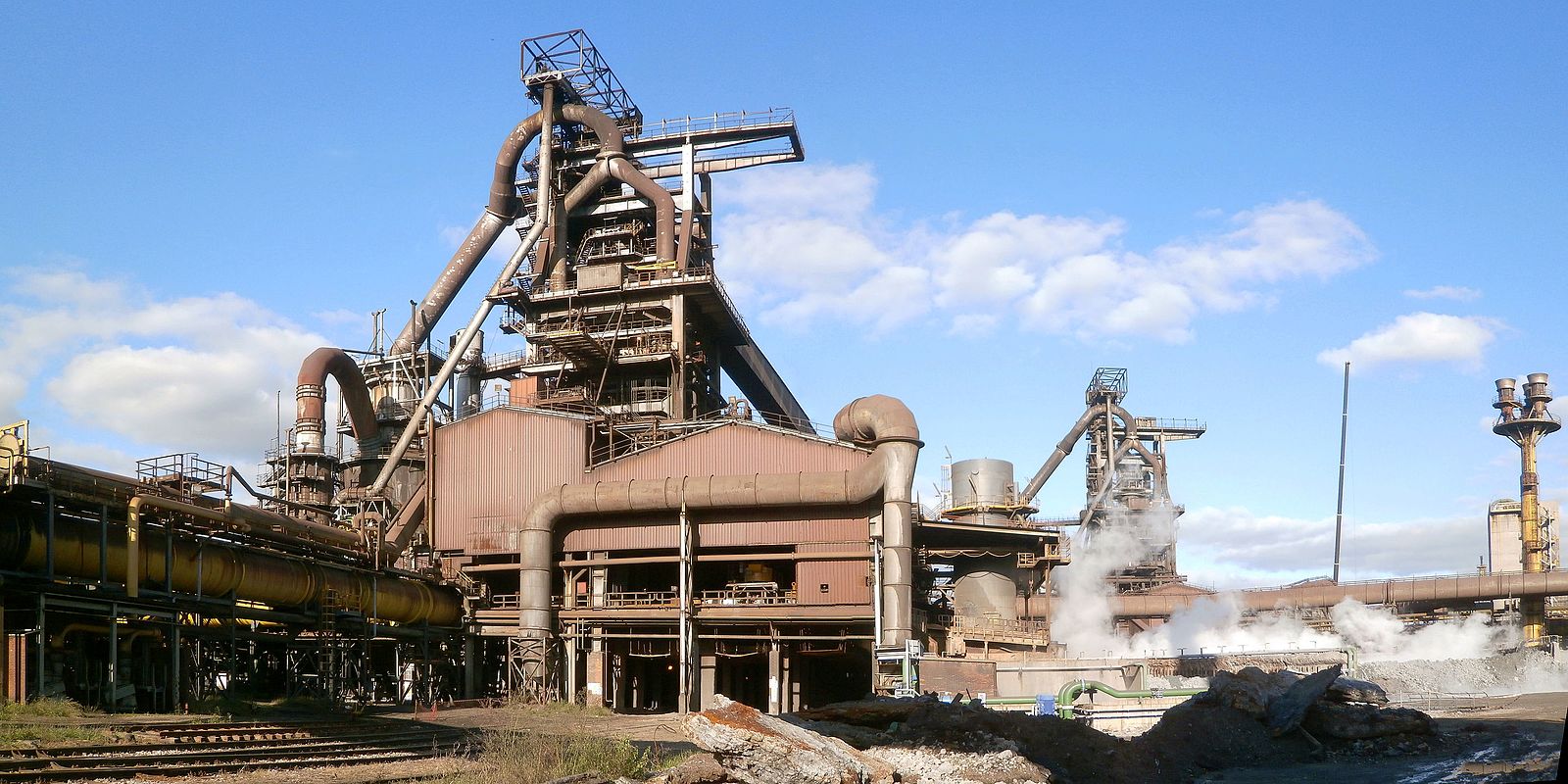
Following several months of increasing output, Italian crude steel production fell for the first time in July, Kallanish learns from a note by industry association Federacciai.

Federacciai says output fell by 1.8% on-year to almost 1.7 million tonnes in July but increased by 2.8% on-year to 13.1mt in the first seven months of the year.

“The expansion phase in long rolled products comes to an end, with output falling 7.8% year-on-year in July after 12 consecutive months of growth … In the January-July cumulative period, the segment nonetheless remains 6% ahead,” the association states in a note.

July longs output fell to 1mt but still increased in January-July to 8mt. Flat steel output increased by 4.5% to 772,000t in July but fell by 4.3% to 5.3mt in January-July.

A market source says that considering the current market performance, he expects flats production to start increasing possibly from next month, as buyers will return to purchasing in Europe due to the recent CBAM and quotas measures. Longs production, however, may be challenged by EU post-Covid recovery fund-driven infrastructure projects concluding this year. Another factor is the slowdown of the private residential sector in many central and southern European countries.

Author: Natalia Capra France

Kallanish Logo

kallanish.com


ArcelorMittal restarts Gijón blast furnace after pipe explosion

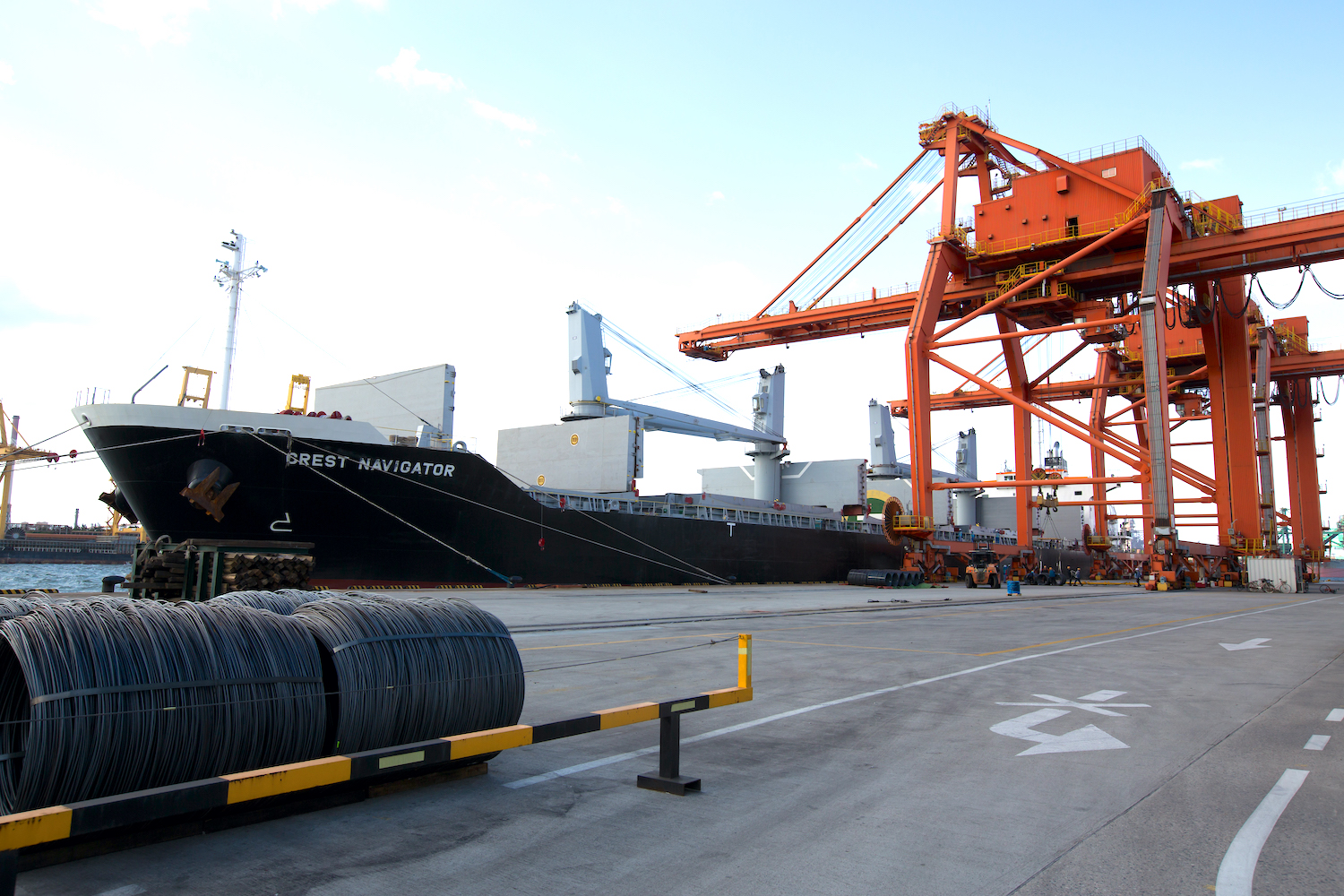
Luxembourg-based steelmaker ArcelorMittal has restarted its blast furnace A (BF A) at its Gijón steelworks in northern Spain after a two-day outage caused by a steam explosion on September 9, the company told Fastmarkets.
The steelmaker confirmed that the September 9 incident was caused by a burst water pipe that led to a steam explosion, possibly after water and steam became confined within a structural beam supporting the tuyere platform floor.

“There were no injuries and the damages were limited, on structural elements of the platform. No damage on the BF itself,” ArcelorMittal told Fastmarkets.

The furnace is currently operating normally, with the company adding that the incident has had no impact on customer deliveries or supplies from the Gijón site. Blast furnace B remained operational throughout the outage.

The restart comes amid increasing pressure on conventional steelmaking operations in Europe. Earlier this September, ArcelorMittal announced plans to end primary steelmaking at its Duisburg site in Germany by the end of 2027, citing declining local demand, low capacity utilization, limited export opportunities and high energy costs.

The company said it will close the Duisburg steelworks and billet mill, shifting the site to a rerolling model supplied with externally sourced billet.

ArcelorMittal had assessed several alternatives, including new pig iron supply arrangements and electric-arc-furnace-based steelmaking, but concluded that neither option was economically viable.

A recent study by PricewaterhouseCoopers (PwC) suggested that conventional blast furnace-basic oxygen furnace (BF-BOF) steelmaking could become economically unviable in Europe by 2040 due to rising carbon costs under the EU Emissions Trading System(ETS) and the Carbon Border Adjustment Mechanism (CBAM), highlighting the challenges facing the region’s primary steel producers.

Fastmarkets’ weekly price assessment for steel wire rod (mesh quality), domestic, delivered Southern Europe, was €660-680 per tonne on September 9, unchanged week on week.

Author: Nia Radenkova

Fastmarkets Logo

fastmarkets.com


Calls made to remove Indian ship recycling yards from EU list

The European Union’s preparations to expand its list of approved ship recycling facilities have drawn criticism from industry representatives and environmental organizations. Stakeholders opposing the inclusion of India based Shree Ram and YSI Recyclers, which operate using the beaching method, have called on the European Commission to withdraw the proposal.
According to a statement published by Recycling Europe, stakeholders including NGOs, steel companies, ship recycling facilities and trade unions have objected to the European Commission’s 16th proposal concerning the list of approved ship recycling facilities.
In a letter sent to European Commission members Jessika Roswall and Stéphane Séjourné, the stakeholders stated that the beaching method used by Shree Ram and YSI Recyclers in India poses risks in terms of environmental pollution, worker safety and competitive conditions.
The two facilities, like other ship recycling yards in India, use a method in which ships are dismantled directly on tidal mudflats. The statement noted that this method is not permitted in any EU member state and does not meet the requirements of Article 13(1) of the EU Ship Recycling Regulation.
The regulation requires all releases resulting from ship recycling to be controlled and operations to be carried out on impermeable surfaces. Stakeholders argued that pollutants cannot be fully controlled when dismantling operations are carried out in tidal areas.
Objections raised over environmental and monitoring conditions
The letter referred to environmental and toxicological studies conducted in Alang-Sosiya and other beaching areas. These studies reportedly identified pollution in soil, coastal waters, sediments and marine ecosystems associated with the direct dismantling of ships on beaches.
A recent major fuel oil spill at a neighboring shipyard on the Gujarat coast reportedly contaminated a wide area. The incident was cited as evidence of the difficulties in controlling pollutants when dismantling operations take place on tidal mudflats.
The statement noted that ship recycling facilities in Alang-Sosiya are exempt from environmental impact assessment and notification requirements under India’s Coastal Regulation Zone framework. It also stated that recovered and reusable materials containing asbestos are permitted to be sold for reuse.
The stakeholders acknowledged that individual facilities can undertake obligations beyond national legislation but argued that, without strong public oversight and environmental management, it remains unclear how compliance with EU standards can be maintained.
The Gujarat Pollution Control Board, responsible for overseeing Shree Ram and YSI Recyclers, was alleged to face staffing shortages, limited technical capacity, inadequate monitoring and sampling, and transparency issues. These conditions were said to raise concerns about the European Commission’s ability to ensure that the facilities comply with EU rules between inspections.
European facilities highlight competitive conditions
Approved ship recycling facilities operating in the EU and European Free Trade Association countries are reportedly capable of recycling the EU flagged fleet. These facilities are seeking the same environmental, health and safety standards to be applied to all operators.
Stakeholders argued that approving beaching facilities in India would increase the competitive pressure on the European ship recycling industry, which operates under stricter requirements.
The letter also argued that the proposal is inconsistent with the objectives of EU industrial maritime policies and the Clean Industrial Deal regarding the expansion of European ship recycling capacity, the circular transition and raw material security.
Ship steel highlighted as a source of secondary raw materials
The statement emphasized that ships are an important source of high quality secondary raw materials. It noted that between %70 and %95 of a ship’s weight can be recovered and converted into reusable materials.
The number of end of life ships is expected to increase fivefold over the next 10 years. At the same time, growing use of electric arc furnaces is expected to significantly increase demand for secondary raw materials from the European steel sector.
The European fleet could provide steelmakers with predictable volumes of secondary raw materials, according to the statement. Ship recycling in the EU would also recover copper, aluminum and various alloying elements for European industry in addition to steel.
These activities could help preserve existing employment and create new job opportunities, while recycling and processing would be carried out in accordance with EU environmental, health, safety and social standards.
Opposition to converting ship plates into rebar
The letter stated that a significant share of ship plates recovered from ship recycling facilities in Alang is directly converted into rebar.
According to the stakeholders, this practice is prohibited under Article 6.4 of the European standard EN 10080 for reinforcing steel and Article 1.6 of India’s IS 1786:2008 standard.
They argued that the use of materials directly produced from ship plates in construction could pose risks to quality and safety and distort competitive conditions in international trade.
Concerns over hazardous waste shipments to non OECD countries
The stakeholders also argued that approving Indian ship recycling facilities could allow the continued shipment of hazardous waste from Europe to developing countries.
They recalled that Article 39(1) of the EU Waste Shipment Regulation prohibits the export of hazardous waste from the EU to non OECD countries for recycling purposes.
They further argued that allowing EU flagged ships to be dismantled in non OECD countries where equivalent standards cannot be guaranteed, while the ships remain under Europe’s regulatory responsibility, would conflict with the underlying purpose of this prohibition.
Call for regulatory action from European Commission
The stakeholders called on the European Commission to apply the same standards to all listed facilities regardless of their geographic location and to remove the Indian beaching facilities from the proposed list.
They also called for the technical guidance for ship recycling facilities in third countries to be aligned with EU standards and for the beaching method to be explicitly prohibited for ship recycling.
The European Commission was also urged to support higher standards through the International Maritime Organization, strengthen the EU Ship Recycling Regulation and prevent rules from being circumvented through flag changes.
Stakeholders further called for measures to ensure that all EU owned ships are recycled at facilities complying with European rules and to expand European ship recycling capacity through measures such as the Circular Economy Act.

Author: SteelRadar Editorial Team

SteelRadar Logo

steelradar.com

European Parliament approves expansion of CBAM to finished products

The European Parliament has adopted its position on expanding the Carbon Border Adjustment Mechanism (CBAM) to cover finished steel and aluminium products, as well as establishing a temporary fund to support low-carbon production.
The European Parliament’s plenary has approved its negotiating position on the proposed changes to the EU Carbon Border Adjustment Mechanism (CBAM) by 464 votes in favour, 50 against and 159 abstentions.
MEPs supported expanding the scope of CBAM beyond basic materials to include finished steel and aluminium products such as fasteners, wires, springs and household items. Parliament called for a broader list of products to be covered than the one proposed by the European Commission.
The text also introduces an exemption for electricity flows from non-EU countries used by grid operators to ensure the stability of the electricity network.
Rules to be tightened against CBAM circumvention
Parliament called for a lower threshold for treating minor modifications to products as violations, with the aim of preventing companies from avoiding CBAM obligations through small changes to imported goods.
The rules should only target practices specifically designed to circumvent CBAM and should not affect ordinary business decisions aimed at reducing companies’ costs.
MEPs also proposed allowing the European Commission to apply default emissions values based on the product’s actual country of origin when a specific form of circumvention is identified.
A safeguard measure that would allow certain products to be temporarily excluded from CBAM during price shocks was rejected. Instead, Parliament called for a mechanism to temporarily direct CBAM revenues to sectors affected by price increases in the relevant products.
The proposals also include a simplified reporting system and technical assistance framework for least developed countries. An option to deduct carbon credits under Article 6 of the Paris Agreement from CBAM obligations was removed from the text.
Temporary decarbonisation fund proposed for 2027-2029
The European Parliament also adopted its position on the proposed Temporary Decarbonisation Fund, which is intended to support EU producers operating in export markets, with 433 votes in favour, 97 against and 146 abstentions.
MEPs called for financial support from the fund to be available throughout the 2027-2029 period rather than starting only in 2028.
They also called for all downstream companies using CBAM-covered products as production inputs to be eligible for support from the fund. Instead of returning unused revenues to member states, Parliament proposed directing them towards the EU’s international climate finance commitments under the Paris Agreement.
CBAM rapporteur Mohammed Chahim said the compromise adopted by Parliament would close loopholes in the mechanism, strengthen measures against circumvention and expand the scope of covered products.
Pascal Canfin, rapporteur for the Temporary Decarbonisation Fund, said the measure would support European producers in export markets where carbon pricing is not applied and provide a solution for sectors affected by high fertiliser costs.
The European Parliament will now begin negotiations with EU member states to agree on the final text of the legislation.

Author: SteelRadar Editorial Team

SteelRadar Logo

steelradar.com