

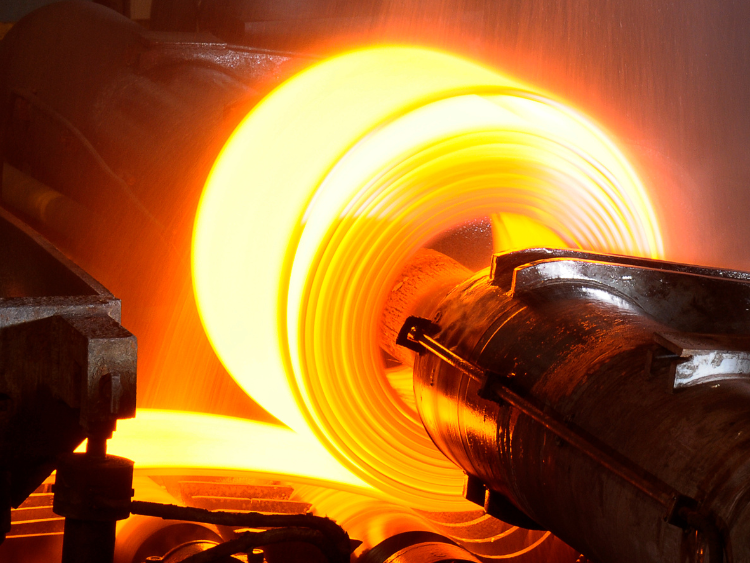
European domestic HRC prices increase slightly despite subdued market activity
Steel hot-rolled coil prices rose slightly in both Northern Europe and Italy on Thursday October 1, despite buyers resisting higher prices from mills, Fastmarkets heard.
“People have high stocks and are not accepting higher levels at the moment,” a source in Northern Europe said.
According to the source, import pressure is limited thanks to the Carbon Border Adjustment Mechanism (CBAM), giving mills more scope to raise prices. However, customers are not yet accepting higher offers from producers.
In Northern Europe, sources indicated tradable levels hovering at €740-750 ($839-850) per tonne ex-works, with reports of offers heard at €760 per tonne ex-works.
However, no reports of fresh trading activity were heard during the week.
Fastmarkets’ daily steel hot-rolled coil index domestic, exw Northern Europe was calculated at €748.33 per tonne on Thursday October 1, up by €1.45 per tonne from €746.88 per tonne on Wednesday September 30.
The index was up by €6.66 per tonne week on week and stable month on month.
Meanwhile, in Italy, trading activity also remained limited.
Indications of workable levels were heard at €740-750 per tonne ex-works, with no reports of new offers or trading activity from market sources.
Fastmarkets’ daily steel hot-rolled coil index domestic, exw Italy was calculated at €745 per tonne on Thursday October 1, up by €1.25 per tonne from €743.75 per tonne on Wednesday September 30.
The index was up by €7.5 per tonne week on week and by €32.5 per tonne month on month.

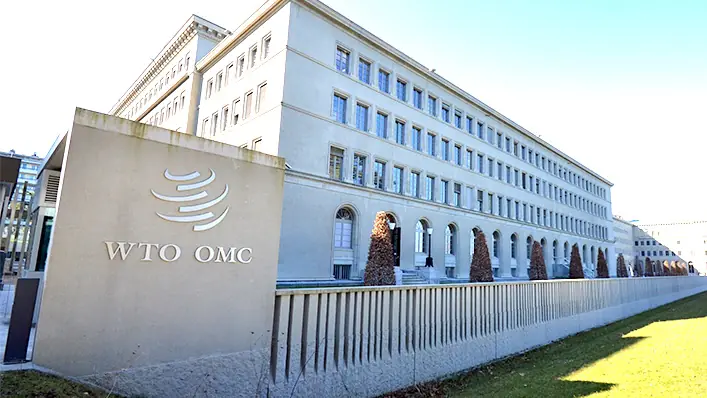
WTO establishes CBAM dispute panel at Russia’s request
The World Trade Organisation (WTO)’s Dispute Settlement Body (DSB) has established a panel at Russia’s second request to determine whether the EU’s CBAM and alleged ETS export subsidy are consistent with the bloc’s WTO commitments, Kallanish notes.
The EU had objected to Russia’s first request for a panel at a DSB meeting in July.
Russia says the CBAM package creates significant trade barriers for covered goods imported into the EU. Russia adds that the EU’s allocation of allowances to certain companies under the Emissions Trading System (ETS) amounts to an export subsidy intended to strengthen the competitiveness of certain domestic industries.
The EU has reiterated that the request “creates an extraordinary situation” whereby the international law compatibility of EU regulation is being assessed at the request of a member waging war against another member in violation of international law. The war is an “existential challenge” for the EU, it adds. As long as it continues, Russia “cannot expect to be able to rely on WTO rules for improved access for its exports” to the bloc, it notes.
The bloc nevertheless says it will participate in the panel proceedings, not because it finds Russia’s actions legitimate but “because of its firm support for the rules-based multilateral trading system”.
The EU is “confident that the Carbon Boder Adjustment Mechanism and free allocation under the European Union Emissions Trading System are WTO-compatible and has, therefore, a strong interest in ensuring an objective assessment of the matter by the panel, consistently with the DSU,” it notes.
The EU will only engage with the panel and not directly with the Russian Federation, it concludes.
Russia initially requested consultations with the EU on the matter in May 2025.
Author: Adam Smith

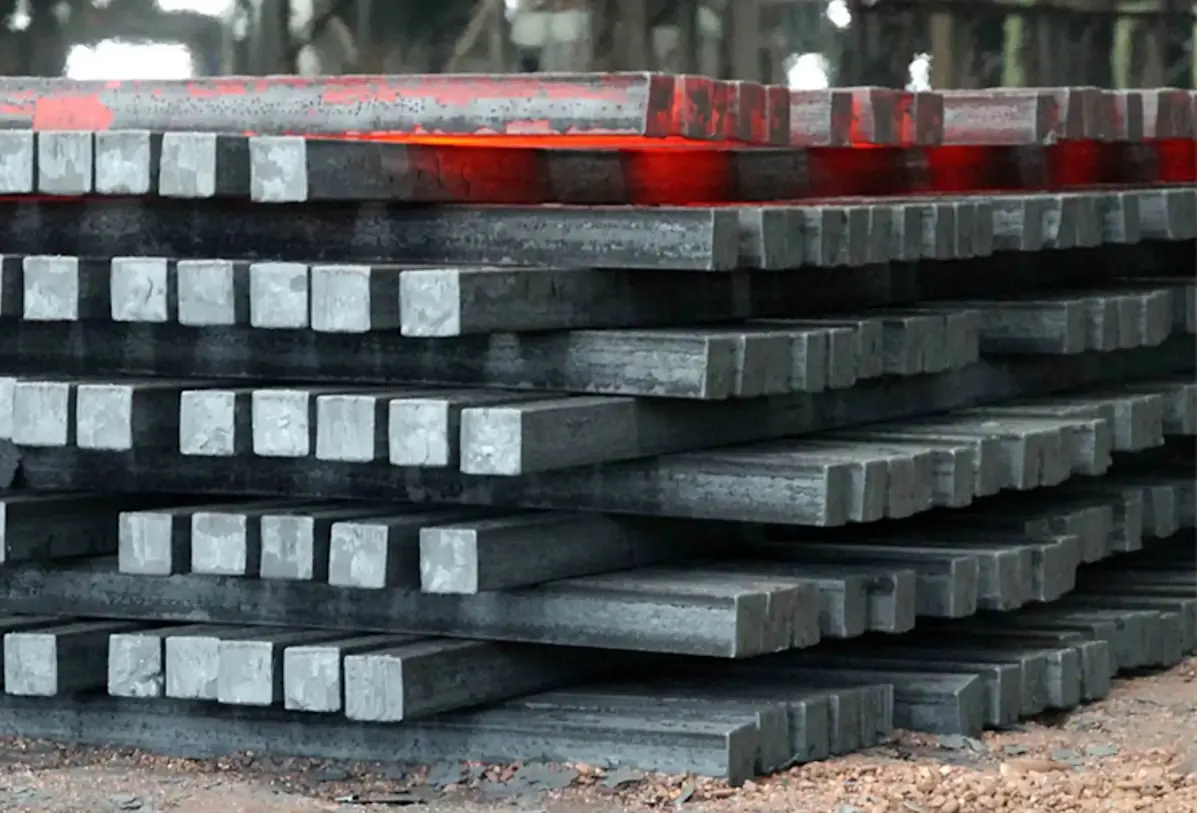
Nova Hut sources semis from Benteler
Nova Hut says it has received input materials from Germany’s Benteler Group in new dimensions at its medium section mill for operational testing.
The delivery is part of a growing cooperation with the steel and tube division of Benteler, Kallanish learns from an online post by the Czech steelmaker. It notes that it is testing various steel grades of the semi-finished products.
From Benteler’s mill in Lingen, Germany, Nova Hut has received square billets for the direct rolling of bars and smaller profiles, and blooms, which require a greater degree of formation, it says.
“In addition to our medium section mill’s standard portfolio, we will use these materials to produce OTB bars (threaded and anchor bars),” Nova Hut says. OTB bars are used in construction, geotechnics, tunnelling and mining.
In August, the steelmaker reported that it was sourcing billets from 7Steel Nordic, a division of Czech company Sev.en Global Investment.
Author: Christian Koehl