

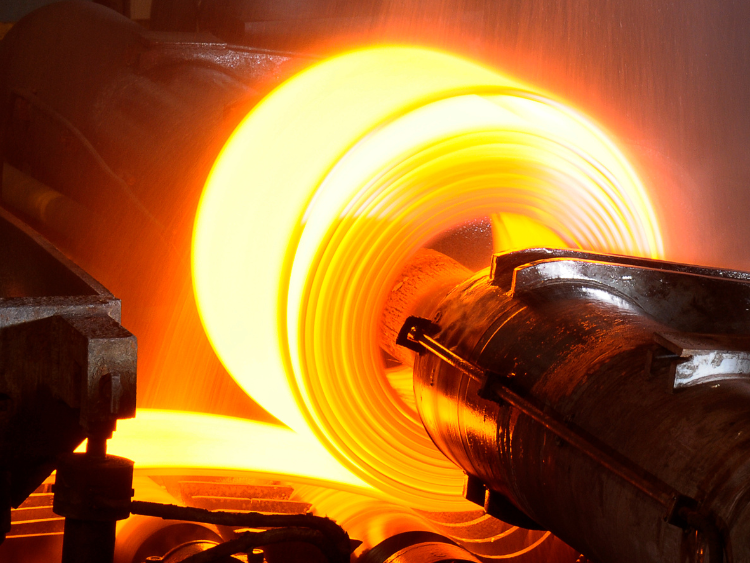
EU HRC prices up slightly amid output issues, fewer import negotiations due to risks
Domestic HRC business activity in the EU has remained at moderate levels this week with some price increases being seen in certain regions, mostly due to some production issues faced by a few mills, particularly in Italy and Germany.
The general stocks of HRC across Europe is still at medium to high levels, but sentiment remains firm as regards pricing remains due to strong market fundaments and high risks facing imports. The import activity for HRC has diminished this week in Europe since many believe the quota for some origins has been already closed and exceeded for Q1 2027 while others prefer to refrain from imports due to CBAM uncertainties to be faced in Q1-Q2 next year.
In Italy, according to sources, amid the issue with production at Arvedi, local HRC prices have moved up by €20-30/mt in the latest targets to €760-780/mt delivered, while the transportation cost is estimated at roughly €10-25/mt depending on the region. In Spain, the workable price level has improved by €5-10/mt to €740-745/mt ex-works, while in the northern part of the EU the price levels are at €740-760/mt and up to €770/mt ex-works. Meanwhile, a source has reported that one mill in the Benelux region has been selling at as low as €725-730/mt ex-works, but the level is not widespread in the EU. In eastern Europe, some of the producers have increased offers by €20-30/mt to €760/mt delivered, while others remained at €765-775/mt and up to €790/mt CPT.
In the import HRC segment, duty paid offers from Turkey have been reported at $700-710/mt or €625-635/mt CFR, up by €5-10/mt over the past week. The latest offers from India have been reported at $730-740/mt and up to $750/mt CFR (€650-670/mt) CFR, up from the latest deals at $715-725/mt CFR. “Both India and Turkey seem to have sold a lot [of HRC] for Q1 2027. They will fight for the FTA [CSQ] and it is going to be a mess,” a European trader told SteelOrbis. “So, we have decided not to import any HRC,” he added.
Most of the HRC import offers continue to be heard on DDP basis since the buyers are aiming to minimize their risks as much as possible. Japan and Taiwan are at €770/mt while South Korea is offering at as high as €790/mt, while the workable levels are still considered to be closer to €730-750/mt DDP.
€1 = $1.12
Author: SteelOrbis Editorial Team


Italian longs prices still under upward pressure, but sales volumes remain low
According to market participants in the Italian long steel segment, attempts to raise sales prices have continued this week, although sales volumes remain modest.
As for prices, sources have reported list prices at €470-490/mt ex-works base (€735-755/mt ex-works including regular extras), around €50/mt higher than the levels at the beginning of September. However, sales continue to be reported at €460/mt ex-works base (€725/mt ex-works including regular extras) and even at lower levels for limited tonnages.
End-users state that they are unwilling to build up inventories during the remainder of the year and are limiting purchases to immediate requirements to avoid ending the year with excessively high stock levels.
In the wire rod segment, sales forecasts for October indicate a slight month-on-month increase of around €5/mt, with the increase remaining limited due to the substantial lack of demand. This would bring drawing-quality wire rod prices to €675-685/mt and mesh-quality wire rod prices to €665-670/mt, both delivered.
According to one market participant, this slight increase is mainly driven by rising production costs, while demand from end-users continues to be restrained by the impact of the international situation and the depletion of European funds for construction and infrastructure.
No wire rod export offers have been reported from Italy, while rebar offers have been heard at around €590-600/mt FOB, although one source stated that it had also heard offers at levels around €20/mt lower.
In conclusion, it could be said that the Italian market – as well as the broader European market – is facing a paradox: producers have to cope with higher costs and therefore seek to raise prices, but at the same time these higher prices are passed on to downstream consumers, which are unable to bear them.
Author: SteelOrbis Editorial Team
Rosseel acquires Aleja’s steel distribution business in Belgium
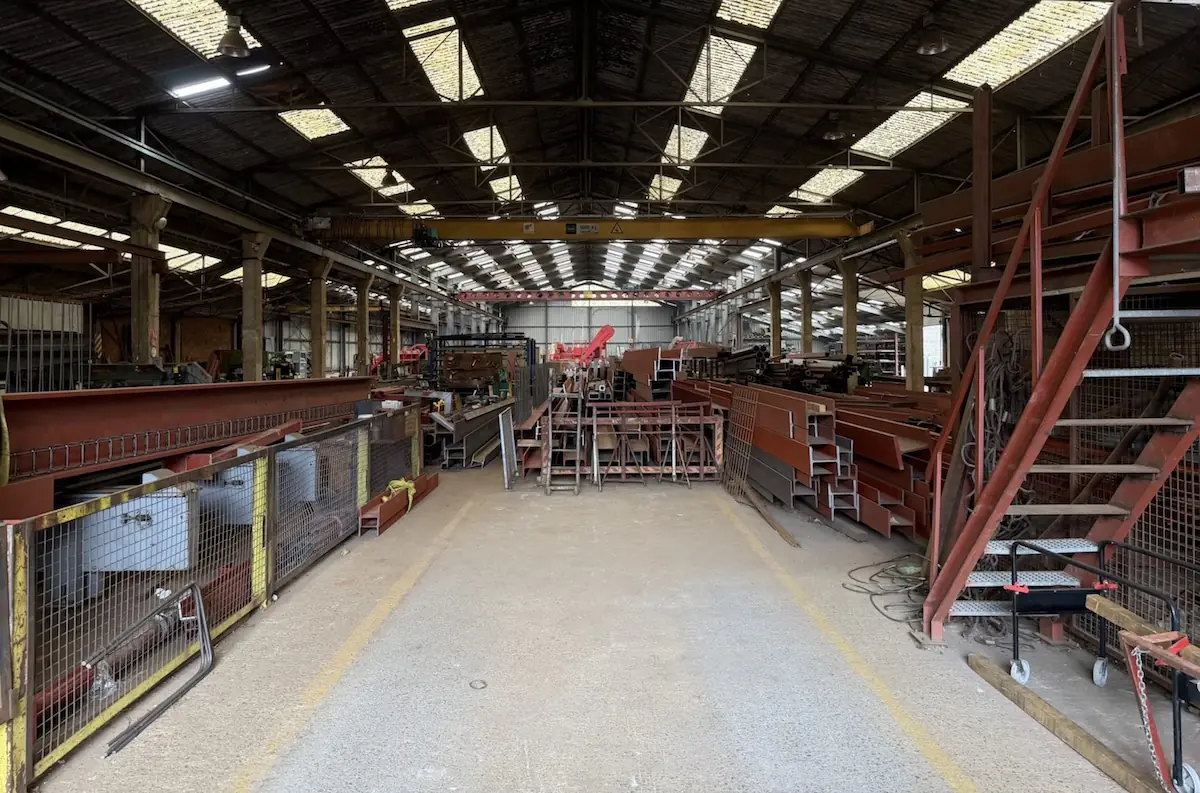
Belgian steel distributor NV Rosseel, based in Tielt, has acquired the business of NV Aleja in Welle-Denderleeuw from Marc De Winter and his family, effective 1 October. Day-to-day operations will initially remain unchanged, with the existing team continuing at the same location.
The acquisition adds production capacity and technical expertise to Rosseel’s operations in Tielt and Ruddervoorde, where it has been active since 2021. Aleja specialises in steel beams and reinforcing steel, bringing capabilities that complement Rosseel’s existing activities.
“What makes Aleja interesting for us is that it is not simply more of the same,” said Johan Rosseel, Managing Director of Rosseel. “Aleja is strong in steel beams and reinforcing steel and brings production capabilities that we do not currently have in the same form.”
Rosseel highlighted the technical knowledge and experience of Aleja’s team as a key benefit of the acquisition. Aleja will, in turn, gain access to the stock and customised processing services available at Rosseel’s Tielt and Ruddervoorde sites.
Source: HLN