

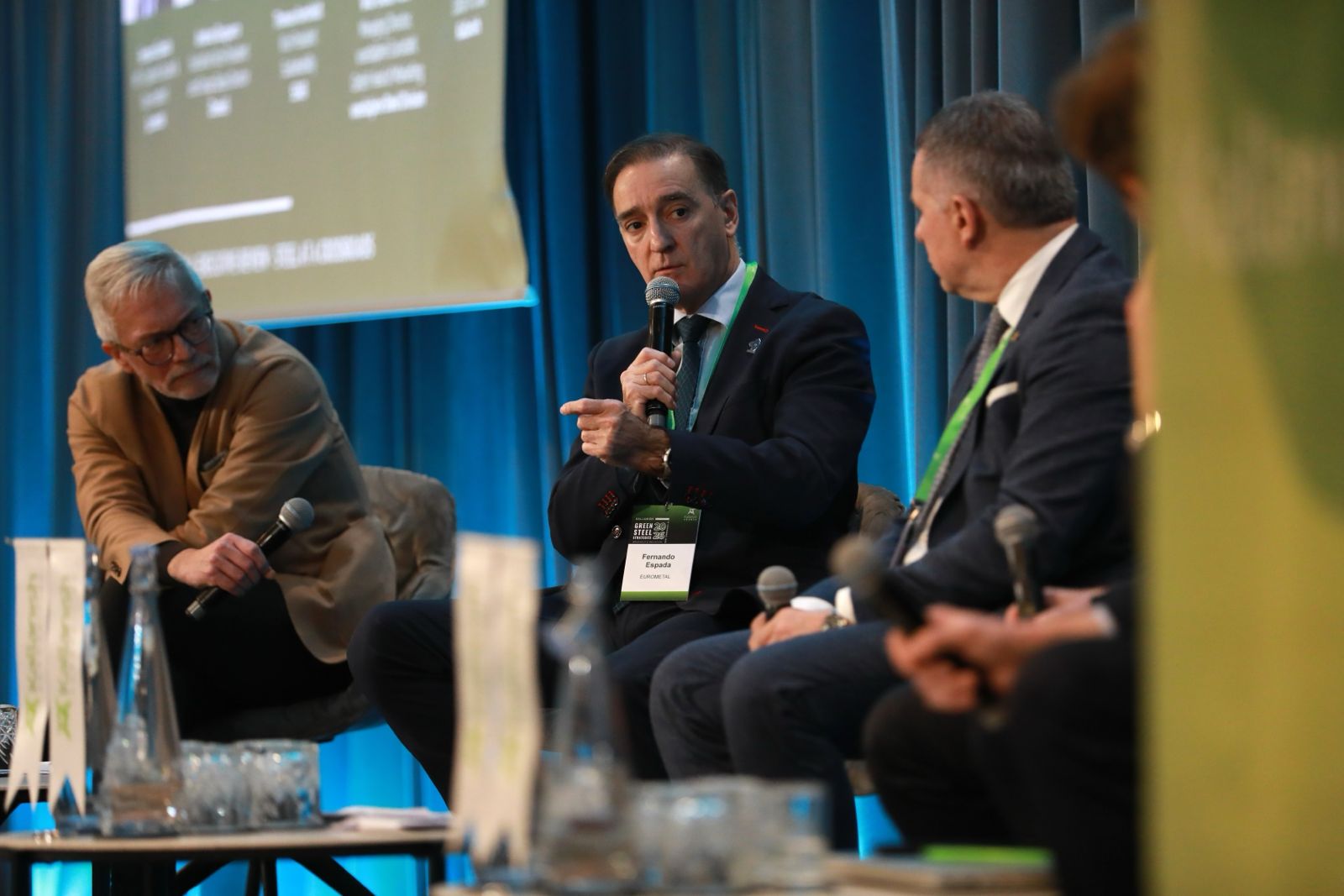
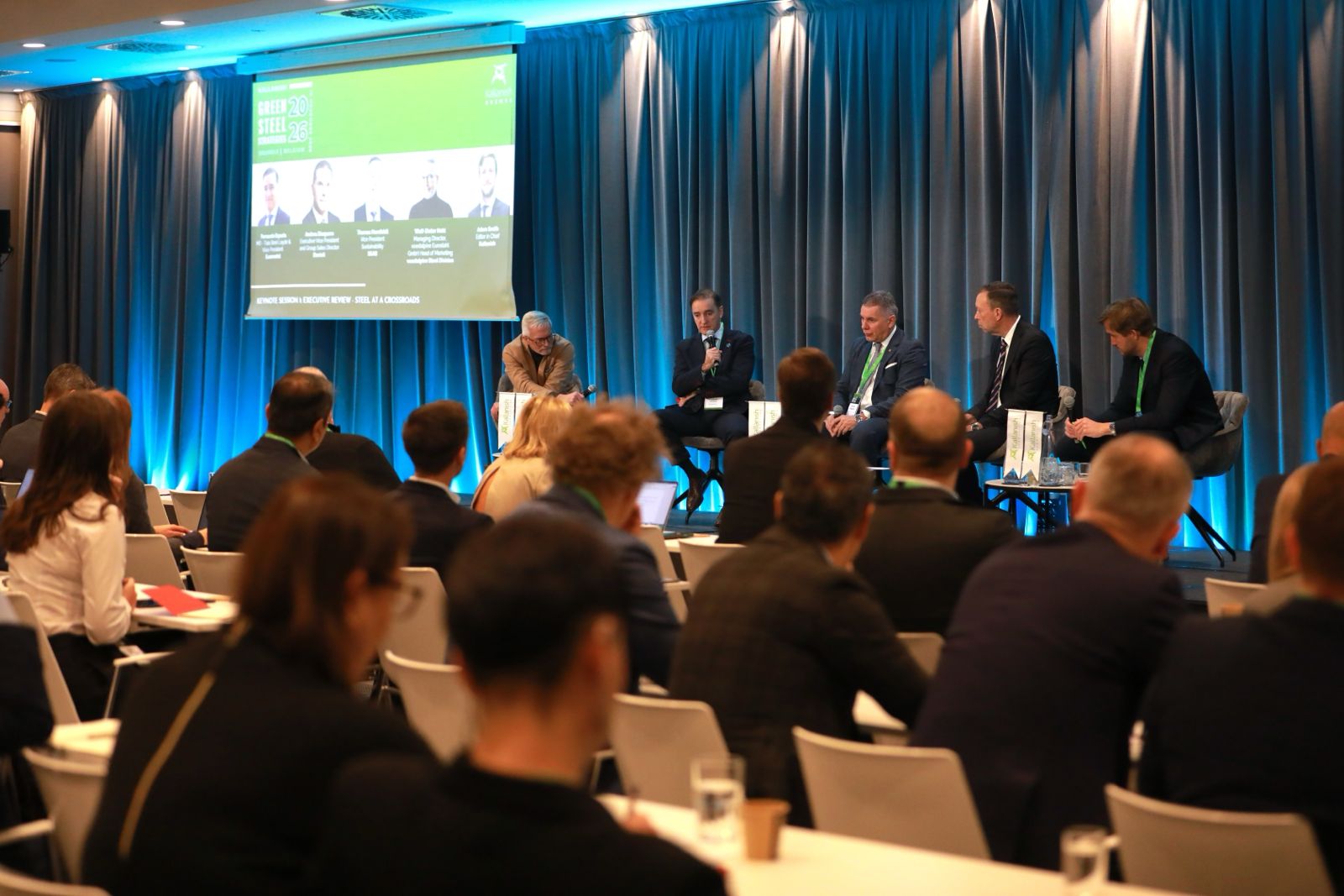
Policymakers must create lead markets and establish clear price signals to make green steel investments viable, speakers said at the Kallanish Green Steel Strategies conference in Brussels on 10 November.
The green steel market today “is so small that nobody knows the correct price signals,” said Thomas Hörnfeldt, SSAB’s vice president for sustainability. “If you can get those lead markets to be active enough, that will also create a market, it will create a tangible green premium.”
Public procurement should play a bigger role, Hörnfeldt added, and the 10% low-emission steel requirement should come into force earlier. “There is nothing that says that we have to stop at 10%,” he noted. Public procurement “has a role and a possibility to really be an acting forerunner here,” he added.
The cost for consumers would be small, he argued. Decarbonising all the steel in a passenger car would add less than €1,000 ($1,124) to its price. “It’s almost a rounding error,” he said. “Today, when you buy a washing machine, you see energy consumption, A to F, with different colours” and suggested a similar label could show for CO2 content.
Fernando Espada, vice president of EUROMETAL, said distributors have no incentive to buy lower-emission steel “because we are not going to receive that money back from the market”. European processors are also losing business as steel once imported as coil now arrives as finished parts from Asia, he added, calling for CBAM to cover the whole supply chain. In solar, panels from China now arrive with their mounting profiles, and the European market for these profiles has disappeared, he also noted.
Meanwhile, Andrea Diasparro, executive vice president and group sales director at Italian plant maker Danieli said there was no single playbook for decarbonisation, “What I can say is that sustainability has to go hand to hand with the competitiveness,” he said.
Ironmaking is already moving to regions with cheaper energy, Diasparro observed. In Oman, two direct reduction plants are being built to produce HBI, possibly for export, while plants in Algeria will start with DRI and HBI and later move on to billets or slabs with Europe their first target market.
European steelmakers should invest now in plants flexible enough to use scrap and imported HBI, he said.
Europe’s new electric arc furnaces will need iron, Hörnfeldt noted. “There is a lot of natural gas nearby in the Middle East,” he said. Gas-based DRI, plus shipping and CBAM costs, will compete with hydrogen-based iron made in Europe. “Both could happen,” he noted.
Voestalpine invested in a DRI plant in Texas more than 10 years ago and now holds a minority stake, as “it’s not our business to produce DRI”, its head of marketing Wolf-Dieter Hohl said. “And I think good business model could be to have a variety of good suppliers.”
Author: Natalia Capra France