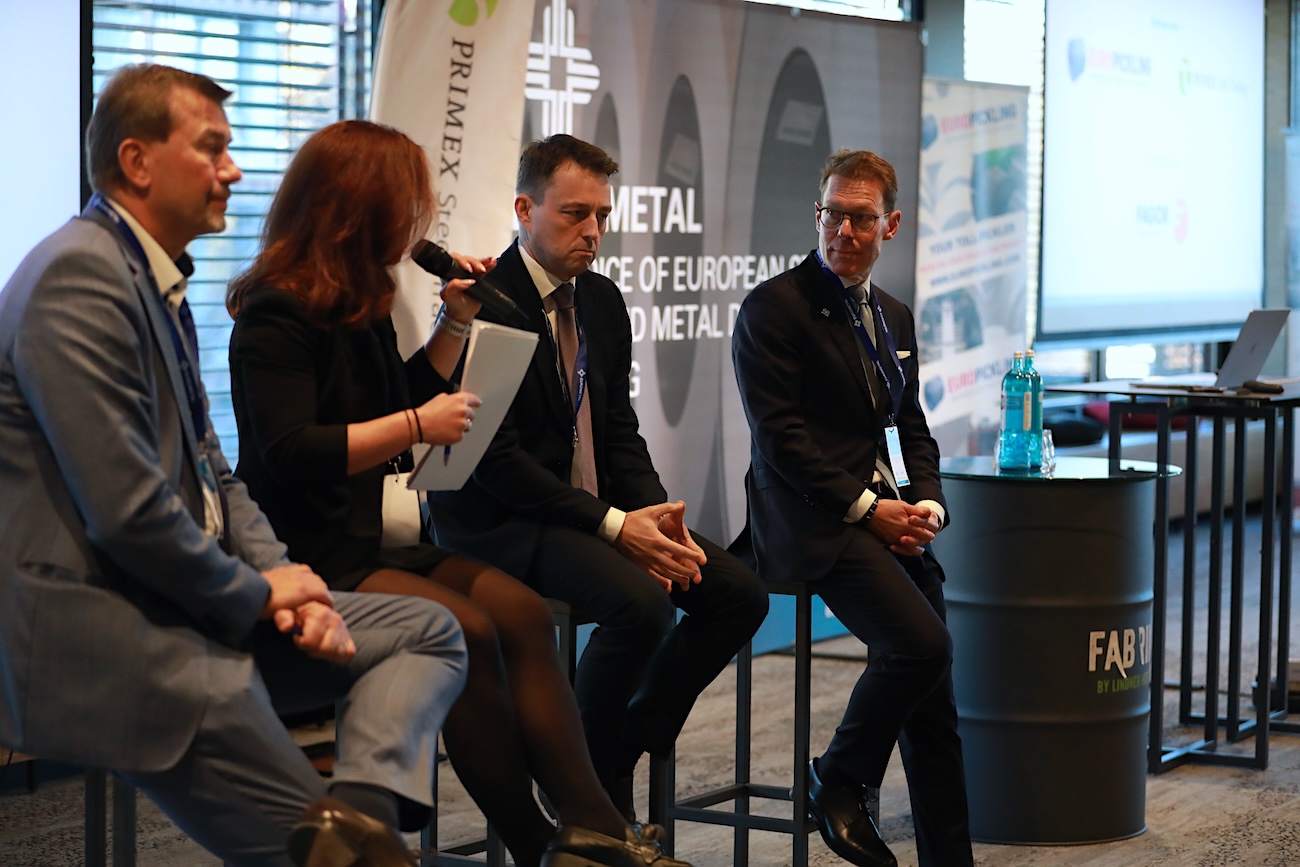
Immediate protection for steel derivatives and measures to promote the preferential use of European steel are needed to address falling steel demand in Europe, speakers said at EUROMETAL’s Steel Trade Day in Dusseldorf yesterday.
The European Commission is actively consulting on adding downstream steel products to its trade defence quotas while finalising legislation to expand the carbon border adjustment mechanism (CBAM) to steel derivatives in 2028 and continuing work on the proposed Industrial Accelerator Act.
But industry representatives said progress has been too slow.
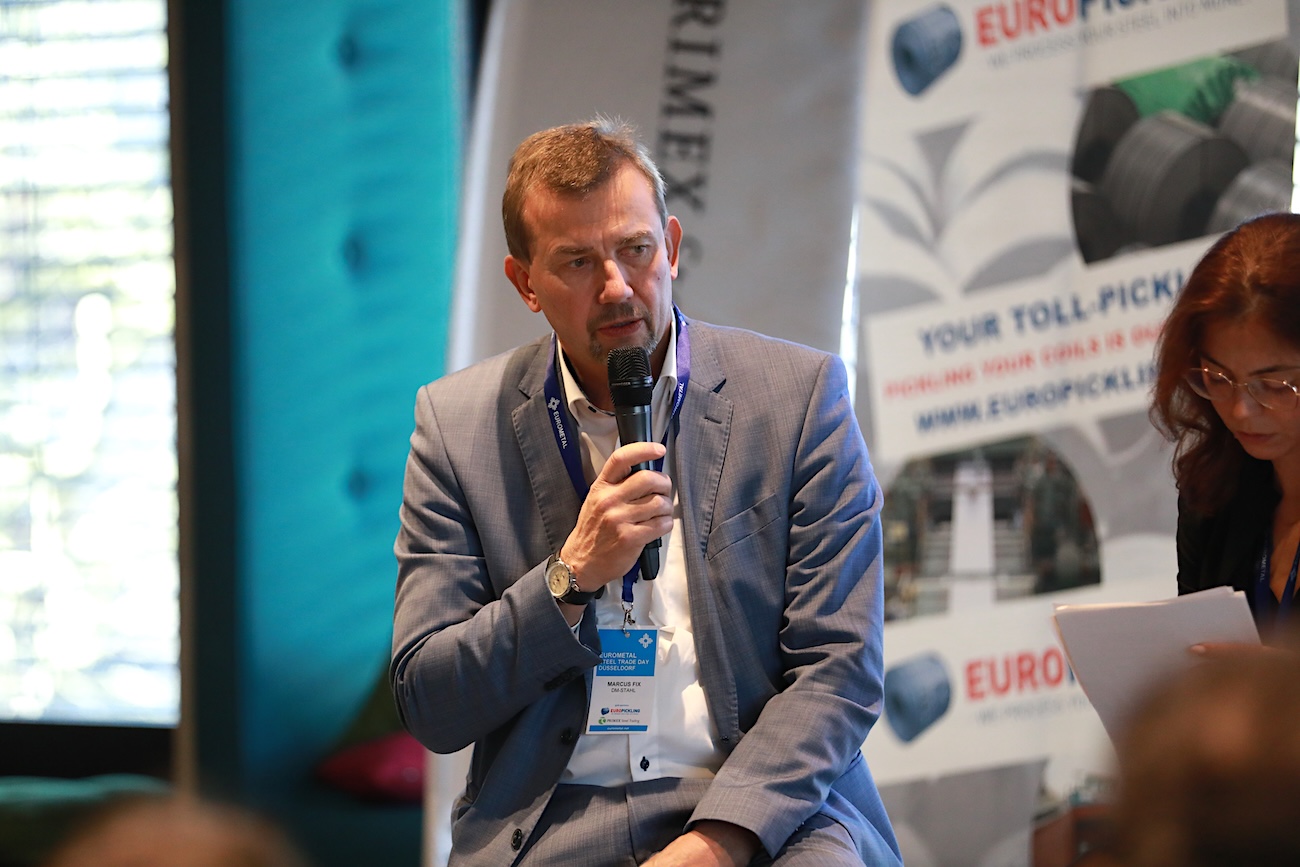
“These initiatives are taking too much time and are coming years late,” DM Stahl managing director Marcus Fix said. Polish Union of Steel Distributors (PUDS) secretary-general Piotr Sikorski described the Industrial Accelerator Act as disappointing, adding that details of the proposal remain unclear.
Sikorski went on to outline that higher economic growth, especially in reference to Poland, was not translating into higher steel use. Current annual steel consumption was estimated at around 13mn t/yr in Poland, roughly 2mn t/yr below historical highs, and with little expectation of any near-term changes, according to Sikorski.
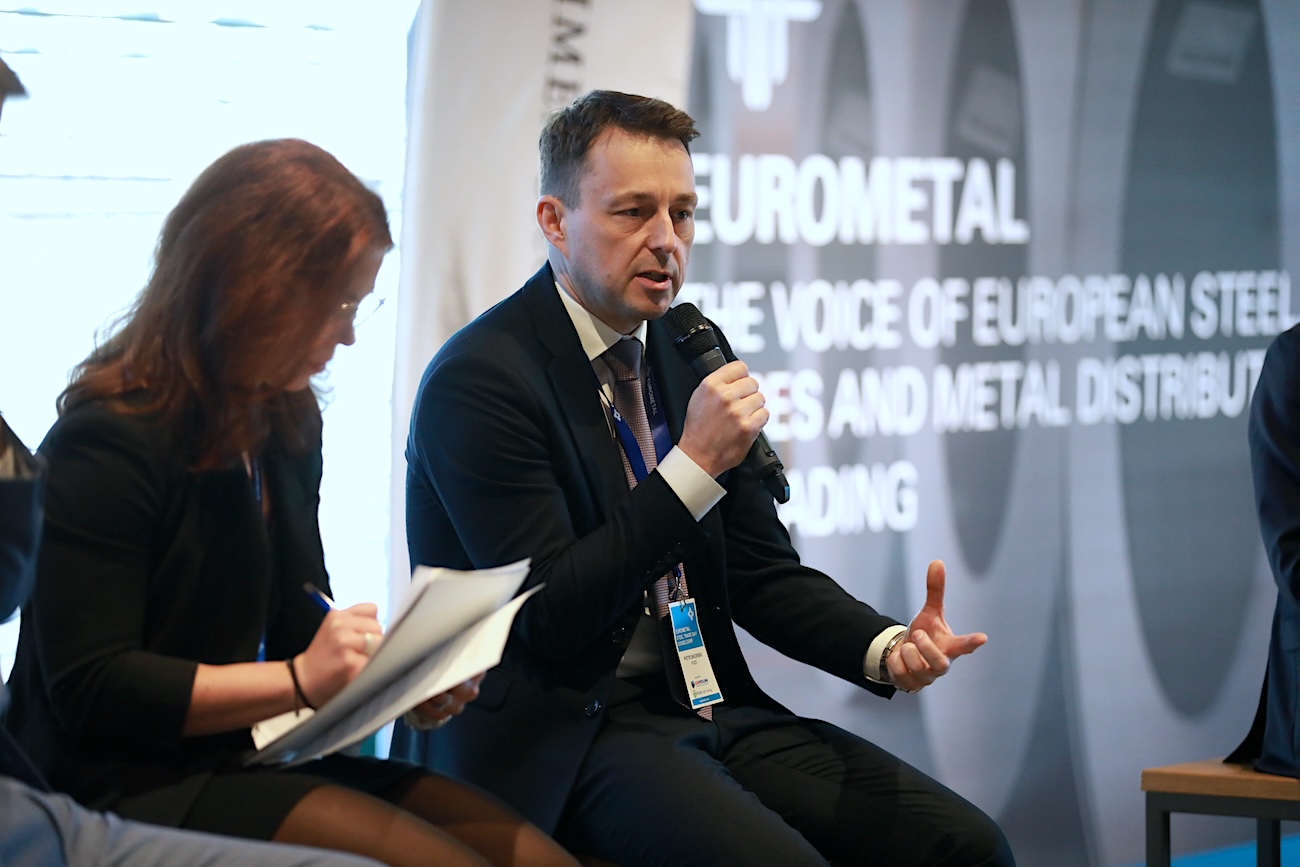
Adherence to international trade rules had left European manufacturers at a competitive disadvantage, particularly as the World Trade Organization had become a “toothless tiger”, Fix said.
The automotive sector was highlighted as an early example of industrial relocation. EUROMETAL president Alexander Julius and other panellists pointed to several European carmakers that have shifted production abroad, notably to China, while Serbia was also cited as an increasingly important manufacturing base.
“The EU is set to become only an assembly line if things do not change,” Julius said.
The outlook for the automotive sector remained weak, with hopes for a recovery next year amounting to “wishful thinking”, Fix said.
Panellists also raised concerns about Europe’s declining export competitiveness, arguing that European producers were competing on an uneven playing field in third-country markets. While no specific measures were proposed, one audience member suggested a mechanism similar to Turkey’s inward processing regime to support exports.
But most speakers said restoring competitiveness within the domestic market should take precedence over export-focused measures.
Participants also described the spot steel market as tight. Mill lead times have extended and availability has become limited, according to Fix.
“Offers are even hard to find sometimes — mills are operating on extended lead times and might not always be on the market,” he said. “There is no restocking at the moment when we usually see it, and this is worrying,” Fix added.
Distributors attending the event said they continued to face pressure from rising steel prices while underlying demand from end users remained subdued.
Author: Carlo Da Cas