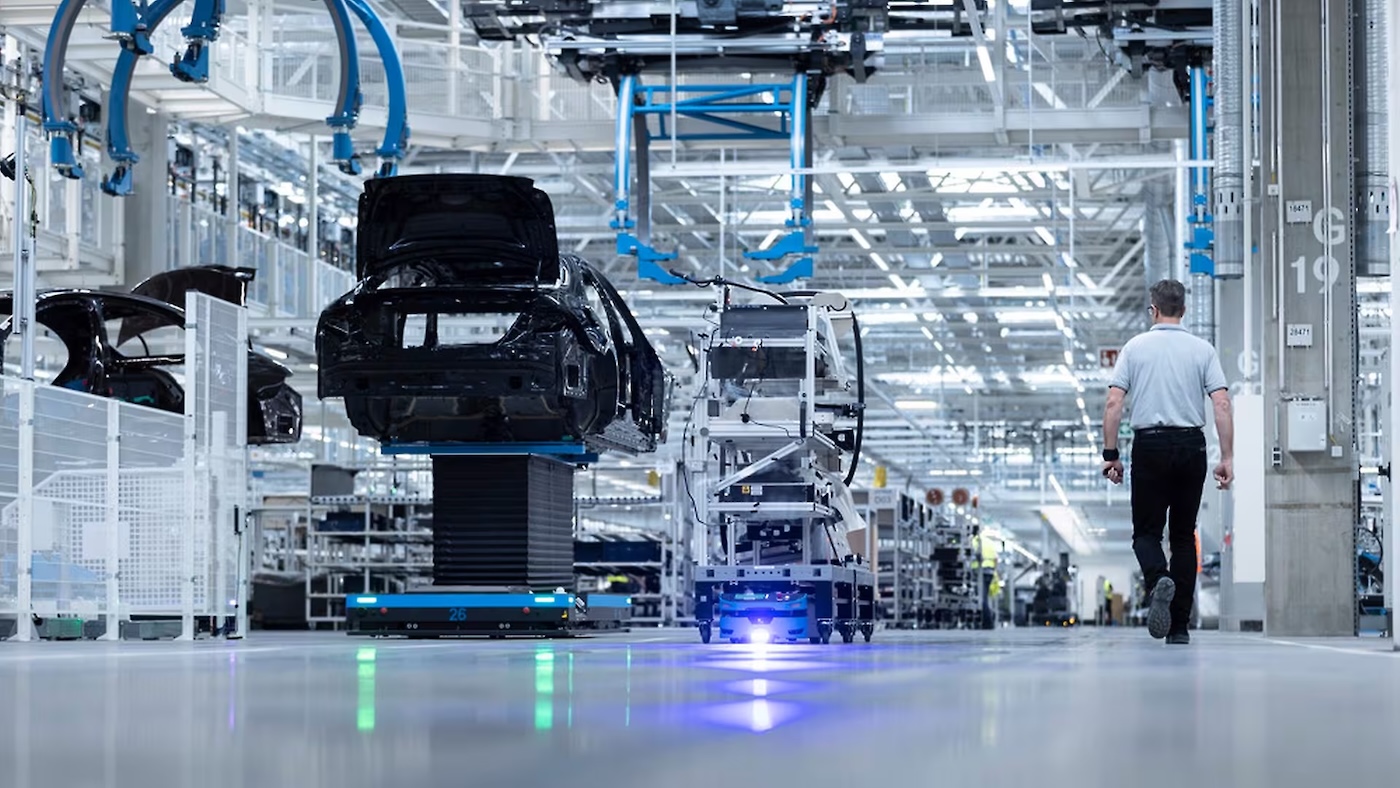
The European Commission is imposing provisional quotas on its imports of hybrid passenger vehicles following their 49% surge since 2023 that threatens serious injury to domestic producers, the EC said Nov. 25. While applied globally, the safeguard measure acts primarily as a cap on China.
According to findings, almost 1.1 million hybrid vehicles were imported into the EU during the investigation period from July 2025 to June 2026, compared to 821,300 in 2023, the commission said in a statement.
Per-country quotas will be in effect from 1 December 2026 to 18 June 2027, and any volumes exceeding these limits will be blocked. Imports from EEA countries, Kenya, and Ukraine are exempt from this provisional safeguard measure.
Under the regulation, nine major suppliers, led by China and Japan, receive individual quotas; all other origins share an annualized residual quota of 1,500 vehicles.
Brussels set quotas at 2025 import volumes plus 15%. That baseline hits China’s rapid 2026 expansion hard while sparing stable or slower-growing exporters.
In 2025, China sold 300,000 hybrids in the EU, but its exports in 2026 would annualize to at least 700,000 if they remain unlimited, according to the commission.
The quota of 191,780 hybrid cars allocated to China, when annualized, amounts to 350,000 vehicles; it could therefore halve the country’s sales to the EU.
By contrast, quotas distributed to other significant exporters, including Japan, Turkey, the UK and South Korea, have their ceilings set higher than the number of cars these countries currently ship to the EU, so their trade can continue uninterrupted without hitting the cap.
However, unlike surging Chinese exports, shipments from Japan, the UK, and South Korea to the EU declined during the investigation period, while Turkish exports grew marginally.
Like internal combustion engine cars, hybrids rely on standard structural and catalytic metals, but also use battery metals and need more electrical metals. They also share many core metals — like steel, aluminum, copper and rare earth elements — with battery electric vehicles, but hybrids use much smaller batteries.
Procurement strategies are key
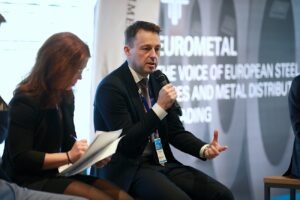
“There is no benefit for metals or mining from this [safeguard measure], as there is no local content requirement for sourcing metals for cars in Europe,” James Watson, the director of European Metals, the association representing Europe’s non-ferrous metals industries, told Platts, part of S&P Global Energy.
Such requirements must be enacted to ensure that at least 25% of domestic OEM demand is supplied with EU-made aluminum, he said.
Annex II of the EU’s proposed Industrial Accelerator Act sets out specific Union-origin content and low-carbon thresholds, but these are not yet in force.
Starting in January 2029, the annex is meant to apply new rules to public procurement of energy-intensive industrial products. For aluminum — and derivatives whose performance depends mainly on it — intended for buildings, infrastructure, and civil motor vehicles, at least 25% must be both low-carbon and of Union origin. Steel, by comparison, must meet only a 25% low-carbon minimum, with no requirement for Union origin.
Until those requirements are mandatory, “the OEMs and suppliers take the metal from where it is cheapest,” Watson said.
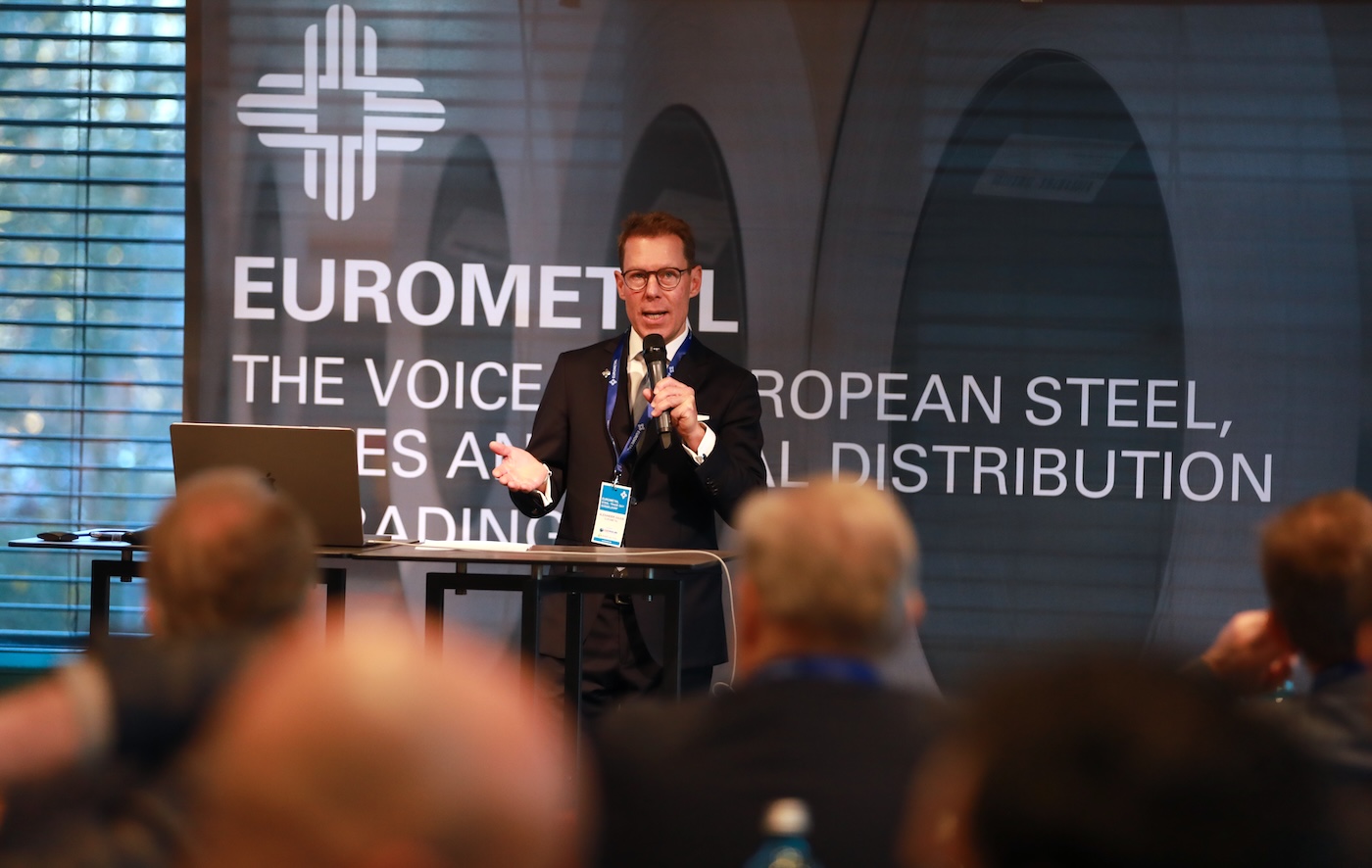
Similarly, EUROMETAL, the European federation for steel and metal distribution, maintains that Europe must ensure its automotive industry is European not only in branding and final assembly, but also in material sourcing, industrial employment and economic value creation.
It welcomed the commission’s move to curb import pressure on domestic industry but warned the quotas would only help European steel and metals producers if they boost EU car production and increase local sourcing.
Potential beneficiaries include producers and processors of automotive flat steel, galvanized and advanced high-strength steels, as well as aluminum and copper suppliers. However, any immediate impact on European metals production or mining will likely remain limited and heavily dependent on automakers’ procurement strategies, Alexander Julius, the president of EUROMETAL, said in an email to Platts.
He mentioned that the new Renault Twingo E-Tech, although assembled in Slovenia, relies on Chinese suppliers for about 46% of its components, and that Mercedes-Benz has reportedly frozen investments in its German plants.
“What is the benefit for the European steel industry of protecting a European-made vehicle if a substantial proportion of its steel-intensive components is manufactured outside Europe?” Julius said, and alerted to “a real risk” that restrictions on vehicle imports could trigger a surge in imports of components “without generating the expected benefits for European steel producers and downstream manufacturers.”
Julius also pointed out that the quota implementation period is too short to drive major investment decisions, shift industrial sourcing strategies, or spur new mining and metals production in Europe, all of which require long-term regulatory certainty and a competitive industrial environment.
The 200-day period corresponds to the maximum duration permitted for provisional safeguard measures under World Trade Organization rules. It should therefore be understood as a temporary instrument pending the outcome of the investigation, according to Eurometal.
The federation calls for a holistic approach to safeguarding the industry; an isolated restriction could punish the end-user.
“We recognize that vehicle affordability remains essential,” Julius said. “Trade protection alone cannot resolve the structural cost disadvantages faced by European manufacturers. Competitive energy prices, reduced regulatory burdens, investment incentives and stronger domestic demand must complement trade measures.”
Summarizing the points, he stressed that protecting the European automotive industry from car imports is only part of the solution from the standpoint of the European metal industries.
“Europe needs to safeguard its entire industrial value chain, not just its final assembly lines,” he said.