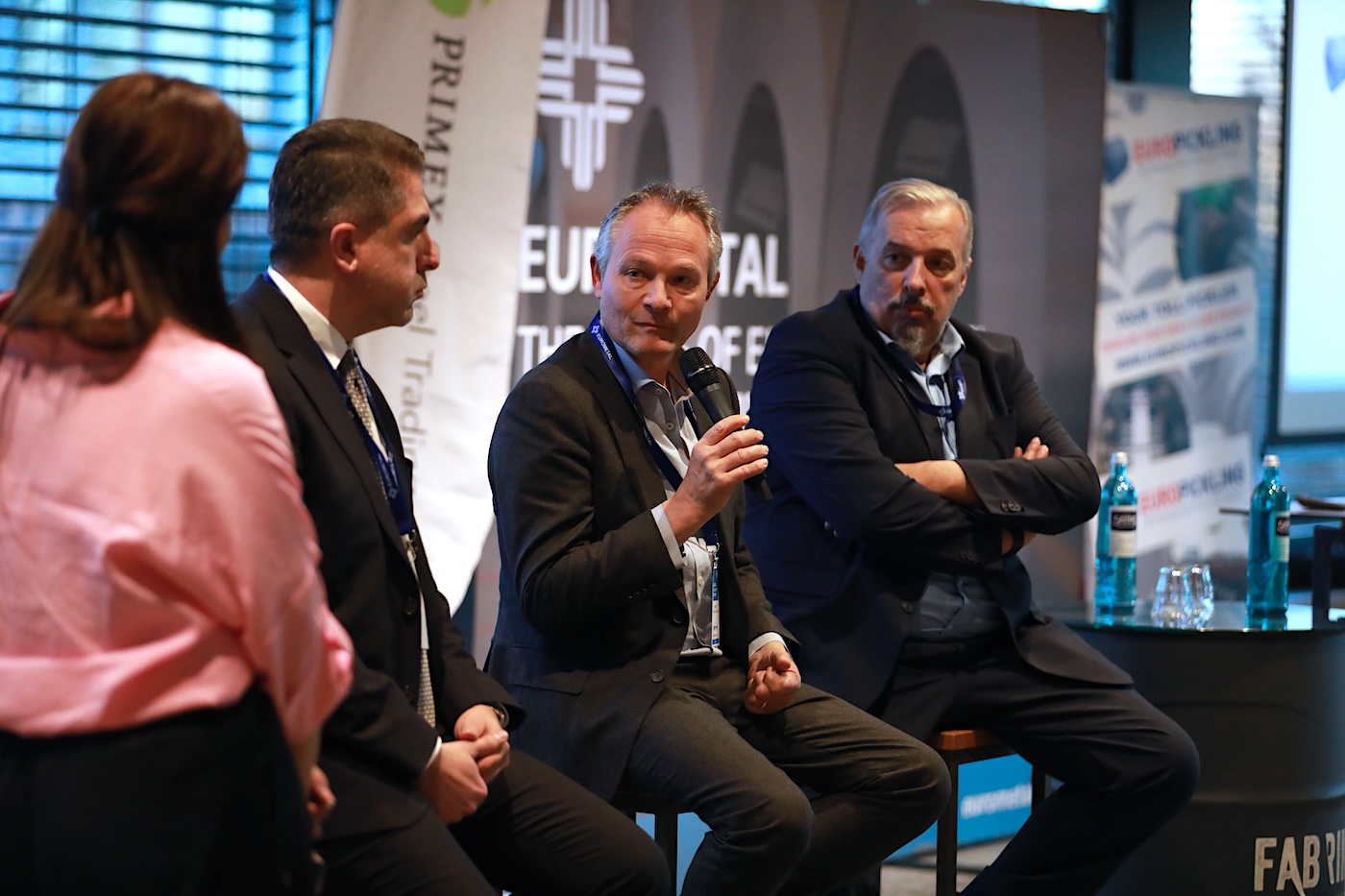
European steel trading and distribution are facing structural changes as tighter EU import restrictions and CBAM increase financial risks, complicate sourcing and force companies to adapt their business models. Some financially weaker traders may leave the market, while the new environment could create opportunities for companies able to assume risks that customers increasingly refuse to bear, industry representatives said during a panel discussion at EUROMETAL’s Steel Trade Day conference on November 23-24, attended by Metal Expert.
The EU trading business has changed significantly over the past year, with another major shift following the introduction of CBAM and the reduction of import quotas. Companies unable to cope with the growing financial, administrative and regulatory burden are expected to struggle to maintain their existing models, accelerating restructuring in the distribution segment.
One of the clearest changes is already visible in sales practices. More end-users are reluctant to import directly and assume customs, quota and CBAM risks themselves, increasingly turning to established traders for DDP deliveries. This creates opportunities for financially strong importers, although taking over these risks also requires higher margins.
Import quotas and duties were described as an even more immediate challenge than CBAM because of the unpredictability of quota utilisation. The halving of import quotas and increase in the out-of-quota duty from 25% to 50% have substantially increased purchasing risks, especially in Southern Europe, where distributors have traditionally been more dependent on imported steel.
As imports become more complicated, distributors are increasingly shifting purchases towards European mills. However, access to domestic material is becoming more difficult. “The mills are getting fuller, and lead times will increase, although demand seems not to be very big,” Eric Roef, CEO of Stemcor Flachstahl said during the panel discussion. Companies traditionally reliant on imports could therefore face difficulties securing sufficient volumes.
European supply also cannot fully replace imports in all products. Panelists pointed to shortages of certain specifications, including thin-gauge galvanised steel, which EU mills cannot always supply in the required quantities or at competitive prices. Such gaps should preserve a role for imports and push traders to focus on products where overseas supply retains an advantage. Even mill-linked distribution networks may need imported steel when their parent producers cannot supply the required products, Metal Expert learnt.
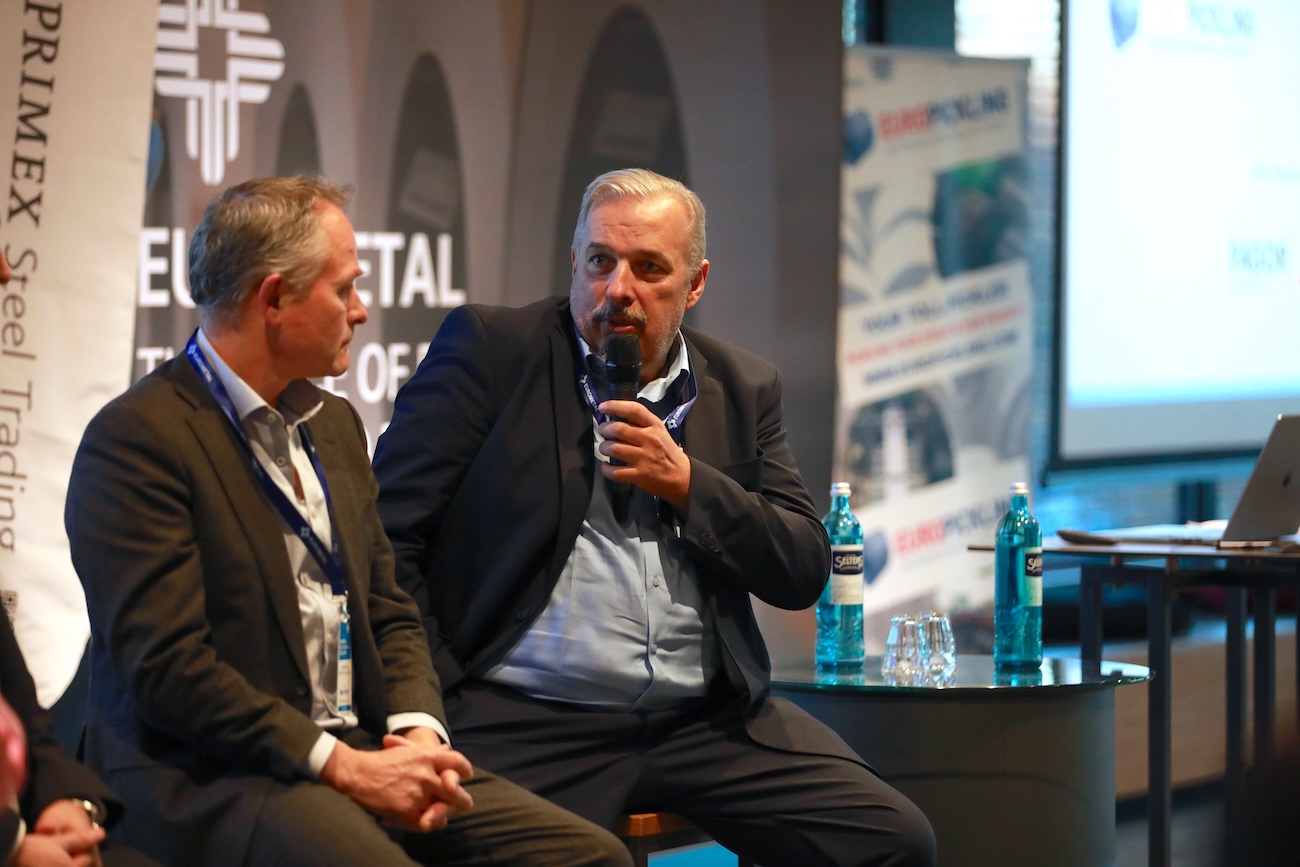
The new trading environment is also putting pressure on liquidity. Panelists did not expect banks to reduce financing across the sector, as financially healthy and well-managed companies should continue to receive the credit lines needed for their business. However, companies already in a weaker financial position could find it more difficult to obtain additional financing as steel costs rise. “Unfortunately, if the company is sick, it will only get sicker,” Maruan El Daghma, managing director of PRIMEX Steel Trading warned.
Another source of cash pressure comes from inventories accumulated ahead of regulatory changes. Some stockholders are being pushed to sell more aggressively to release cash and finance their next purchases. “Cash driven sales play much bigger role today, stockholders need to sell because they need cash and then they sell below the market price,” Eric Roef said.
Future CBAM certificate payments will create a separate liquidity burden for importers, which will need to reserve substantial amounts of cash for these obligations. A further concern is that some exporters may not complete verification of their actual emissions data in time for 2026 imports, leaving importers to calculate their CBAM liability using default values, which could result in higher costs. Panelists nevertheless expressed confidence that major suppliers in Turkiye, India and other Asian countries are progressing with pre-verification and could provide actual emissions data in time.
Hedging is also gaining importance among large EU importers as a way of managing part of their future carbon-cost exposure. Such instruments can currently cover exposure through the end of 2027, while longer maturities depend on market liquidity. “We even have been discussing with our hedging partner [about covering exposure to carbon costs until] September 2028, but haven’t got confirmation yet,” El Daghma said.
These changes are likely to accelerate a broader restructuring already needed within European distribution and processing. The segment continues to face excess capacity, while weaker demand has not been matched by a sufficient reduction in the number of service centres and stockholders, maintaining intense price competition.