


USSK ends short-time work as demand recovers
US Steel Kosice (USSK) has returned to normal working hours in October after observing some signs of strengthening demand in the market, a spokesman for the steelmaker tells Kallanish.
US Steel said at the end of July European demand was beginning to recover, in line with the re-opening of the continent following Covid-19-related restrictions. This came after subsidiary USSK saw shipments plummet -39% on-year in the second quarter to 610,000 net tons (see Kallanish passim).
The Slovakian plant’s raw steel output was down -44% to 645,000nt, meaning capacity utilisation was only 52% versus 92% in Q2 2019. It, however, sourced 225,000nt of iron ore from US Steel’s Flat-Rolled division, up 19% on-year.
USSK’s shipments in the first half of 2020 thus fell -32% on-year to 1.41mnt. Raw steel production fell -34% to 1.53mnt and capacity utilisation was down to 61% from 93% a year earlier.
USSK continues to have blast furnace no.2 idle, meaning 1.7 million nt/year of its overall 5m nt/y hot metal capacity is offline.

Arvedi ramps up production at new EAF
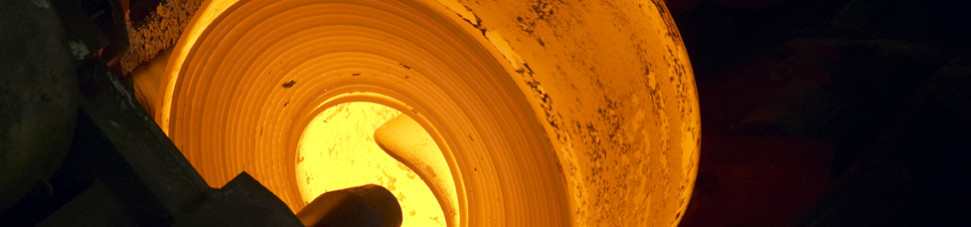
Italian coil producer Arvedi has started up “…the most productive electric arc furnace in history”, says the equipment’s supplier, Tenova.
The new Consteel EAF was started up on 18 September at Acciaieria Arvedi in Cremona, replacing the existing Consteel furnace, originally installed in 2008, Kallanish learns from Tenova.
The furnace has a tapping size of 300 tonnes and is designed to reach a power-on time of 37 minutes with a charge mix including up to 30% hot-briquetted iron or other scrap substitutes, Tenova explains.
The new Consteel EAF has been designed with the aim to meet increased demand from the recently revamped continuous casting and rolling mill line of the steel plant in Cremona.
“We are currently proceeding, also on the basis of the recent reconstruction of the cooling towers, with a very quick ramp-up phase,” says Tenova senior vice president Silvio Reali. “Just a few days after the start-up, the furnace is already operating on three shifts.”
The furnace has a 9.1m diameter shell and is continuously fed by a 4m wide Consteel slip-stick conveyor. It is also equipped with a level 1 and level 2 automation package, Kallanish notes.
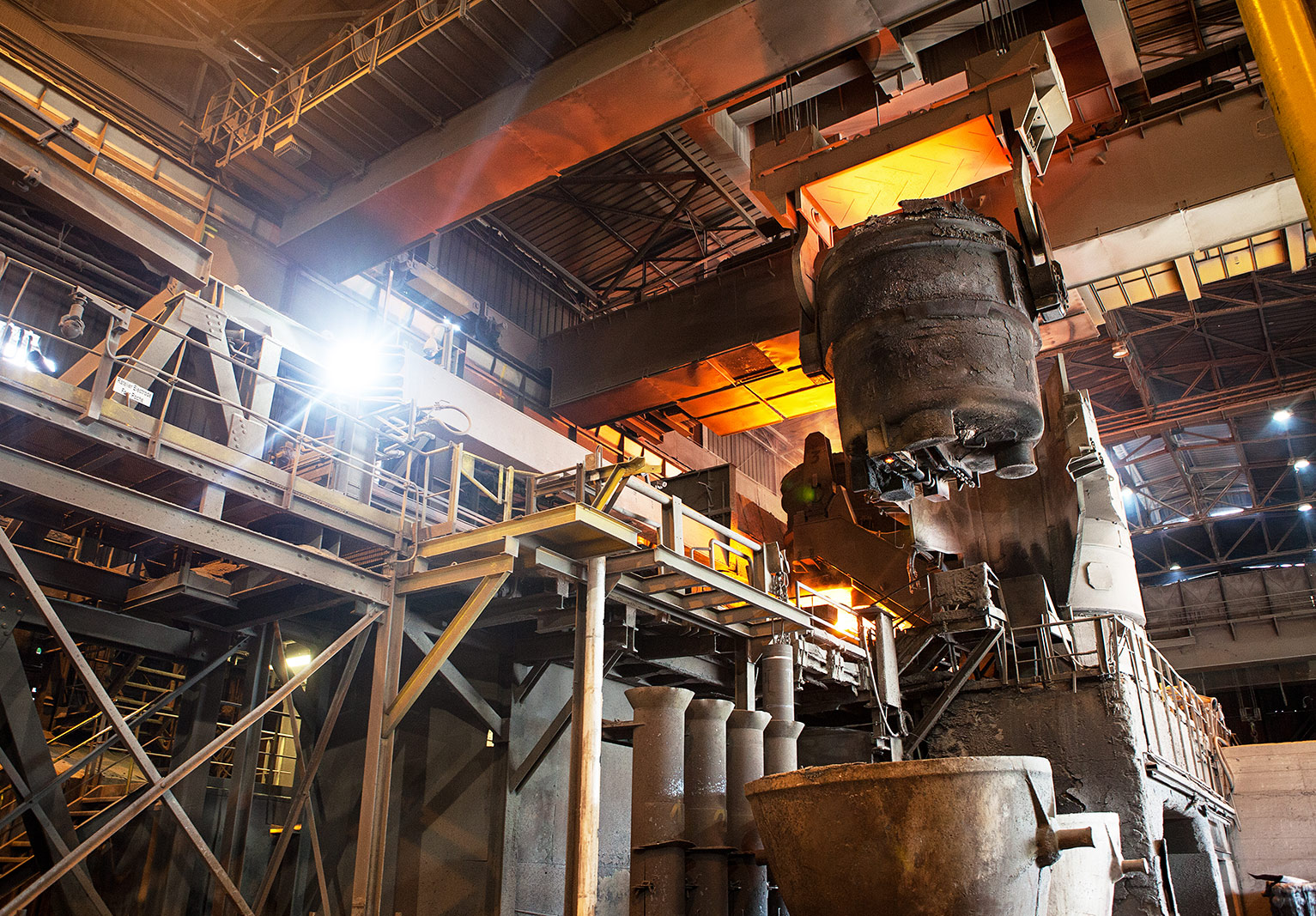
Strike impacts steelmaking at French Riva mill
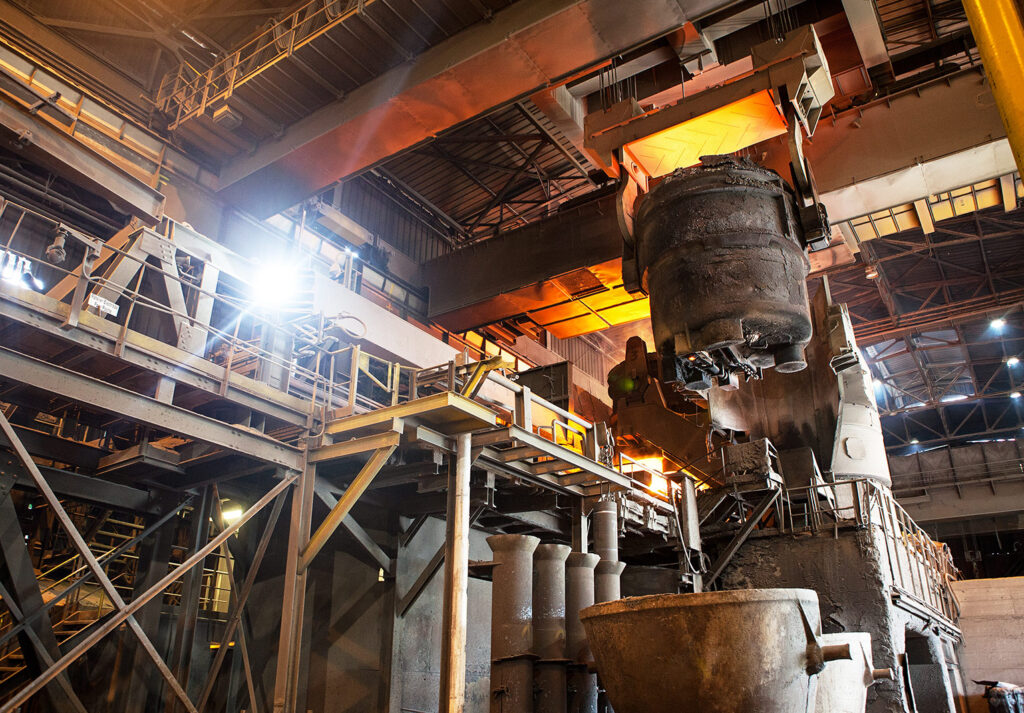
The strike started on 16 September at one of the France-based electric arc furnace long products mills controlled by the Italian-headquartered Riva Group continues.
The site affected is in Montereau, south of Paris, Kallanish learns from trade union sources.
The strikes were initiated after a number of requests from workers were not accepted by the company’s management, including those for a Covid-19 bonus and more staff at the site.
The strike is currently ongoing, mainly affecting steelmaking. The site is equipped with one EAF with a capacity of 100 tonnes. The plant produces billet, which is rolled into light longs for the construction sector.
Merchant bar buyers express concern over Beltrame-Ferrosider deal
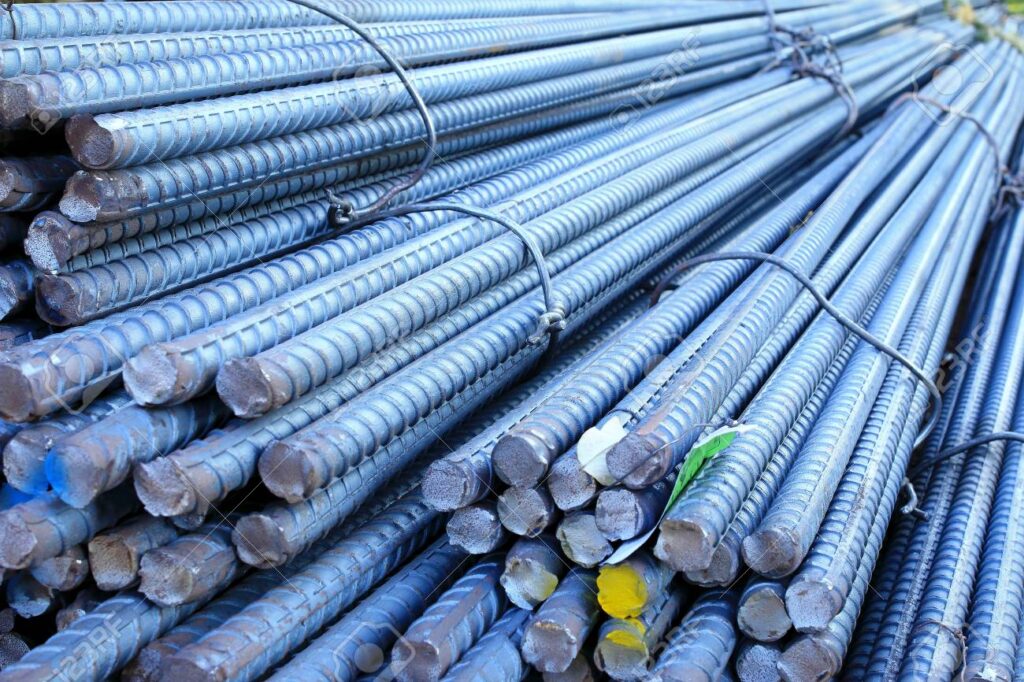
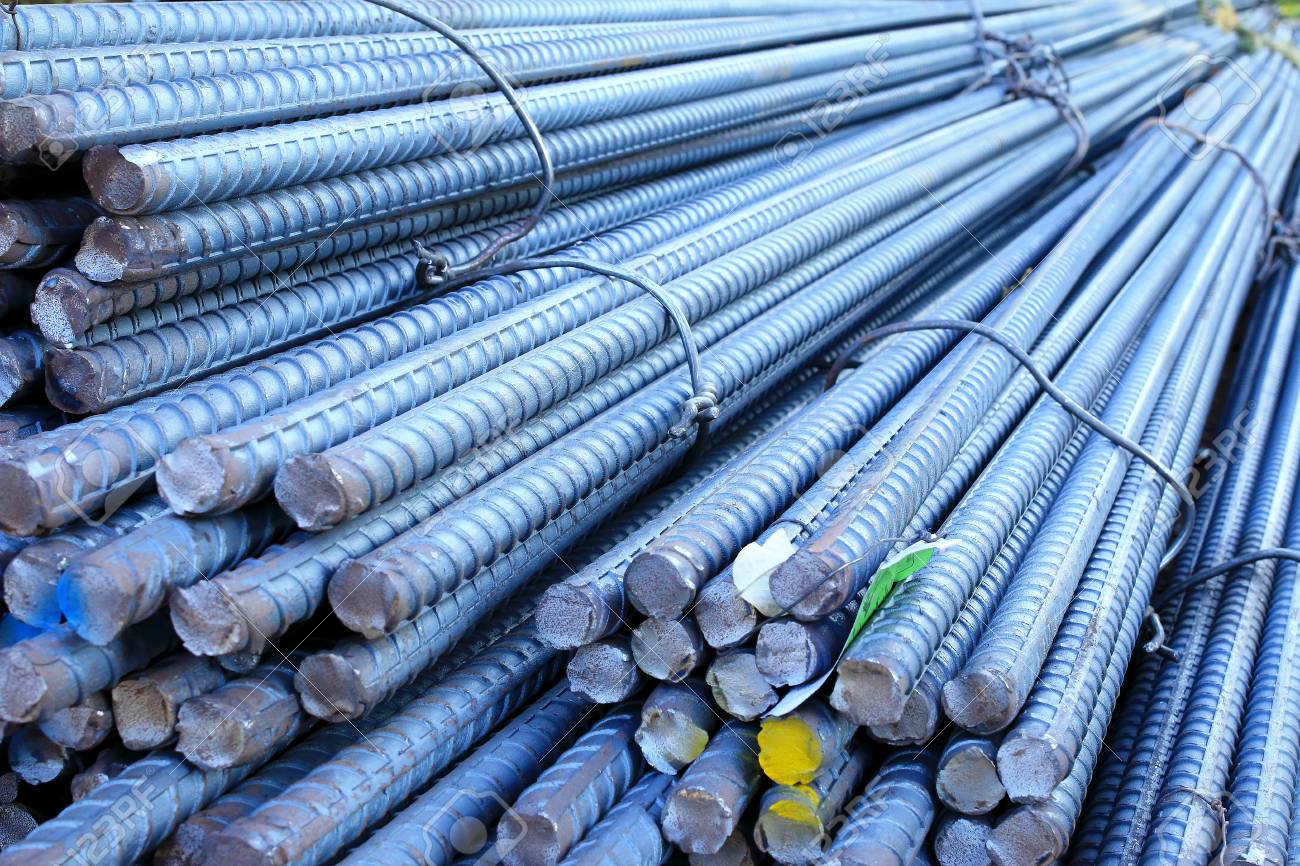
Italian merchant bar buyers have been left puzzled by the concentration of the country’s production in the hands of local producer Beltrame.
Beltrame has made a commercial deal with Ferrosider, owned by specialty steelmaker Ori Martin, to sell its production (see Kallanish 2 October). The deal makes Beltrame the largest producer in Italy, boasting the country’s largest product range and becoming the only producer to be able to produce certain grades.
The deal with Ferrosider has weakened domestic competition, and large distributors will have a very limited choice of suppliers, Kallanish is told by buyers. This month the contract and asking price of merchant bar has suddenly gone up from Beltrame by as much as €50/tonne ($59) compared to last month, leaving service centres with no other choice than to pay the increases despite weak activity for merchant bar downstream.
One large distributor has seen its merchant bar sales erode significantly starting in 2019 and even more so this year. “Merchant bar is our worst performing product because consumption is collapsing in Europe,” he says, adding that his customers cannot afford to pay increases and merchant bar sales will continue to suffer.
The only other two producers left in Italy, Acciaierie Venete and Olifer, are also expected to increase their prices in line with Beltrame. However, they are not able to compete with its new output and enlarged product range. Cheaper Spanish-origin product is currently not active in Italy, but large buyers have vowed to look for material abroad in an effort not to depend on one producer only.
Merchant bar contract prices in Italy last week were between €70-90/t base ex-works. Sources believe that as of this week contracts will increase to €90-100/t base ex-works. Including €420/t ($492) size extras, prices are currently at €490-510/t ex-works.
Last week Beltrame announced it has made a deal to buy the commercial business unit of Ferrosider together with all its stock. This will ensure production continuity at the Ferrosider plant in Brescia.