


EUROMETAL president at Catalonia steel distribution forum

Mr. Fernando Espada, chairman of EUROMETAL, participated in the XVI Forum de la distribución de productos siderúrgicos (XVI Forum for the distribution of steel products), organized by the Unió de Magatzemistes de Irons de Catalunya i Balears on October 22, 2020.
This initiative was born in 2005 with the aim of creating an open dialogue and enrichment space for the metallurgical sector.
The president of EUROMETAL spoke at the “table of manufacturers and distribution” accompanied by Mr. Nuno Ribeiro Pires (Ferpinta), Mr. Juan Mañá Herranz (Arcelormittal Comercial Perfiles España) and Mr. Víctor Martínez Rodríguez (CELSA Group).
EUROMETAL also contributed in this online forum as a Gold sponsor.
The forum had over 110 participants.

Sider Center becomes Italy’s leading distribution network
Italian purchasing group Sider Center, which counts 22 independent distributors and service centres, is expanding. Ten distributors from the “Iron” group will be joining the Sider Center distribution network, Kallanish learns from a source at Sider Center.
The merger, effective from 1 January, will create the largest distribution network in the country with a total of 42 warehouses covering the north, centre and south of Italy. The ten companies migrating from the Iron purchasing group to Sider Center are Sidernestor, Cicero Francesco, Colacchio Filippo, Comfer, Elle Erre, Ferro Umbria, Fiordigiglio Alfonso, Siderurgica Nunziata, Sider Cisterna, Zega Commerciale.
The new expanded network, boasting approximately €300m ($355m) of turnover, will have the strength to compete on the domestic market but also on the global arena, the sources adds.

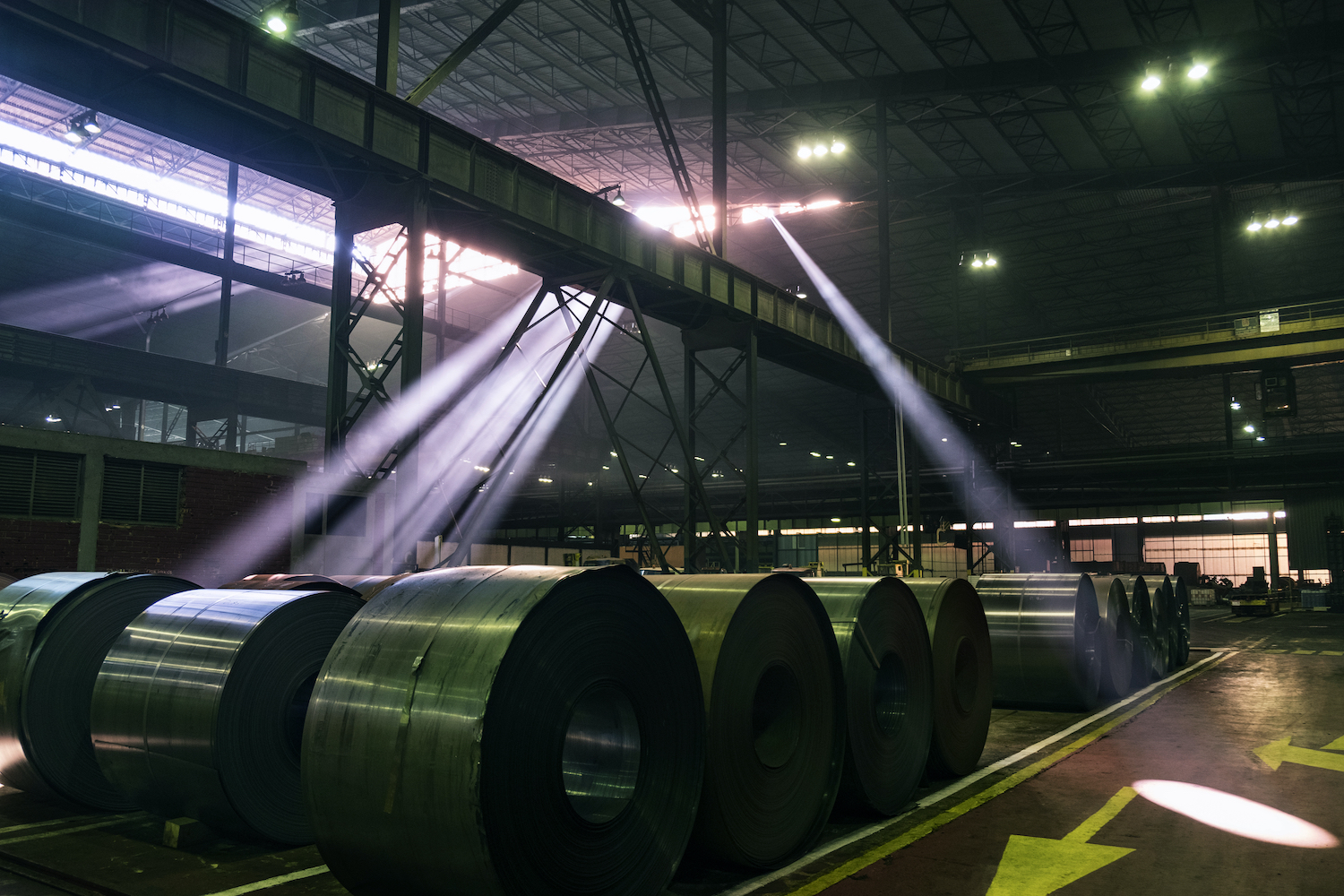
SSAB expects Europe improvement following challenging third quarter

SSAB has posted another round of challenging results for its European operation. The company is hopeful the fourth quarter will bring a recovery.
Q3 revenue at the European units of the group was down -19% year-on-year to SEK 6.1 billion ($694.7 million). The unit also posted an operating loss of SEK 631m, mainly due to lower capacity utilisation and lower prices, Kallanish notes.
The outlook for Q4 is mildly positive, but the current second wave of coronavirus in Europe is bringing further uncertainty. Shipments are expected to recover in Q4 from the 751,000 tonnes registered in Q3, which was down over 40,000t y-o-y.
Q3 crude steel production reached 837,000t at SSAB Europe, down almost 100,000t compared with the level registered in Q3 2019. This output is also set to recover as the company restarted in September a blast furnace idled at its Raahe plant earlier this year for market reasons.
Commenting on the potential sale of thyssenkrupp Steel in Europe, the company said during a call with analysts it is not engaging in bidding for the steel arm of the German group.
Stricter transportation rules could tighten German truck capacities
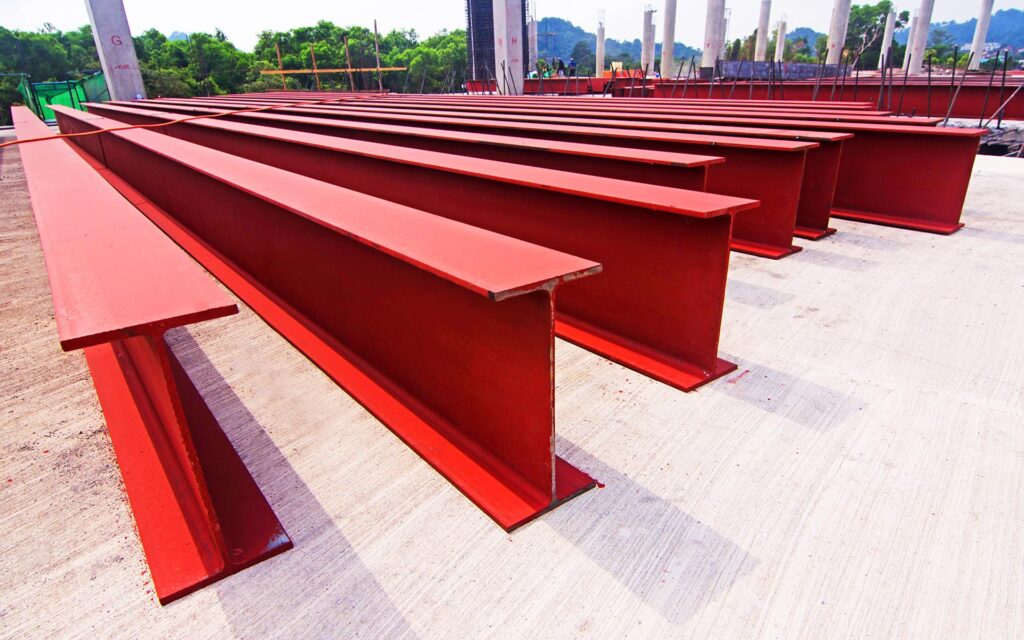
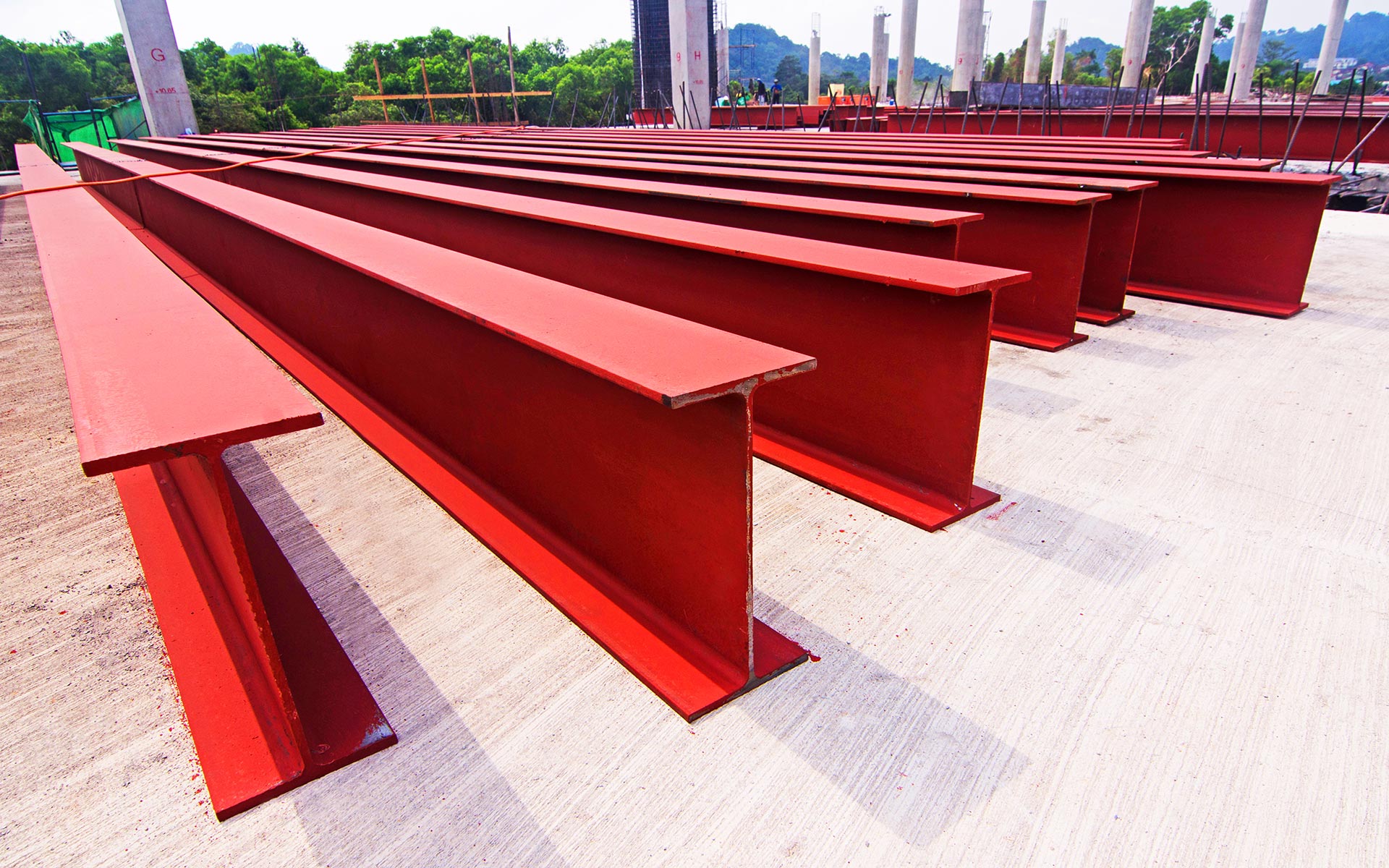
A length limit for truck transports of long steel has been enforced in Germany more strictly. This could lead to lower availability of truck capacities, and eventually higher transportation prices.
According to the regulation, products of 14 metres – a standard length popular with construction sites – or more must be carried on open trailers. For a long time, closed trailers that left their back doors open were accepted, but this tolerance has come to an end. One problem is that a number of transport companies over time have exchanged the open trucks of their fleet for closed trucks that can be used for many non-steel products.
It is not quite clear why controls have become stricter. The owner of a rebar bending shop in the Frankfurt area suspects this is a tool of discipline for Eastern European transporters.
The new rule tightening comes independently of the Covid-19 pandemic, which itself is causing shortages of trucks (see Kallanish 14 October). “The regulation will cause a shortage of especially open-trailer trucks, and the lower availability will certainly lead to longer delivery times,” the rebar bending shop manager says. He has warned customers to take longer lead times into account going forward.
In the long term, truck fleets need to invest into buying open trailers, and this would lead to an increase in freight prices, he predicts.

Alfa Acciai completes mill revamp
Italian rebar and wire rod maker Alfa Acciai has completed the modernisation of its rolling mill in Brescia, Kallanish learns from Danieli, which carried out the upgrade.
The upgrade allows Alfa Acciai to increase its production of coiled rod, in line with current market demand. The project involved the complete renewal of the mill automation system as well as some new equipment. Bar Mill no.2 is equipped with Danieli billet-welding capability, joining two billets to produce a spooled coil weighing about 3 tonnes. For small-diameter products produced by twin split rolling, four billets are needed to obtain two 3t coils, the technology supplier says.
Before the modernisation, just one strand of the split rolling line fed the spooler line and the alternate strand delivered material to the cooling bed as straight bars. Following the modernisation, it is possible for both strands to feed two coilers simultaneously. As a result, Alfa Acciai will increase spooled bar output from 50% to 80% of hourly production and reduce straight bar output to 20% of the total.
The Brescia plant is one of Italy’s largest electric arc furnace mills. Alfa Acciai also owns the Catania-based Acciaierie di Sicilia, the only steel mill in Sicily; Ferroberica, which pre-shapes and assembles rebar at its sites in Vicenza Catania and Udine; and Brescia-based Tecnofil, a drawing mill for wire rod. Alfa Acciai employs 1,100 workers for an annual capacity of 2.5 million tonnes.

German steel stock volumes see double-digit increase m-o-m in Sept: BDS
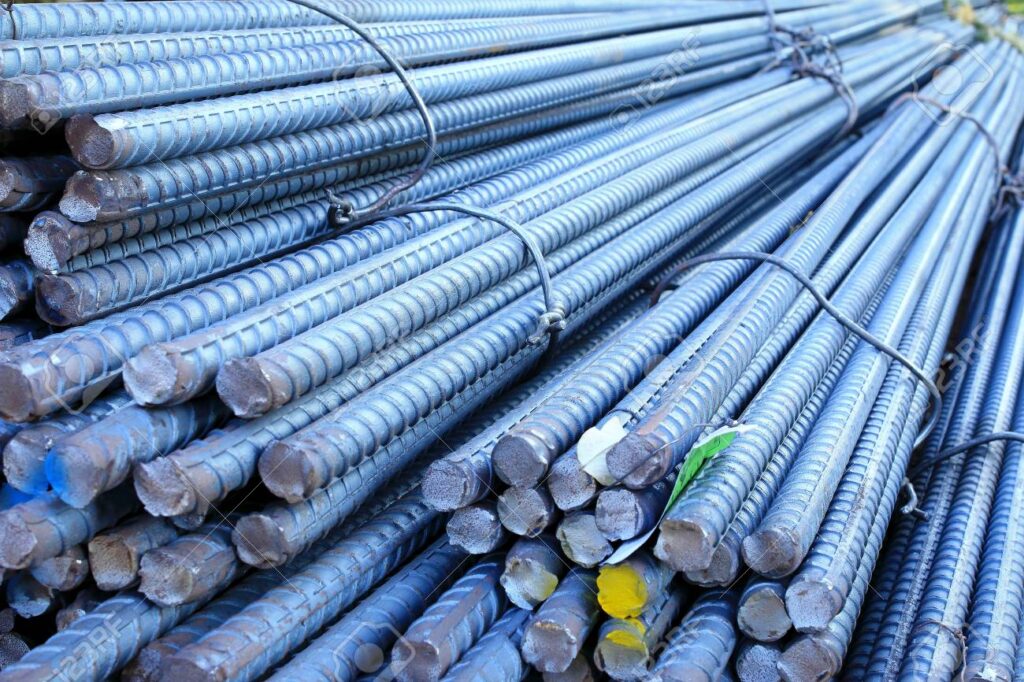
Sales volumes at German steel stockholders increased significantly from August to September, whereas stock levels saw slight downturns, according to figures from German stockholder association BDS, sent to S&P Global Platts.
Sales volumes of long steel products saw a 13% month-on-month increase in September to 297,939 mt, while flat steel sales volumes grew 18% on the month to 542,509 mt, reflecting an uptick in activity after the end of the summer holidays.
In year-on-year comparison, sales volumes were almost stable for both product groups, indicating that volume pick up was similar the same month a year ago.
However, the situation in the European steel market was different in 2019 as the market was in a downturn that lasted well into November 2019. The pandemic put the price increases to a halt in February this year and prices have been in a consistent upwards trend since July with significant price increases seen over the August-September period across Europe.
The market experienced persistent material bottlenecks in September amid production curbs and a lack of attractive import material, and stockholders struggled to source bigger volumes, particularly for coil products.
Stock volumes of long steel products fell slightly in September by 0.4% to 776,553 mt, decreasing 6.8% on-year. Flat steel products saw a 2.3% monthly drop to 1.3 million mt, and a 4% on-year decrease.
— Laura Varriale


Global steel associations call for stronger action to combat overcapacity
Steel associations from around the world are calling for governments to reinforce their work to catalogue and help bring down global overcapacity, in advance of the Global Forum on Steel Excess Capacity (GFSEC) ministerial meeting of Oct. 26, European Steelmakers’ association Eurofer said Oct. 22.
Steel industry associations from the Americas, Europe, Asia and Africa, including the US’ American Iron and Steel Institute, Mexico’s Canacero, The Japan Iron and Steel Association and Russian Steel have renewed their call for governments of steel-producing economies to intensify their work in GFSEC, according to a joint statement released by the associations.
The associations are specifically calling for governments involved in the Forum to: develop stronger disciplines on industrial subsidies and other support measures that contribute to excess capacity and distort markets; uphold effective trade remedies to ensure a level playing field driven by market forces and fair trade; and deepen the analysis of the drivers of steel capacity expansions to expose subsidized or non-market driven investments.
Other priorities highlighted in the statement include: to make a reliable forecast for steel demand in the markets where investments are to be made; boost transparency in industry communications and to
communicate to G20 leaders on the need for expanded efforts to address the growing steel excess capacity crisis.
The associations indicated they were “tremendously concerned” about the recent increase in steel overcapacity at a time when steel demand is severely depressed by the COVID-19 pandemic, which they said has reversed a trend of gradual decreases in overcapacity in the three years after the GFSEC was established (2016-2019).
The associations noted there has been an uneven state of recovery in macro-economic conditions and steel production across the world and highlighted a risk of “potential destabilization” of international steel markets. China, which in recent years has reduced more than 150 million mt of excess steelmaking capacity, has led a global recovery in steel markets following a COVID-19 induced slump in Q1 and Q2, on the back of massive steel-intensive government stimulus.
“Steel industries commend the commitments taken by the members of the steel forum to create transparency in regional market and capacity evolutions and review capacity increases based on the agreed policy principles and recommendations set out in the Berlin Ministerial report,” the associations’ statement said.
— Diana Kinch