


ArcelorMittal Italia closes in on deal: reports
According to local broadsheet Repubblica,the Italian government is willing to invest €1 billion ($1.18 billion) to relaunch the steelmaker formerly known as Ilva, now ArcelorMittal Italia.
The Italian government has designated Invitalia to negotiate with AM InvestCo, ArcelorMittal’s Italian entity. The amended lease and purchase agreement for Ilva states that the government’s equity investment is to be executed by 30 November. In the event this does not happen, AM InvestCo has a withdrawal right, subject to an agreed payment of €500 million, sources tell Kallanish.
The original industrial plan involved pushing up Taranto’s output to 8 million tonnes/year. However, government negotiators are now rumoured to be compromising on this plan due to the Covid-19 pandemic’s impact on steel demand. They are said to be willing to achieve this output over a longer period of time.
Meanwhile, according to local press reports unsubstantiated by the company, in a letter to Italian authorities, Italian steelmaker Arvedi has stated its intention to take part in the relaunch of the former Ilva. When contacted by Kallanish, however, Arvedi denied these reports.
The deadline of 30 November seems to be pushing for a definitive solution to the painfully long negotiations. Meanwhile, in a sign of relaxing tones between the company and the government, ArcelorMittal has agreed to pay all its outstanding debts with suppliers together with the latest lease instalment due to expire at the beginning of November. The company’s debts have already gone down from €40m to €20m (see Kallanish 28 October).

Salzgitter supplies plate for Brittany wind farm

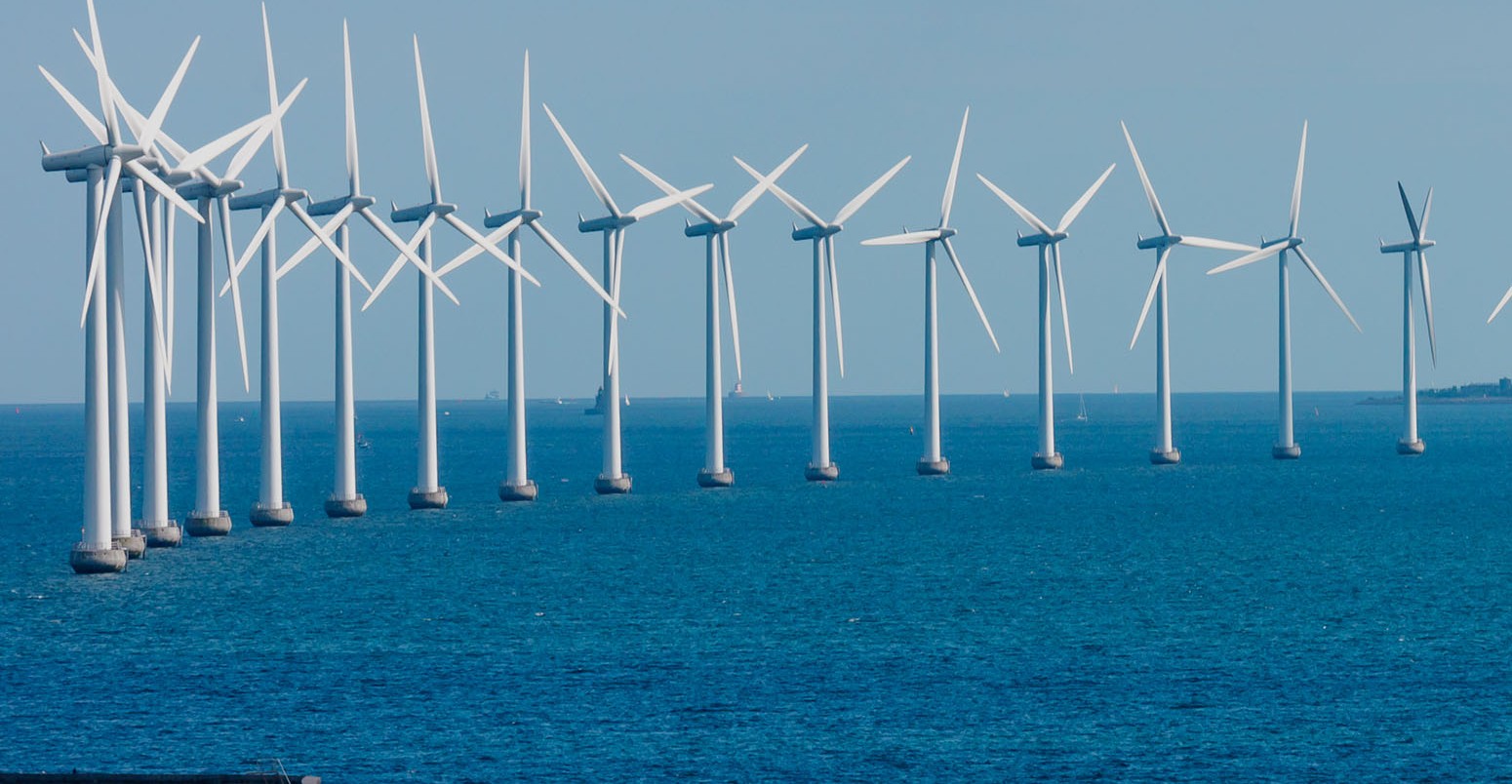
Salzgitter group is delivering 50.000 tonnes of thermomechanically rolled plates for the Spanish group Navantia S.A. for the offshore wind farm “Saint-Brieuc” off the Brittany coast, Kallanish hears from the steelmaker.
The plates are made at Salzgitter’s units Ilsenburger Grobblech and Salzgitter Mannesmann Grobblech, and will serve to build 62 jackets (foundation structures) and 186 piles for mounting the jackets on the seabed.
The wind farm has a capacity of around 500 megawatts and will thus provide clean energy for more than 835,000 people. The operator and owner of “Saint-Brieuc” is Spanish utility Iberdrola. The supply of the plates to Navantia started in August 2020 and will be completed in the spring of 2021. The plates have a maximum thickness of 80mm, a width of up to 4,100mm and a length of more than 12m.
“The wind energy sector is one of the most important branches for the heavy plate producers within the group,” says Sebastian Bross, head of the business unit Heavy Plates/Sections of Salzgitter. He emphasises that the company is one of the few full range suppliers for heavy plates in Europe, and that it aims to further enhance this position.

British Steel pushes further rail research

British Steel announced a partnership with the University of Sheffield to further research into producing the highest quality possible of rails for the market, Kallanish learns from a company statement.
“The company, which supplies the majority of the track laid in the UK and exports to major networks across the globe, is working with the University to ensure British manufacturers remain at the forefront of rail technology and innovation,” British Steel said. “The partnership will see British Steel harness new state-of-the-art equipment, alongside the University of Sheffield’s world-renowned metallurgy and mechanical engineering expertise.”
The company alone will contribute to the reasrch program with £1.6 millions ($2.1m) matched and increased by Research England funds.
“This partnership will help ensure British Steel continues to lead the way in developing and building the railways of the future. In a hugely competitive market, we’re committed to enhancing our product range so we can keep meeting and exceeding the high standards operators and travellers rightly demand,” Ron Deelen, ceo of British Steel said. “Product development, integrity and innovation have never been as important, with major rail infrastructure programmes around the world, including HS2, requiring the high-quality products synonymous with the British Steel name. We’re well-placed to supply significant quantities of rail, and constructional steel, into major projects like these and deliver cost-effective solutions to the challenges our customers face.”
Tata Steel responds on EU asset sale rumours
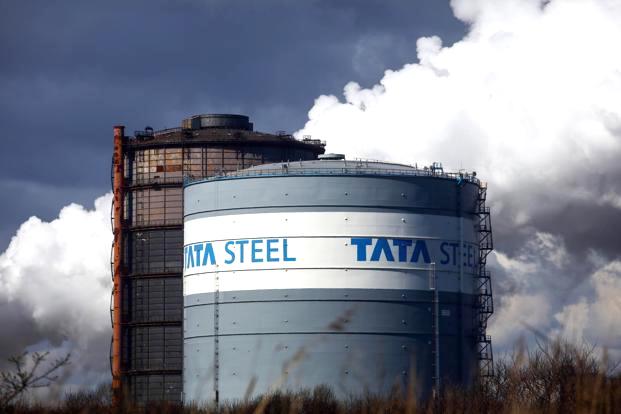
Tata Steel this week has responded to an official request for clarity issued by the National Stock Exchange of India over the ongoing rumours that the company is close to selling some of its European assets, Kallanish reports..
In a note sent to the exchange, the company said that it “regularly evaluates strategic opportunities across various segments of its operations in different geographies.”
“The company is from time to time involved in discussions on strategic perspectives for its business activities. Such discussions are ongoing management tasks and we do not comment on such discussions,” Tata Steel added, noting that accurate disclosures will be made when needed.
Rumours on the possibility that Tata Steel Europe was ready to sign as early as this week an agreement for the sale of its Dutch assets to SSAB have circulated again in the market. It is worth noting, however, that rumours surrounding potential joint ventures and asset sales regarding Tata Steel Europe have been circulating for many years, intensifying further as soon as the prospect of creating a new JV with thyssenkrupp ended back in 2019.
Turkish mills’ pipe exports to EU rise, exports to US slump
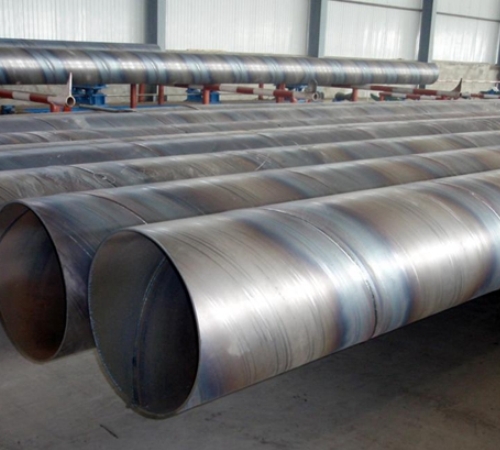
Turkish producers’ pipe exports rose by 10.2% year on year to 1.5 million mt in the first nine months of the year, despite unfavorable market conditions, amid the coronavirus pandemic. However, revenue generated from these exports fell by 1.9% on year to $1.1 billion, the latest data from the financial report of a Turkish pipe producer showed.
The EU region continued to be Turkey’s main pipe export destination in January-September at 818,000 mt, up 12.3% on year, despite quotas and the pandemic. The largest buyers of Turkish pipe in the EU region were Romania, UK, Belgium, Germany and Italy, respectively.
Romania saw a sharp 63.6% on-year rise in Turkish pipe imports in the nine-month period, taking in 358,000 mt, while Iraq became Turkey’s second largest pipe export destination in that period at 160,000 mt, also up 15.1% on year, despite ongoing political uncertainties in the region.
Israel was another main pipe export destination in January-September at 103,000 mt, up 41% on year, while exports to the UK fell by 53.4% on year in that period to 103,000 mt.
Turkish pipe mills’ exports to North America fell by 46.3% on year in the first nine months to 62,000 mt, as exports to the US fell significantly due to the Section 232 tariff.
The US was one of Turkey’s largest pipe customers in previous years, importing around 300,000 mt every year before the tariff was levied in 2018.
— Cenk Can
