

Bowim improves profitability, expects lighter pandemic restrictions
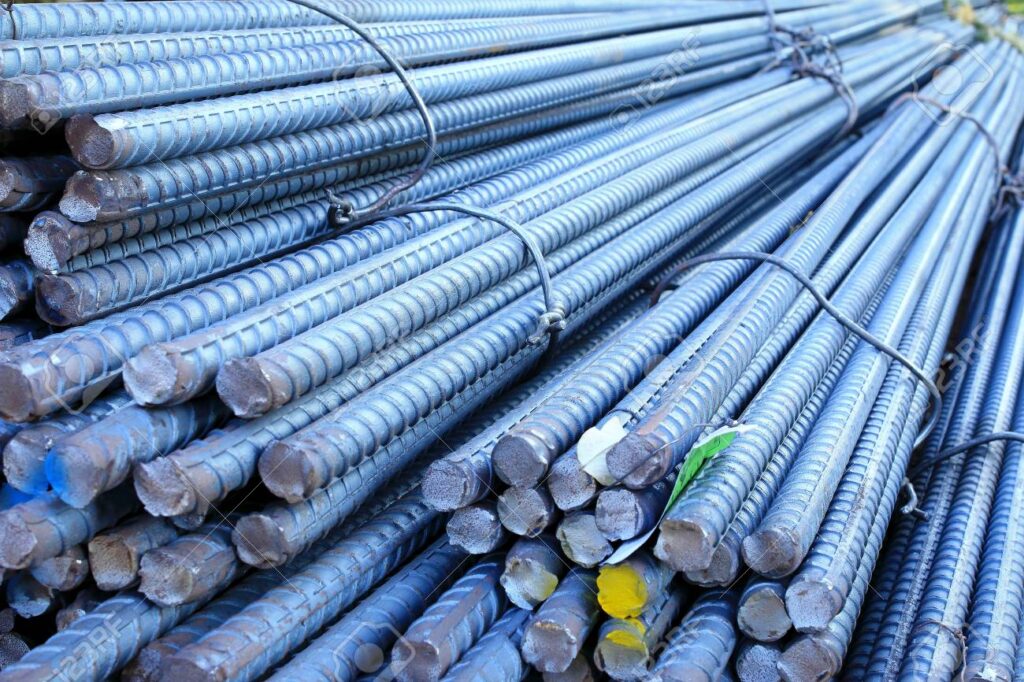
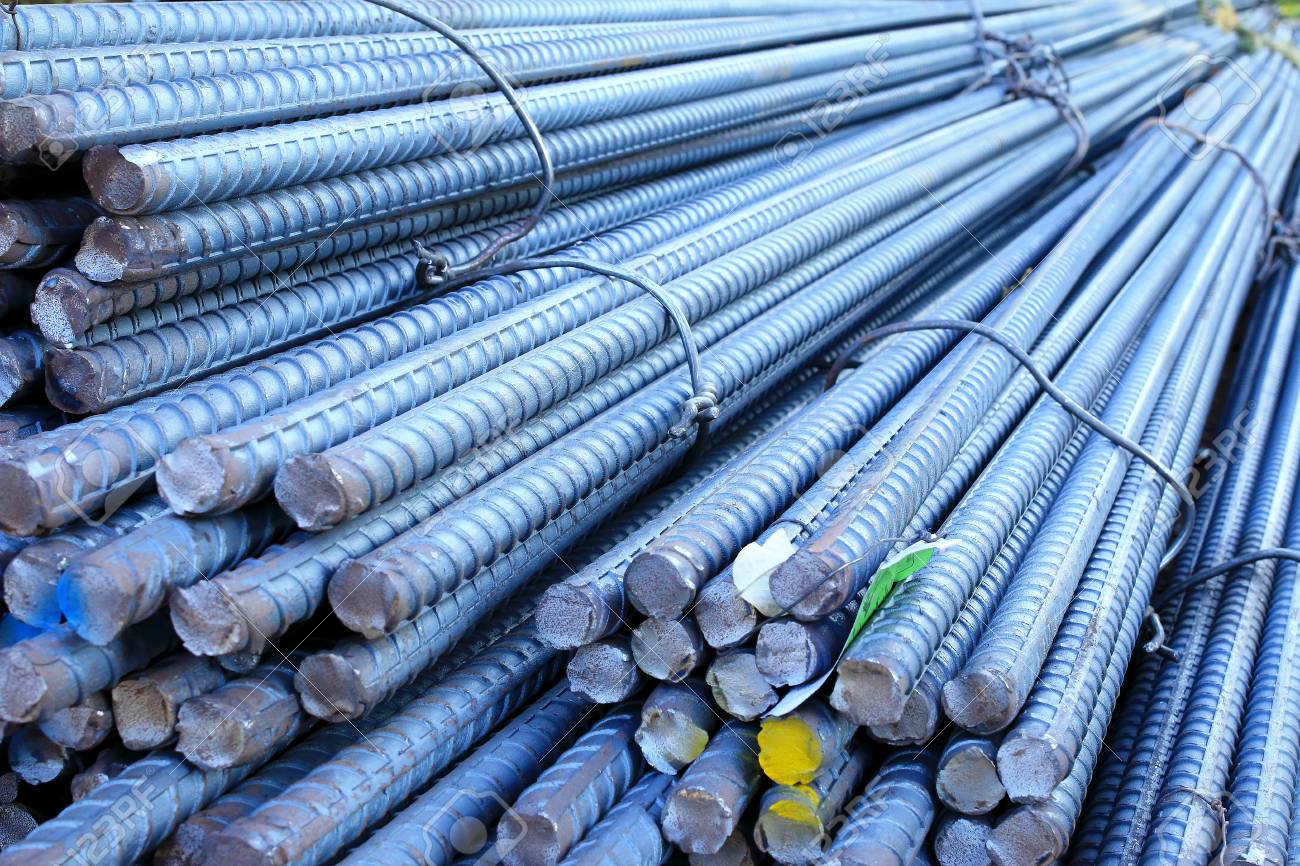
Bowim’s consolidated sales fell -6% on-year in the nine months through September to 371,123 tonnes, with sheet sales down -10% to 131,486t. Pipe and profile, and rebar shipments declined -1% and -8% respectively to 74,132t and 65,668t, Kallanish notes.
Consolidated revenue fell -15% to PLN 876.1 million ($237.8m) due to the impact of the Covid-19 pandemic on steel demand and prices. Operational costs fell more steeply than revenue, helping the firm turn to a net profit of PLN 5.1m versus a year-earlier loss of PLN 1.6m. In terms of procurement, imports accounted for 28% versus 35% a year earlier.
The third quarter saw a certain market stabilisation after the pandemic ravaged business in Q2, but the crisis is worsening again now, the Polish distributor says. However, management does not expect pandemic-related restrictions to be as severe as in the spring.
Numerous social and economic restrictions throughout the year have slashed demand, forcing the firm to cut costs to adapt to the changes. Another unfavourable factor for Poland’s industry is its energy mix, which is based mainly on coal and therefore incurs large costs from EU climate policy, Bowim says.
Declining EU automotive production has resulted in increased competition among the region’s sheet suppliers. Polish car production fell -40% on-year in January-September and is not forecast to return to pre-pandemic levels until 2023.

European steel coils supply tightens as mills hold back capacity

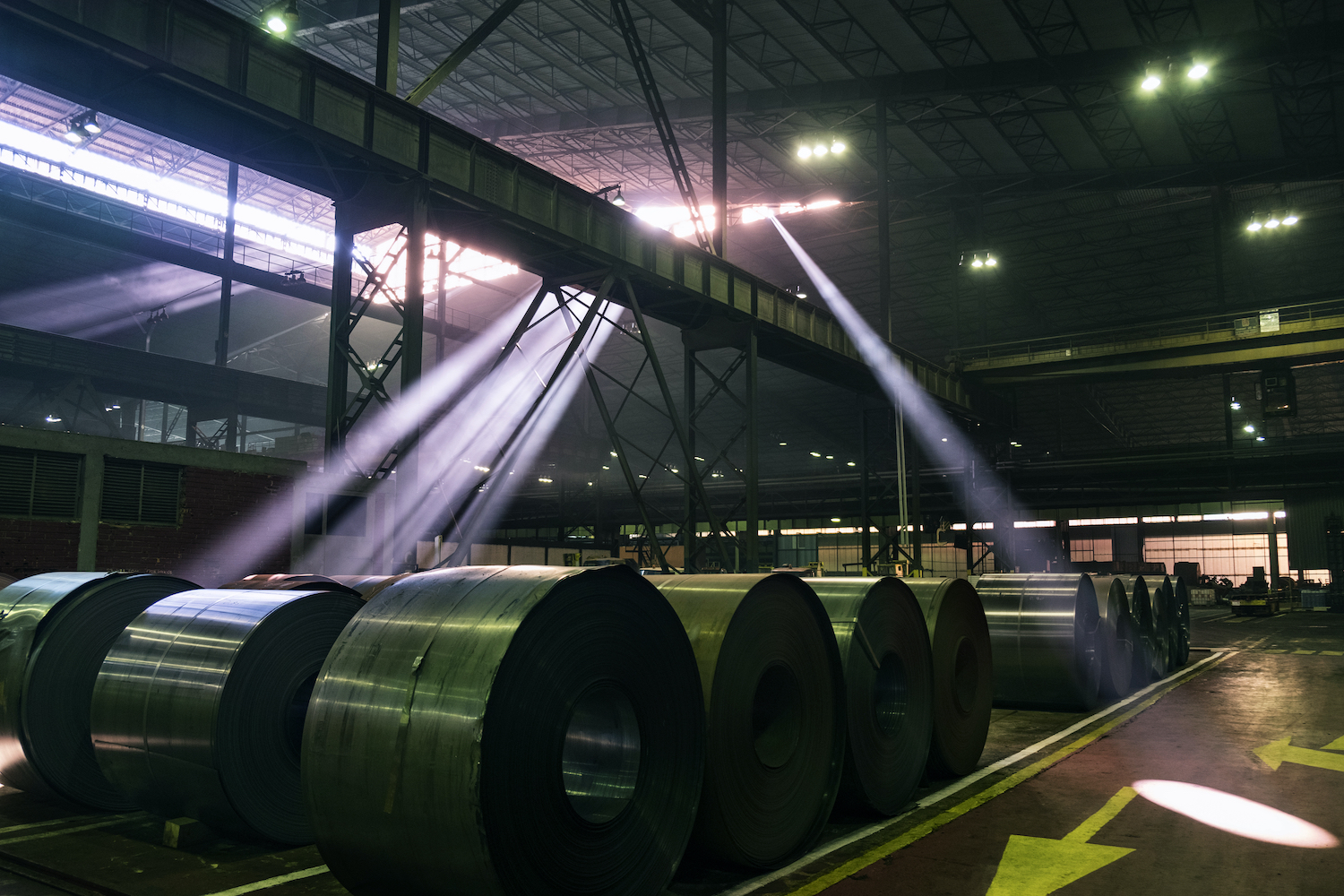
The European hot-rolled coil market has seen prices soar to a two-year high in recent weeks, exacerbated by an ever-tightening supply shortage, with mills staunchly curbing production until “real demand” resurfaces and customers are desperate to secure volumes for Q1 irrespective of price, sources told S&P Global Platts Dec. 3.
Several market-leading mills are sold out of the market until April, with hot-rolled coil and hot-dipped galvanized products increasingly hard to secure as unprecedented automotive demand, long delivery times and undesirable import offers leave secondary customers short with few alternatives.
Sources said steel producers would continue to limit output until at least the second quarter as they assess the demand progression from the automotive sector.
“We are moving prices up further as availability is very low and imports are not there,” a European mill source said. “Everyone [mills] is working on it but maintenance issues and low working capital are making it difficult. Auto is one of these elements but not the only one.”
With coil prices at Eur555.50/mt ex-works Ruhr and Eur554.50/mt ex-works Italy, an Italian mill source said he did not understand the incentive to keep production at lower-than-maximum capacity.
“Mills are not losing out, they are earning money,” the source said. “I’m expecting utilization rates to be between 80-90 percent in 2021. Utilization rates will return to normal.”
Since the start of November, Northern European hot-rolled coil prices increased by Eur43.50/mt month on month, and in Italy, hot-rolled coil prices went up by Eur63/mt.
In the European Union, crude steel production fell for the 10th consecutive month in October, data from the Worldsteel Association showed.
Production dropped 5.6% to 12.61 million mt on year, with the largest European producer, Germany, producing 3.4 million mt of crude steel in October, up 3.1% year on year. The second largest, Italy, produced 2.1 million mt of steel in the month, down 4.6% from a year earlier, and in Spain output dropped 7.7% to 1.1 million mt.
A German trader said supply tightness was initially a result of pandemic-induced production cuts back in March, followed by unexpected automotive demand that mills have struggled to accommodate ever since.
“Producers took out their blast furnaces to a minimum level [during the pandemic], and now mills are not able to adjust their production to the current demand,” the trader said.
The coil shortage dilemma is not limited to Europe, however, as Japanese mills have been equally unprepared for the surge in inquiries brought on by the automotive sector.
“The Japanese reduced to absolute minimum and then auto came back. Now they’re struggling to meet those needs and the export allocations have been reduced considerably,” the same trader added.
According to Worldsteel, Japan produced 7.2 million mt of crude steel in October, down 11.7% from October 2019.
An Italian service center source said he was unable to fulfil entire quantities for most of his orders due to the short supply, causing some friction with customers.
“We speak with customers and say for Q1 we can only sell to you the 90% of volume we agreed because the situation is an emergency, but for them it’s a big problem because it’s not possible for them to afford a situation like this,” he said.
The source was adamant that until European mills restarted their blast furnaces, the European Commission must do more to allow imports from nearby CIS countries back into the EU.
“We have to open the doors to Russia and Turkey,” the source said. “We’re waiting for mills to restart their blast furnaces and [bring back] 10 million-20 million mt of steel to the EU but [until then] we need to receive material from everywhere.”
Hot rolled coil import offers were heard Dec 3. at Eur580/mt CIF Antwerp ex-Russia for March delivery, and from India at above Eur600/mt CIF Antwerp.
— Amanda Flint

Iron ore surges on mill confidence
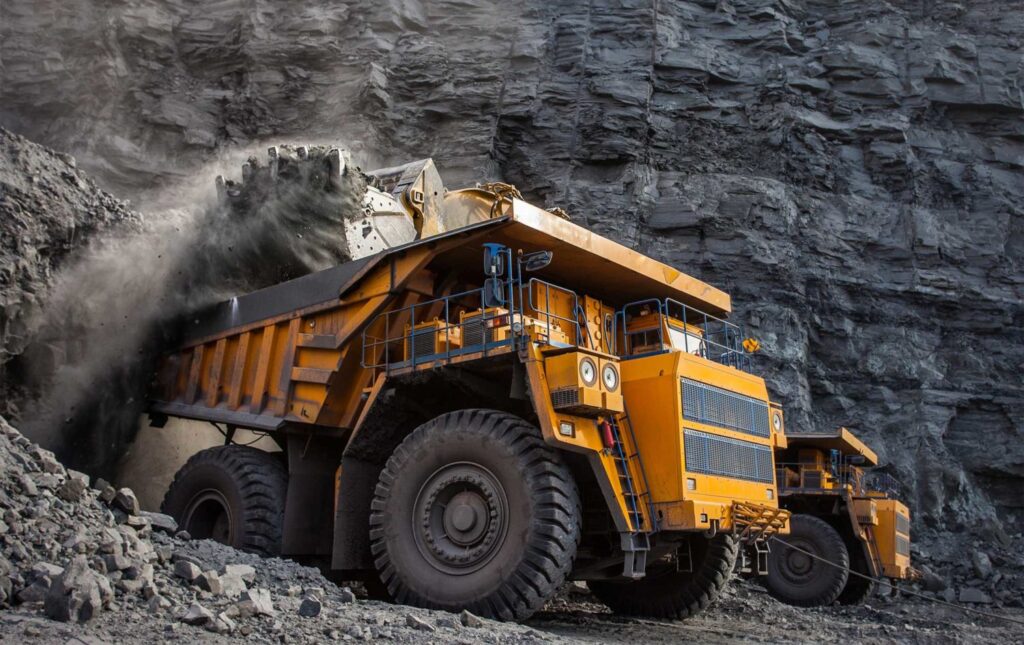
Seaborne iron ore prices have continued to surge. Expectations for the new year have continued to drive prices higher despite weaker steel prices.
The Kallanish KORE 62% Fe index jumped another $2.11/t to $137.56/dry metric tonne cfr Qingdao. The Kallanish KORE 65% Fe index gained $2.15/t to $149.19/dmt cfr, and the KORE 58% Fe index increased $1.62/t to $126.30/dmt cfr.
On the Dalian Commodity Exchange January 2021 iron ore settled up CNY 10/t at CNY 932.5/t ($142.03/t), while on the Singapore Exchange January 62% Fe futures settled up $2.52/t at $132.54/t. The same contract for 65% Fe and 58% Fe futures settled up $1.76/t at $146.38/t, and up $0.71/t at $121.02/t respectively. In Tangshan, billet prices fell CNY 10/t to CNY 3,580/t, and steel futures prices have also declined (see separate article).
In addition to falling port stocks, iron ore prices are partly being supported by optimism for demand in the second quarter of 2021. Some mills are preparing to restock this month as they prepare for high production ahead of the peak demand period after the Chinese New Year.
Although domestic steel demand and prices have come under pressure from the winter, mills are confident. Chinese steel market inventories have been declining, and with international prices finally increasing over Chinese levels, they believe they will be able to export any excess production.
Italian sections producers seek increases
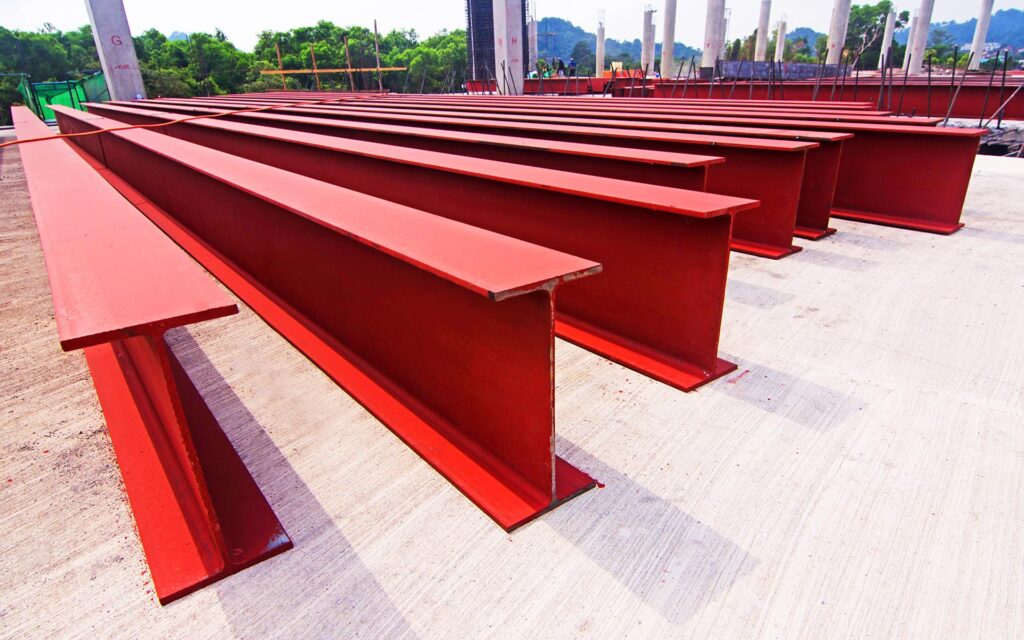
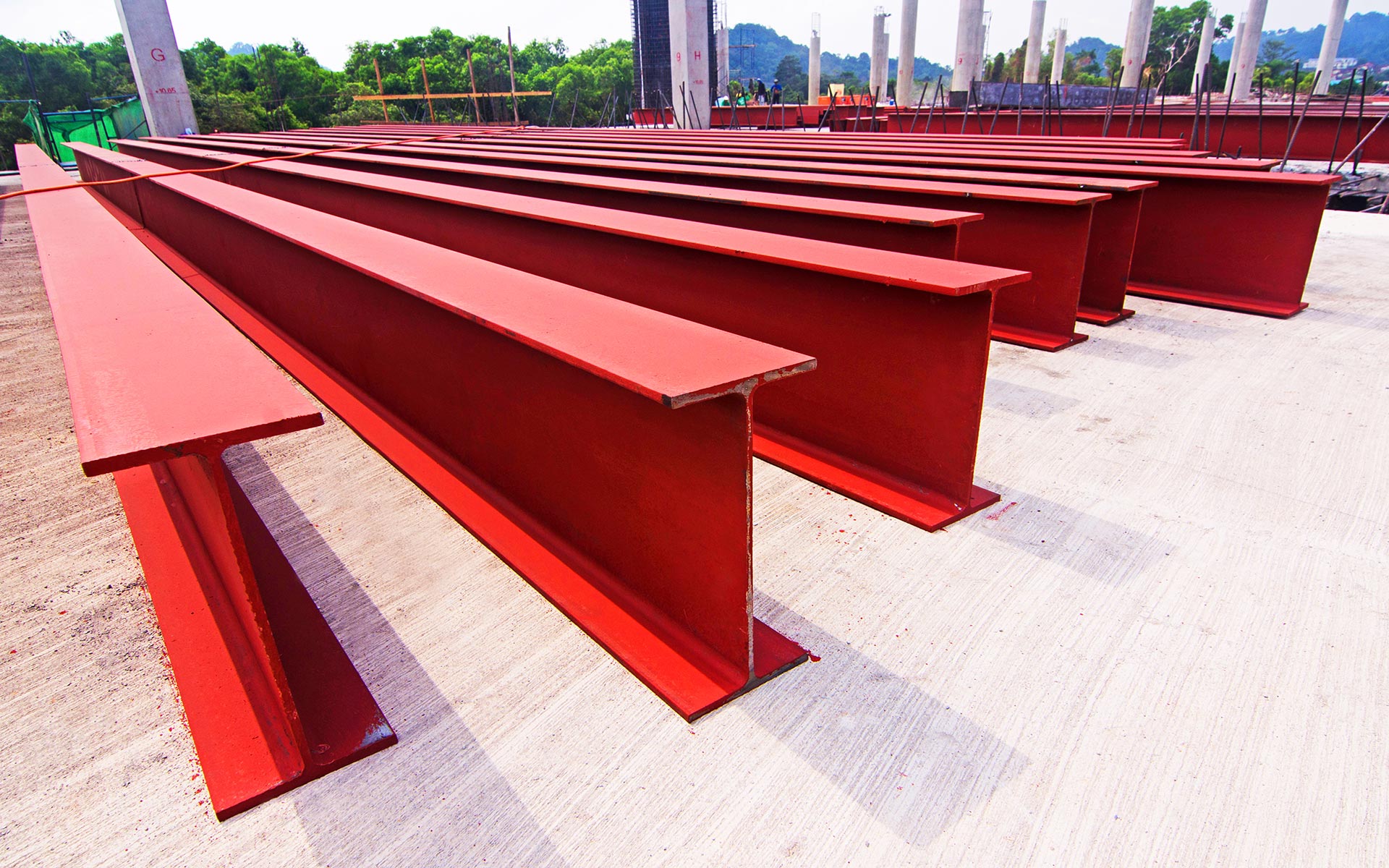
Italian heavy sections prices are increasing this month, in line with increasing scrap values, market participants tell Kallanish.
While most long products are going up in Italy due to good demand and costly scrap, sections and rebar seem to be struggling as sales are hampered by continuing unreliable demand. Pushing up sections prices has been a challenge for suppliers over the past two months despite the scrap increases. Domestic beam sales volumes remained moderate in November, distribution and producer sources say.
Steelmakers are now quoting the first category of beams at €190/t base ex-works, while transactions in November were between €140-160/t. Including €385-390/t size extras, contracts remain on average at €525-550/t ex-works, or delivered depending on point of delivery and tonnages purchased. Prices increase by €20/t for each subsequent category, sources say.
Fast EU quota fulfilment slashes Turkey’s pipe exports
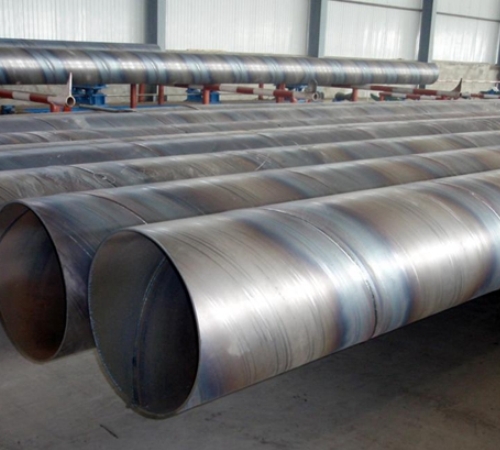
Turkish welded pipe exports fell -26.2% on-year to 134,799 tonnes in October, according to Turkish Statistical Institute (TUIK) data monitored by Kallanish. This was also down from 219,788t in September, mainly due to the absence of European shipments which were completed in September.
The average value of October exports dropped to $684/tonne from $722/t in October 2019. It was, however, up from $630/t in September 2020.
The most-exported product was rectangular hollow sections whose shipments decreased -31.3% on-year to 56,787t. Iraq was the largest destination with 23,331t of intake, up 36.3% on-year. Romania, a major destination, took in only 5,082t in October versus 14,937t last year due to EU safeguard quotas being filled much faster by Turkish exporters this year. Georgia sourced 4,048t, down -2.8% on-year, and Israel took 3,544t in October, up 4.6% on-year.
Last year’s largest buyers, the UK with 9,749t and Belgium with 7,793t, sourced only 387t and 1,241t respectively in October, again due to the rapid fulfilment of quotas.
Exports of welded tube under 406.4mm diameter also declined -13.3% on-year to 47,374t in October. Romania was the largest destination with 5,934t, down -7.9%. However, Iraq followed with 5,644t, up 72%, and the US sourced 5,204t, up 61.8%.
Italy took 3,080t, up 23.4%, but Germany sourced 2,414t, down -9.4% on-year. Poland sourced 1,924t in October versus 2,652t last year. Canada’s intake fell significantly to 1,848t in October from 4,565t last year. Israel sourced 1,840t, down -11.1%. Spain took 1,819t in October versus only 198t last year.
In January-October Turkish welded pipe exports increased 0.4% on-year to 1,448,048t. Rectangular hollow sections had the largest share in welded pipe exports with 658,375t.
Ilyich ships new galv grade to European market
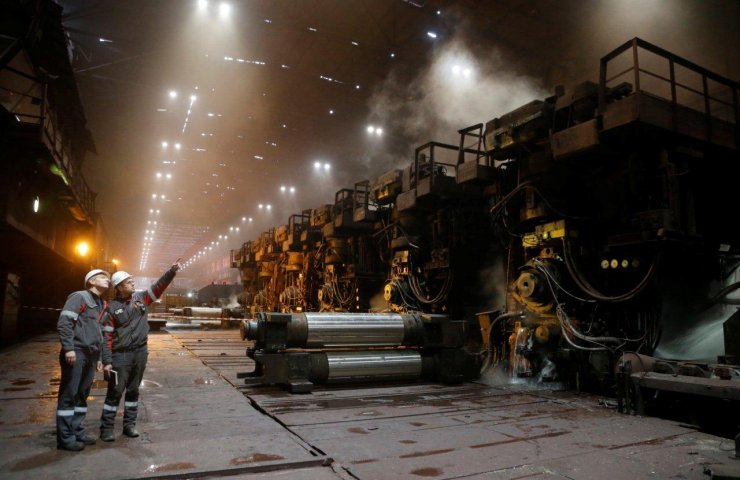
Metinvest’s Ilyich steelworks has produced and delivered 20,000 tonnes of galvanized steel of European quality, the company says.
The cold-rolled shop at Ilyich now produces galvanized steel with a zinc coating of Z100 (100 g/m2), in accordance with the requirements of EN 10346 standard, the enterprise claims.
The workshop has managed to produce new products, which are in demand not only in Ukraine, but are purchased by customers from Poland, Slovakia, Bulgaria, Montenegro, Iraq, Czech Republic, Serbia and Greece.
So far this year, Ilyich steelworks has started the production of 15 new types of steel products. One of these is in the continuously cast semi-finished products segment, 13 are finished rolled products and one is in the pipe segment, the firm observes.
The plant increased crude steel production in January-September to 3 million tonnes, up by 3.2% on-year (see Kallanish passim). Pig iron production increased by 3% to 3.52mt, while production of rolled products was more by 3.2% at 2.67mt.

Thyssenkrupp prepares customers for plate mill closure
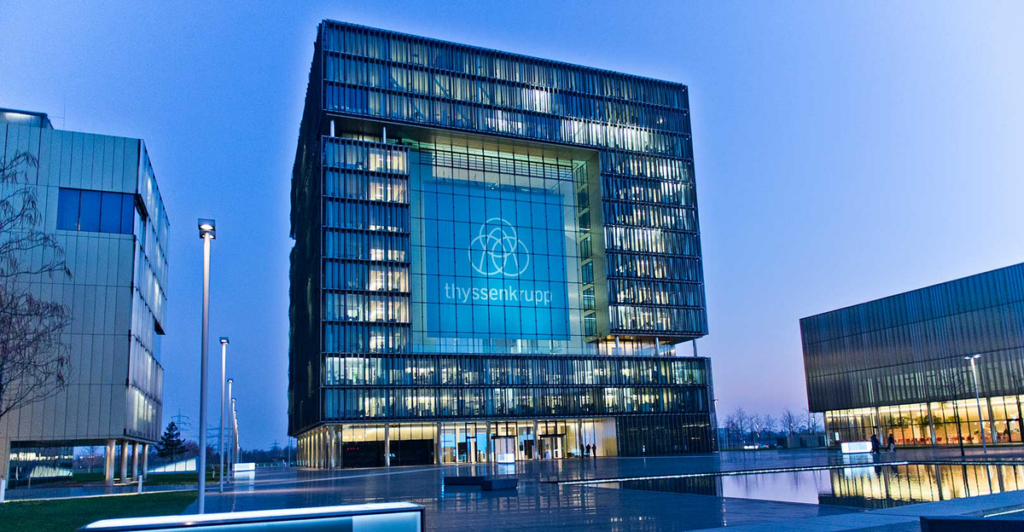
Thyssenkrupp Steel is becoming more outspoken about the looming closure of its plate mill in Duisburg. Late in November, it sent a letter to its customers which many took as a declaration that its operation would cease by the end of thyssenkrupp’s fiscal year through September 2021.
Tk Steel’s press office did not quite confirm the nature of the message; a spokesman upon inquiry said that “…a possible closure is getting more and more likely as time runs out.” The company initially set itself the deadline of 31 December to find a buyer for the operation.
The tone of the letter seen by Kallanish, however, appears clearer. “Since we could not find a buyer to this date, we must assume that the plate mill will be closed by 30 September 2021 at the latest,” it reads. “There is no option of a successful development under the roof of thyssenkrupp.”
“We will have to reduce our volume of orders there because we cannot rely on it,” one stockholder’s buyer told Kallanish in October. “We are getting prepared that production will be discontinued,” he added. Another buyer of mostly high-end plate, stated that “…I hold little contact with thyssenkrupp these days because I don’t see a future,” although he deals with the higher-end grades thyssenkrupp makes.
Thyssenkrupp notes the hot strip cutting line in Antwerp will remain unaffected, and will continue operation.