


Stemcor’s Sand: China revives global trade
The immediate future of steel trading is bright, and will be lit up by China, says Dick Sands, managing director for distribution at Stemcor.
Three major factors are shaping the ongoing ascending price trend in Europe, in particular into 2021: EU protectionist policies, Covid-19 and China, Sands said at the Kallanish Europe Steel Markets 2020 virtual conference this week.
After a two-year descent on the back of Section 232 measures restricting imports into the US, the strength of the rebound has taken many by surprise. European flat products prices are rising, but slower than in the US because the latter does not have enough internal capacity to meet demand. The EU has sufficient internal capacity while still allowing some imports, unlike the US. The bloc’s steel output is set to increase significantly as idled blast furnaces are being brought back on line after Covid-19 restrictions curbed output.
Covid-19 has acted as a major trigger by reversing China’s external trade pattern to imports. China’s appetite for semis has enabled an 80 million tonnes/year swing from exports to imports. The country imported around 35mt of semis and another 4mt of pig iron, and is preparing to start importing scrap – another major factor why prices will continue rising.
China consumes an estimated 40m t/y of scrap, meaning a potential major squeeze for raw materials, thereby escalating the price rise and making blast furnace production relatively cheaper and more productive, Sands said.
He cautioned European steel producers to continue to heed the harsh lessons of the 2008-2009 economic crisis and be more disciplined in their pricing, instead of competing with each other by lowering prices. Armed with strong protectionist measures, amid growing demand supported by government stimulus, European mill prices will continue rising, as long as China continues buying, Sands concluded.


Covid-19 crisis shows greater flexibility requirement: EU players

Steel mills are facing challenges to act more flexibly in extraordinary periods like the current Covid-19 crisis, says Eurofer director of trade and external relations Karl Techelet.
“The matching of steel production to volatile demand is a key issue, especially given the high volatility we see in the market now,” he said at the Kallanish Europe Steel Markets 2020 virtual conference on Thursday. “You cannot adjust all that quickly to a quickly changing demand situation.” He noted that such preparedness takes extra effort in order to manage capacities, especially with blast furnaces which are less flexible.
EUROMETAL Director General Daniel Guinabert extended that recommendation to the distribution sector, which he said ought to think about new models in their business, meaning tools like automation and digitalisation. “The profitability of stockholders is only a few euros per tonne, that’s why we must adapt our capacities to the end users’ demand,” he said, noting that means prioritising variable costs over fixed costs.
Techelet also emphasised the line between safeguard measures and anti-dumping measures. The latter are not an alternative, mainly because they tackle different issues: “Antidumping addresses unfair trade practices and subsidisation, rather than the volume effect, which is the function of safeguards.”
Also, antidumping measures are too slow, as any trade case can take more than one year. They are also too narrow, as they only address a specific country and a specific product, Techelet explained.
UK Steel expects major exports disruption to EU
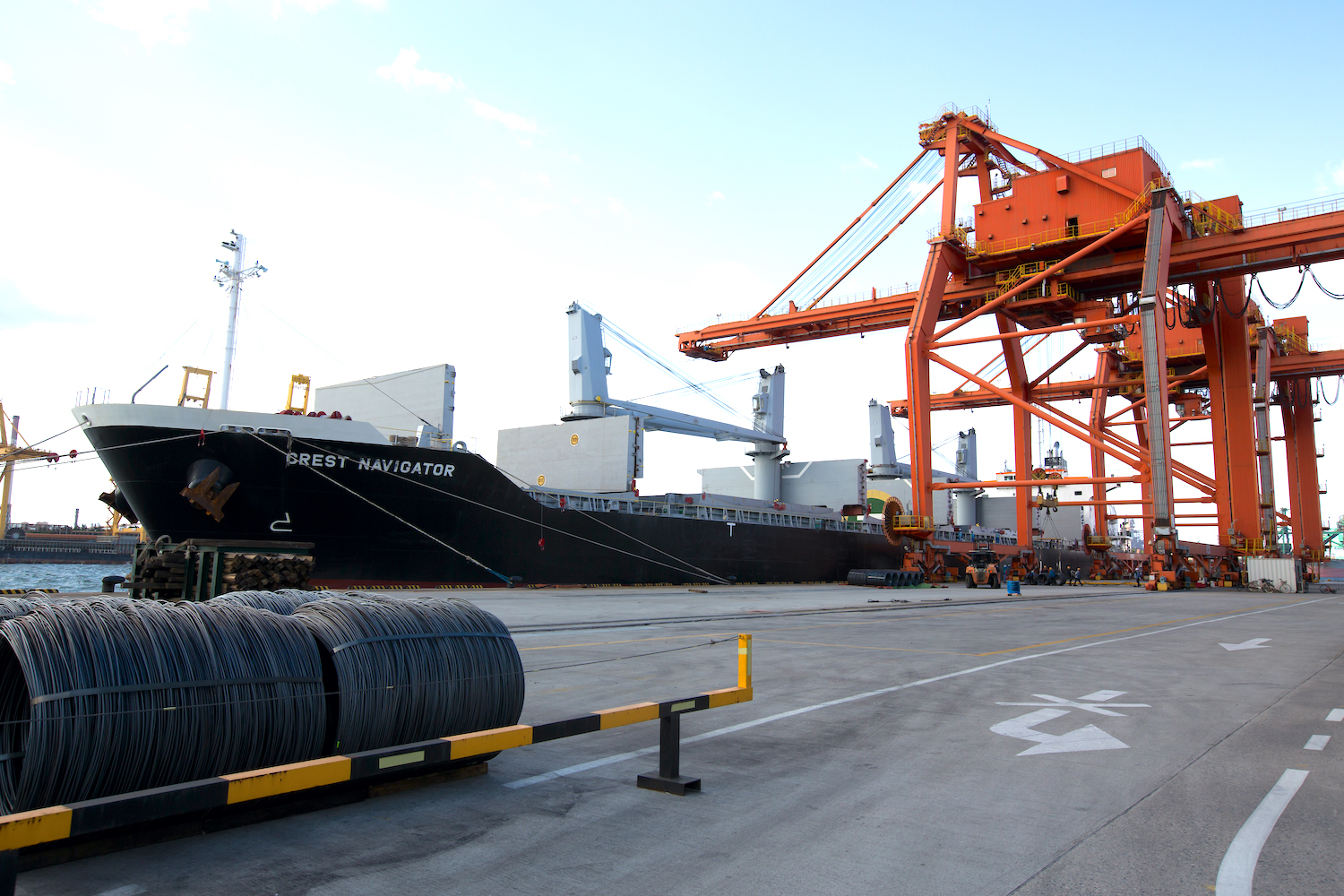
The controversy over a future deal or no deal between the EU and UK in the wake of Brexit could lead to major disruption in steel exports from Britain after 1 January, says Gareth Stace, director general of steel federation UK Steel.
The EU is the biggest market for British steel exports, accounting for some 2.5 million tonnes/year, which is 30% of the entire UK steel production. “We still don’t know how we will have to trade with the EU – with new rules or the WTO terms coming after 1 January,” Stace said at the Kallanish Europe Steel Markets 2020 virtual conference on Thursday.
There will be standard customs border checks from January, which are likely to provoke huge delays and additional paper work on both the UK and EU side. “We anticipate that it will mean a 4-5% increase to the cost of supplying steel to our client in Europe,” Stace said. He is nevertheless convinced there will be no standard customs tariffs on steel, no matter whether a Brexit deal is agreed or not.
“The treatment of the UK from the EU as a third country is in fact the same, as for any countries outside the European Union,” he said. “The UK has received a country specific quota, but on the condition that the total volume does not change. The EU cannot discriminate other states and give Great Britain preferential treatment, which for example China, Russia and other countries don’t have.”
Stace reiterated his earlier hope that the UK and EU would exempt each other from safeguards, saying that “…would be a win-win situation for both.”
Green steel brings added costs, potential global benefits
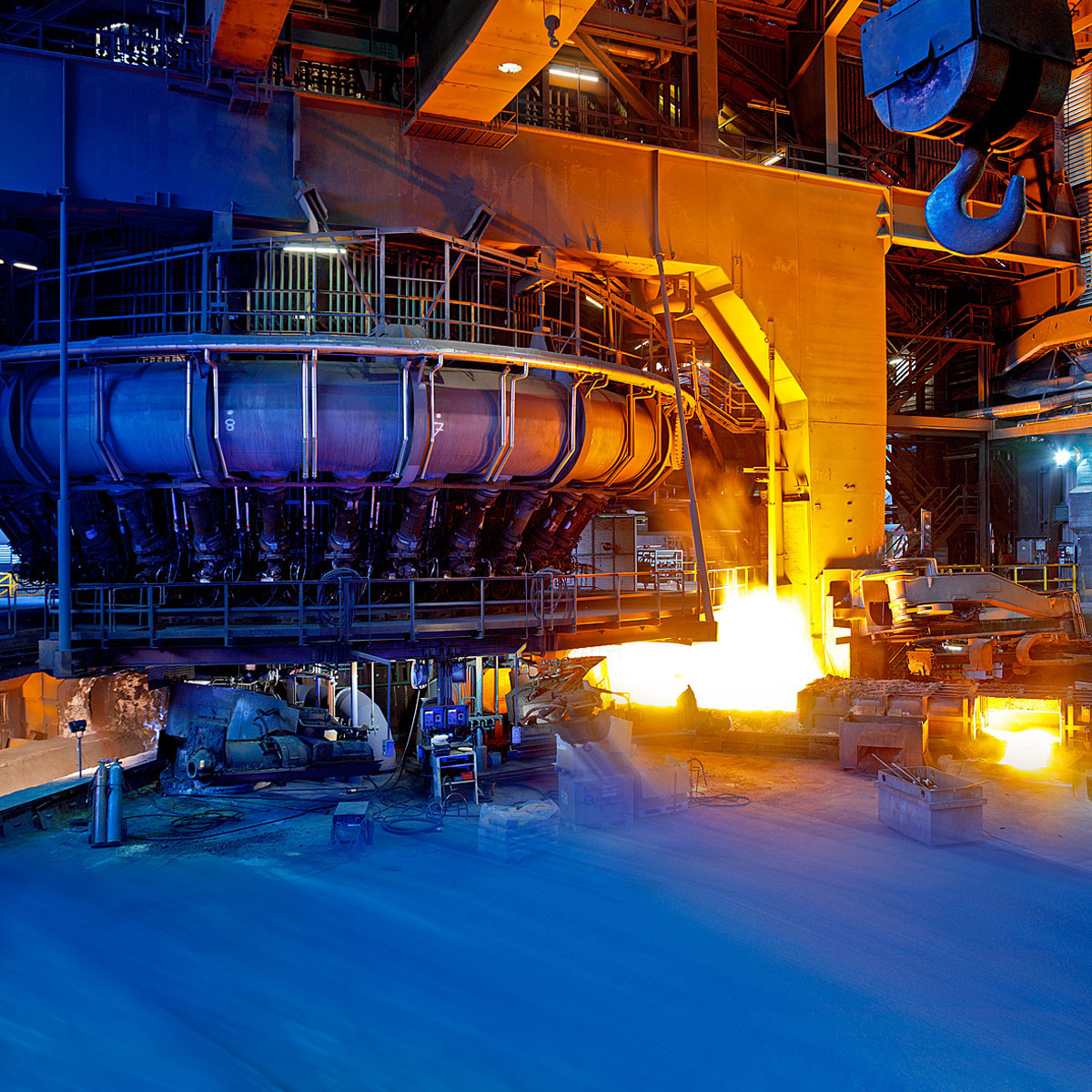
Questions swirled Thursday at Kallanish’s Europe Steel Markets 2020 virtual conference regarding the potential costs – large and small – of Europe’s on-going transition to green steel.
“The question we should ask ourselves is, “can we not afford how we pay for a fossil-free product in the future?” said SSAB vice president of technical development Carl Orrling.
In response to a question about the potential costs attached to producing green steel via hydrogen, Orrling said that affordability will be developed synergistically by rising carbon costs and improved hydrogen and electricity technology.
The future supply of both hydrogen and electricity, however, remains an open question, said StahlmarktConsult managing director Andreas Schneider.
“I think it’s not a matter of single European countries – it’s a task for the whole European Union,” he observed. “You will need so much energy and hydrogen, and a lot of countries all over the world will compete for this… and it’s a question not first of prices, but of availability.”
The sense of a shared fate for European steelmakers – which will involve political will as well as corporate – will ultimately be shared by steel producers and consumers worldwide, said Feralpi Stahl ceo Christian Dohr.
“I think we all find ourselves in a world where we’re not isolated anymore,” he commented. “We’re all interconnected. These trends will become relevant to everyone very quickly. It matters. This also matters to consumers. They may not take a look today exactly what steel is in their car or in their fridge, but in the future they may. I think it will become very relevant.”
Ultimately, Orrling said, green steel will come with increased costs. It will likely command a price premium, and there will be a certain amount of sunk costs associated with developing green steel technology.
“There is a cost to this transition,” he explained. “[But] we also get something. We get a better environment, and in this case, we try to reduce the temperature around the world. But it does come at a cost.”
End-use sectors to recover in 2021: Metinvest’s Re
The main steel-consuming sectors in Italy will recover in 2021, according to the head of Metinvest in Western Europe, Roberto Re.
Investment in aging infrastructure will be a top priority for Italian public spending in the coming years, driving steel consumption. Construction output in Italy bottomed in April with a quick recovery already starting in May.
The total need for Italian infrastructure for the next 20 years has been assessed at over €350 billion ($423 billion). €80 billion have been preliminary assigned to big infrastructure projects, such as the new Genoa bridge or new highway construction in the south. Such projects have high structural flat steel intensity compared to residential construction, Re said at the Kallanish Europe Steel Markets 2020 virtual conference this week.
Metinvest is providing plate to the Genoa bridge; the Jonica, a motorway between Apulia and Calabria; and the Mose project in Venice. These projects required more than 100,000 tonnes of steel, the majority of which was quarto plate.
Metinvest expects a return to normal activity also in other steel-consuming sectors, such as mechanical engineering and special machinery. This will be supported by future construction investment and infrastructure. Tube and pipe for general applications will also follow the improving trends of the construction sector, Re said.
Automotive production in Italy collapsed in 2020. The expected loss of output this year should be -25% compared to 2019. This trend however is seen reversing in 2021, supported by gradual economic recovery but also the transition to hybrid and electric cars in Italy and the wider EU.
Re also expects a recovery in the shipbuilding sector, supported by an extremely long order backlog accumulated before the crisis.

Marcegaglia sees demand recovery, positive sentiment returning

The European steel sector should recover most consumption lost as a consequence of the global pandemic, according to Marcegaglia chairman and chief executive Antonio Marcegaglia.
His opinion is in contrast to some analysts’ belief that steel demand may not fully recover to pre‐Covid-19 levels, with Europe standing to lose some 10 million tonnes/year.
This year, steel demand has been severely hit worldwide, as a consequence of the contraction of the main steel-using sectors. China and Turkey have been spared, however. “In general, we could say now that the overall impact was less negative than originally expected,” Marcegaglia said at the Kallanish Europe Steel Markets 2020 virtual conference this week.
“Both Q1 and Q4 were surprisingly good in demand and price… The steel sector might conclude this year in terms of margins, prices and sentiment much better than what was expected only a few months ago,” Marcegaglia continued. Positive sentiment has returned, he added.
In view of European steelmakers’ strong lobbying and restructuring challenges, Marcegaglia also expects a further decrease in imports into the region. Protectionist measures have been growing in the last decade globally, and the Trump administration further emphasised this trend.
In Europe, together with recently added import duties and the safeguard quotas, other measures, such as a carbon tax and scrap export tax, aimed at dealing with environmental issues may also be used to limit imports.
The pandemic crisis has somewhat changed the landscape of the global steel industry, which will see further restructuring and consolidation throughout the supply chain. Governments might have a growing role in the steel sector in Italy, Germany and possibly even in the liberal UK. This however may cause potential market distortions, Marcegaglia warned.
SNCF approves Liberty ‘greensteel’ rails

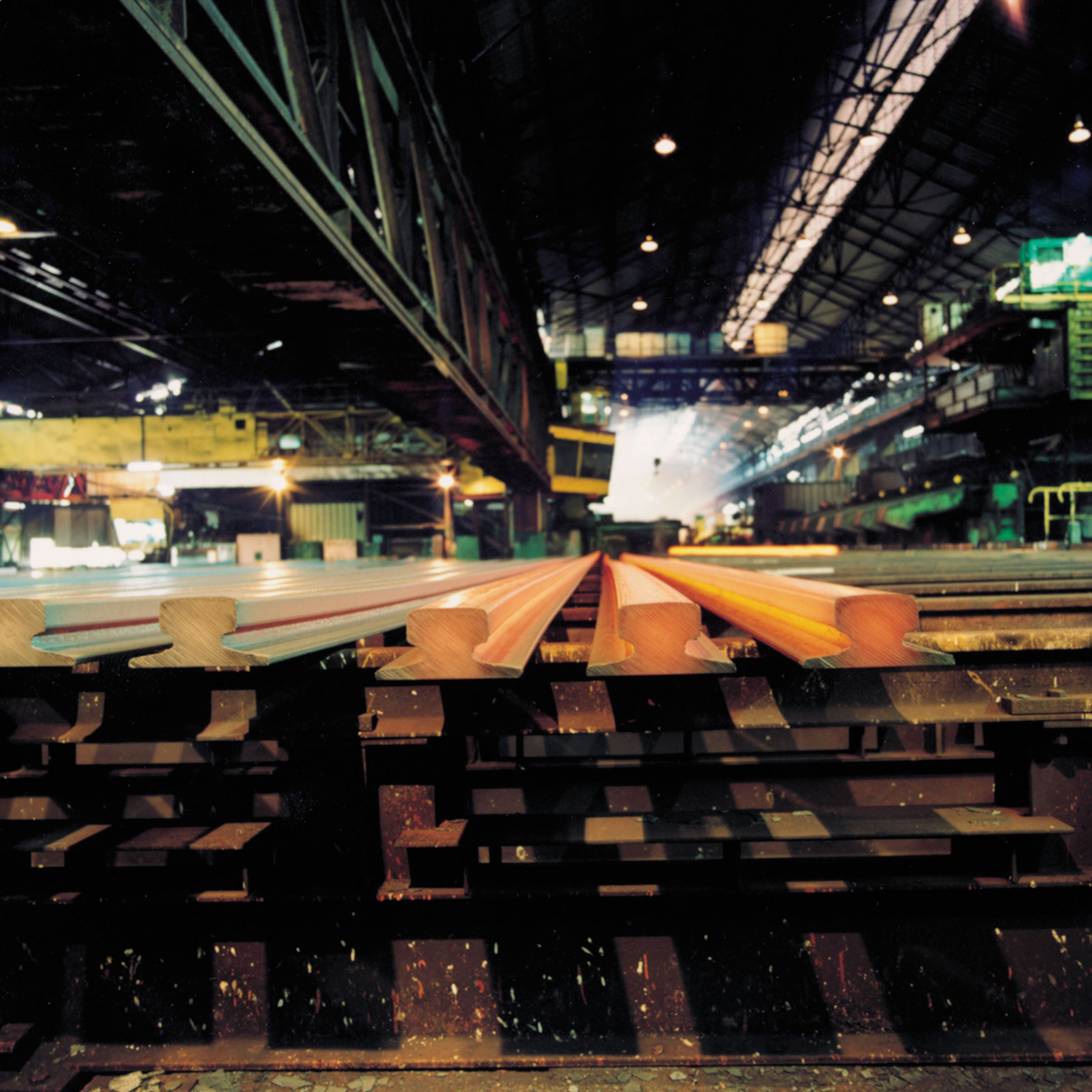
Liberty France and French state rail operator SNCF Réseau have approved the deployment of Europe’s first “greensteel” rails on the French rail network, Liberty says in a note sent to Kallanish.
The Hayange mill, previously France Rail Industry and now part of Liberty, worked closely with SNCF Réseau to manufacture a range of greensteel rails which will be used across the French railway network. This new production process reduces CO2 emissions by -90% compared with the traditional European rail production method.
This is made possible by the use of the electric arc furnace process, rather than the traditional blast furnace. The greensteel method emits 180kg of CO2 per tonne of steel compared to 1.8 tonnes of CO2 per tonne of steel using conventional blast furnaces. The goal is to make the rails completely carbon neutral by 2030.
Liberty acquired Ascoval and Hayange in order to connect the two, so that together they become the leader in greensteel rails. This sees Liberty Ascoval melting recycled scrap steel, including recovered scrap rail from Hayange’s customers, in its EAF to produce large rectangular greensteel blooms. These are then rolled by Hayange.
This is the result of a €17 million ($20m) investment implemented shortly after the acquisition of Ascoval, when its new modified caster produced its first square billet. Ascoval is gradually increasing capacity, with the prospect of adding more jobs in early 2021 as the plant expands its production.
ArcelorMittal restarts Dunkirk blast furnace
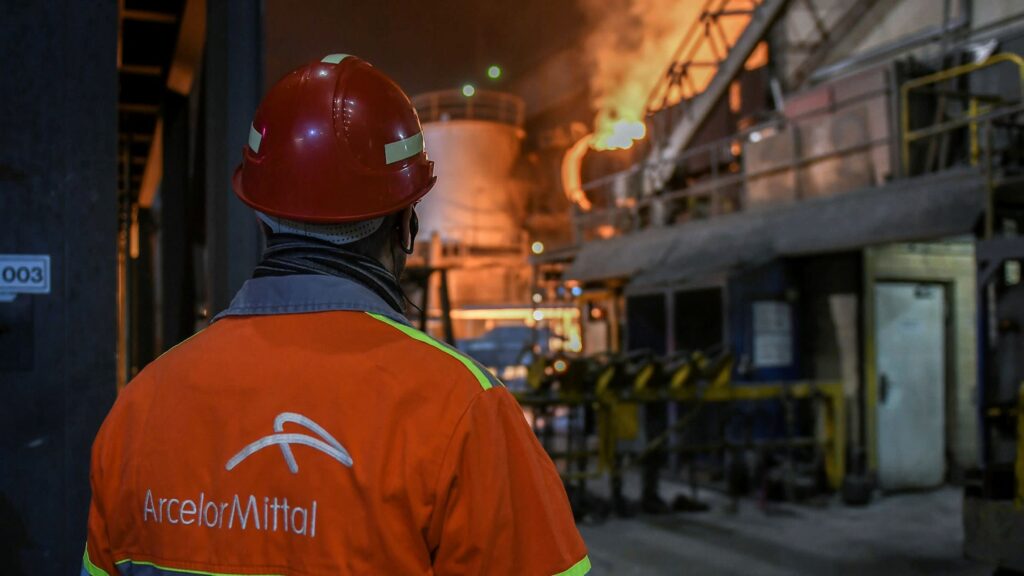
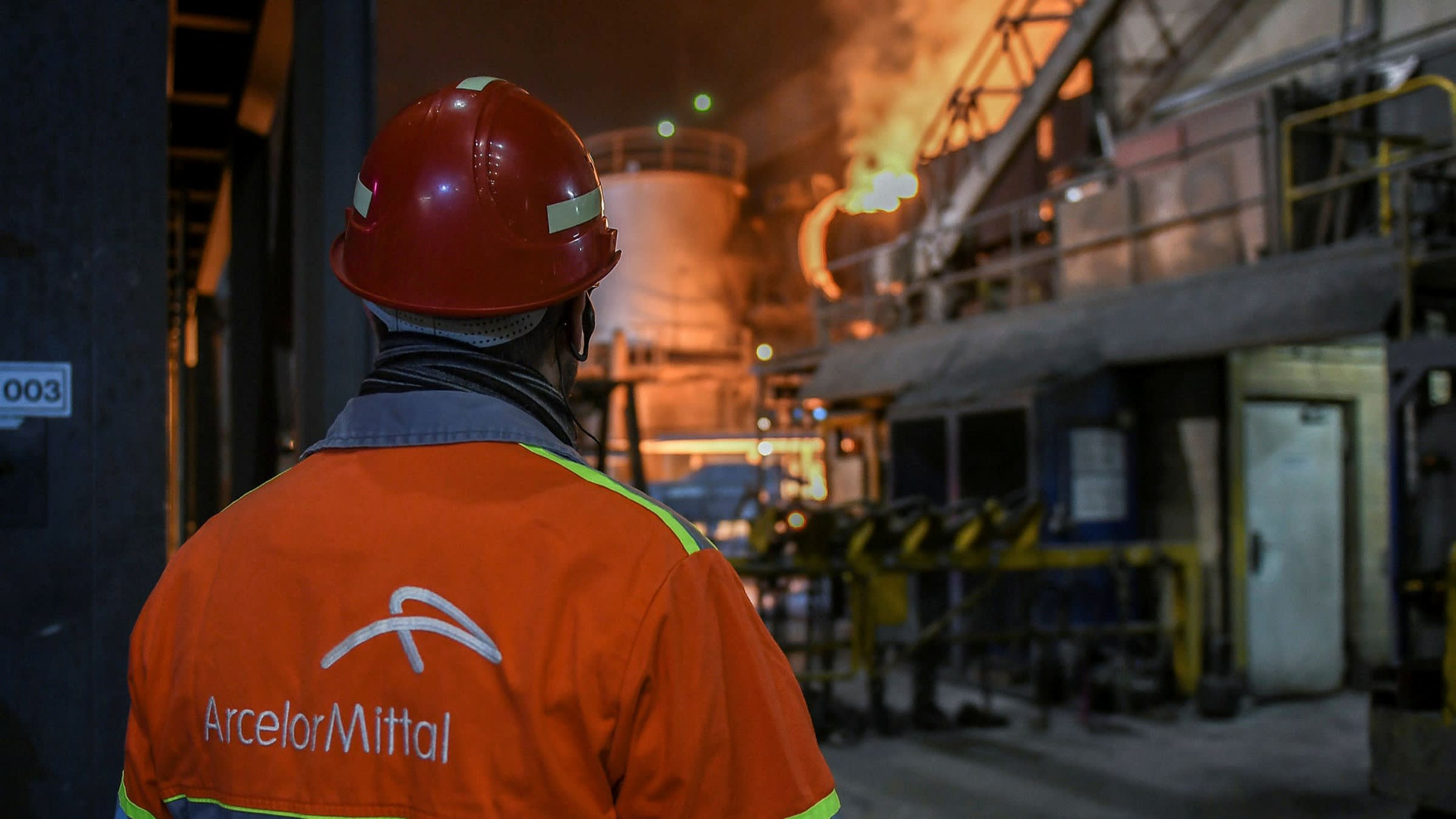
ArcelorMittal has restarted blast furnace number 2 at its Dunkirk site this week, Kallanish learns from trade unions and market sources.
The furnace was stopped in April together with BF3 due to the slump in activity linked with the coronavirus pandemic. BF3 was then restarted in September, while BF2 was kept idled until this week.
Between Monday and Tuesday this week, the mill launched the operations for restarting the idled blast furnace, bringing the ArcelorMittal Dunkirk mill back to its full production capacity.
The restart of the Dunkirk furnace is the last of a series of restarts, initiated in August, following the idling of BFs implemented by European integrated steelmakers in March-April this year. According to Kallanish data, ten idled furnaces were restarted, representing over 70% of the units idled during the peak of the pandemic.

EUROMETAL Director General at Kallanish conference

Mr. Daniel Guinabert, Director General of EUROMETAL, participated in the Europe Steel Markets 2020 Virtual Conference, organized by Kallanish on December 9 & 10, 2020.
The Director General of EUROMETAL spoke at the session about the Europe in the global context accompanied by Gareth Stace, Director at UK Steel & Karl Tachelet, Director International Affairs at EUROFER.
The panel of experts offered their views on the challenges and opportunities facing the European steel sector, with a specific focus on trade factors and policies.
The pannel was moderated by Paull Mullins, Director at Kallanish Commodities.
EUROMETAL also contributed in this online forum as a Media Partner.

EUROMETAL President at MetalExpert conference

Mr. Fernando Espada, chairman of EUROMETAL, participated in the online 2nd Spot Steel Market Meet conference, organized by MetalExpert on December 10, 2020.
The president of EUROMETAL spoke at the european session about Impact of stricter trade measures on EU steel distribution sector accompanied by Frédéric Michiels, Deputy Head of Unit, European Commission. The pannel was moderated by Kateryna Samoilenko, Metal Expert.