

ArcelorMittal Spain restarts long steel production at Gijon
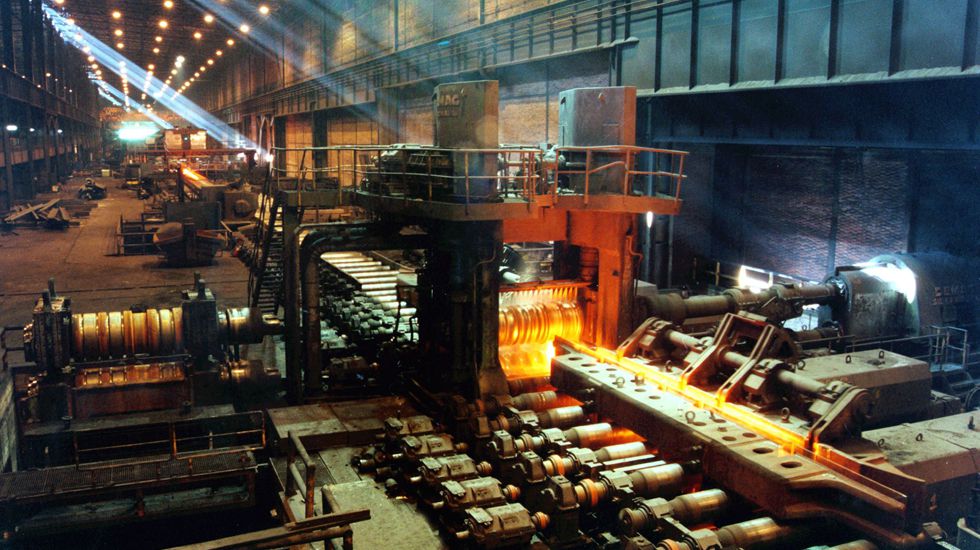
ArcelorMittal’s Spanish subsidiary has restarted long steel production at its Gijon plant in Spain after strike action was called off, the company said Dec. 10.
Talks with unions over a productivity plan for the site, which has a capacity of 900,000 mt/year, were ongoing, it said.
A lockout was called by ArcelorMittal as response to a strike by workers which left it unable to safely continue production to the required standard, it said Dec. 3, halting production of steel rails and rods.
Workers from two unions had called an intermittent strike on Nov. 25 in protest at a proposed new productivity plan which would potentially include 44 job losses. The action involved two-hour strikes divided between the start and end of each shift.
Local daily La Nueva Espana reported Dec. 8 that the proposed job losses had been put on hold as part of the discussions to restart production.
In the wake of the COVID-19 pandemic, the company applied for temporary lay-offs for its entire Spanish workforce, numbering more than 8,000 workers.
However, the country’s National High Court (Audiencia Nacional) overturned the company’s lay-off application on Dec.2.
ArcelorMittal in Spain told S&P Global Dec. 4 it disagreed and will appeal the ruling at the Supreme Court (Tribunal Supremo.)
Despite a tightening of COVID-19 restrictions from October, the company’s other plants in Spain were generally operating normally, albeit with reduced demand and with the exception of one sinter, which is currently offline.
ArcelorMittal’s two furnaces, with a combined capacity of 5 million mt/yr are still in operation site as is the sheet steel production site at Aviles and the coking batteries.
The 2.7 million mt/year A furnace was halted in April amid low demand but then restarted on Oct. 26 to cover production while its Gent, Belgium smelter is being remodeled, although the Gent smelter is due to restart in January, according to the company.
At the low point, the mills were running at about half of capacity, amid a 25% slump in steel demand across the sector. ArcelorMittal’s output is seen around 40% below 2019’s.
A recent recovery has been tempered by news of some temporary closures at auto sites belonging to Ford and Volkswagen, which directly affect ArcelorMittal’s Asturias production.
— Annalisa Villa, Gianluca Baratti

Steel supply tightness in EU to linger, auto to boost 2021 demand: Jefferies
Steel supply is expected to remain tight in the European steel market in the first half of 2021 as automotive demand will boost demand, although levels will only catch up to pre-pandemic levels by 2022, according to an analysis by equity research firm Jefferies.
In a note published Dec. 10, Jefferies said the continued supply shortage will likely lead to higher steel prices. The carbon steel market is expected to outperform stainless and OCTG in 2021.
The report described 2020 as “the most disruptive year since 2009, with ex-China apparent demand declining an estimated 13%.”
“The stimulus and V-shaped recovery put it at odds with nearly every other market, growing an estimated 8% in 2020 to leave global demand down 2%,” the report said. “We forecast a more synchronized rebound in 2021, albeit one where China lags.”
Jefferies is forecasting European demand to rise 8% in 2021, led by a 15% recovery in automotive. However, the car industry is likely to reach 2019 levels only in 2022, it said. Construction, the biggest end-user market of steel in Europe, is expected to grow by 5% next year.
The anticipated announcement of preliminary antidumping duties for Turkish HRC imports into the EU, which accounted for 28% of the EU’s 2020 HRC imports so far, is expected to tighten the supply situation further.
HRC prices have surged more than Eur200/mt in Europe since June, according to S&P Global Platts indexes EXW Ruhr and Italy, with sources reporting severe supply tightness on the spot market as mills offer limited material due to production curbs and scant availability of import material.
— Laura Varriale
ArcelorMittal signs investment agreement with Italian government
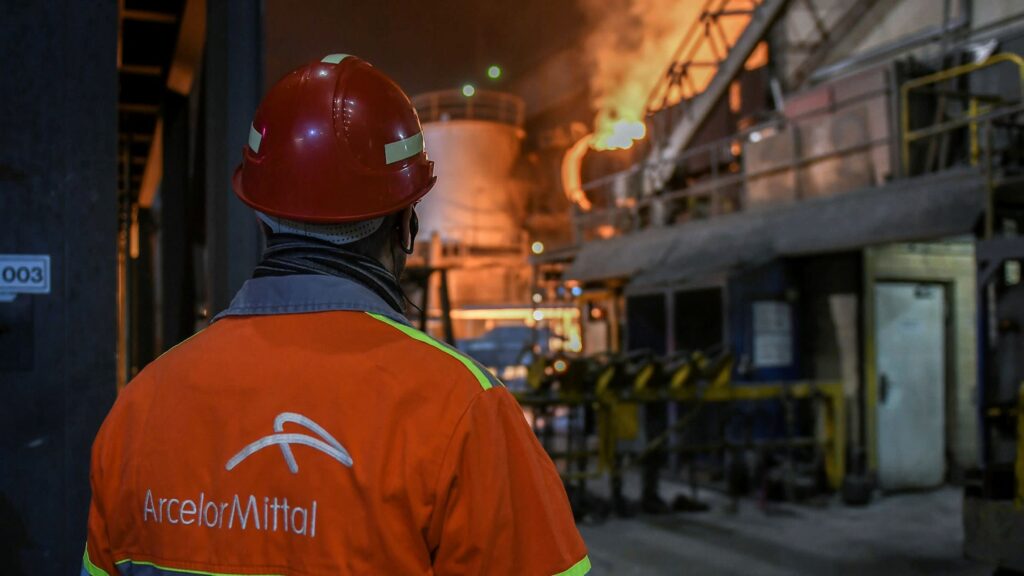
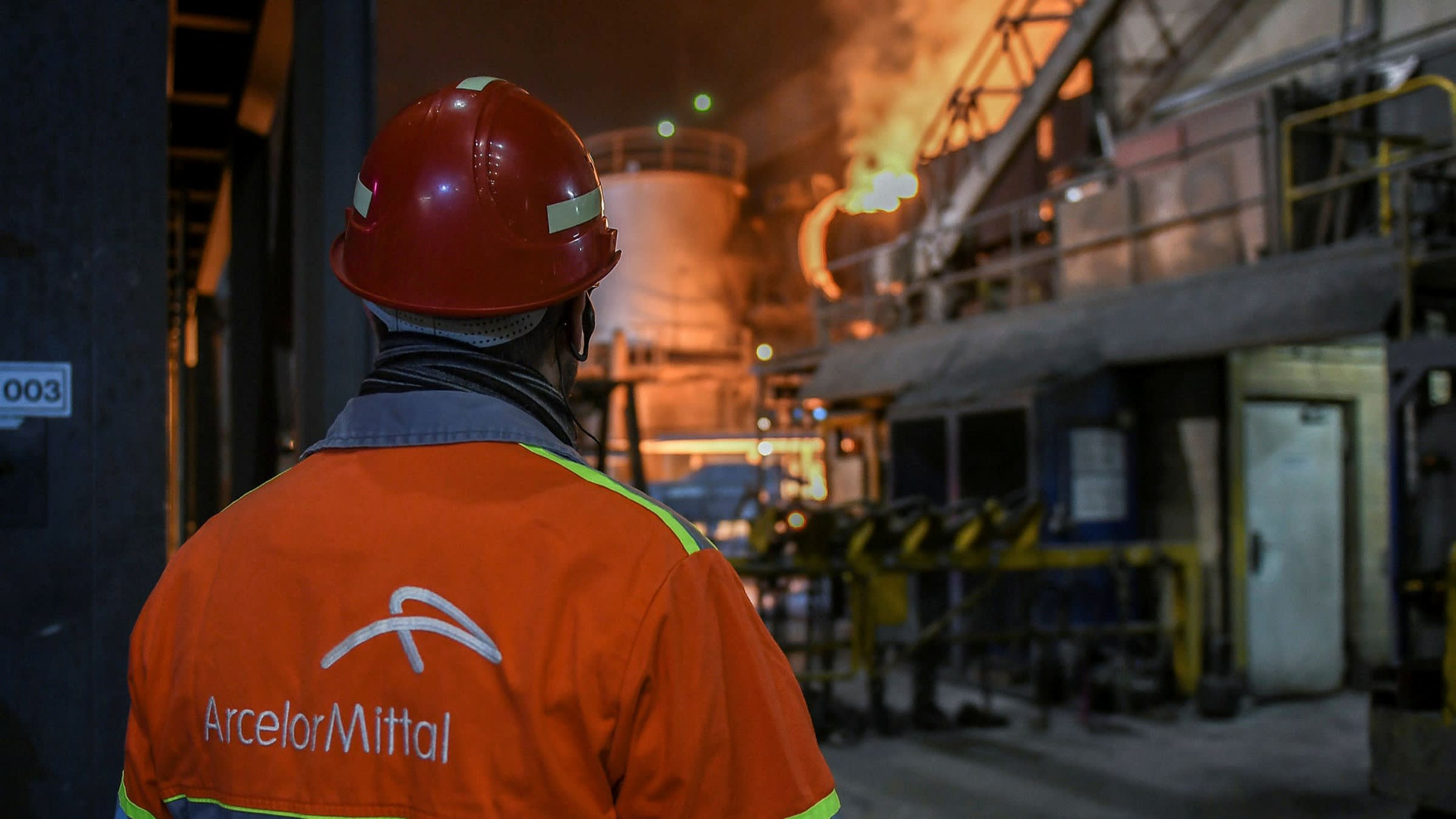
ArcelorMittal announced late Dec. 10 that it has signed a binding agreement with Invitalia, Italy’s agency for investment promotion and enterprise development, forming a public-private partnership for the former Ilva steel operations.
The Investment Agreement will result in a recapitalization of AM InvestCo, an ArcelorMittal’s subsidiary that signed the lease and obligation to purchase agreement for Ilva’s business back in 2018.
Invitalia will invest in AM InvestCo in two tranches: the first investment of Eur400 million will be made by Jan. 31, 2021 (subject to EU antitrust authorization), providing Invitalia with joint control of AM InvestCo. The second tranche of up to Eur680 million is payable on closing of AM InvestCo’s purchase of Ilva’s business by May 2022, at which point Invitalia’s shareholding in AM InvestCo would reach 60%.
ArcelorMittal will also invest up to Eur70 million, to the extent necessary to retain a 40% shareholding and joint control over the company, according to a company press release.
AM InvestCo and Invitalia agreed to invest in lower CO2 steelmaking technologies, including the construction of a 2.5 million mt/year electric arc furnace. The industrial plan, which is similar to the one planned in March targets reaching 8 million mt/year of production in 2025.
According to the press note, AM InvestCo’s governance would be based on the principle of joint control starting with Invitalia’s first investment. Sources close to the deal told Platts that the governance of the new company will have a board with six members, three per partner, with the chairman chosen by the Italian government and the CEO by ArcelorMittal. Current CEO Lucia Morselli is expected stay in her position.
It is understood that this is the first time a government will have a stake in an ArcelorMittal holding, at least in Europe.
The current steelmaking operation, AM Italia, will close this year with production of around 3.3 million-3.2 million mt of crude steel, union sources told Platts. As the sheet steel market has improved since the end of October, AM Italia is planning to restart a third blast furnace in January with around 2 million mt/year of design capacity. The restarted furnace, BF2, will partially offset the one-week BF4 maintenance outage at the end of this year.
AM Italia employs around 10,700 workers, the key reason the Italian government wants to keep the company in operation. ArcelorMittal agreed to buy Ilva in 2018 under a lease-and-purchase agreement for Eur1.8 billion and to invest another Eur2.4 billion to clean up and modernize the plant, which has been dogged by environmental issues.
Following legal issues with the Italian state, ArcelorMittal in early March reached an agreement with Italian authorities over the future of the former Ilva group, amending the existing lease and purchase agreement. The agreement left ArcelorMittal with the right to withdraw from its Ilva purchase by the end of November 2020, which was extended to Dec. 11.
— Annalisa Villa