

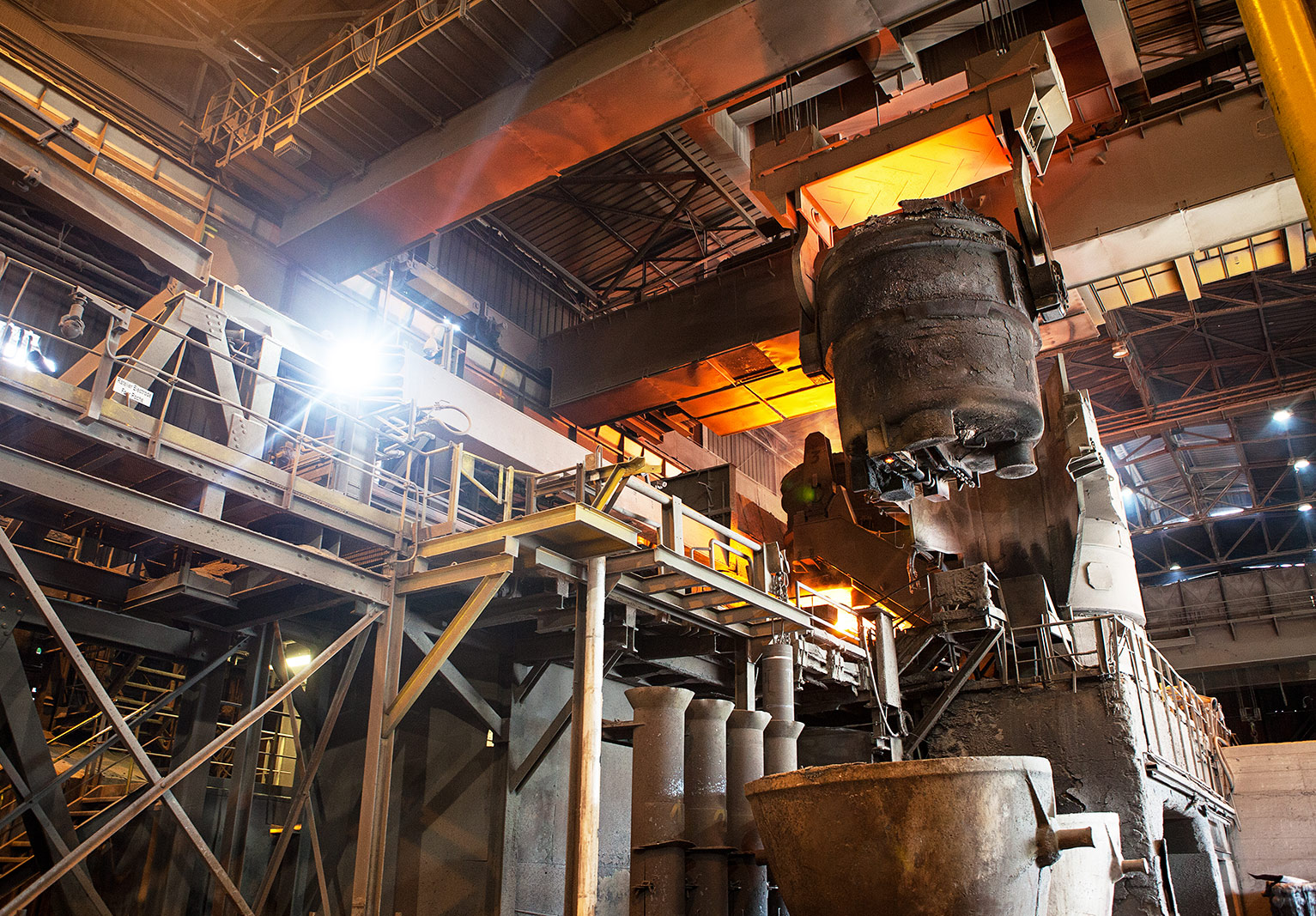
Weekly US steel mill capability utilization rises above 75%
US raw steel capability utilization increased last week, rising to 75.4% from 74.6% the previous week, the American Iron and Steel Institute reported on Jan. 11.
Production increased by 3.6% to 1.709 million st during the week ending Jan. 9, up from 1.65 million st the previous week, according to the data.
Last week’s production was still down 10.3% compared to the same week a year earlier, when capability utilization was at 82.4% and production totaled 1.906 million st.
Adjusted year-to-date production through Jan. 9 totaled 2.18 million st, with a capability utilization rate of 75.2%. The total is 10.4% lower than the 2.432 million st produced during the same period last year, when the utilization rate was 82.4%.
Despite week-on-week decreases in production in the Northeast and the Western region, total production rose amid an 8.7% week-on-week increase in production in the Southern district.
Last week’s production totaled 155,000 st in the Northeast; 601,000 st in the Great Lakes region; 184,000 st in the Midwest; 699,000 st in the Southern district and 70,000 st in the Western region.
The tonnage data is estimated, compiled from weekly production data provided by 50% of domestic producers combined with monthly production data for the remainder.
— Ingrid Lexova
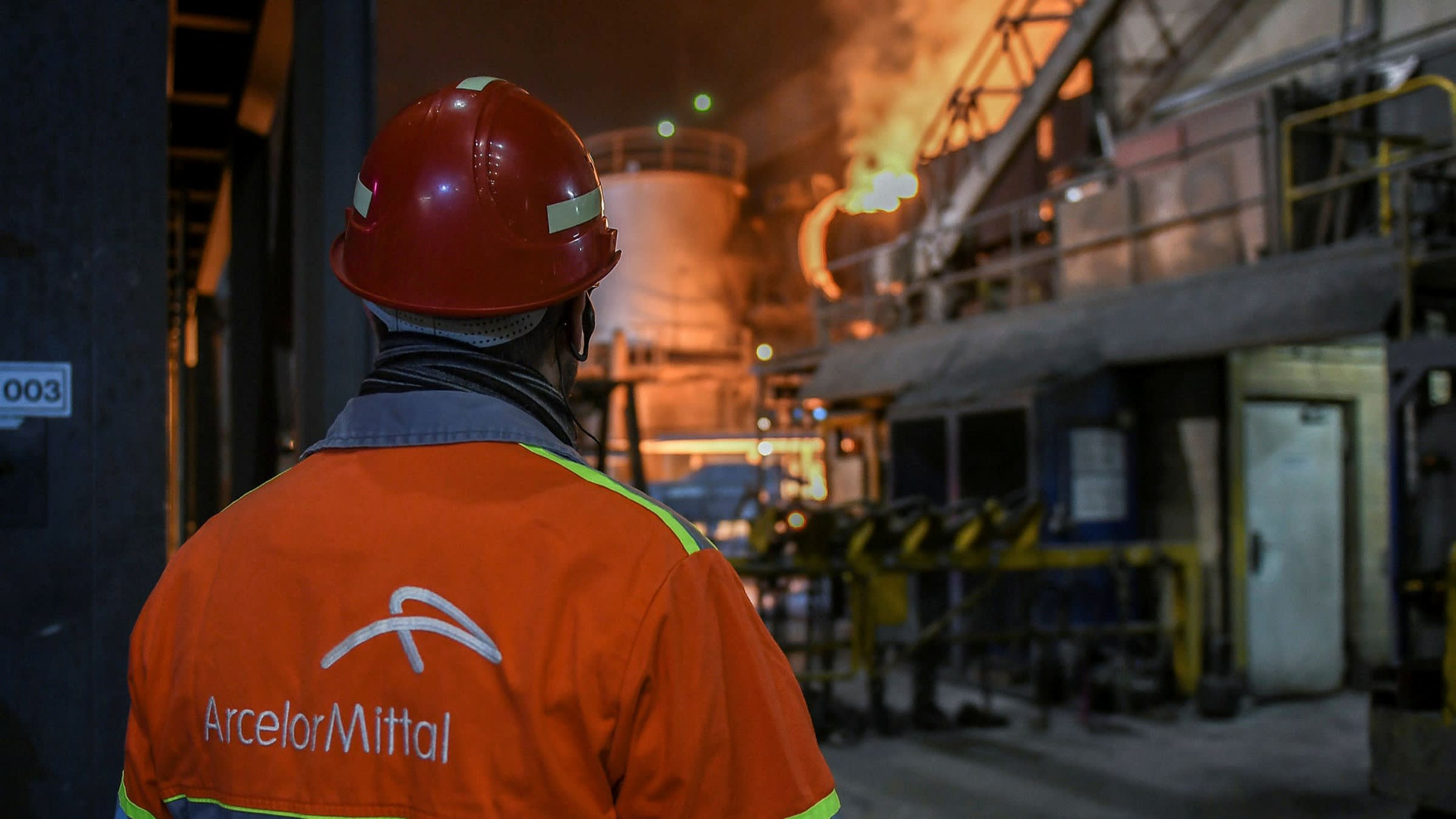
ArcelorMittal Eisenhüttenstadt plans blast furnace natural gas conversion
ArcelorMittal will convert the blast furnaces at its Eisenhüttenstadt mill to operate on natural gas, to make the production of steel products more sustainable. To this end, it has also forged a cooperation with Leipzig-based utility VNG (Verbundnetzgas) Handel & Vertrieb, Kallanish learns from the steelmaker.
ArcelorMittal Eisenhüttenstadt initially plans to reduce CO2 emissions in steel production by around -5% per year from 2021 through the conversion of fuels for the blast furnaces. To achieve this, it will use natural gas in the blast furnace to reduce coal requirement.
Apart from cutting CO2 emissions, the conversion will also bring down energy costs, the steelmaker claims. The furnace conversion is scheduled for completion by mid-2021, with the cost of this investment amounting to around €4 million ($4.9m).
Also, together with VNG, AM Eisenhüttenstadt intends to add CO2-neutral hydrogen in a later step, as soon as it is available in sufficient quantities and at economic cost. This goes together with the group’s European climate strategy to cut CO2 emissions by -30% until 2030, and to have climate-neutral production by 2050.


Derichebourg to merge with Ecore GDE
French recycling specialist Derichebourg has entered negotiations to buy out Luxembourg-based Ecore group. Ecore Group owns French scrap merchant GDE, Kallanish notes.
Derichebourg intends to buy a 100% shareholding in Ecore. The French group says it benefits from “…top-range financial support” to secure the necessary funds for the acquisition. The merger will be subject to the go ahead of the antitrust authority, Derichebourg observes.
Meanwhile, GDE Ecore Group has bagged a large contract with shipbuilder Chantiers de l’Atlantique for the collection and recycling of 20,000 tonnes of ferrous and non-ferrous waste (see Kallanish 11 January).
GDE Ecore counts 68 sites in France, and it employs 1,339 workers for a turnover in 2019 of €1.16 billion ($1.41 billion). GDE is also purchasing two industrial sites from Suez Group, located in Blainville sur Orne and Saint-Sulpice sur Risle in Normandy. Ecore controls all activities in the recycling chain, from end-of-life material collection to the marketing of new secondary raw materials.
Derichebourg has a turnover of almost €2.5 billion and employs 4,600 workers. Its services cover the collection, management, recycling and recovery of end-of-life equipment and consumer articles, recoverable materials and industrial waste including end-of-life vehicles. Each year it recycles 3.1 million tonnes of ferrous material.
US trade groups ask Biden to retain 232
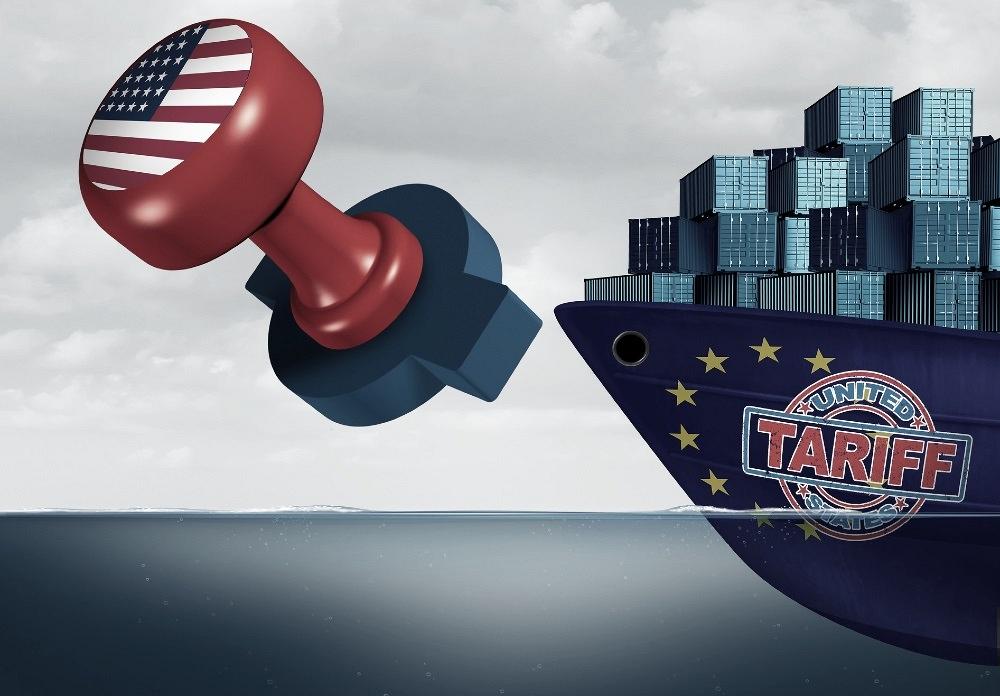
A coalition of US steel trade groups is asking president-elect Joe Biden to retain President Donald Trump’s 232 tariffs, Kallanish learns from a joint letter.
The American Iron and Steel Institute, Steel Manufacturers Association, United Steelworkers labour union, The Committee on Pipe and Tube Imports, and the American Institute of Steel Construction all point to the necessity of the 2018 tariffs to combat growing global overcapacity and repair the damage wrought by Covid-19.
“Given the critical role of the industry to our nation’s defense and its critical infrastructure, the US government imposed a comprehensive program of tariffs and quotas on steel imports in 2018 to protect our national security,” the coalition says in a jointly-signed letter. “This allowed the industry to restart idled mills, rehire laid-off workers, and begin investing tens of billions of dollars in new and upgraded plants. Unfortunately, the steel industry’s recovery was set back by the Covid-19 pandemic, which caused a significant drop in demand last spring, forcing painful job cuts as steel mills, fabricators and pipe and tube mills either cut back production or shut down entirely.”
Citing the Organisation for Economic Co-operation and Development, the coalition predicts global overcapacity hit 700 million tonnes in 2020, or eight times the output of the US.
“China, Vietnam and Turkey, among others, continue to increase their steel production even as the pandemic has caused demand for steel to drop around the world. Others, such as Korea, Russia, Ukraine and Indonesia, continue to export large and increasing shares of their steel production to other markets,” the coalition writes. “We must not repeat the experience of the 1990s, when the demand shock of the Asian Financial Crisis resulted in surges in steel imports from many regions of the world and led to widespread steel industry bankruptcies and job losses.”
President-elect Joe Biden is slated for inauguration on 20 January.