

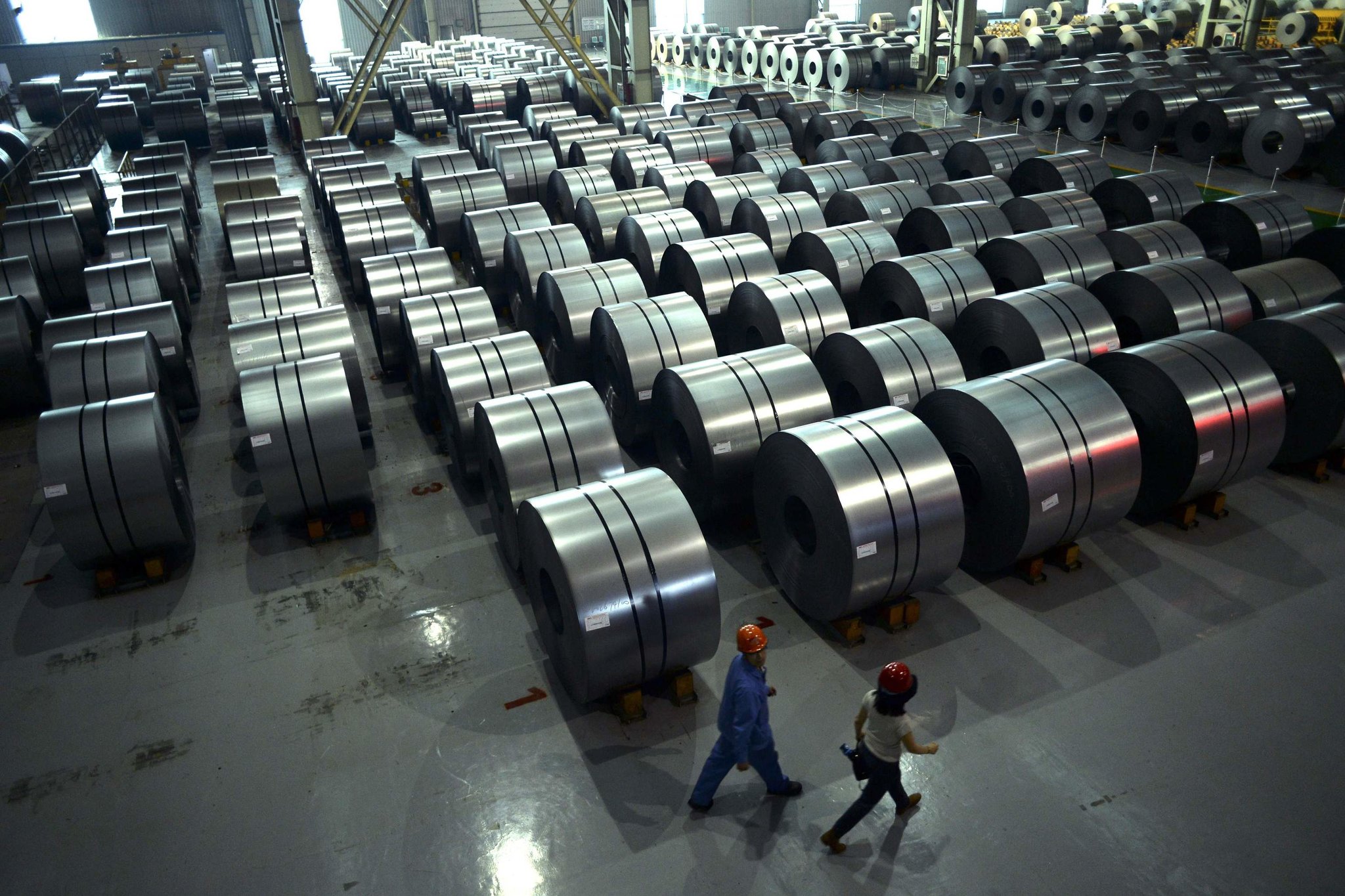
EU, Chinese output finishes 2020 strongly, India accelerates
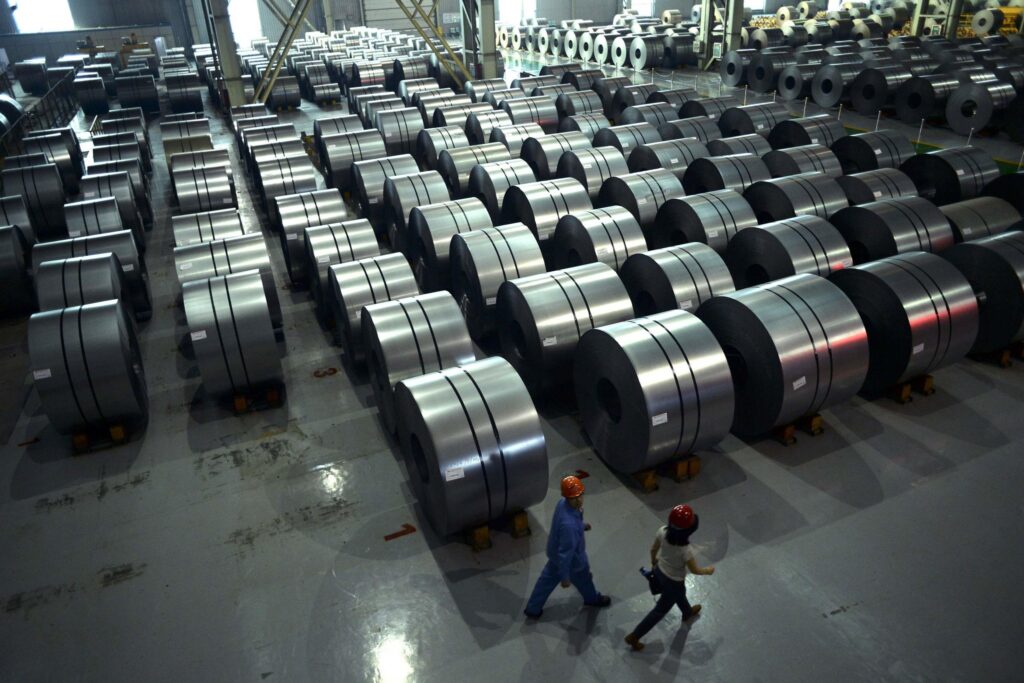
Crude steel production in the 64 countries reporting to the World Steel Association (worldsteel) rose 5.8% on-year in December to 160.86 million tonnes, slowing slightly from November growth, Kallanish notes. Output in 2020 was nevertheless still down -0.9% on-year to 1.83 billion tonnes, although this was a far more moderate drop than many expected at the outbreak of Covid-19.
Chinese output rose 7.7% in December to 91.25mt, while Indian production accelerated further, growing 4.4% to 9.8mt. Japanese output fell -3.3% to 7.53mt, but South Korean production grew 1.2% to 5.95mt. Vietnam did not provide data and output was therefore estimated at 1.6mt.
EU28 output rebounded further in December, surging 10% to 11.76mt, led by a 10.6% increase in Germany to 3.14mt. Italian output was estimated to have grown 6.9% to 1.5mt, while French output is confirmed to have surged 26% to 1.16mt.
Turkish output continued its recovery, rising 18% to 3.4mt.
US production slumped again, by -11.8% to 6.4mt, but Brazilian output grew again, by 17.2% to 2.89mt.
CIS production rose 3.1% to 8.7mt, with Russian output estimated to have fallen -0.8% to 6.11mt but Ukrainian production confirmed to have surged 22% to 1.91mt.
China carried global output in 2020, growing production 5% on-year to 1.052 billion tonnes, although Vietnamese output also rose, by an estimated 11.6% to 19.5mt.
EU28 output fell -12% to 138.79mt, with only Czech Republic, Finland and Greece seeing growth. Turkish production rose 6% to 35.76mt.
US output slumped -17% to 72.69mt and Brazilian output was down -5% to 30.97mt. CIS production rose 1.5% to 101.8mt.


Turkey becomes Europe’s largest steel producer in 2020

Steel production in Turkey exceeded last year’s performance in 2020, despite the pandemic, and reached 35.8 million mt, up 6% on year. Turkey, thus became Europe’s largest and the world’s seventh largest steel producer surpassing Germany.
Output figures were down across all major European producers, with Germany’s total production at 35.7 million mt in 2020, down by 10% year on year.
Only five countries among the top 20 steel producers of the world, including Turkey, managed to increase their production in 2020, as the COVID-19 pandemic sharply hampered the world economies.
After some decline seen in the second quarter due to the pandemic, Turkish mills started to increase their steel production notably as of the beginning of the third quarter, amid domestic and global demand recovery.
The recovery trend in Turkey’s crude steel production continued in the last month of 2020, and the country’s steel production reached 3.4 million mt in December, up by 17.7% on year, Platts observed from the latest data from the World Steel Association on Jan. 26.
Although Turkish mills continued to face trade barriers in their main export markets, especially in the EU and the US, shipments to South East Asian, African and South American markets supported Turkish mills’ export volumes in 2020. So, the decline in mills’ steel export volumes remained limited last year at 20.6 million mt, down by 2.8% on year.
Turkish mills have set the 2021 steel export target at 23 million mt, 10% higher on year, which could support Turkish mills’ crude steel output also in 2021.
— Cenk Can

World 2020 steel output slips 0.9% on year: worldsteel
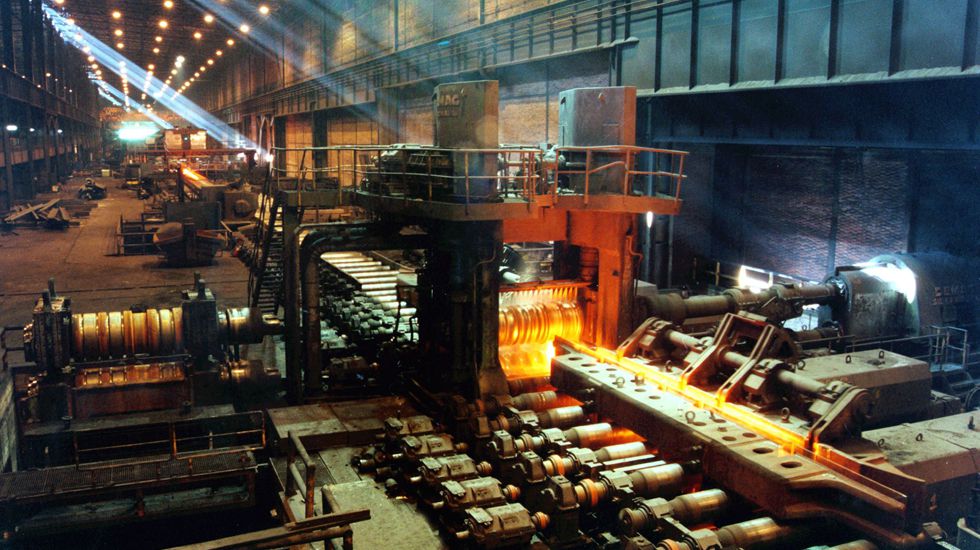
Global crude steel production in 2020 slipped 0.9% year over year to 1.86 billion mt as rising output in Iran, Turkey and China almost fully offset losses in most other major steel-producing countries, the World Steel Association said in a Jan. 26 report.
Iran posted the largest increase, with production climbing about 13.4% year over year to an estimated 29 million mt in 2020. Overall production in the Middle East reached 45.4 million mt, a 2.5% increase from 2019 numbers.
Total 2020 crude steel production in Asia grew 1.5% year over year to 1.37 billion mt, bolstered by a 5.2% increase in China’s steel output to 1.05 billion mt.
China’s share of global crude steel production increased from 53.3% in 2019 to 56.5% in 2020, worldsteel said.
Other Asian countries reporting to worldsteel saw declines in steel production. Steel output fell 10.6% to 99.6 million mt in India, 16.2% to 83.2 million mt in Japan and 6% to 67.1 million mt in South Korea.
Turkey’s crude steel production in 2020 was 35.8 million mt, up 6.0% from 2019, worldsteel said.
Russia is estimated to have increased steel production by 2.6% in 2020, reaching about 73.4 million mt. Overall, steel output in CIS countries rose 1.5% to 102 million mt during the period.
Worldsteel said steel production decreased in the EU, the Americas and Oceania.
The EU’s crude steel output dropped 11.8% year over year to 138.8 million mt, with production in Germany falling 10% to 35.7 million mt.
Steel production slid 15.5% to 101.1 million mt in North America and 8.4% to 38.2 million mt in South America. The US produced 72.7 million mt (down 17.2%) and Brazil produced 31 million mt (down 4.9%).
Oceania produced 6.1 million mt of crude steel in 2020, down 1.4% from 2019.
Steel production in Africa remained steady in 2020 at 17.2 million mt.
— Nick Lazzaro

Longs, tubes fill EU safeguard quotas quickest
Almost one month since new tariff-free quotas for EU imports became available, long and tubular products have registered the largest uptake, Kallanish learns from official data and a note from British stockholder association NASS.
Gas pipe and hollow sections imports have already used some 60% of EU quotas, with those specifically assigned to Turkey and Russia already fully exhausted.
In the longs segment, EU quotas have been fully used for Russian rebar as well as Russian and Turkish merchant bar and light sections. Turkish rebar quotas are approximately 80% filled.
In the flats sector, on the other hand, most quotas remain available, with the exception of organic coated sheet from the “other countries” group. For hot rolled coil, only Indian-origin quotas – at over 80% – are close to being filled.
On the other side of the Channel, in the UK, the system to calculate the usage of the UK’s new safeguard measures in place following Brexit is still not active. It is understood that quotas for hollow sections from Turkey and “other countries” have already been exhausted, similarly to what has been registered in the EU.
German steel inventories fall to 33-year low in Dec: BDS
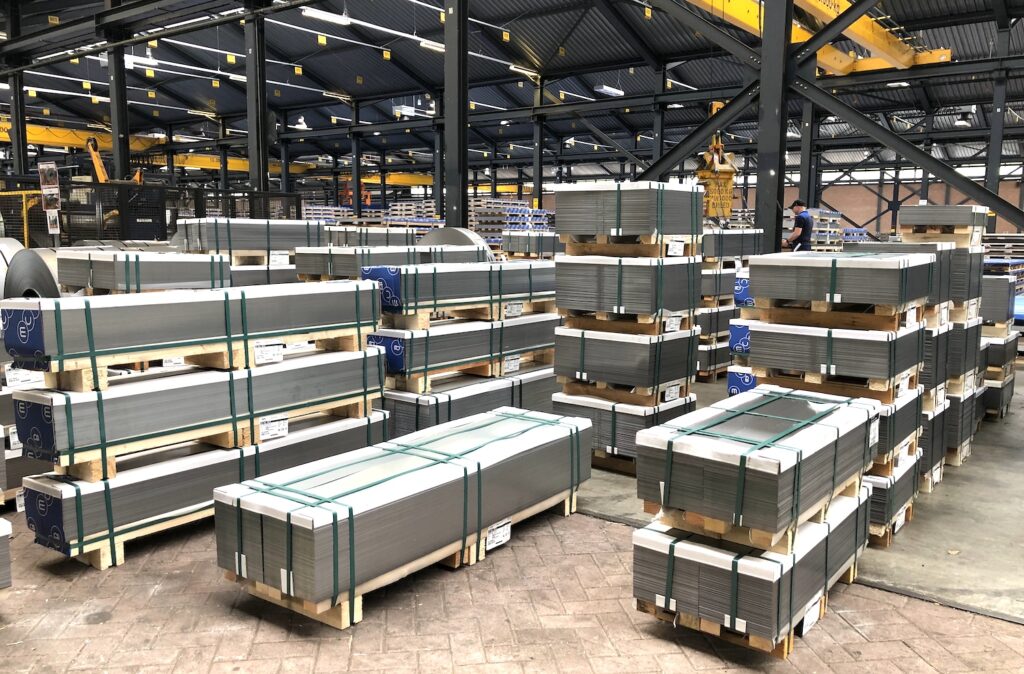
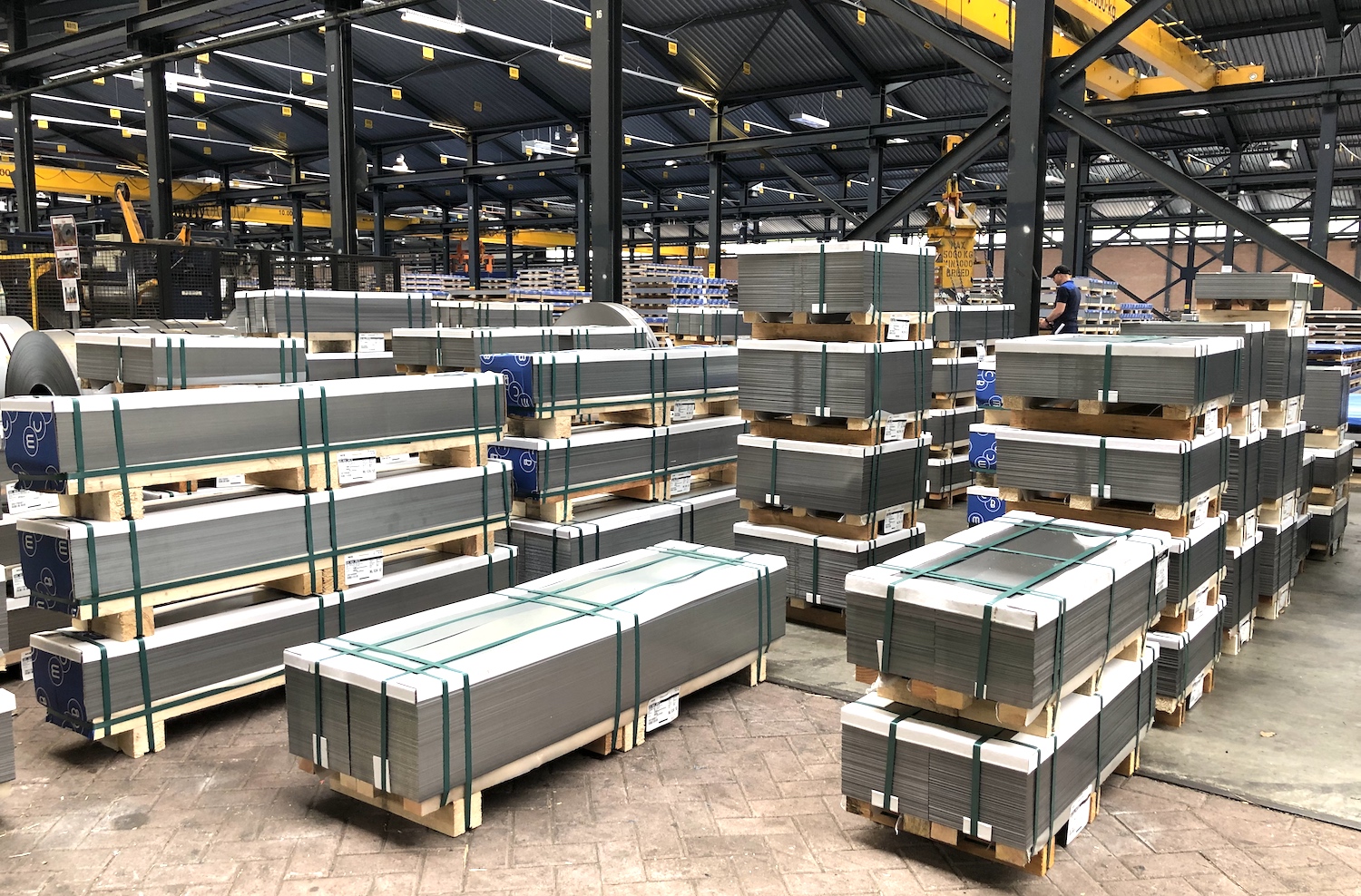
Stocks at German distributors fell to a 33-year low in December 2020 while sales increased further, according to data published by German stockholder association BDS.
Flat steel stocks were 2.6% lower year on year to 1.15 million mt, while long steel stocks dropped 9.8% to 715,054 mt in December.
Q4 stock levels averaged 1.21 million mt for flat steel, down from 1.26 million mt in Q4 2019, while long steel stocks averaged 745,328 mt in Q4, down from 811,713 mt a year earlier.
For the full year 2020, stock levels for flat steel averaged 1.25 million mt, down from 1.42 million mt in 2020. Long steel stocks averaged 792,707 mt in 2020, down from 859,946 mt in 2019.
Market sources were reporting stock levels remained low during the end of last year as production levels from European mills were struggling to keep up with demand and buyers scrambling for material.
Sales of long steel were up 8.6% year on year in December at 184,775 mt, while sales of flat steel grew by 20.9% to 376,234 mt.
Monthly average sales of long steel in Q4 were 258,408 mt in Q4, up from 249,360 mt in Q4 2019. Flat steel sales were up from 450,246 mt in Q4 2019 to 516,788 mt in Q4 2020 indicating a buoyant market in the last quarter of the year. Although sales were slightly down from November, sources said the market was unusually active in December.
Monthly sales in 2020 sales were up slightly for long steel at an average of 279,590 mt, while flat steel sales were down from 518,576 mt in 2019 to 496,171 mt in 2020 with Q2 2020 being a particularly sluggish quarter as the industry was experiencing reduced activity amid lockdown measures during the first wave of the pandemic.
— Laura Varriale

ArcelorMittal Italia initiates restart of blast furnace 2 at Taranto site: sources
ArcelorMittal Italia is in the process of restarting blast furnace 2 at its site in Taranto Jan. 26 as it aims to boost crude steel output in 2021 to 5 million mt from 3.4 million mt produced in 2020, union sources told S&P Global Platts.
The company already restarted melting shop 1 this week, union sources said.
Blast furnace 2 and melting shop 1 had been temporarily shut as coronavirus lockdowns depressed demand for steel and the company adapted the blast furnace to safety standards demanded by Italian judges following a fatal accident in June 2015.
Of the company’s five blast furnaces, only 1 and 4 are currently fully operational, producing 14,000 mt/day of crude steel.
ArcelorMittal declined to comment when contacted by Platts.
Work on the blast furnace number 2 was carried out by Ilva, which owns the site and rents it to ArcelorMittal Italia, at a total cost of about Eur10 million.
Blast furnace 5 is the largest blast furnace in Europe with a production capacity of around 3.5 million mt/year and was idled in 2015. Blast furnace 3 has a capacity of around 2 million mt/year of crude steel but was idled in 1994 and is due to be dismantled.
Unions told Platts that they are expecting the green light from the EU to allow Invitalia, Italy’s agency for investment promotion and enterprise development, to form a public-private partnership for the former Ilva steel operations. Sources suggested the antitrust green light is expected by the second week of February.
ArcelorMittal announced late Dec. 10 that it had signed a binding agreement with Invitalia for the public-private partnership.
The agreement will result in a recapitalization of AM InvestCo, an ArcelorMittal subsidiary that signed the lease and obligation to purchase agreement for Ilva’s business in 2018.
Invitalia will invest in AM InvestCo in two tranches: the first investment will be of Eur400 million and the second tup to Eur680 million, payable on closing of AM InvestCo’s purchase of Ilva’s business by May 2022, at which point Invitalia’s shareholding in AM InvestCo would reach 60%.
— Annalisa Villa

NLMK’s US operations sue US Steel for $100 million, damages over tariffs

NLMK’s US operations are suing US Steel for a minimum of $100 million alleging anticompetitive, unfair and unlawful trade practices surrounding its tariff exclusion requests, according to court documents obtained by S&P Global Platts on Jan. 26.
The lawsuit filed on Jan. 22 claims US Steel’s practices inflicted more than $100 million in damages on NLMK as it “successfully engaged in a pattern of misrepresentation and deception in order to induce the United States Department of Commerce to deny NLMK tariff relief to which it was entitled, all for the purpose of placing NLMK at a competitive disadvantage.”
NLMK’s US operations in Pennsylvania and to a lesser extent Indiana rely on the importation of semi finished steel products to further process into finished steel coil. In 2018, those imports became subject to 25% tariffs as a result of former President Trump’s trade policy.
After the wide-sweeping tariffs were put into place, the US Department of Commerce provided companies the ability to apply for tariff exclusions based on two criteria: A lack of sufficient US production capacity of comparable products or specific national security-based considerations.
NLMK filed 162 exclusion requests from the tariffs for its semi-finished steel slab, according to the lawsuit. The company states US Steel “lacked any legitimate basis” to object to its requests as it is a direct competitor. US Steel “could not and would not” supply NLMK with the slab it needed, according to the document.
In addition, NLMK alleges US Steel misled the US Commerce Department with its representation of its production capabilities for the product.
“NLMK has thus been forced to pay nearly $200 million in tariffs from which is should have and would have been exempt, but for US Steel’s dishonest and anticompetitive misrepresentations. US Steels submission of false representations to support its objections were intended to, and in fact did, inflict significant competitive harm on NLMK, in violation of Pennsylvania law,” the company said.
In response, a US Steel spokeswoman said the company “does not provide the Department of Commerce false information.”
“We objected to NLMK’s exclusion requests based on our ability to mine, melt, and pour steel slabs in the USA — which we currently do and could do much more with idled blast furnaces in Michigan and Illinois. Other domestic steelmakers made similar objections. The Department of Commerce—not U. S. Steel—rightfully denied NLMK’s repeated requests,” added the company spokeswoman in an email to Platts.
Despite usual practice of not commenting on pending litigation, US Steel said the lawsuit was “challenging the very principles we live by … We are committed to American manufacturing, American jobs and American steel.”
— Michael Fitzgerald, Justine Coyne