

Flat steel shipments from EU fall 11% on year in 2020: EUROMETAL
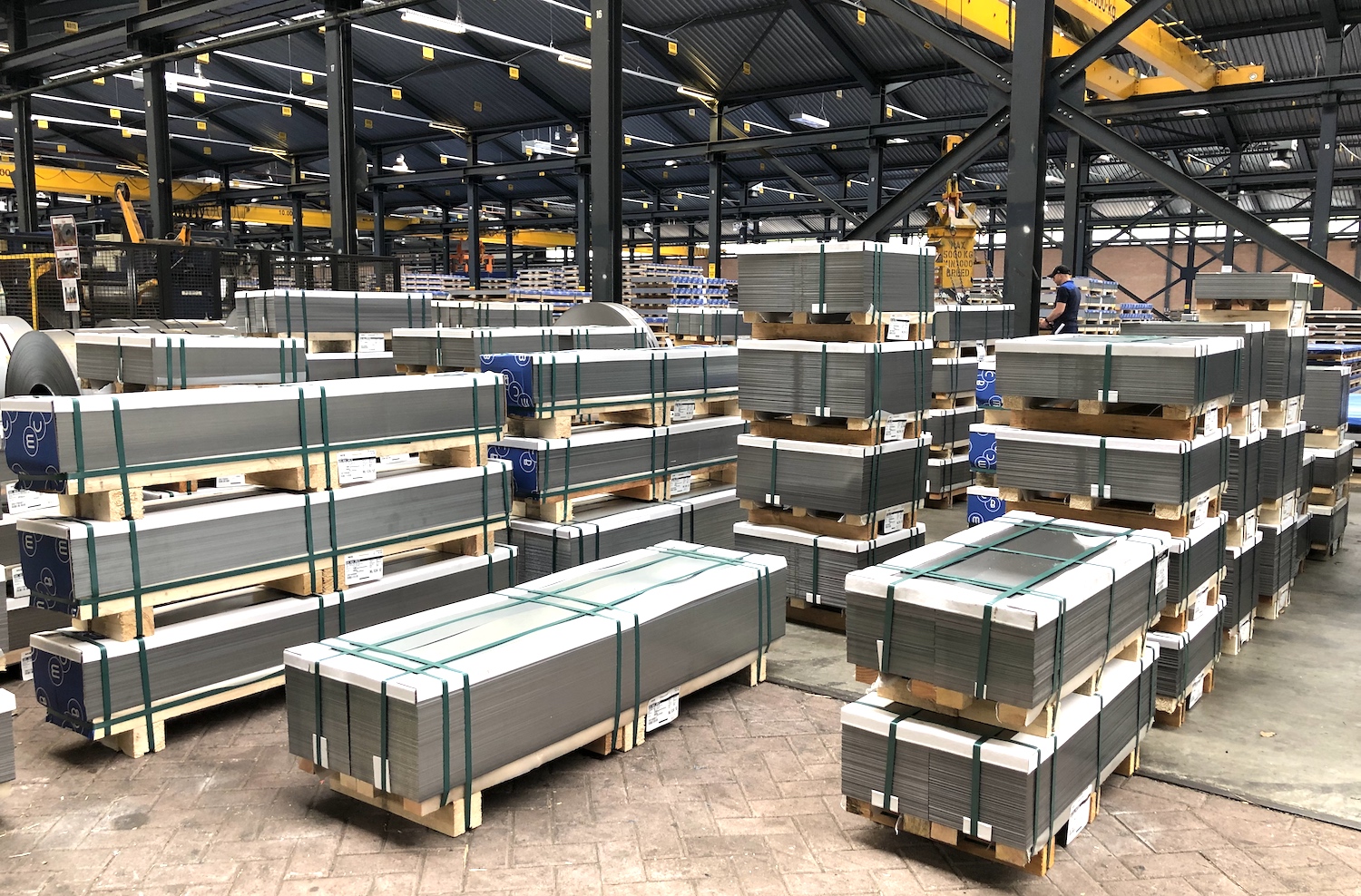
Flat steel shipments from EU service centers fell 10.9% year on year and stockholders’ distribution of multi-product and proximity steel — including long steel — fell 8.5% on the year in 2020, EUROMETAL, the European Federation of Steel, Tubes and Metals Distribution & Trade said Feb. 18.
In December 2020, strip mill product shipments rose 8.8% on the year.
The December 2020 index of stock volumes fell to 100 from 102 in December. Expressed in days of shipments, stocks at EU SSC reached 91 days, compared with 114 days in December 2019.
EU multi-product and proximity steel stockholding distribution registered lower shipments for all products of its portfolio in 2020.
In December, total steel product shipments rose by 13.5% on the year.
Stock volumes index of EU multi-product and proximity steel stockholding distribution registered at 83 in December down from 88 in the year-ago period. When expressed in days of shipments, stock volumes were at 96 days of shipments in December, compared with 117 days in December 2019.
— Annalisa Villa

EU steel still open for consolidation after ThyssenKrupp-Liberty deal ends
The European steel industry still has room for consolidation within its ranks, the former director general of European steel distribution association EUROMETAL said Feb 18, a day after ThyssenKrupp said it had pulled out of sales talks for its European steel unit with Liberty Steel.
“Whatever is the outcome of the ThyssenKrupp deal, the fact remains, and this is the most important lesson of the last months, there are in EU at least four steel groups searching for synergies and economies of scale, eventually by consolidation,” Georges Kirps, the former EUROMETAL director general, told S&P Global Platts in an interview. “These are Tata Steel Europe, SSAB, Liberty Steel and TK Steel, meaning that no less than 25% of EU steel output are exploring consolidation trails. So, the consolidation book remains largely open,” he said.
ThyssenKrupp said Feb. 17 that it had ended talks for selling ThyssenKrupp Steel Europe to Liberty Steel, focusing on restructuring the unit on its own. The German company said the decision because the two parties could not agree on a valuation for the steel unit.
Liberty had submitted an updated, non-binding offer earlier this year to acquire ThyssenKrupp Steel Europe. Thyssenkrupp CEO Klaus Keysberg has said UK-based Liberty was the only buyer considered.
ThyssenKrupp, in a statement, said there were differences over “ideas about the corporate value and the structure of the transaction were far apart.”
Nevertheless, Liberty said it was keeping the ‘‘door open“ to Thyssenkrupp after that the German steelmaker ended the sale talks.
‘‘We note the announcement from ThyssenKrupp,” Liberty said in its own Feb. 17 statement. “Discussions have been suspended at this stage due to differences in pricing expectations. Liberty remains confident that it has put forward the only long-term sustainable plan for ThyssenKrupp’s steel business and we will continue to engage to seek to eliminate the valuation gap in due course.“
Market participants made their judgement on the failed merger, with one source, at a German distributor, calling ThyssenKrupp’s withdrawal a “good decision.”
The source added that it was unlikely Thyssenkrupp would be amenable to further negotiations.
“A spinoff is an option,” he said.
A second distribution source said he believed not fulfilling a deal might work out for both [parties] because “they want money at this price level. But I believe that somehow consolidation will be necessary in the near future.”
The Liberty-ThyssenKrupp deal is the second European steel deal to fall through in a matter of weeks, after Swedish special steel producer SSAB pulled out of efforts to buy Tata’s Dutch assets.
While it is not clear what lies ahead for ThyssenKrupp, the company can still potentially enter into deal, though analysts said it was unlikely for the near term.
At the turn of the year, there was the possibility of two different transactions (SSAB/Tata and TKA/Liberty), both of which have ended discussions,” Jeffries analysts said in a Feb. 17 report. “TKA could potentially still entertain M&A but we don’t see any logical partners in the near term. Considering EC concerns around market shares in automotive and packaging, we view it highly unlikely TKA would re-engage discussions with Tata. Previously, we had expected an update by March around the future for Steel Europe but this seems to narrow down the possibilities. Ultimately, TKA could still consider a spin out of the business, but for now, it looks like Steel Europe will remain in the portfolio.”
— Annalisa Villa, Amanda Flint

EU’s 2020 distribution sales fall despite December rebound
December sales from European flat steel service centres and multi-products distributors increased significantly again compared with the same month in 2019. The recovery was nevertheless not enough to overturn the overall negative trend of last year, according to the latest data from distributors’ association EUROMETAL.
Flat steel service centres saw shipments jump some 8.8% year-on-year in December after a similar recovery in November. Full-year 2020 shipments nevertheless dropped 10.9% y-o-y.
Multi-products distributors saw a December shipment rise of 13.5%, but the annual figure remained below the 2019 level by 8.5%, Kallanish notes.
In addition to the shipment recovery, stock levels at all distributors in December remained well below the levels seen in December 2019, confirming the ongoing rebound in Europe.

British Steel withholds investment over UK policy obscurity
British Steel’s Chinese owners have allocated £1.2 billion ($1.68 billion) to invest into the UK steelworks’ blast furnaces, but are holding back the investment due to Boris Johnson’s ten-point net zero carbon economic plan. So says British Steel chief executive Ron Deelen in an interview with The Telegraph.
Part of the attraction for Jingye Group to acquire British Steel in March 2020 was the firms’ shared knowledge of blast furnaces, according to Deelen. “However, since they took over things have changed,” he is quoted as saying. “The climate committee has given clear advice to the Government – it’s not law yet, but probably will be by 2035 – saying they don’t want to see any blast furnace steel produced in the UK.”
The allocated funds will now probably have to be put towards electric arc furnaces. However, these use large amounts of electricity, which is considerably more expensive in the UK than in Germany and France, for example. UK Steel said earlier this month high electricity prices burden UK steelmakers with £54 million of additional annual costs compared to their German counterparts, thereby deterring investment to modernise the sector and slowing decarbonisation (see Kallanish passim).
Deelen says a clear direction from government ministers would help British Steel decide its investment plan. “The sooner we spend it, the better, because it will help us get to a sustainable cost level,” he observes. “What we are doing at the moment, I would call maintenance investments, £40m to £50m a year. We would like to start spending big money.”
The impact of Britain leaving the EU means all UK steel companies have been “extra punished” compared to other businesses, Deelen continues. UK steel going into the EU is now subject to the safeguard tariffs that once protected it. “One thing is for sure: we ended up with a Brexit agreement which says free trade, but doesn’t mean free trade for the steel industry,” Deelen says. He hopes the UK government will negotiate more favourable terms with Brussels.
EU opens Chinese EAF electrodes anti-dumping investigation
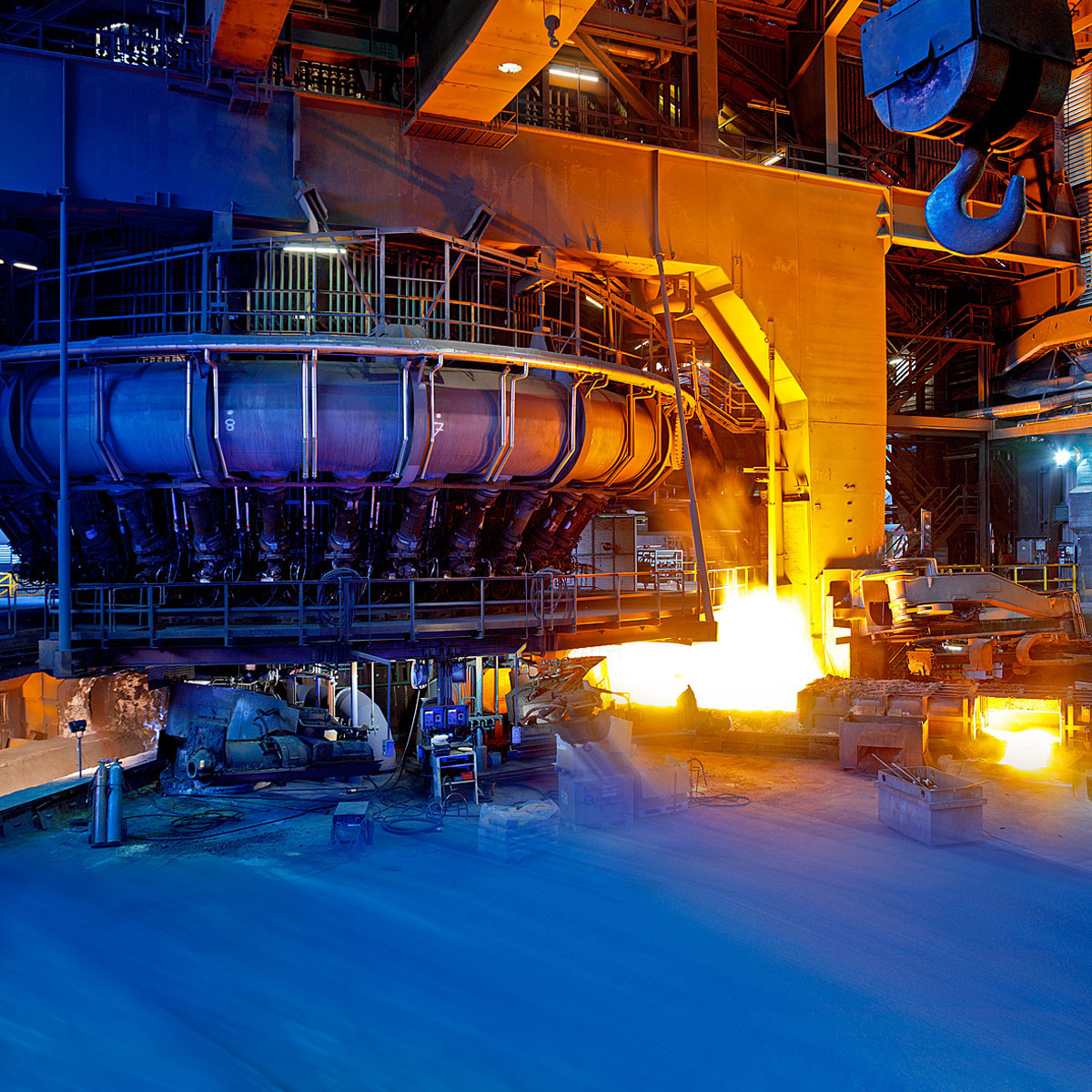
The European Commission has opened an anti-dumping investigation into imports of Chinese graphite electrodes used in electric arc furnaces, Kallanish learns from an official document.
The investigation was launched following a complaint lodged in January by Graphite Cova GmbH, Showa Denko Carbon Holding GmbH and Tokai ErftCarbon GmbH.
The European Commission says the complainants proved there was an increase in volumes of graphite electrodes from China and a negative impact on prices. They also showed there was significant raw materials price distortion involved in the production of the electrodes in China.
“According to the evidence in the complaint, pitch needle coke, that accounts for more than 17% of the cost of production of the product under investigation, is subject to VAT refund withdrawal in the country concerned,” the Commissions says. “On the basis of a comparison of prices of pitch needle coke in Japan with those in the country concerned, the complaint establishes that the raw material distortions appear to result in prices significantly below those of representative international markets.”
If dumping is confirmed during the investigation, provisional measures are set to be imposed in the fourth quarter.