

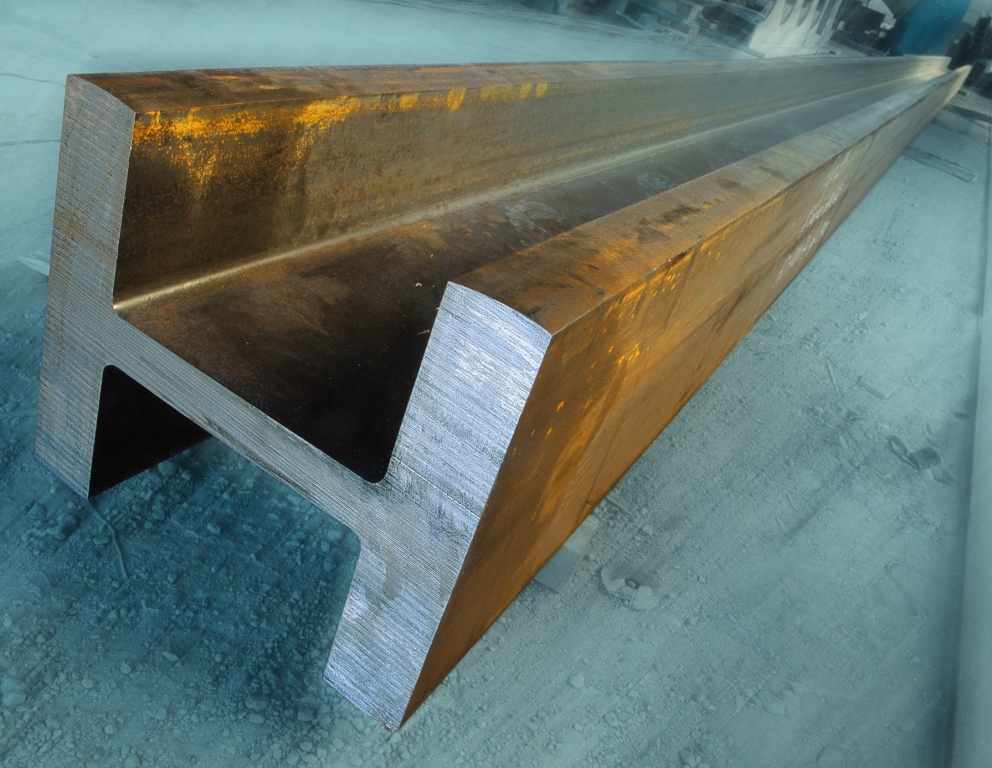
EU steel sections near-term demand expected to rise
European domestic steel sections market participants expect demand to pick up in the near-term while prices stayed stable at elevated levels Feb. 24
Platts’ European medium sections price (category 1, S235 JR) was assessed at Eur715/mt delivered Feb. 24, stable on week.
One European mill source expects demand to pick up in the near-term, with a possible uptick in prices as well.
“Demand is picking up obviously. Especially with what’s happening with scrap in Turkey, not sure what will happen with scrap in Europe, but demand is coming back.”
The source noted that the market needs to observe what is happening with international scrap prices before gaining any clarity on future prices.
“Demand has been stronger than it has been in the past few weeks,” he told Platts. “I think future price trends will depend a lot on domestic scrap prices and it’s too early to speculate on that. We need a couple of weeks to understand scrap and demand levels. There is room for prices to move up but today is too early to say that.”
The source put a tradable value for medium sections at Eur715-Eur720/mt delivered.
Turkish scrap import prices jumped another day amid strong workable levels. Platts assessed Turkish imports of premium heavy melting scrap 1/2 (80:20) at $450/mt CFR, up $5/mt on day.
One distributor source in the Benelux region noted that the market was observing good demand: “We had a little bit of winter for a couple of weeks, but the weather is better now, which is good for construction.”
The source cited a tradable value for medium sections at Eur720/mt delivered Benelux.
Another distributor source put a tradable value at Eur710-Eur720/mt delivered Benelux.
— Rabia Arif

German firm seeks supply chain communication amid shortages
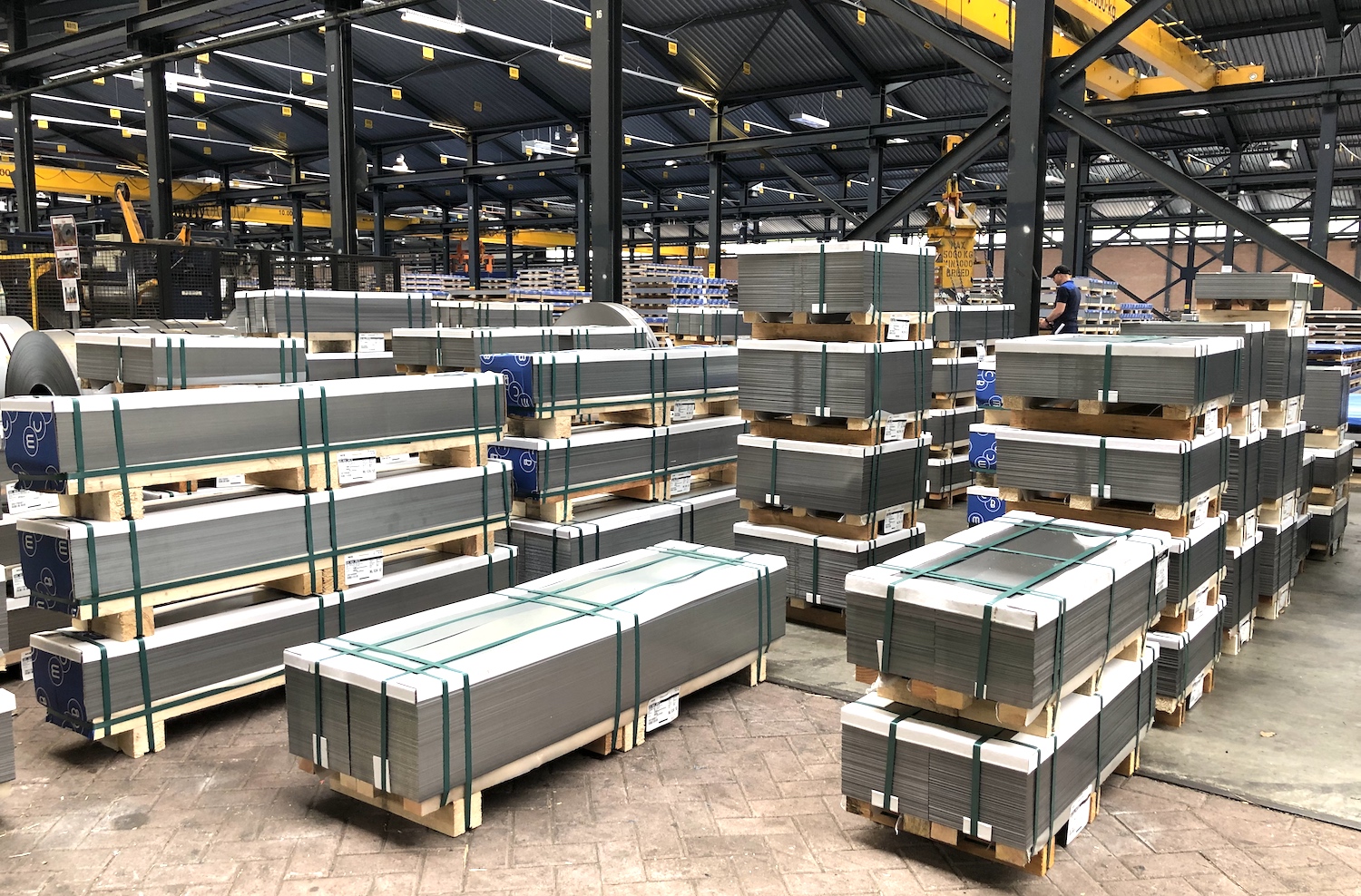
German steel market observers are calling for better communication among players along the value chain to better harmonise the gaps in supply and demand.
In a move unusual for a distributor, Günther+Schramm, based in Oberkochen and Mannheim, has addressed the issue in an open letter to customers. The company is mainly dealing with special bar qualities (SBQ), which are subject to similar shortages as coil products, partly for the same reasons, like production levels that do not match demand.
In addition, managing director Bernd Seibold mentions an “extreme reduction of transport capacity”, especially in road haulage, plus restrictions for border-crossing traffic due to Covid-19. “Currently, products ready-for-dispatch need two to three weeks from mills in Europe to our warehouses,” he states. Apart from the delay, “this leads to considerable extra costs in the supply chain,” Kallanish hears from Seibold.
He pleads for “intensive communication” with suppliers as well as customers to come to terms with the issues, and to avoid faulty decisions. “And this should be possible for remote working too,” he says.
Seibold is in line with consultant Andreas Schneider of Stahlmarkt Consult, who pleads for “fair solutions worked out in cooperation”. Without naming mills directly, in his blog Schneider criticises suppliers for not delivering the volumes laid down in long-term contracts. “This may not be true across the board, but these are not just singular cases either,” he writes.
Both observers note that many buyers pressure themselves with securing material, which aggravates the situation, so that “inventories cannot be reasonably re-stocked,” Seibold notes.
Thyssenkrupp Steel recently addressed the problem in a circular to its customers. The scheduled restart of its capacities “was complicated by the fact that many customers ordered larger volumes than originally planned”, it said. Because of this highly volatile order structure, the company claims it sees “daily changes in our planning”, and can provide information on delivery dates only with a delay.


Steel users beg Biden to nix 232 tariffs
As the White House stays mum so far on the status of the Section 232 tariffs originally put in place by President Donald Trump, a coalition of steel consumers is asking President Joe Biden to do away with them as quickly as possible.
In a letter sent to the White House, the Coalition of American Metal Manufacturers and Users says the Trump tariffs “…have hurt small, family-owned manufacturers and the communities in which they built their businesses, while fracturing relations with overseas trading partners and spurring a frenzy of retaliatory trade measures – with little to nothing to show for it at home.”
The coalition consists of the Associated Builders and Contractors, Hands‐On Science Partnership, the Industrial Fasteners Institute, the National Tooling & Machining Association, the North American Association of Food Equipment Manufacturers, the Precision Machined Products Association, and the Precision Metalforming Association.
“The domestic steel industry, which believes the tariffs should remain in place, fails to understand that, without US steel-consuming manufacturers to buy their steel products, any misperceived advantage derived from the tariffs will be useless if their customers go out of business because of high steel prices and lack of supply,” the letter states.
Current US hot-rolled prices are at an all-time high, hovering around $1,200/short ton. Several buy-side sources have told Kallanish over the past week that sourcing hot- and cold-rolled sheet is difficult, while sourcing hot-dipped galvanized sheet is next to impossible.
“By jeopardising the ability of businesses to access the steel and aluminium they need, the Trump tariffs have made it more difficult for American manufacturers to compete with finished products imported from overseas,” the letter states. “Once this business moves offshore, it can take years for it to return – if at all.”