


TMK to enter stainless flats production
Russian pipemaker TMK will begin the production of stainless flat rolled products, with the support of the Ministry of Industry and Trade, says the press service of the President of Russia.
The design capacity of the proposed complex is up to 500,000 tonnes/year, Kallanish notes. Total investment is over RUB 100 billion ($1.36 billion). The production site will be in the city of Volzhsky, but the timing of the project has not been specified.
“Today, there is no production of flat products from stainless and corrosion-resistant steel grades in the country,” TMK chairman Dmitry Pumpyansky said during a meeting between Russian President Vladimir Putin and representatives of the business community.
Consumption in the Russian market of stainless flat products is about 300,000 t/y, of which 95% is imported, Pumpansky added.
“This is an impossible situation for our country, and all these years the implementation of this technologically complex project has always been constrained by the length of the construction period and vague prospects for recoupment,” he observes. “Today, our new calculations, taking into account the above activities on removing barriers in industrial construction and at the same time using available state support measures, show a significant reduction in construction time and a quite acceptable payback.”
TMK is confident that, as a result of these joint activities, Russia will become a leader in the production of special steels and alloys for all industries.
The pipemaker acquired earlier this month 86.54% of shares in Chelpipe, one of Russia’s leading large-diameter and OCTG pipe producers (see Kallanish passim).
TMK’s 2020 consolidated revenue declined 28% on-year to RUB 222.6 billion ($3 billion). The company expects pipe consumption to remain stable in 2021.
Svetoslav Abrossimov Bulgaria

European industrial production returns to pre-pandemic levels
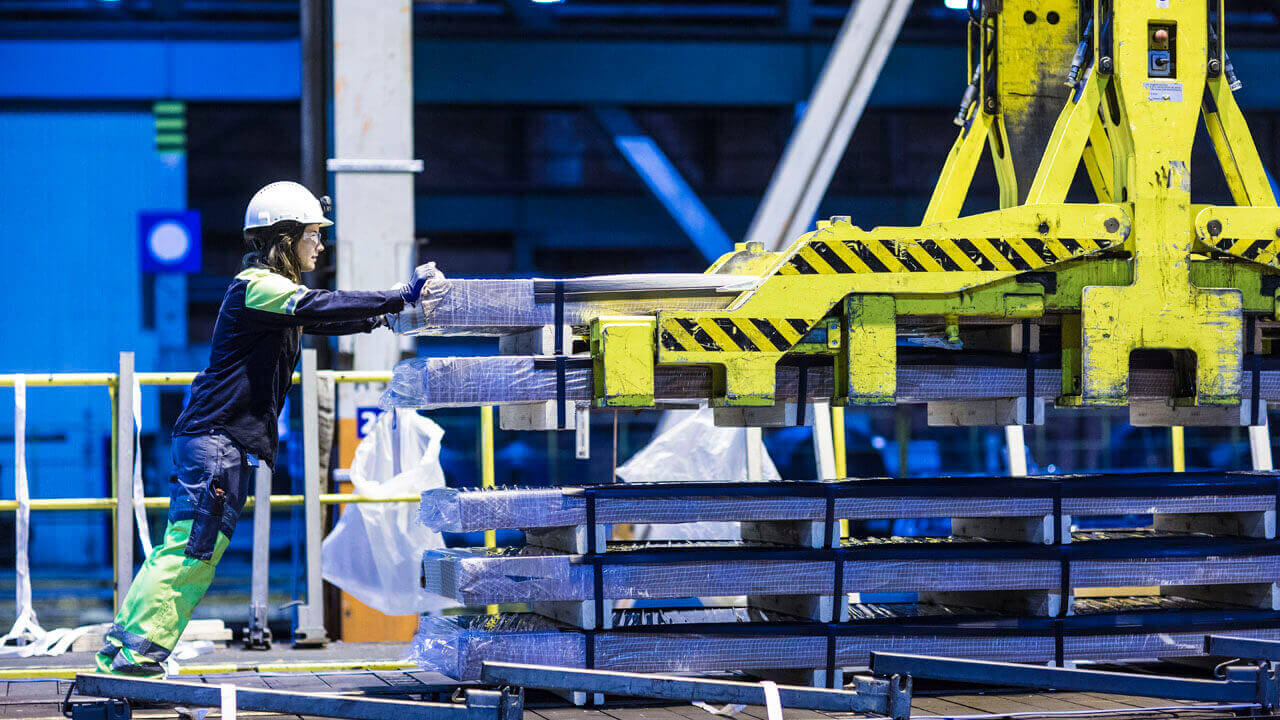
European industrial production has reached its highest level since the Covid-19 pandemic hit the continent, according to the latest data published by Eurostat.
The monthly index for industrial production in the EU – with 2015 as the base year – jumped back to 104.6 in January. This is almost in line with the level of 104.8 registered in January and February 2020, before the start of the pandemic, Kallanish notes.
Overall, the recovery of the sector in January was by 0.7% month-on-month, confirming the positive trend reported in the entire supply chain.
Compared with January 2020, the biggest recovery in activity was registered by Ireland (+27% y-o-y), followed by key countries such as Poland (+5% y-o-y) and Belgium (+3% y-o-y). German industrial production was down some 3%, while the worst performing country was Portugal, with a 6% drop.
Emanuele Norsa Italy
Salzgitter ends difficult year on bright note
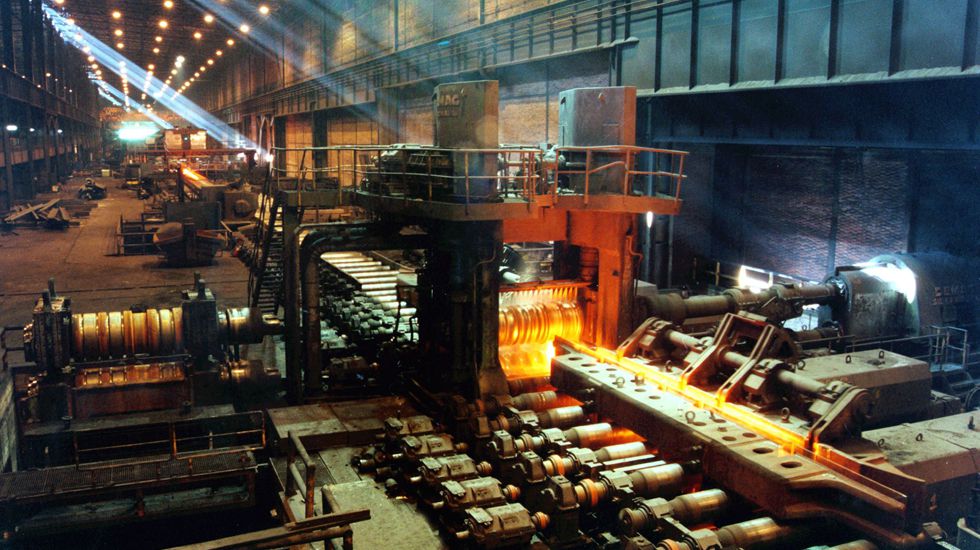
German steelmaker Salzgitter says its strip steel and other activities showed strong signs of recovery in the final quarter of 2020, and this has held steady since.
The group’s 2020 revenue declined by 16% on-year to €7.1 billion ($8.5 billion) due above all to the drop in average selling prices for rolled steel products and lower shipment volumes. Crude steel production came to 6 million tonnes, versus 6.6mt in 2019.
Pre-tax loss was limited to €196 million, thanks to rigorous crisis management and the recent uptrend in performance, the group emphasises. Net loss was €274m, which comprise €71m in additional tax expenses against which the company has lodged an appeal.
At a press conference attended by Kallanish, Salzgitter chief executive Heinz Jörg Fuhrman emphasised that “the financial year 2020 was not a lost year”, thanks to various new activities. In terms of equipment investment, the company is working on the third hot-dip galvanizing line at strip mill in Salzgitter and the new heat treatment line at the plate mill in Ilsenburg. It is also pushing ahead with its decarbonisation offensive by implementing the “Wind Hydrogen Salzgitter”, “Green Industrial Hydrogen 2.0” and “Green Strip Steel” projects.
With explicit reference to the virtually unquantifiable risk of the coronavirus, Salzgitter expects in 2021 an increase in revenue to more than €8.5 billion, and a pre-tax profit of €150-200m.
Christian Koehl Germany
Danieli remains positive over technology demand
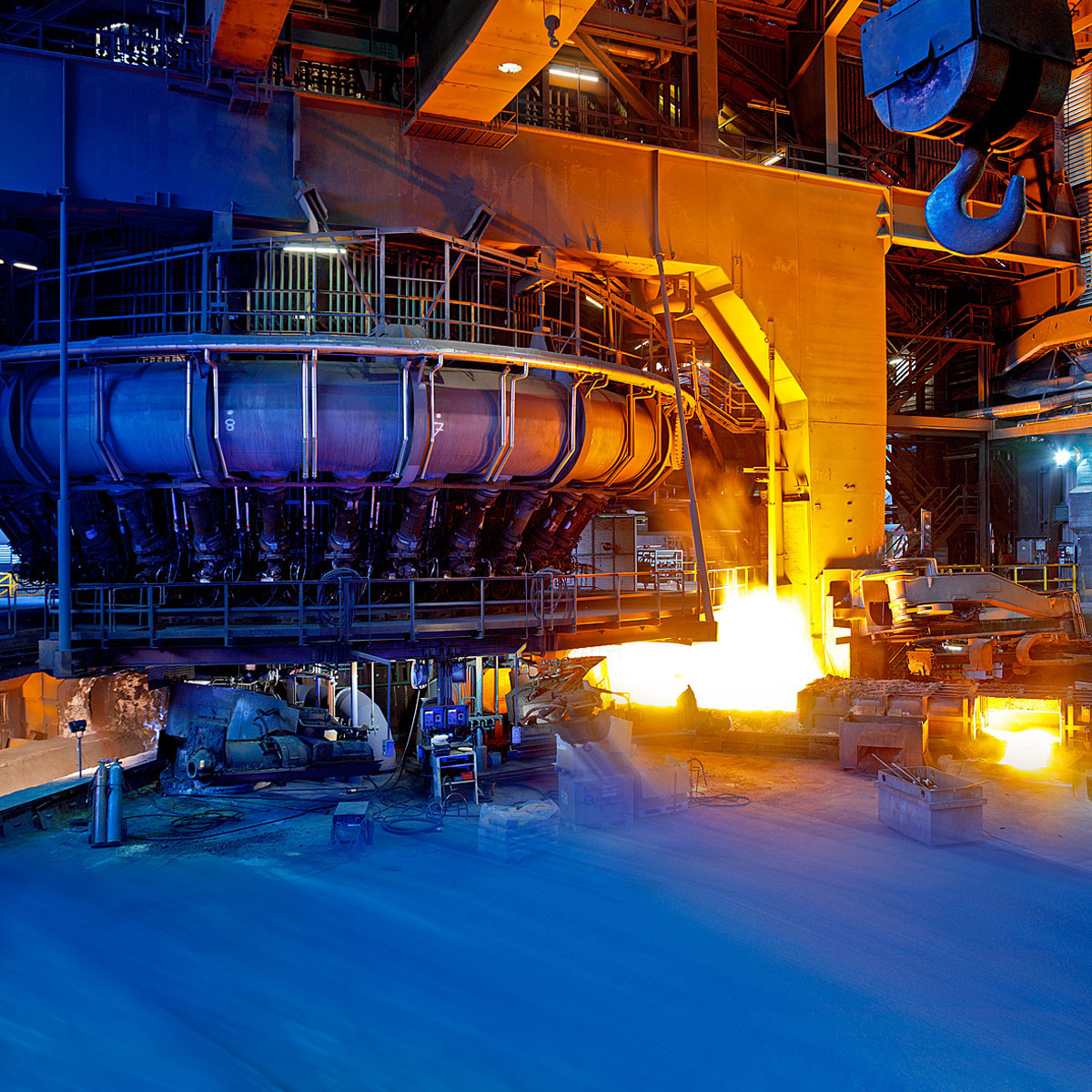
Italian equipment supplier Danieli says its plant-making division is set to continue benefitting from increasing demand for technologically-advanced and greener plants.
The company is currently seeing a good order intake, Kallanish notes, but believes the trend will “strengthen even further”.
“In the plant-making segment the demand for digitalised, high-tech plants for the production of steel and aluminium with competitive OpEx, enhanced quality and flexibility, which are environment-friendly, is contributing to the good order intake for Danieli’s plant-making division,” the company notes.
After the Covid-19 crisis, Danieli believes that actions to mitigate carbon emissions and cut greenhouse emissions will accelerate in the EU, US and China.
“The now possible combination of direct reduction plants that use gas and hydrogen as an iron ore reducing agent together with digital, high-efficiency electric arc furnaces fed with renewable energy and rolling mills with induction heating furnaces leads, basically speaking, to green steel production with zero environmental impact without GHG emissions, thus reducing the average generated CO2 volumes from 1,800kg to 300-400kg per tonne of steel produced,” Danieli adds.
Danieli’s plant-making segment in 2020 saw revenue drop 13% year-on-year to €925 million ($1.1 billion). Despite the turnover drop, operating income increased 118% to €53.3m. Meanwhile, the steelmaking segment saw revenue increase 9% to €352.8m.
Emanuele Norsa Italy
V-shaped recovery in 2021 to support steel demand: Celsa
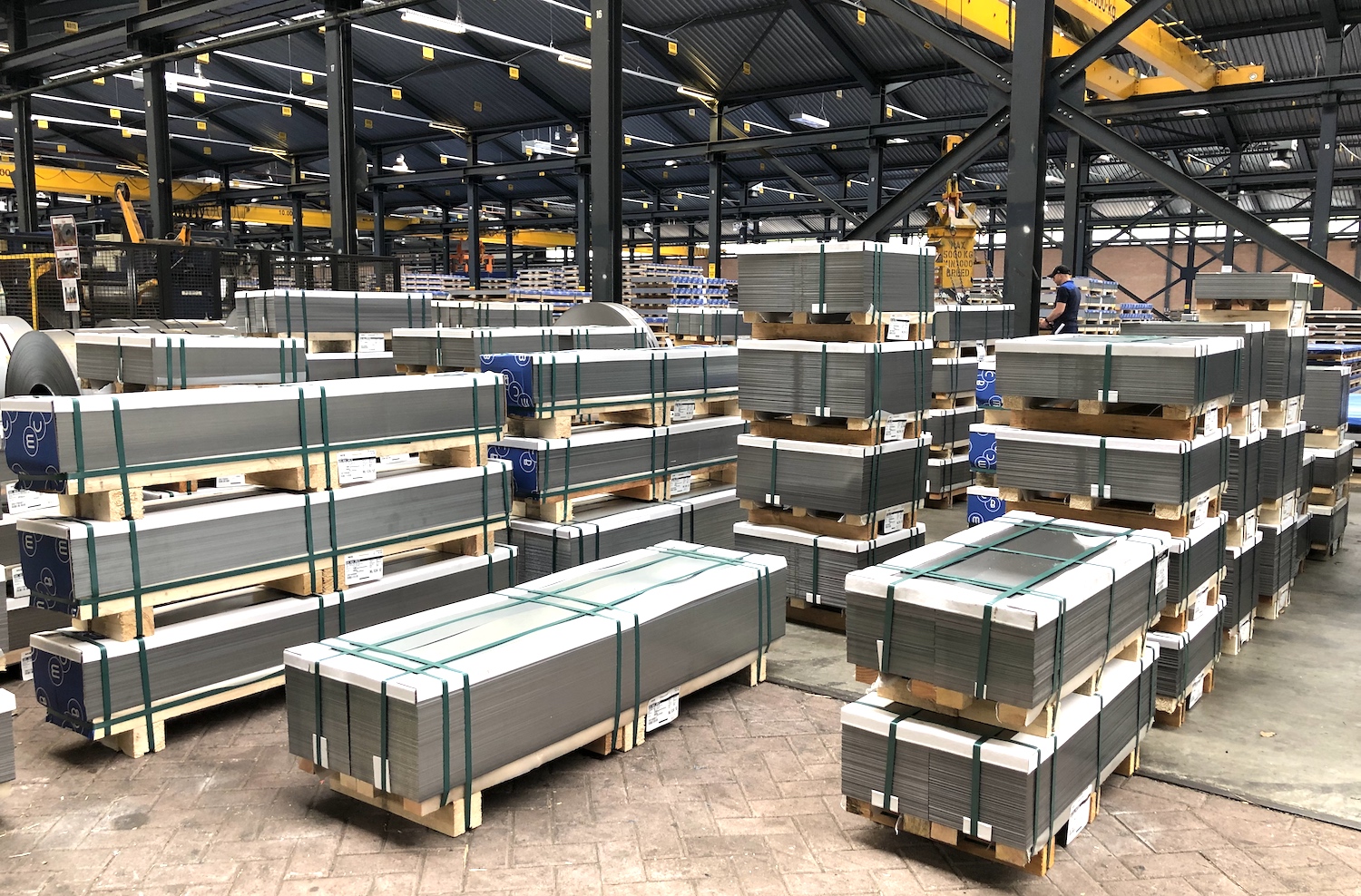
A strong V-shaped recovery is expected in the global economy in 2021, following the shrinkage seen in 2020 due to the COVID-19 pandemic, which is expected to support steel demand and prices, Alexander Gordienko, international sales manager of Celsa Group said at the Irepas conference on March 15.
“The global economy has outperformed the expectations in 2020 and contracted only by 3.5%, reflecting stronger-than-expected momentum in the second half of 2020. Advanced economies suffered the most with 4.9% decrease, while emerging markets performed better with reduction in GDP OF 2.4%,” the manager said.
Economies are expected to show a strong V-shaped recovery this year, depending on access to vaccines and government policies and stimulus packages, Gordienko said, adding that in line with the expected V-shaped recovery in global economies, world steel demand is also expected to grow notably in 2021.
As for long products, the sales manager said despite the decline expectations for long products consumption in 2020 amid the pandemic, overall global longs consumption reached 905 million mt, increasing by 0.7% on year.
“Wire rod and merchant bars consumption increased by 2% and 3.2% on year, respectively, while consumption of sections and rebar decreased by 3.2% and 0.6% on year, respectively,” Gordienko noted.
The recovery seen in the global demand as of the second half of 2020, pushed all steel prices up, with no current signs of going down, the manager said, adding that especially wire rod prices reached historically high levels.
“Mills have recuperated the spreads from the historical lows of 2020. Will they manage to hold to the increases? Will fiscal support create a new super-cycle in commodities? These kind of questions and some uncertainties like the success of vaccination and US infrastructure spending will determine the market direction in 2021, the international sales manager said.
— Cenk Can

BMW invests in zero-emissions steel technology firm Boston Metal
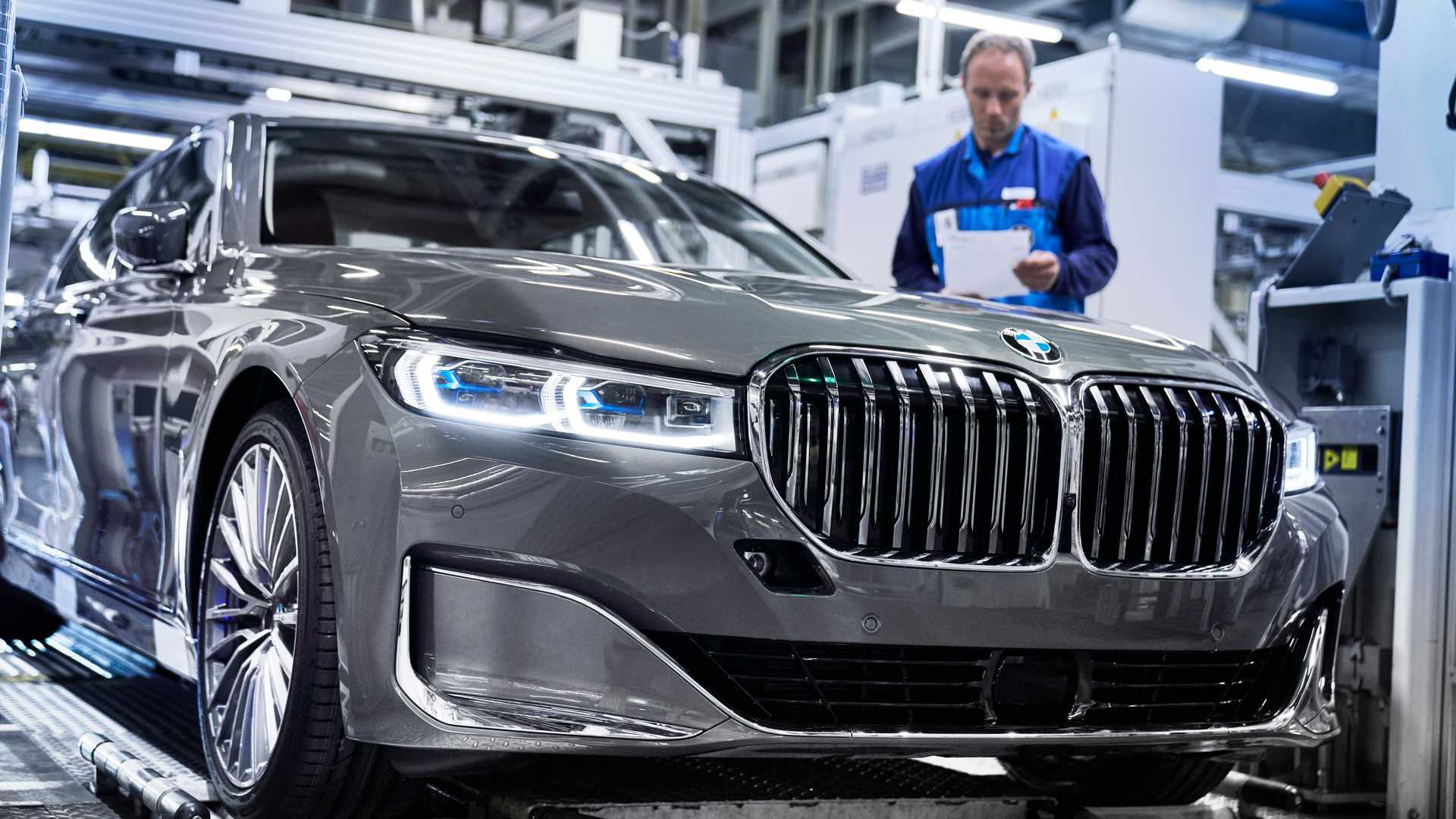
Automaker BMW Group has invested in US metals technology company Boston Metal, joining existing investors BHP and Vale in CO2-free steel production technology.
BMW through its US-based venture capital fund BMW i Ventures invested into Boston Metal — formally known as Boston Electrometallurgical Company — to help facilitate lower emissions supplies, the company said on March 12.
“Over the coming years, Boston Metal plans to expand the new method for steel production on an industrial scale,” BMW said in a statement. “The investment is part of the BMW Group’s far-reaching sustainability activities aimed at significantly reducing CO2 emissions across the supplier network.”
BMW said it systematically identifies the raw materials and components in its supplier network with the highest CO2 emissions from production, including for steel.
BMW targets a 2 million mt/year reduction in CO2 by 2030 compared with current levels, according to Andreas Wendt, member of the board of management of BMW AG responsible for its purchasing and supplier network.
“It is important to us that our partners are firmly committed to sustainable action and use production technologies with low -carbon emissions,” Wendt said. “The use of green power also has a major impact. We are already working with suppliers who use only green power for the steel they produce for us.”
BMW’s European plants processes more than 500,000 mt/year of steel, it said. BMW has a goal to further increase its percentage of recycled raw materials by 2030 and wants to safeguard raw materials supplies through use in a circular economy.
Boston Metal is developing electricity-based molten oxide electrolysis (MOE) technology for emissions-free steel and metals production, using inert anode technology. This could replace iron from the blast furnace steelmaking route using metallurgical coal and coke. If electricity from renewables is used for this new process, steel production via MOE would be carbon-free, it said.
Boston Metal will build demonstration facilities for this process over the next few years, and further develop it for industrial-scale use.
“Our investors span across the steel value chain, from the upstream mining and iron ore companies to the downstream end customer, and validate Boston Metal’s innovative process to produce high-quality steel, cost-competitively, and at scale,” Tadeu Carneiro, Boston Metal CEO said in the statement.
BMW had already worked with Boston Metal prior the investment. The start-up works with companies to tailor the MOE technology for specific alloys, feedstocks, and business needs.
Boston Metal said BMW joined its $60 million Series B fundraising, which was oversubscribed, with investments of $6 million from Brazilian miner Vale, alongside capital from BHP Ventures, Energy Impact Partners, Piva Capital, and Devonshire Investors, the private investment firm affiliated with FMR LLC, the parent company of Fidelity Investments. Existing investors are Breakthrough Energy Ventures, Prelude Ventures, OGCI Climate Investments, and The Engine.
The Series B will allow Boston Metal to validate its patented inert anode technology at industrial-scale and deploy its molten oxide electrolysis process with customers, starting with high-value ferroalloy production and later advancing toward steel applications.
— Hector Forster

Global stainless steel production down 2.5% in 2020: ISSF
Global stainless steel melt shop production fell 2.5% to 50.90 million mt in 2020, figures released on March 15 by the International Stainless Steel Forum showed.
Output was down in most regions monitored by the ISSF, with the exception of China, which saw an increase of 2.5% to 30.14 million mt, while production from countries in the ‘Others’ category — Brazil, Indonesia, Russia, South Africa and South Korea — rose 6% to 5.86 million mt.
Production in Asia, outside of China, saw steepest fall, of 19% to 6.43 million mt. US output fell 17% to 2.14 million mt. Europe registered a decrease of 7.1% to 6.32 million mt.
Global melt shop production in the fourth quarter of this year was, however, up from Q3 levels as well as from Q4 of 2019 at 14.13 million mt from 13.53 million mt and 12.42 million mt, respectively.
— Annalisa Villa