


Die Politik verschärft die Stahl-Versorgungskrise
Die Versorgungskrise am EU-Stahlmarkt nimmt beängstigende Züge an. Stahl wird in vielen Fällen nicht mehr verkauft, sondern zugeteilt. Bei Neuanfragen werden schon jetzt Lieferzeiten im 4. Quartal genannt, verbindliche Liefertermine sind Mangelware. Auch neun Monate nach Beginn des Nachfrageaufschwungs schaffen es EU-Hersteller nicht, die Nachfrage ihrer Kunden zu bedienen. Immer neue Stolpersteine scheinen einer angemessenen Erhöhung der Liefermengen im Weg zu stehen. Importe könnten für die dringend nötige Entlastung sorgen. Leider setzt die Politik in Brüssel und Berlin mit importbeschränkenden Maßnahmen falsche Prioritäten.
Stahlverarbeiter aller Branchen brauchen in diesen Zeiten wahrhaft starke Nerven. Bei der Stahlbeschaffung über Rahmenverträge kommt es immer wieder zu Mindermengen und/oder Verzögerungen. Die dann fälligen Deckungskäufe am leergefegten Spotmarkt sind in der Regel nur nach Anfrage bei zahlreichen Lieferanten und zu exorbitant hohen Preisen möglich. Da die Bestände der oft zwischengeschalteten Service-Center ebenfalls auf niedrigstem Niveau liegen, müssen in manchen Fällen gar Kunden oder Wettbewerber aushelfen. Höhere Bedarfe der eigenen Kunden oder Anfragen zu Neuprojekten müssen mangels Material abgelehnt werden. Lieferzeiten der Anbieter, sofern sie überhaupt einen Auftrag entgegennehmen, liegen am Ende des 3. Quartals oder noch später. Durch fehlenden Stahl verursachte Bandstillstände werden zu einer immer realeren Gefahr. Unterdessen springen die Spotmarktpreise in großen Schritten Richtung Allzeithoch. So ist die Lage am Flachstahlmarkt, und in anderen Segmenten des Stahlmarktes ist es ähnlich.
EU-Erzeuger: Produktionserhöhung zu spät und zu langsam
Die offensichtliche Mangelwirtschaft in einem Markt, der doch eigentlich von Überkapazitäten geprägt ist, wirft Fragen auf. Es liegt klar auf der Hand, dass zahlreiche Stahlhersteller in der EU viel zu spät und viel zu langsam auf die Nachfrageerholung reagiert haben. Diese begann bereits nach der Sommerpause 2020 und hat im 4. Quartal stark an Fahrt aufgenommen. In den vergangenen Wochen vorgelegte Geschäftszahlen zeigen für das Schlussquartal bei vielen Herstellern eine große Lücke zwischen stark steigenden Auftragseingängen auf der einen und nur leicht bis moderat steigenden Auslieferungen bzw. Produktionsmengen auf der anderen Seite. Darin liegt der Ursprung des heutigen Mangels.
Es ist nachvollziehbar, dass Hochöfen und Walzwerke nicht von heute auf morgen wieder auf Vollauslastung gebracht werden (können). Allerdings sollte man annehmen, dass stark steigende Auftragseingänge im Verbund mit ebenso stark steigenden Verkaufspreisen genug Anreiz dafür bieten, die Produktion innerhalb von drei bis vier Monaten der Nachfrage anzupassen. Dass dies möglich ist, zeigt eine StahlmarktConsult-Analyse der Quartalszahlen von sieben EU-Flachstahlherstellern. Im 4. Quartal haben es immerhin drei Hersteller geschafft, ihre Auslieferungen wieder nahe oder sogar über die Mengen des 1. Quartals zu bringen. Andere, überwiegend große, Anbieter lagen aber noch um 10% oder mehr unter diesem Niveau.
EU-Stahlkapazitäten sind nur zu 71% ausgelastet
Für eine Einordnung der aktuellen Produktionsmengen sei angenommen, dass die EU-Stahlnachfrage in diesem Jahr ungefähr das Niveau des Jahres 2019 erreichen wird und in den ersten Monaten des Jahres aufgrund von Nachholeffekten besonders stark ausfällt. Auf dieser Basis fällt die Bilanz am Jahresanfang 2021 ernüchternd aus. Die Rohstahlerzeugung in der EU27 lag im Januar 2021 noch um fast 9% unter dem Niveau vom Januar 2019. Auf Basis der aktuellen Angaben der OECD zu den in der EU verfügbaren Erzeugungskapazitäten sind diese derzeit nur zu ca. 71% ausgelastet. Für Deutschland sehen die Zahlen etwas besser aus: Die Lücke zu Januar 2019 beträgt nur 4,3% und die Kapazitätsauslastung ca. 76%. Diese Zahlen müssen den Unternehmen, die händeringend nach Stahl suchen, wie blanker Hohn vorkommen.
Und es scheint so, als sei eine schnelle Steigerung der EU-Produktion nicht in Sicht. In Deutschland kämpft Stahlhersteller A immer noch mit den Folgen eines einwöchigen Wintereinbruchs im Februar. Stahlhersteller B hat angekündigt, im Sommer einen großen Hochofen für Wartungszwecke außer Betrieb zu nehmen. In Italien wurde die gerade eingeleitete Produktionsausweitung bei dem großen Hersteller C von einer vorläufigen richterlichen Schließungsverfügung gestoppt, noch mindestens bis Mai droht eine juristische Hängepartie. Und wie war das noch mit den Gerüchten um mögliche Finanzierungsschwierigkeiten bei Hersteller D als Folge der Insolvenz der Greensill-Bank? Aus welchen Gründen auch immer und unabhängig davon, ob gewollt oder ungewollt: es sieht so aus, als ob die Stahlerzeugung in der EU insgesamt auch in den kommenden Monaten nur gemächlich zulegen wird.
Rettungsanker Importe? Die Politik hat was dagegen
Nun steht es jedem Unternehmen frei, so viel oder wenig zu produzieren, wie es das für richtig hält. Wenn die Produktion hinter der Nachfrage zurückbleibt, droht allerdings der Verlust von Marktanteilen. In einem offenen Markt könnten Wettbewerber aus dem Ausland in Form von Importen die entstandene Angebotslücke füllen.
Importmengen hängen im Wesentlichen von drei Faktoren ab: der Nachfrage im Empfängerland, den Preisrelationen zwischen Liefer- und Empfängerland und der Offenheit des Marktes. Während im Jahr 2020 der zwischenzeitliche Nachfrageeinbruch in der EU und die lange ungünstigen Preisrelationen die Hauptursache für sinkende Importe waren, wird in diesem Jahr die Offenheit der Märkte entscheidend sein. Denn die Nachfrage ist groß und die Preise in der EU liegen mittlerweile höher als in anderen Regionen.
Die Flachstahleinfuhren der EU lagen 2020 um 2,3 Mio. Tonnen niedriger als 2019 und sogar um 3,8 Mio. Tonnen oder 25% niedriger als 2018. Bei Walzdraht liegt der Rückgang gegenüber 2018 bei ca. 30%. Im Jahr 2021 wäre ein Anstieg mindestens in diesen Größenordnungen nötig, um die Versorgungslage in der EU zu entspannen. Ob dies gelingen wird, ist aber fraglich.
Denn der Stahlmarkt der EU ist nicht offen. Seit 2018 gelten „Schutzmaßnahmen“ gegen Stahleinfuhren, die aus einer Kombination von Kontingenten und Zöllen bestehen. Die Maßnahmen wurden ursprünglich als Reaktion auf die US-Importzölle im Jahre 2018 und zur Abwehr von umgelenkten Handelsmengen (die niemals im damals behaupteten Umfang zu sichten waren) gedacht. Seitdem wurde daraus immer mehr ein Instrument zur detaillierten Steuerung von Importströmen. Dies war zuletzt 2020 zu sehen, als mit gezielten Änderungen die Einfuhren aus der Türkei zurückgedrängt wurden. Die Schutzmaßnahmen sind ein bürokratisches Monstrum. Die quartalsweise, länderspezifische Vergabe der Kontingente und die Ungewissheit darüber, ob bei Ankunft des Materials ein Zoll von 25% droht, führen zu einer stark beschränkten Flexibilität und zu unkalkulierbaren Risiken für Importeure.
Das System konnte im vergangenen Jahr nur relativ geringen Schaden anrichten, da die zollfreie Importkontingente aufgrund der geringen Nachfrage vielfach ungenutzt blieben. Seit dem vierten Quartal 2020 zeichnet sich aber ab, dass die Kontingente in vielen Fällen zu knapp bemessen sind, um die Nachfrage in der EU zu bedienen. Eigentlich waren die Maßnahmen auf den 30.06.2021 befristetet. Das Auslaufen der Maßnahmen wäre zwar keine Garantie, aber doch eine gute Perspektive für eine ausreichende Stahlversorgung der EU wenigstens ab der Jahresmitte gewesen.
„Demand for steel still hasn´t recovered” – so sehen Wirtschaftsminister den Stahlmarkt
Allerdings hat die EU nun im Februar ein Verfahren eingeleitet, in dem die mögliche Verlängerung der Maßnahmen untersucht wird. Den Antrag dafür hat der europäische Verband der Stahlhersteller, Eurofer, gestellt. Unterstützt haben ihn die Wirtschaftsminister aus zwölf Mitgliedstaaten der EU, darunter auch Deutschland. Wer die umfangreichen Antragsunterlagen studiert, bekommt den Eindruck, dass hier von einer Scheinwelt berichtet wird. Es wird von einer Importkrise gesprochen, während es in Wahrheit eine Versorgungskrise gibt. Es werden zunehmende Verwerfungen am Weltmarkt als neue Bedrohung ausgemacht, während die global gehandelten Mengen in den vergangenen Jahren stetig und deutlich gefallen sind. Importbeschränkungen werden als geeignetes Mittel zur Lösung aller möglichen Herausforderungen der EU-Stahlindustrie gepriesen, während die WTO sie nur als Ausnahmeinstrument für Sondersituationen vorsieht. Kurzum: Das Verfahren ist in höchstem Maße politisiert und die Fakten scheinen dabei keine große Rolle zu spielen. Hervorstechendes Beispiel dafür ist der im Januar 2021 geschriebene Satz der zwölf Wirtschaftsminister: „Demand for steel still hasn´t recovered“.
Das Ergebnis des Verfahrens wird voraussichtlich erst zur Jahresmitte feststehen. Und solange es läuft, schafft es Unsicherheit. Kein Importeur weiß, ob es ab Juli noch Importkontingente gibt, wie sie organisiert werden und ob möglicherweise beim Grenzübergang ein Zoll droht. Eine flexible Reaktion auf kurzfristige Verfügbarkeiten ist kaum möglich. Bei Liefer- und Frachtzeiten von oft mehreren Monaten werden Importe bis weit ins zweite Halbjahr mit einem Handicap versehen. Zudem hat die EU parallel bei Warmbreitband und im Rostfrei-Bereich neue Antidumping-Verfahren eingeleitet, durch die die Importmöglichkeiten zusätzlich beschränkt werden.
Als Ergebnis dieser Maßnahmen werden Importe nur bedingt zu einer Entspannung beitragen können. Aufgrund der Versorgungskrise am EU-Stahlmarkt und der Not vieler Stahlverarbeiter wäre es jetzt dringend erforderlich, einen möglichst freien und flexiblen Zugang zu Importen zu ermöglichen. Die faire Abwägung der Interessen von Herstellern und Verbrauchern ist in Berlin und Brüssel gründlich misslungen.
Der Beitrag stammt vom Leverkusener Stahlmarkt-Berater Andreas Schneider, StahlmarktConsult.
31.03.2021 von Andreas Schneider


Construction demand further boosts Mechel-Service shipments
Mechel’s trading arm, Mechel-Service, posted a 6% on-year increase in shipments in the first quarter to 371,000 tonnes, the company says.
Sales of hardware products grew by 86%, structural shapes by 33%, beams by 6%, and reinforcement and wire by 10% and 8%, respectively.
“In the first quarter, we retained our share in the market for rolled metal for construction purposes, despite the decline in metal consumption in the country,” says Mechel-Service sales director Stanislav Karpov. “We continue to develop sales of high-margin products and this year we plan to increase sales of rope and hardware, and continue to develop sales of rail products and the structural steel mill.”
Mechel-Service posted a 4% on-year increase in shipments in 2020 to 1.52 million tonnes despite the impact of the Covid-19 pandemic (see Kallanish passim). The company continued to supply large infrastructure projects in Moscow, housing construction, construction of bridges and sports facilities.
Mechel saw 2020 consolidated revenue fall 8% on-year to RUB 265.5 billion ($3.6 billion), on the back of a significant decrease in coal prices and the negative impact of the Covid-19 pandemic.
Svetoslav Abrossimov Bulgaria

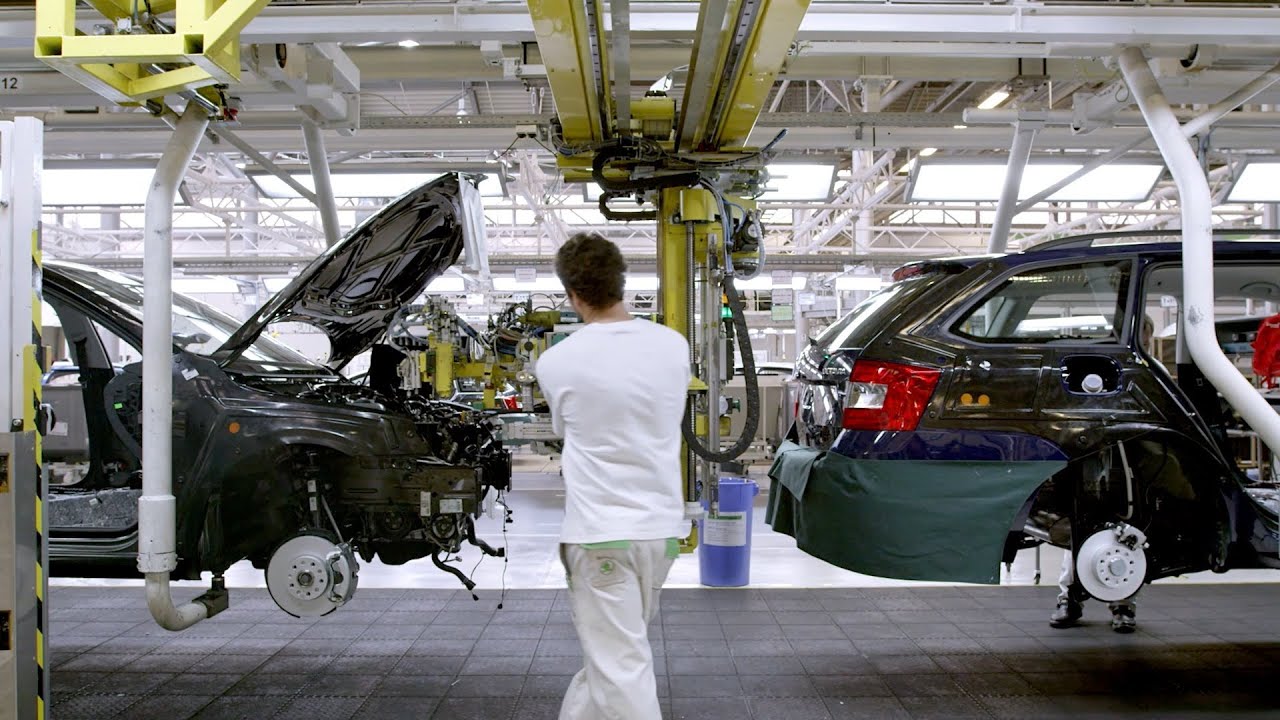
German car production recovers, remains below pre-pandemic levels
Output of new cars in Germany kept increasing in March, but production remains far below pre-Covid-19-crisis levels, Kallanish hears from automotive association VDA.
According to the association’s latest statistics, 373,900 passenger cars came from German assembly lines in the month of March. This is a good deal more than in February (323,600) or in January (262,800). That was partly attributable to a lower number of working days, but VDA also previously cited semiconductor shortages as a major factor. Notably, it does not mention the semiconductor issue in its report for March.
The month marked a turnaround in that it showed a year-on-year increase, by as much as 29% over March 2020, which was already affected by the stoppages of the first Covid-19 lockdowns. Still, the current production figure remains well below those of typical months prior to the crisis, VDA maintains.
For the first quarter, statistics shows a year-on-year drop by 8% to 933,600 units. This reflects a combination of the y-o-y dips in January (-23%) and February (-17%), and the increase in March. However, VDA refrains from calling the March performance a turnaround.
Christian Koehl Germany

Italian stainless scrap rises as demand improves
Italian stainless steel scrap is back in demand, with prices recovering and largest scrap consumer Acciai Speciali Terni said to be ordering a constant flow of material, sellers tell Kallanish.
304 grade stainless steel scrap is being sold at €1,390-1,450/tonne ($1,652-1,724) delivered. Grade 316 remains in short supply and is sold this month at €1,690-1,750/t delivered, sources say. The market was slow to start in April due to the Easter break, but it is now said to be dynamic, with merchants reaching their monthly sales targets. Scrap prices are forecast to increase again in the coming weeks as nickel values are also seen hiking.
Nickel prices are slowly climbing after dropping in March. Offers for nickel cash buyers were at $16,255/t on 26 March and reached $16,778/t on 8 April, Kallanish is told.
Meanwhile, demand for finished stainless products in Italy is particularly strong and prices are increasing for both flats, tube and long products.
Natalia Capra France

UK steel trade with EU plummets in January
United Kingdom steel exports under HS code heading 72 to the EU plummeted to 93,329 tonnes in January, the first month of the UK being outside the EU single market and customs union.
This compared to 195,257t in January 2020 and 266,056t in January 2019, according to HM Revenue & Customs data monitored by Kallanish.
Scrap exports to the EU fell 33% on-year in January to 20,250t, coated sheet exports dropped 64% to 6,246t, hot rolled flat products shipments by 59% to 6,173t and semi-finished product exports by 64% to 5,969t.
UK steel imports from the EU meanwhile fell 15% on-year in January to 212,082t. They were also down 34% from January 2019. The most-imported product category – coated sheet – saw intake fall 34% on-year in January to 25,031t, while HR flats intake fell 16% to 17,564t.
Stainless wide strip above 10mm thick and other alloy wide strip intake totalled 19,290t and 15,865t respectively, down 24% and 42%.
UK steel exports to non-EU countries, meanwhile, rose 16% on-year in January to 198,792t, and were also up 9% on January 2019. Scrap was by far the most-exported product.
Non-EU-origin imports rose 11% on-year in January to 108,473t, but this was down 23% on January 2019.
UK HS code 72 exports to the EU fell 18% on-year in full-year 2020 to 2.26 million tonnes, meaning a monthly average of 188,749t. Imports were down 32% to 2.5mt, meaning a monthly average of 208,520t. These figures were however heavily impacted by the Covid-19 pandemic for much of the year.
Adam Smith Germany

Asian stainless CRC edges higher on firm nickel prices
Asian stainless cold-rolled steel prices gained in the week to April 9, while Chinese market picked up pace, in line with a rebound in futures and nickel prices.
S&P Global Platts assessed 304-grade 2 mm 2B stainless CRC at $2,380/mt CFR East and Southeast Asian ports April 9, up $20/mt week on week.
The official nickel cash price on the London Metal Exchange settled at $16,778/mt April 8, up $628/mt on the week.
Chinese domestic market remained volatile during the week and was up slightly compared with the previous week. But outlook was uncertain due to rising output and more delivery from mills, said a southern China trader.
“Although prices might be supported by raw material costs, some traders want to liquidate inventory to secure the profit amid uncertain outlook in the new term,” he said. The offer level was at around $2,300/mt FOB China for immediate delivery cargoes, a market source said.
Meanwhile, Taiwanese mills held offers on the day and preferred to update offers in the week beginning April 11 after assessing market situation. But Taiwanese mills were not under sales pressure now, thus their prices are unlikely to loosen, said a regional trader.
The most actively-traded June 2021 stainless steel contract on the Shanghai Futures Exchange was at Yuan 14,400/mt April 9, up Yuan 125/mt, or 0.9%, on the week.
— Analyst Yuelin Dai
EU scrap contract prices firm in strong finished steel market
Scrap prices across Europe remained strong as of April 9, as European mills were expected to accept largely unchanged levels on month following a recent rebound in the international scrap market, market participants said.
Demand for finished steel, including rebar, across Europe was heard to be strong, driven by seasonal factors as well as restarted infrastructure projects, sources said.
In Northern Europe, Platts’ April assessment for Northern European domestic shredded scrap was Eur357.50-362.50/mt delivered, down slightly on month from Eur365-370/mt delivered in March.
“There is a strong undersupply for bushelling and prime grades in general and alternatives like HBI [hot briquetted iron] and pig iron are not so price-competitive, so mills have to make do with more shredded scrap, so there’s higher demand than last month for shred,” an EU recycler said. “Even obsolete grade prices won’t tumble, so I can see a monthly rollover to a small drop.”
Contract negotiations between recyclers and Northern European mills were heard to be ongoing amid the shorter working week following the Easter holidays across Europe.
A second Northern EU recycler said shredded scrap deals agreed at the beginning of April were done as low as Eur340/mt delivered, with later deals heard up to Eur365/mt delivered.
“Less than 50% of contracts have been agreed and suppliers are now targeting a rollover [relative to March prices],” the second recycler said.
Platts assessed the benchmark Turkish import market for premium heavy melting scrap 1/2 (80:20) at $431/mt CFR on April 9, up from a recent low of $415/mt CFR on March 24, but down on month from $449.50/mt CFR on March 10.
Platts assessed Northwest European hot-rolled coil April 9 at Eur905/mt ex-works Ruhr, up sharply from Eur752/mt ex-works one month earlier on March 10. A major European producer announced another price increase to Eur920/mt, with sources suggesting that prices are nearing a ceiling.
Platts assessed TSI Northwest Europe Rebar at Eur620/mt ex-works April 9, down from Eur630/mt one month earlier on March 12. Market sources said long steel sentiment was positive, but attributed lower domestic mill rebar offer prices to lower intra-month scrap deals booked by mills, as well as the beginning of the new EU import safeguard quota period started April 1.
The EU import safeguard quota for Turkish-origin rebar over the April-June quarter was being filled up rapidly. Approximately 21,527.59 mt remained available, as of April 9, of the total quota of 59,480.38 mt.
In Spain and Italy, prices remained behind the Northern European market, but the spread between the two regions continued to narrow on month. Prior to January 2021, the Southern European shredded scrap assessment was consistently assessed higher than the Northern EU assessment up to July 2017.
Platts’ assessment for Southern European shredded scrap was at Eur355-Eur360/mt delivered for April contracts on April 9, up from Eur350-Eur355/mt delivered in March. This meant April contracts matched the all-time index high in January 2011.
“HBI [understood to be ex-North Africa] has been sold into Italy at $440/mt CFR, and so it makes more sense indeed to pay for high quality scrap instead,” an Italian trader said. Higher quality ex-CIS HBI was heard to be tradable closer to $480-$500/mt CFR.
Shredded E40 scrap prices in Italy were heard to be firm at Eur360/mt delivered, with prices for the same grade in Spain heard at Eur355/mt delivered.
“There were some expectations of a little correction in the domestic scrap prices but prices in the end stayed firm, and they are expected to go even higher as demand is reported strong,” a Spanish scrap dealer said.
Scrap prices in Southern Europe were expected to remain largely stable in early April, before likely being driven up by the good local demand and activity in the benchmark Turkish import scrap market, one Italian mill source said.
“Demand in Europe of scrap is good, while supply is low. We see good demand of long products from the Far East, because Chinese mills are not offering and Turkish mills are already trying to take advantage of this, which will drive fresh enquiries of scrap in a market that is already tight,” the Italian mill source said.
Italian export rebar offers were heard around Eur550/mt FOB, but some mills were holding back from offering, having filled order books in recent weeks.
End-user sentiment was more optimistic, as data from the construction industry, the main end-use sector for scrap-consuming long steel producers, was more positive, as underlined by the latest IHS Markit Eurozone Construction PMI. IHS Markit is subject to a merger with S&P Global pending regulatory approval.
The Eurozone Construction total activity Index signaled the first monthly increase in output since February 2020, totaling 50.1 in March, up from 45.0 in February, “signifying a fractional expansion in eurozone construction activity,” IHS Markit said. An index figure below 50 suggests a fall in activity month on month.
— Viral Shah, Annalisa Villa

China’s high steel market inventories indicate no shortage of steel supply
Steel inventories held by traders in northern, eastern and southern China as of early April have remained high compared with levels during the same 2019 period, indicating that there has been no shortage of steel supply, despite the output cuts in Tangshan. Furthermore, China’s crude steel output is likely to rebound in April, from late March, incentivized by high steel profits.
China’s economic activities were nearly suspended over January-April 2020 due to nationwide COVID-19 related lockdowns, so early 2019 statistics present a more meaningful comparison.
On April 7, long steel inventories in southern Guangzhou and northern Beijing were 4% and 67% higher than the same 2019 period, although stocks had already dropped 20% and 24% from peak levels in early March, according to local traders. The inventories comprise mainly rebar and wire rod.
In early April, rebar inventories in eastern Hangzhou were 54% higher than in the same period of 2019, despite a 12% drop from early March, local traders said.
Meanwhile, hot-rolled coil inventories in eastern Shanghai, an indicator of the flat steel market, were 13% higher than in early April 2019. HRC inventories in southern Lecong are currently about 7% lower from early April 2019, but local traders said new arrivals had kept coming, so there were no concerns about supply shortages.
Market sources said Tangshan city’s steel output cuts had tightened billet supply to local rolling mills, but overall steel supply in the Chinese steel market had remained sufficient. Moreover, they expected China’s steel supply to increase in April on both a monthly and yearly basis, as utilization rates of pig iron and steel making capacity outside of Tangshan has been rising quickly since early April given the boost from healthy profit margins.
China’s domestic rebar and HRC margins reached a two-year high of $117.90/mt and $138/mt in April, according to S&P Global Platts Analytics.
Some of the market sources said besides the seasonally strong demand, the main reason behind the current increase in Chinese steel prices was market anticipation that steel output cuts were likely to be extended beyond Tangshan in a bid to achieve the Chinese government’s target of reducing steel production in 2021.
However, if utilization rates of China’s blast furnaces outside of Tangshan are lifted to around 90% in April, an additional 10 million mt/year of pig iron capacity would need to be suspended to get China’s annualized pig iron production rates below last year’s level, Platts Analytics’ estimates showed. If utilization rates reached as high as 95%, then an additional 60 million mt/year of pig iron capacity would need to be taken offline.
— Analyst Jing Zhang
Green steel on its way to an auto or other consumer product near you
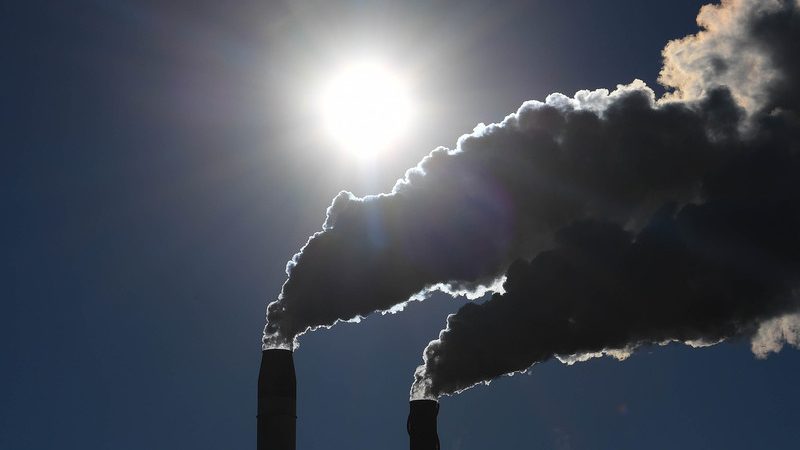
Whether we agree with the rationale or not, the carbon footprint of everyday materials like steel and aluminum is becoming an increasingly important component of consumers’ purchasing decisions.
In the US, some states — like California — have mandated purchasing departments for state projects to report the carbon footprint or CO2 content of the products they buy. The move aims to measure and, if possible reduce, carbon content.
But in the US such moves are still patchy and largely state-led. Meanwhile, meaningful direction from the new Biden administration on the issue is still largely in development.
MetalMiner should-cost models: Give your organization levers to pull for more price transparency, from service centers, producers and part suppliers. Explore the models now.
Europe aims to reduce emissions
In Europe, the EU is coordinating moves to reduce greenhouse gas emission by the steel sector. The EU is providing funding for research and support in the form of infrastructure, such as hydrogen gas supply networks.
In a recent post, our ex-colleague Jeff Yoders wrote a fine piece on efforts by 2 to commercialize reductions in the carbon content of an initially small proportion of its output — just 2% or 600,000 tons per annum — by issuing certificates, which certify the reduction in carbon footprint of their steel that can be used by customers who need to report the carbon content of their supply chain or those that face carbon taxes.
The vouchers allow buyers to show an offset of Scope 3 emissions, which can come from anything in a company’s value chain.
Three scopes
The internationally developed accounting procedure called the Greenhouse Gas (GHG) Protocol categorizes greenhouse gas emissions into three groups, or “scopes.”
Scope 1 covers direct emissions from owned or controlled sources. Meanwhile, Scope 2 covers indirect emissions from the generation of the reporting company’s purchases of electricity, steam, heating and cooling. Lastly, Scope 3 includes all other indirect emissions that occur in a company’s value chain.
ArcelorMittal will achieve certifiably lower emissions in a number of ways, the post reports. That includes identifying material from electric arc furnace (EAF) production powered by electricity from renewable sources. It also includes using only coking coal made from biomass and by capturing emissions and recycling them in a microbial process into chemicals to be used in making plastics and fuels.
The EU is supporting the initiative in a number of countries with funding for research. It is also providing hydrogen supply infrastructure to ArcelorMittal’s Hamburg facility making steel as a direct reduction from iron ore.
Consumers under pressure
Plenty will decry the use of state funds to support such moves. Some will suggest it’s a lot of hot air that will result in wasted investment that is not being demanded by the market.
However, there is plenty of evidence that industrial consumers are under investor pressure to report and reduce the carbon footprint of their supply chain. In addition, they are also looking to use measures of low-carbon intensity as a sales and marketing tool to a public increasingly willing to make purchase decisions on the basis, at least in part, of their perceptions of a company’s impact on the environment.
Volvo, for example, has teamed up with Swedish steelmaker SSAB on the production of “fossil-free” steel automobiles. SSAB will start supplying the first fossil-free steel, based on electricity from renewable energy and green hydrogen, in 2026.
Steelmakers around the world seem, in varying degrees, to be earnest in their intent to reduce the carbon content of their product.
But the challenge is immense.
After electricity production, iron and steel is the second-largest source of carbon emissions. Iron and steel account for some 7-9% of all carbon emissions, according to a recent Financial Times article.
A move to EAF production — responsible currently for about 30% of global steel production — would help. However, there is simply not enough steel scrap to move all steel production to the EAF technology.
Long way to go in China
A larger share of Chinese steel, which in itself is over half the global output, comes from the traditional blast furnace route. Although many of the mills were built in the last decade or so, they still compare poorly from an emissions perspective to Western mills.
China’s mills are responsible for about one-third of the country’s industrial emissions. The sector still produces two tons of CO2 for every one ton of steel. That compares to usually only one ton in Europe.
The European steel industry has seized upon that fact to push for carbon taxes on Chinese steel as a measure to limit imports and increase pressure to improve production processes in China.
Green steel comes from the source
Fundamentally, though, the blast furnace production route can only be made carbon neutral by using hydrogen as the fuel or heat source. For that hydrogen to be fossil-free (i.e., “green hydrogen”) from renewable electricity would require a massive ramp-up in renewable capacity.
In Germany, this comes to 20% of the whole country’s current electricity consumption. It would only be economically viable at a carbon tax of $220 per ton, the Financial Times says.
SSAB agrees. The steelmaker says its own endeavours will result in steel that is at least 20-30% more expensive than current production routes.
Clearly, so-called green steel is not going to be widely available anytime soon.
However, multiple countries and companies are investing hard dollars to achieve it. Furthermore, in large part, the public is supportive.
How supportive it will be when it sees the costs is unclear. But as we saw with wind turbines and electric cars, a mix of state support and early-adopter enthusiasm gradually gets new technologies off the ground. In turn, that allows technology and economies of scale to whittle away at the costs. G
reen steel is here to stay and will likely follow a similar long-term growth path.
Volatility is the name of the game. Do you have a steel buying strategy that can handle the ups and down.
by Stuart Burns on April 12, 2021
Wie sich Europa abschottet
Die EU gibt gerne den letzten aufrechten Verfechter des Freihandels. Tatsächlich aber schottet sie ihre Märkte ebenso ab wie die Amerikaner oder die Brasilianer. Welche absurden Blüten das treibt, zeigt der Stahlmarkt.
Es herrscht wieder Goldgräberstimmung in der deutschen Stahl- und Aluminiumbranche, beinahe wie zu Anfang des Jahrtausends. Jahrelang haben die Stahlöfen Verluste geschrieben. In der Corona-Krise brach der Verbrauch in der EU um 13 Prozent auf 134 Millionen Tonnen ein. Die Tonne Warmbandstahl wurde für 380 Euro gehandelt. Schon Ende vergangenen Jahres aber ist die Nachfrage sprunghaft gestiegen. Fachleute rechnen 2021 mit einem satten Plus von 11 Prozent. Der Spotmarkt ist leergefegt. Der Preis je Tonne Warmbandstahl liegt bei 880 Euro. Ähnlich sieht es beim Aluminium aus. Für die Stahlkocher sind das gute Nachrichten. Der seit Jahren kriselnde Thyssen-Krupp-Konzern macht mit Stahl wieder Gewinn.
Nicht so gute Nachrichten ist die Rally – die Wirtschaftsvereinigung Stahl spricht nach etwas schwächeren Februarzahlen von einer „störanfälligen Erholung der Stahlkonjunktur“ – für die Abnehmer. Sie leiden nicht nur unter hohen Preisen, sondern auch unter langen Lieferzeiten. Statt acht bis zehn Wochen müsse er mit sechs Monaten rechnen, klagte der Präsident des Wirtschaftsverbands Stahl- und Metallverarbeitung und Chef des Zulieferers Stüken, Hubert Schmidt, jüngst in der F.A.Z. Teilweise reichen die Lieferzeiten bis ins dritte Quartal.
© Frankfurter Allgemeine Zeitung