

Iron ore slumps as cutbacks force resale
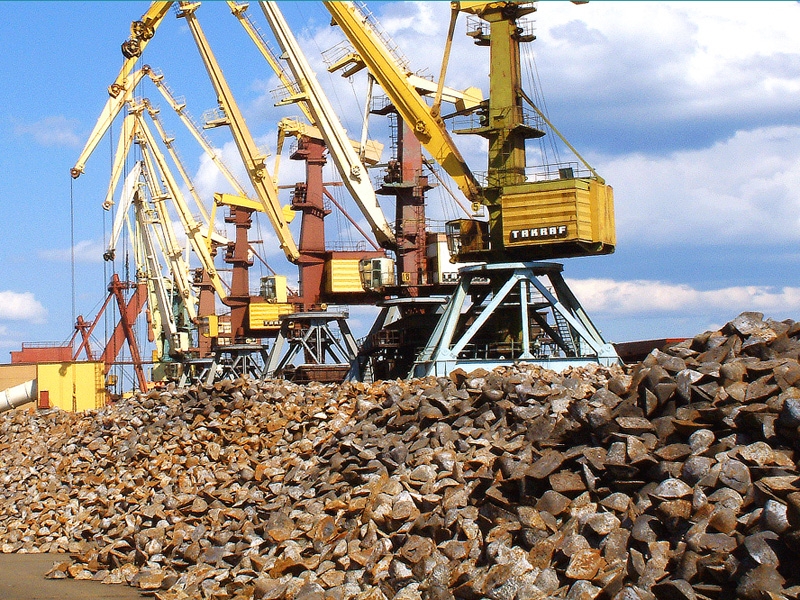
Seaborne iron ore prices fell sharply on Monday as they fell off another step on the road down from their previous unsustainable highs. Restriction policies have undermined sentiment, while some mills have begun selling excess iron ore on the open market.
The Kallanish KORE 62% Fe index slumped $10.66/t to $133.23/dry metric tonne cfr Qingdao, the lowest since 19 August. The Kallanish KORE 65% Fe index collapsed $10.91/t to $153.57/dmt cfr, while the KORE 58% Fe index fell $1.72/t to $109.72/dmt cfr.
On the Dalian Commodity Exchange January 2022 iron ore settled down CNY 19.5/t at CNY 755/t ($116.79/t), while on the Singapore Exchange October 62% Fe futures settled down $11.86/t at $131.12/t. The same contract for 65% Fe and 58% Fe futures settled down $12.09/t at $152.39/t, and down $3.49/t at $107.75/t respectively.
Scrap and billet prices, like steel futures, have not been impacted by the slump. 6mm+ heavy scrap delivered to mills in the Yangtze River Delta increased CNY 3/t to CNY 3,801/t on Monday. In Tangshan, billet prices increased CNY 20/t over the weekend and another CNY 20/t on Monday to CNY 5,100/t.
Production cuts are beginning to have an additional negative effect on iron ore markets. Some mills in southern China are now reportedly selling off iron ore delivered under their long-term contracts. The release of new restriction measures for the winter also confirmed that production levels would be limited for at least the rest of the year and into 2022.

German machine tool industry lifts optimism further
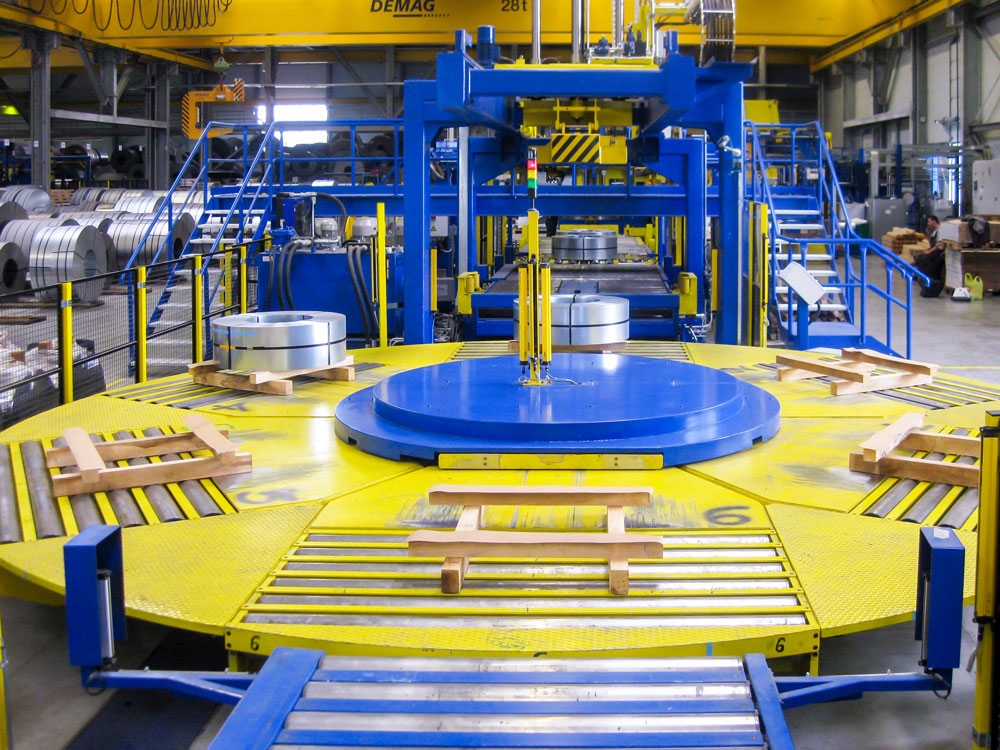
The order intake of Germany’s machine tool builders has recovered more briskly than was expected at the beginning of the year, Kallanish hears from their federation, VDW.
Orders received in the first half of 2021 reached €6.4 billion ($7.6 billion), up 57% on the first half of 2020. The degree of increase is attributable to the Covid-19-induced low base effect. Nevertheless, “the industry has turned itself around with considerably more dynamism than was originally assumed,” says VDW managing director Wilfried Schäfer.
“The picture would be even brighter without the bottlenecks and price increases in supplies of electronics, steel and sheet metal etc.,” says Schäfer. However, further increases in demand are expected – assuming that the global economy continues its recovery.
The main demand is still coming from Asia, and in particular from China, VDW details. The USA is showing increasing signs that order activity is about to pick up strongly. Europe has also revived noticeably, mainly through investment programmes, with Austria and Italy as prime examples. The German market is set to follow suit, albeit with a delay, VDW notes.
Oxford Economics, VDW’s forecasting partner, now puts production growth for full-year 2021 at 8% on-year, two percentage points higher than in the spring (see Kallanish passim). This would bring the volume for the current year to €13.2 billion, still a far stretch from the peak level achieved in 2019 of €17 billion.
Christian Koehl Germany
ArcelorMittal tops PUDS ranking, Konsorcjum Stali closes gap
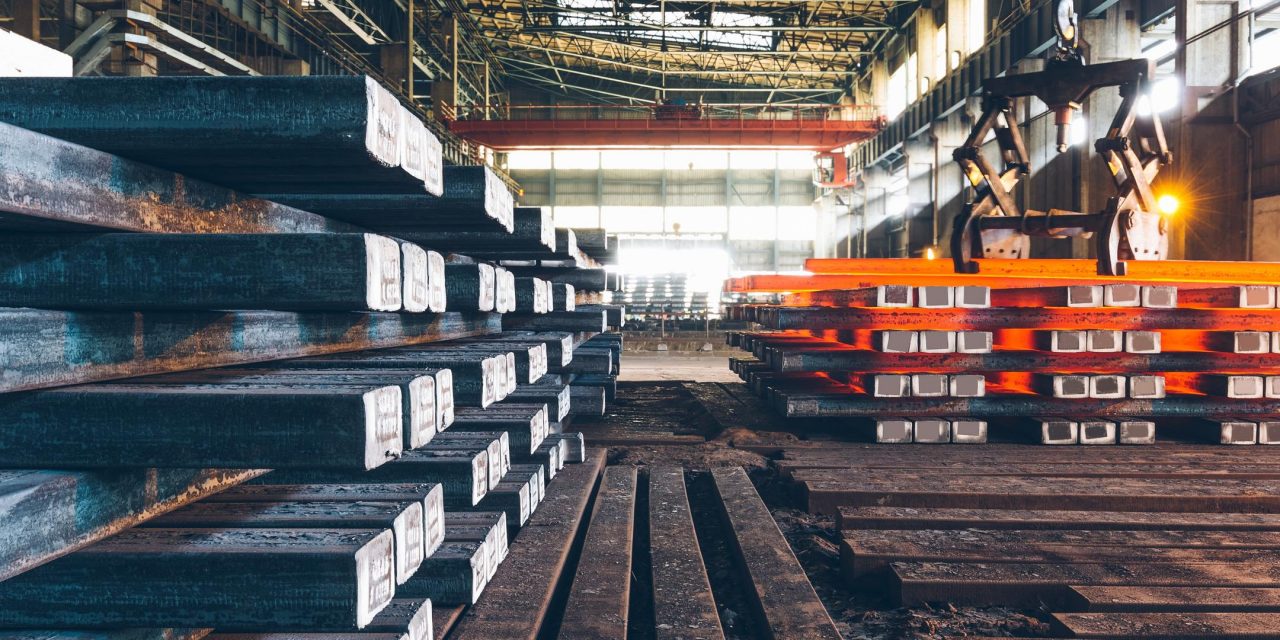
ArcelorMittal Distribution Solutions Polska retained first place in the Polish Union of Steel Distributors (PUDS) ranking of top-performing Polish steel distributors in 2020, Kallanish notes.
The firm sold 1.21 million tonnes of steel, down 17% as Covid-19 hit the market. It also came top in revenue terms with PLN 3.12 billion ($819.6 million), down 12%, but did not provide profit data.
Konsorcjum Stali came second in tonnage terms with 751,000t, up 10% despite last year’s difficult conditions. It also came second in net profit terms, with PLN 48.1m, up 172%, and third in revenue with PLN 1.7 billion, flat on-year.
Bowim was third-largest distributor and the largest listed one in tonnage terms, shipping 510,000t, level on 2019. It was fifth in revenue terms with PLN 1.2 billion, down 8%, and seventh in profit terms, up from tenth a year earlier, with PLN 17.5m, a more than five-fold increase.
Other notable mentions include Grupa Pruszynski, which had the second-largest revenue of PLN 1.73 billion, slightly down on-year, and was first in net profit terms with PLN 108.5m, up 61%. It was fifth in tonnage terms with 290,000t, down slightly on-year.
Gonvarri Polska and Blachprofil 2 were fourth and fifth respectively in profit terms.
New entrant Liberty Commercial came sixth in terms of tonnage with 289,000t, seventh in revenue with PLN 582.2m and ninth in profit with PLN 7.1m.
Adam Smith Germany
Stalprofil grows deliveries but competition hampers exports
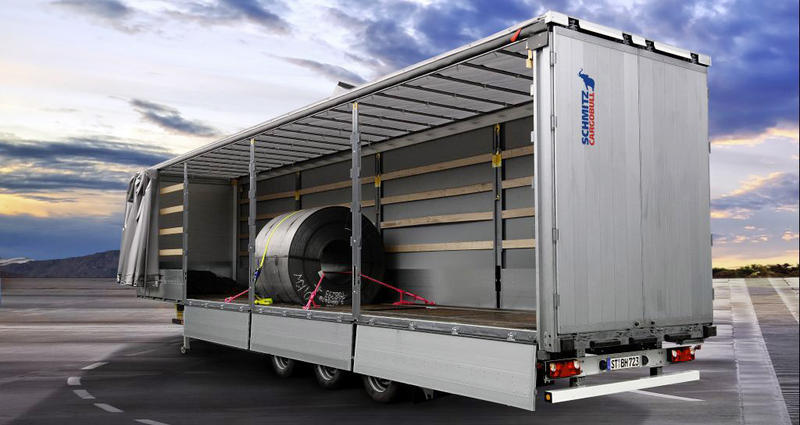
Stalprofil saw steel product sales rise 15% on-year in the first half of 2021 to 94,916 tonnes, thanks to recovering demand, which, coupled with higher steel prices, lifted steel segment earnings. Steel structures sales fell 19% to 978t, Kallanish notes.
Pipe anti-corrosion insulation sales however inched down 6% to 856,481 square metres.
Stalprofil’s consolidated revenue rose 2% on-year in H1 to PLN 767.7 million ($201.5m), while net profit attributable to majority shareholders soared over four-fold to PLN 62m.
Revenue generated in the domestic market rose 14%, taking a 90.4% share in overall revenue, while export sales almost halved, taking a 9.6% share. This was amid competition and influx of cheap steel into the EU from the Far East and CIS, Stalprofil says. The reduced exports were also due to the earlier completion of a pipe insulation contract for Lithuanian natural gas transmission operator Amber Grid. Polish apparent steel consumption rose 19.2% in the period.
In terms of export sales, deliveries to European countries outside the EU28 took a 16.3% share versus only 5% in H1 2020.
Despite the fall in steel structures sales, subsidiary Kolb’s high-margin steel structures for machinery sales rose 37% in H1, lifting Kolb’s profit 110%.
Adam Smith Germany
Acciaierie d’Italia targeting 4.1 mil mt crude steel output in 2021: sources
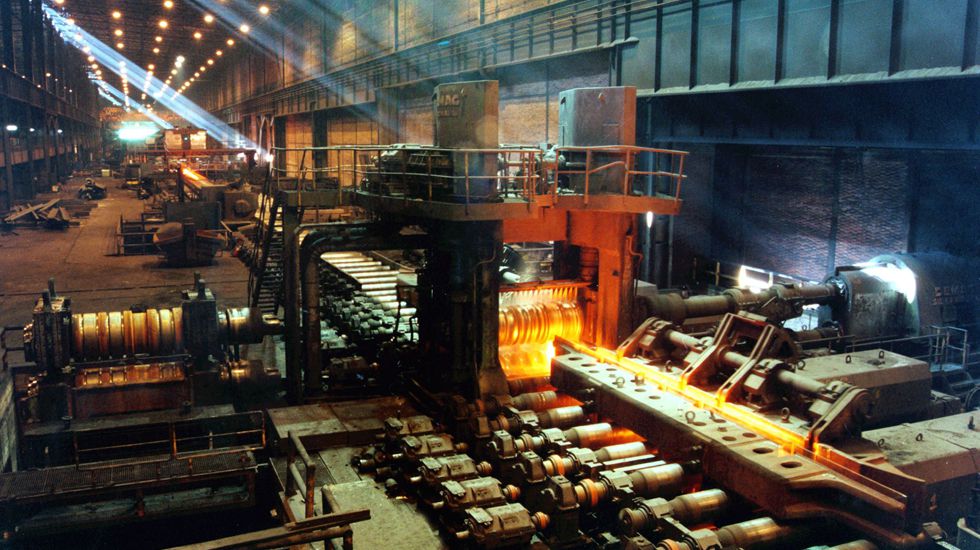
Acciaierie d’Italia, Italy’s largest flat steel producer, was expected to produce 4.1 million mt of crude steel at its Taranto works this year, maintaining an earlier target despite one of its coke batteries having been halted, sources at local unions said Sept. 6.
The company declined to comment on its steel production target but did say coke battery No. 12 started a final phase of environmental upgrade on Sept. 1, and has been shut for works expected to last until the end of 2021.
“This phase requires the production suspension, which has a fixed technical duration at the end of which Battery No. 12 will return to production as normal. The restart of the plant is scheduled for the end of the year,” it said.
According to unions, Acciairie d’Italia — the former Ilva — was producing 14,000 mt of crude steel per day with three Blast Furnaces, BF No. 1, BF No. 2 and BF No. 4, and with three coking batteries, No. 7, 8 and 9, that process coke in 16-18 hours, rather than the 24 hours when battery 12 was working.
Faster coking times typically require higher quality coking coals in the blend, to maintain quality. US coking coal suppliers shipped coking coal to Taranto earlier this year from Hampton Roads terminals in Virginia, according to shipping market data.
Union sources said crude steel production volumes will be the same as previously targeted, due to a mix of faster coke processing hours and the use of imported coke.
Both of Acciaierie d’Italia’s melting shops are working: No. 2 at 80% of its capacity and No. 1 at 50%.
Market sources who are buying from Acciaierie d’Italia said there was relief the company’s output has not been cut. While the market is calm and apparent demand has slowed down, steel supply is still overall tight.
Steel imports from important markets that deliver to Italy, such as India and Turkey, are no longer seen in the market as quotas have been filled while deliveries from Italian producers for HRC and CRC are reported to see long lead times.
— Annalisa Villa, Hector Forster

Stahl-Holding-Saar renames recently acquired Liberty assets
German steelmaker SHS, Stahl-Holding-Saar, has announced the new names for the recently acquired Liberty Rail Hayange and Liberty Ascoval, the company said on Sept. 7.
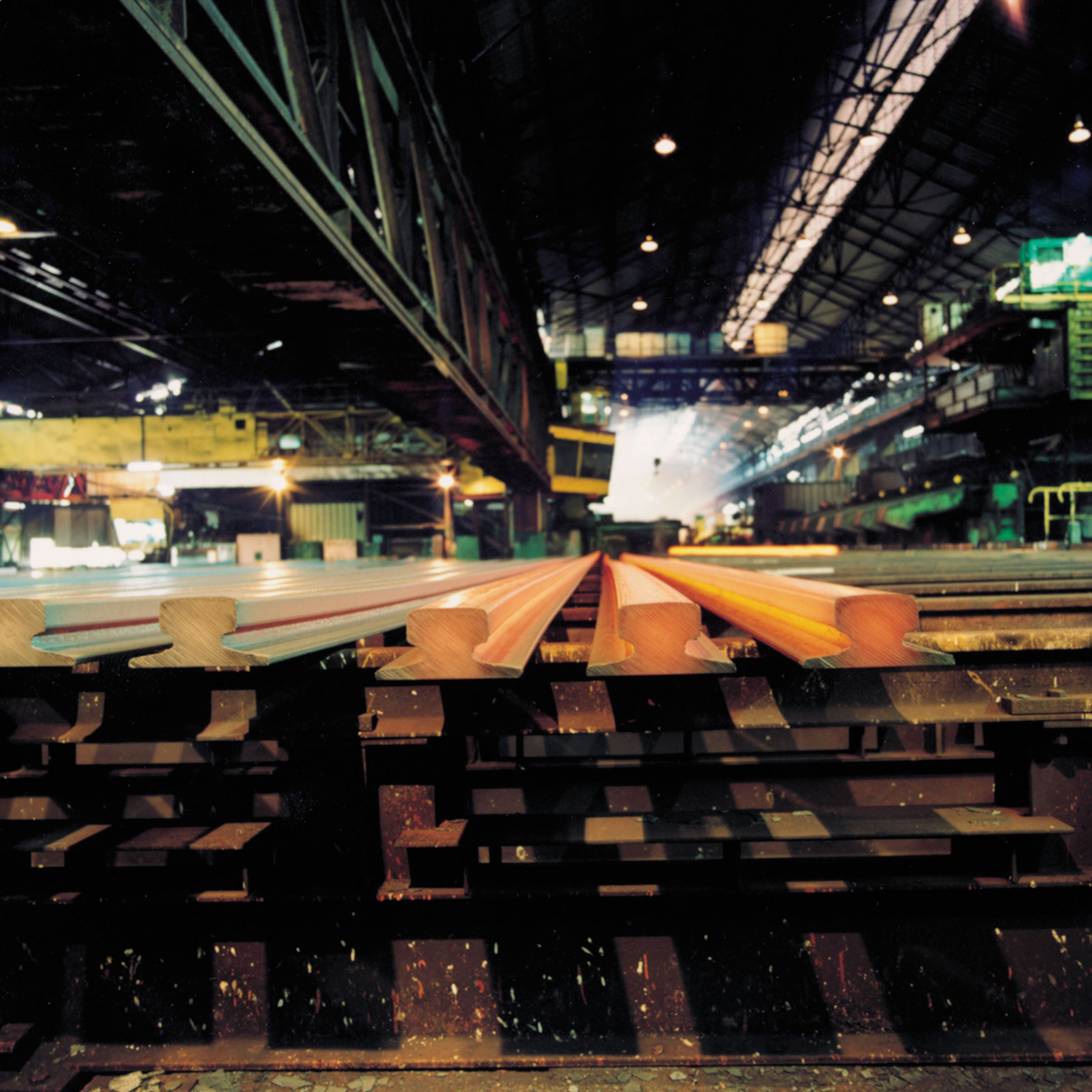
The France-based rail plant at the Hayange location formerly called Liberty Rail Hayange) will be called Saarstahl Rail, while the EAF steel plant in Saint-Saulve, formerly Liberty Ascoval, will trade under the name Saarstahl Ascoval.
“With the selected company names we want to highlight the affiliation of the two plants to the Saarstahl Group and to our corporate strategy, both internally and for the public… [This] is part of the ongoing integration of the two plants into the Saarstahl Group production network,” said Klaus Richter, chief sales and marketing officer of Saarstahl.
The company, which is a major European manufacturer of quality long steel products, underscored that Saarstahl Rail’s rail business will be a key element in the its future strategy: “We want to produce high-quality infrastructure products there and thus actively shape and advance the development of sustainable mobility solutions. With Saarstahl Ascoval, we have also intentionally invested in a new route using electric arc furnace to produce green steel,” Richter added.
On Aug. 5, SHS purchased from Liberty Steel Group the French steelmaking operations Liberty Ascoval and Liberty Rail Hayange to support its move toward production of green steel and to advance its diversification strategy. Ascoval’s production is based on EAF technology, which emits considerably less carbon than the more traditional blast furnace-based steelmaking route.
Hayange, which produces railway infrastructure products, will contribute to Europe’s current drive toward sustainable mobility solutions.
Liberty Steel Group has been seeking to divest some of its assets since the collapse in March of Greensill Capital, the major financier of its parent company GFG Alliance.
Ascoval had been in administration prior to the acquisition of both Ascoval and Hayange by Liberty Steel Group in 2020. Both the Ascoval and Hayange mills had originally been part of British Steel, which entered compulsory liquidation in May 2019 and was purchased by China’s Jingye Group in March 2020. In May this year, the French government loaned Eur20 million ($24.2 million) to Ascoval and Hayange to cover working capital and capital expenditures amid a cash squeeze, according to sources.
— Annalisa Villa
European auto contract negotiations start with prices expected to double on year
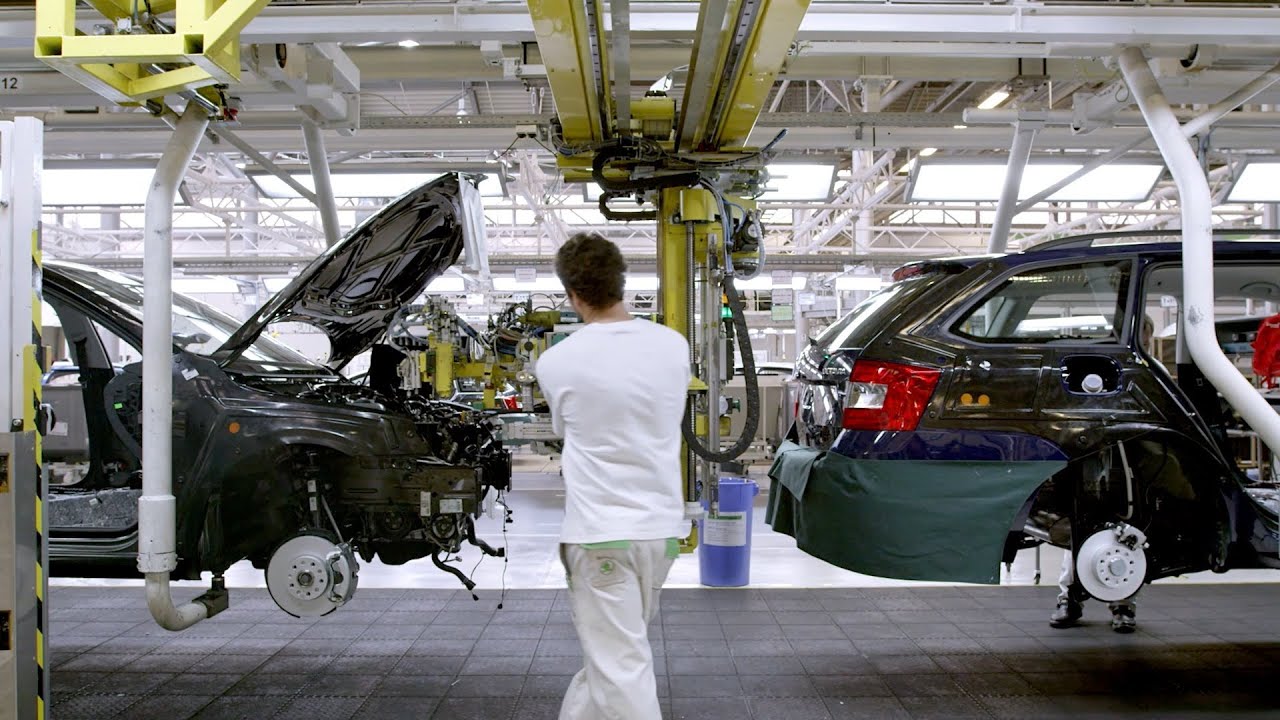
Annual contract negotiations between steel mills and automobile producers are in full swing in September, with finalized 2022 prices expected to double last year’s figures following significant price increases over the last year for most steel products.
With 2021 automobile demand hampered by the acute semiconductor and chip shortage, European steelmakers are looking for a turnaround for 2022 contracts as they hope to regain revenue lost from contracts in place for this year. With the automobile industry still contending with the shortage, sources have noted an influx of hot-dipped galvanized steel availability, with previously agreed allocations now serving peripheral sectors in desperate need of material.
Recent data from German stockholder association BDS showed flat steel stocks rose 8.5% from June, to 1.2 million mt in July.
“The semiconductor issue will go on for some time, and this is freeing up material,” a UK-based mill source said. “Activity levels in August were the worst I’ve ever seen — even taking into consideration the holiday period. People are reluctant to book because we are at the peak of pricing.”
Pricing uncertainty limits volume intake
European hot-rolled coil prices have fallen considerably in the last several weeks due to import pressure and limited take-up from automobile manufacturers, with trading still quiet as buyers remain cautious in anticipation of further price softening.
Since the start of July, North European HRC prices have fallen by Eur62.50/mt to Eur1,120/mt ex-works Ruhr, and in Italy, prices dropped more considerably by Eur94.50/mt to Eur1,028/mt ex-works Italy.
A UK-based service center source said automobile contracts were heard finalized between Eur1,150-1,170/mt ex-works Ruhr, an increase of more than Eur600/mt year on year, and in one case, a mill had asked for as much as Eur1,250/mt ex-works Ruhr.
A Switzerland-based trader confirmed next year’s automobile contracts were likely to double in comparison to 2021, with levels expected to exceed the psychological level of Eur1,100-1,150 mt ex-works Ruhr.
Meanwhile, a Benelux-based mill source said it was still premature to discuss annual automobile contracts, with auto buy-side participants apprehensive about locking in high-priced contracts.
“The automobile industry is in shambles; I don’t know what will happen with their supply chains. They are anxious to step into high-priced contracts,” the mill source said.
German auto output faltered in August
Contract volumes for 2022 were heard to have been negotiated between mills and automobile producers prior to the summer period irrespective of price, with the outcome of these discussions coming up short with less expected volumes. This has led to tension in the market and mills standing by offering higher prices.
“It was always good to do automobile business because you had fixed volumes for a stable price, but now volumes are not fixed and it is difficult to get a deal that assures certainty on longer-term pricing contracts,” the Benelux-based mill source said, adding demand fluctuations had a considerable impact on negotiations.
According to data from the Verband der Automobilindustrie, 193,300 new passenger cars were registered in Germany during August — 23% less than in the same month of 2020.
Data also showed foreign business had relaxed in August, with German automobile producers recording a 21% drop in orders in the past month and domestic production falling 32%, with the decline in production largely due to the supply bottleneck of semiconductors and chips.
A source from a large Italian service center said he was optimistic that prices would increase despite the slowdown in apparent spot demand and said Italian producers had not started any formal negotiations.
Italian spot prices are expected to remain stable during September, with mills focused on maintaining higher prices to secure lucrative automobile contract negotiations.
The same source added that mills will aim to keep prices firm, given there was little pressure from imports as Turkish and Indian quotas were exhausted.
In contrast, HDG imports from Vietnam were heard as low as Eur1,100-1,110/mt CIF Antwerp, with Vietnamese producers not inhibited by the European import safeguard system.
— Amanda Flint, Annalisa Villa