

Italian flats output surges in September
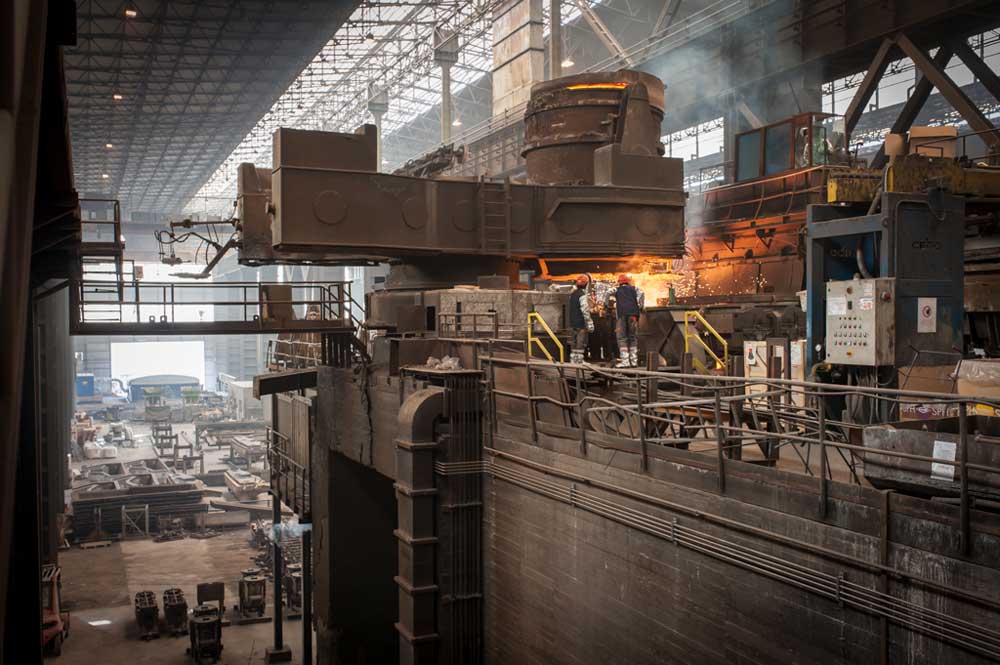
Italian crude steel output increased significantly again in September after rising in previous months, according to data issued by local steelmakers association Federacciai.
Last month, crude steel production rose by 28% year-on-year to 2.3 million tonnes, Kallanish notes. Output also hiked in the first nine months of the year, by 27.6% on-year to 18.6mt.
Italian flat steel production rose by as much as 50.8% to 1mt in September, and by 18.8% to 8.1mt in the first nine months of the year.
Longs output increased last month by 8.7% to 1.2mt, and by 29.6% to 10.2mt in January-September, Federacciai says.
Natalia Capra France


Assofermet asks EU to suspend coil anti-dumping duties
Italian distributors’ association Assofermet has asked the European Commission to recognise the coil supply/demand imbalance in Italy and adopt the same suspension of anti-dumping duties as implemented for aluminium flat-rolled products originating from China.
“Assofermet hopes that the recognition of the current market situation in the aluminium sector may also find confirmation in the case of the EU safeguard on steel imports, in the general interest of the Union and of the companies in the downstream supply chain, distribution, transformation and end-users, to fairly balance the economic interests at stake between the parties involved in the entire supply chain,” the association says in a note sent to Kallanish.
On 8 October, the Commission suspended duties on flat-rolled aluminium from China for nine months. According to the association, the decision does not represent a dangerous precedent for other trade defence cases, as maintained by European aluminium producers. It proves simply that a change of position may happen in “certain situations of recognised extraordinary nature” such as the current steel market situation of strong demand, short supply and extremely high prices.
Assofermet also formally lodged with Italian authorities a request for a review of the EU safeguard system. The association noted that the request was well received by Italian economic development minister Giancarlo Giorgetti. The minister reiterated last week during the Made in Steel show in Milan that the safeguard system no longer works properly and needs revision (see Kallanish 7 October).
Natalia Capra France
Steel prices won’t decrease anytime soon: Irepas committee
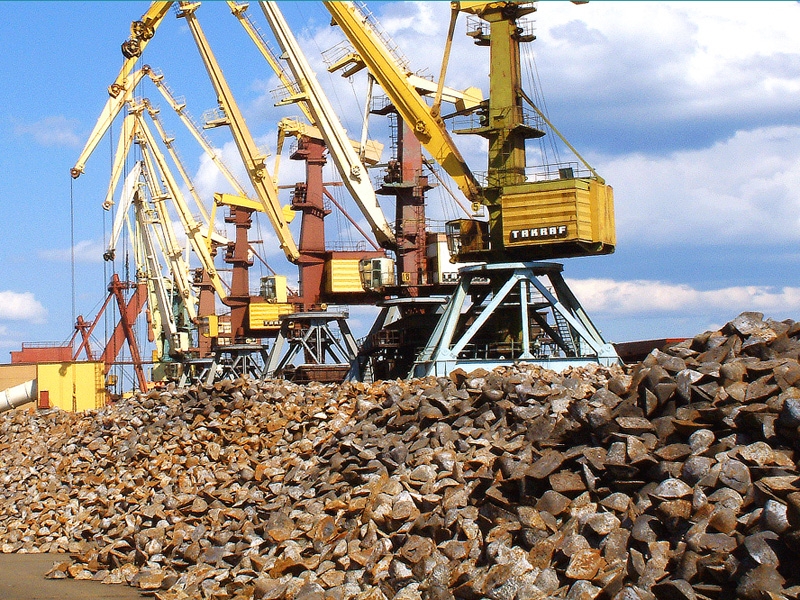
Steel prices will not significantly decrease at least until the second quarter of 2022, as high raw material, shipping and energy costs as well as production cuts in China have been supporting prices globally, said F.D. Baysal, president of Seba International Inc. and chairman of the Irepas traders committee.
Baysal and other participants expressed generally positive views about the market situation at the 85th Irepas meeting. Their outlook for the coming year was also positive.
Highlighting that most producers have been working at high capacity utilization following the ease of the pandemic, and margins have never been better, Michael Setterdahl, board member of GFG Alliance and Liberty Steel said: “It’s a great time to be in the steel business!”
Setterdahl is expecting the market situation will remain excellent in the first quarter of the next year, as steel consumption is growing globally and China is expected to continue to be out of the export markets.
Highlighting that especially high coal and energy prices have been pulling up mills’ input costs, the chairman of the Irepas committee said energy prices and China are important factors for the coming months.
The cost of producing steel is increasing, especially on the energy side, the chairmen said, adding that high freight rates are also another factor in higher costs.
Jens Bjorkman, head of ferrous trade at Stena Metal International, said they are expecting general conditions to continue to improve with the ease of the pandemic and the market will continue to perform well next year.
Highlighting that scrap prices started to improve as of October, from low points seen in September, due to seasonal factors, strong production rates and fairly balanced market conditions, Bjorkman is expecting demand levels will continue to be supportive for scrap prices. “We will see if this will be a trend or we will hit a bump in the road,” he said.
Turkish deepsea import ferrous scrap prices moved closer to $500/mt CFR at the end of last week, with further deepsea cargoes booked. S&P Global Platts assessed Turkish imports of premium heavy melting scrap 1/2 80:20 Oct. 15 at $497.50/mt CFR, up $7.50/mt on day, to reach the highest level since July 6, when the index also sat at $497.50/mt CFR. The index has risen $64.50/mt since a recent low Sept. 28.
Turkish mills have raised their prices gradually to $740-$755/mt in this bullish sentiment, up more than $70/mt since October.
However, imported scrap prices inched down on Oct. 18 as deepsea activity cooled amid mill uncertainty over near-term domestic demand and interest rates. S&P Global Platts assessed Turkish imports of premium heavy melting scrap 1/2 80:20 Oct. 18 at $495/mt CFR, down $2.50/mt on day.
— Cenk Can

Microchip supply continues to limit Turkish auto output
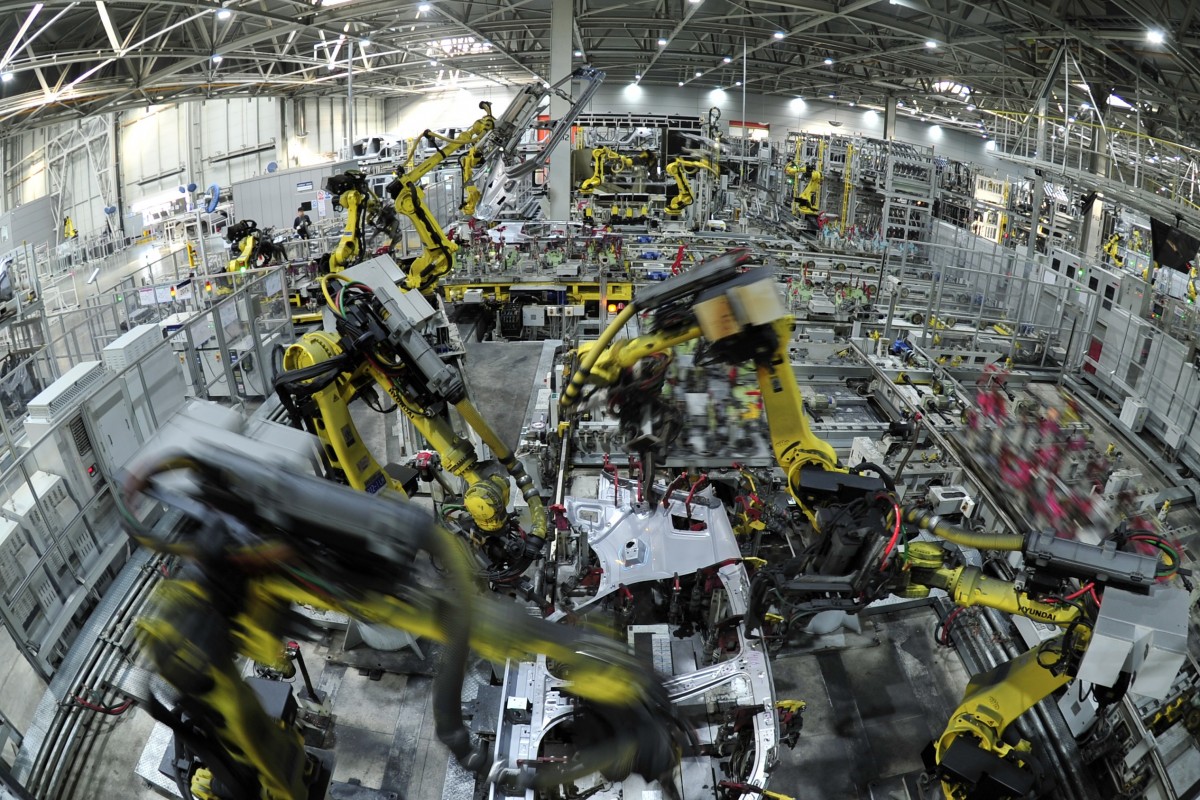
The microchip supply problem that is affecting many sectors globally has continued to reduce automotive output in Turkey, which has also continued to affect the sector’s steel demand.
Following some other major producers’ output cuts in the previous months, Bursa-based Oyak Renault, a joint venture between France’s Renault Group and Turkey’s Oyak – parent company of Turkey’s largest integrated steel producer Erdemir – said it decided to pause output for 14 days as of Oct. 18, due to the microchip shortage.
The company initially paused output for seven days, effective Oct. 18, and added another seven days effective Oct. 28.
Oyak Renault previously paused output at some departments for five days as of Sept. 20, for the second time in that month. Oyak Renault has 378,000 units/year of automobile production capacity and 920,000 units/year of motor production capacity.
Ongoing microchip shortages could continue to impact automotive output in Turkey in the coming months, as the global shortage is expected to continue into 2022, according to industry reports.
The IHS Markit light vehicle production forecast has been cut by 6.2% or 5.02 million units for 2021, and by 9.3% or 8.45 million units for 2022, to stand at 75.8 million units and 82.6 million units, respectively.
“For 2023, we have reduced the forecast by 1.05 million units or 1.1% to 92 million units; this is a frontloaded adjustment and from the second quarter output levels are expected to be able to accelerate as supply chains return to normal,” the IHS Markit said at its latest October automotive research report.
“If this is the case then strong pent-up demand and the pressure to rebuild stock levels is expected to support elevated levels of production in 2024 and 2025, with 2024 now forecast to hit 97.3 million units, up .2% compared to the previous forecast and 2025 forecast at 98.9 million units, an increase of 2.4%,” IHS Markit noted.
— Cenk Can