


European Commission initiated a new review regarding imports of steel products
European Commission on date of 17 December 2021 has initiated a new review regarding Safeguard Measure on Imports of certain Steel Products.
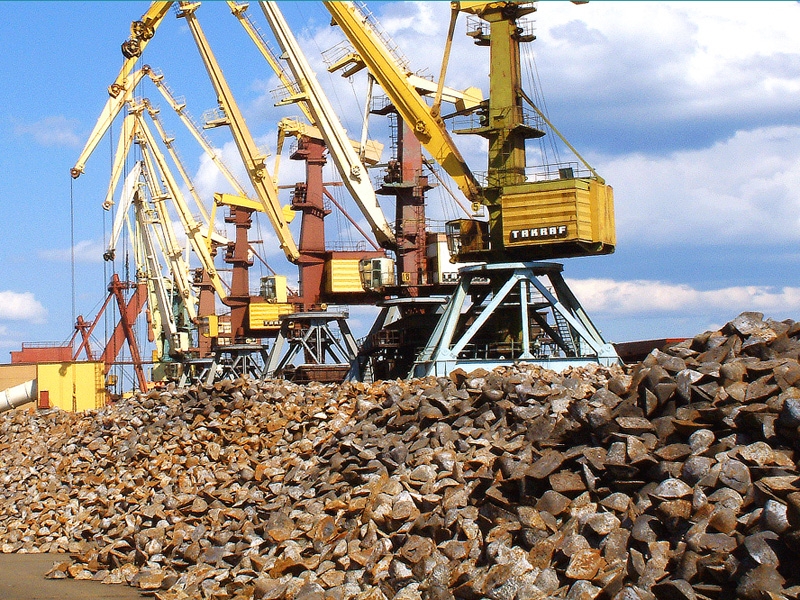
Iron ore jumps on steel output recovery
Seaborne iron ore prices rose on Thursday due to Chinese steel mills increasing production in December, leading to increasing bullishness over prices going forward.
The Kallanish KORE 62% Fe index inched $4.38/t higher to $112.21/dry metric tonne cfr Qingdao. The Kallanish KORE 65% Fe index gained $4.45/t to $130.79/dmt cfr, and the KORE 58% Fe index increased $3.18/t to $84.50/dmt cfr.
On the Dalian Commodity Exchange May iron ore settled up CNY 9/t at CNY 664/t ($104.31/t), and on the Singapore Exchange January 62% Fe futures settled up $4.42/t at $116.95/t. The same contract for 65% Fe and 58% Fe futures settled up $4.36/t at $135.44/t, and up $0.62/t at $83.50/t respectively. Two deals of 170,000 tonnes for 62% Fe BRBF fines were booked at $116.9/t and $117.4/t for January shipment.
Scrap and billet prices started to increase after a period of stability. 6mm+ heavy scrap delivered to mills in the Yangtze River Delta increased CNY 34/t to CNY 3,470/t. In Tangshan, billet was up by CNY 30/t at CNY 4,360/t.
China Iron & Steel Association data shows average daily crude steel output at major Chinese steelmakers in the first ten days of December increased by 12.66% period-on-period to 1.93 million tonnes. This however was a 12.18% decline on-year.
By the end of November, steel mills had basically completed production reduction targets set by the government, and so they have been arranging production restart plans for when steel prices recover. The marked increase in steel production also supported iron ore consumption by steel mills, thereby stimulating the increase in iron ore prices.
Kallanish Asia

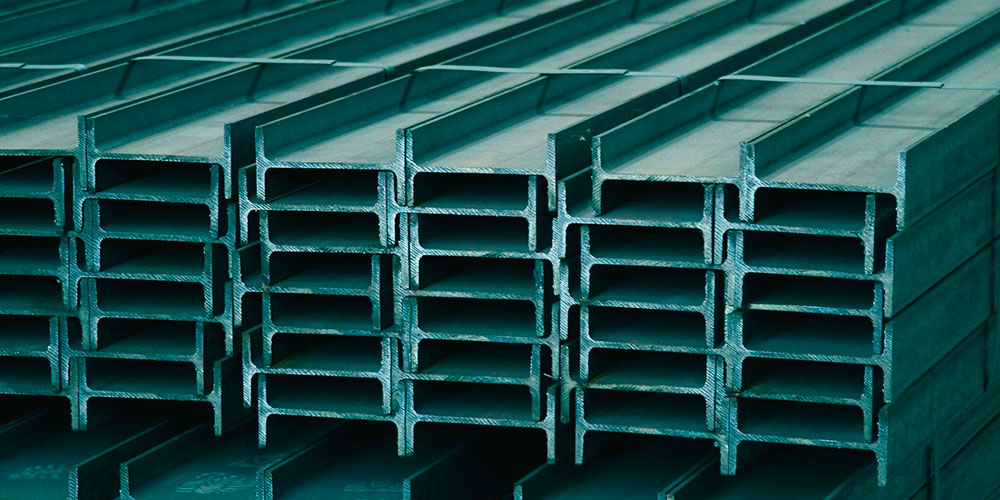
Stockholder activity in Europe drops: EUROMETAL
The latest data issued by European distributors association EUROMETAL confirms the negative growth trend reported during the last months in the market.
October shipments of EU strip mill products from service centres (SSC) dropped 12% year-on-year. Multiproduct distributors saw their shipments decrease by 11.8%.
“When expressed in days of shipments, stocks at EU SSC reached 63 days in October 2021, compared to 57 days in October 2020,” EUROMETAL says in a note sent to Kallanish. “For multi-products distributors stock volumes levelled in October 2021 at 79 days of shipments, compared to 66 days in October 2020.”
Emanuele Norsa Italy

German steel federation starts scrap export statistics
With a new statistical report, German steel federation Wirtschaftsvereinigung (WV) Stahl intends to provide steel scrap foreign trade data.
The report will be published in the fourth quarter of each year and includes key figures on trade flows in steel scrap, among other things, Kallanish learns from WV Stahl.
Against the background of global efforts to achieve climate neutrality and CO2 reduction, questions about the availability of steel scrap are increasingly coming into focus, the federation says explaining its rationale. “For example, it is becoming increasingly apparent that material is flowing out of the EU to third countries. While net exports were still at 3.9 million tonnes in 2015, this figure rose to 13.4 million tonnes in 2020,” it says in a statement.
The statistics will therefore be a tool to survey the market, helping local mills in their interest of retaining scrap in Germany, or in the EU. This and further information can be found in the publication “Steel scrap foreign trade: Statistical report 2021”, which can be downloaded free of charge at stahl-online.de.
Christian Koehl Germany
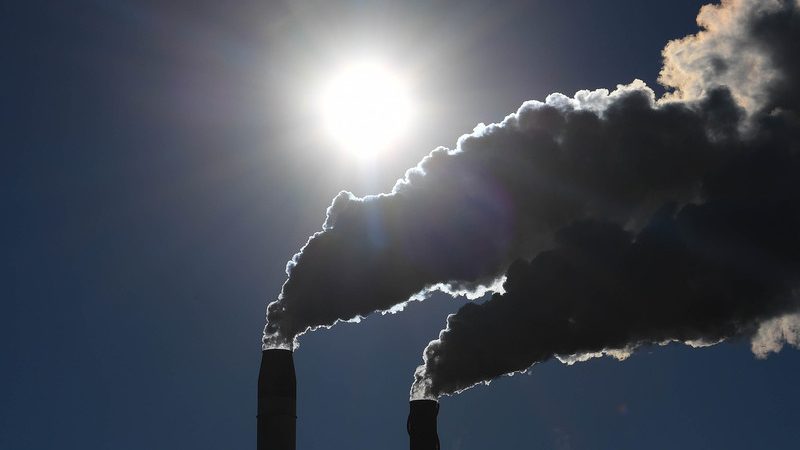
Eurofer seeks slower ETS implementation on spiralling costs
Eurofer has asked the European Commission to reconsider the phasing out of free allocations of Emissions Trading System (ETS) certificates, as increasing costs are hitting the entire European steelmaking industry.
The association warned this week of the negative impact of increasing ETS costs and energy prices on the industry.
“We ask both the Member States and the European Parliament to reconsider the currently proposed ETS free allocation phasing out in close conjunction with the CBAM on the basis of a more realistic impact assessment, or it will become a Trojan horse for the EU’s very own ambitious decarbonisation objectives,” Eurofer director general Axel Eggert says in a statement sent to Kallanish.
Eurofer calculates that the current timeframe set by the EU could mean a single European steelmaker faces in 2030 a €400 million ($452m) carbon cost, even if investments into cleaner technologies are completed by then. At the same time, a non-EU company would bear a cost of “only” €30m, despite the introduction of the CBAM levy at the EU border.
Eurofer explains that the phasing out of ETS free allocations is set at a much quicker pace than the possibility to cut CO2 emissions by steelmakers, creating a threat to future investments for decarbonisation in the sector.
“In the last months, energy-intensive companies that are most exposed to price spikes have already been forced to react by curtailing and/or temporarily closing plants. Gas and electricity prices have been rising exponentially, registering 4-to-5-time increases in comparison with last year. In parallel, carbon price spikes of up to €80-90 have an increasing impact on electricity prices,” Eurofer observes.
Emanuele Norsa Italy
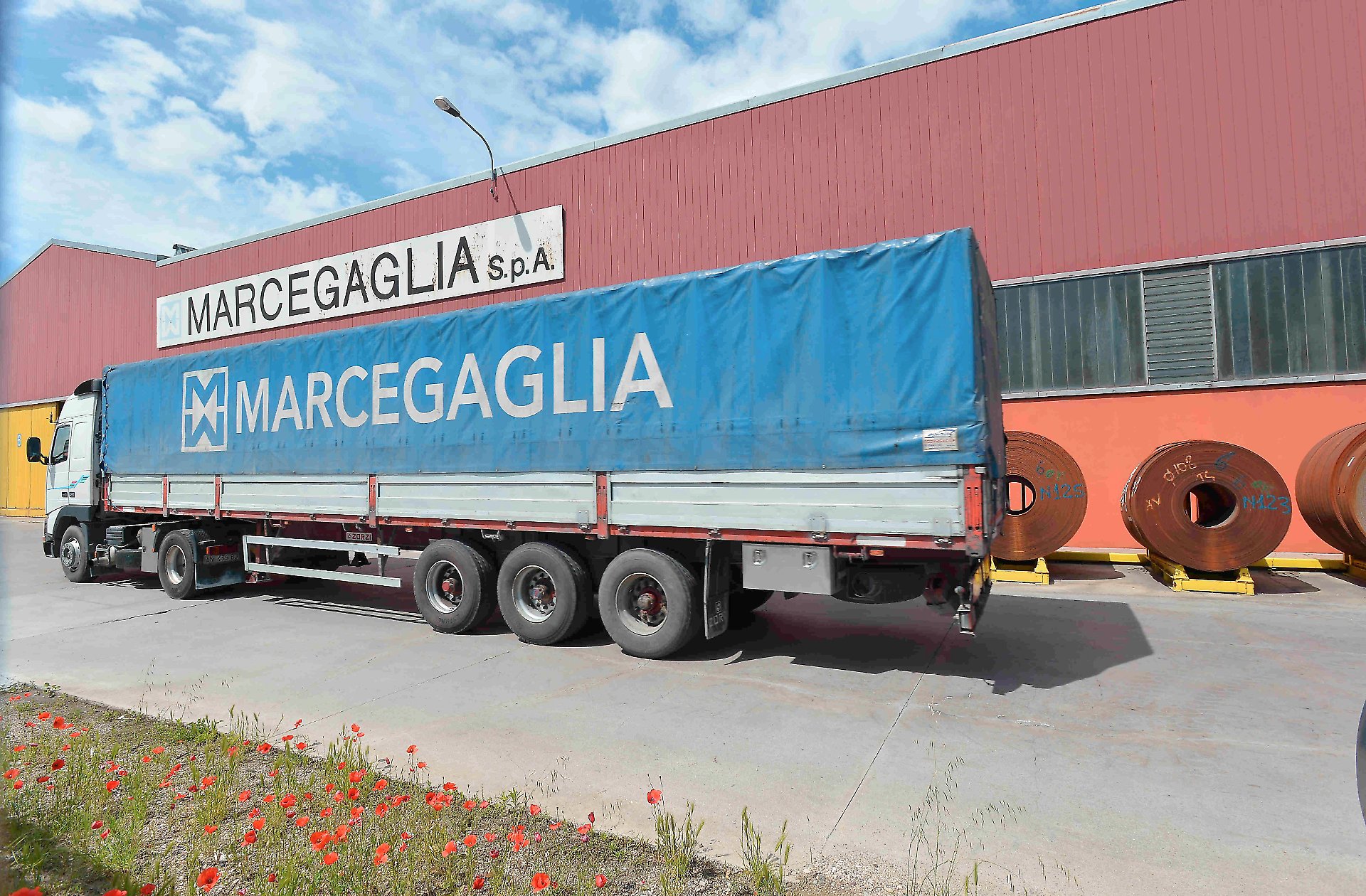
Marcegaglia increases transport charges
Italian re-roller Marcegaglia is pushing up its freight costs for welded tube from black, pickled, polished and galvanized strip, effective from 20 December, Kallanish learns from the company.
Some other re-rollers in Italy are implementing similar moves due to skyrocketing costs of transport and the current shortage of heavy-duty vehicles.
Depending on destination, Marcegaglia’s new cost of transport will increase between €10-30/tonne ($11-33).
European tubemakers expect to face surging costs in 2022 for transport, energy and possibly raw materials. As Italy imports energy from other producing nations, gas and electricity prices have hiked more significantly compared to other European countries, Kallanish notes.
Natalia Capra France

Worthington posts record quarter on strong steel prices
Healthy end market demand and higher average selling prices in its steel processing segment are driving sales growth for Worthington Industries. The company is reporting a record quarter for its fiscal 2022 second quarter ended 30 November.
Columbus, Ohio-based Worthington expects continuing strength in demand moving forward, Kallanish learns from its quarterly earnings report.
Steel processing sales doubled from last year’s quarter to $937.8 million in Q2 as the segment benefited from inventory holding gains. Current quarter inventory holding gains are estimated at $42.1m. The company operates approximately 30 steel processing locations in the US, Mexico, and Canada.
Company-wide net sales were up 69% year-on-year to $1.2 billion in fiscal Q2, and the company says the increase is primarily due to higher selling prices in steel processing. Net earnings reached $110.3m in the quarter.
Worthington notes its optimism regarding its recent acquisition of Tempel Steel, which it says makes it “a global leader in the electrical steel market complementing our existing sustainable mobility offerings in lightweighting and hydrogen and positioning us to more widely serve rapidly growing global markets for electric vehicles and electricity infrastructure.”
Laura Miller USA
ArcelorMittal hikes EU longs on costlier inputs: source
Sources in the European market report that ArcelorMittal has started implementing a €100/tonne ($113) increase on base prices of commodity-grade long products.
The move has been communicated to customers this week. It is triggered by further growth in energy and input costs. Energy prices have continued to increase during the last month, reaching a range of €250-400/MWh, over five times higher than average rates registered in the first half of 2021.
EU Emissions Trading System (ETS) carbon prices have also trebled beyond €80/t in recent weeks. Other input costs, such as for electrodes and ferroalloys, also remain on the rise.
ArcelorMittal’s sales team is also communicating that a further €100/t increase on base prices can therefore be expected in January.
The firm levied an energy surcharge of €50/t for long products in October. Kallanish understands this surcharge will remain in place but it is no longer enough to cover energy and input costs at mills.
The first-quarter-2022 demand outlook remains positive for Europe, especially for long products. Electric arc furnace-based mills across the continent have also started to implement hourly stoppages to avoid paying the higher rate of energy costs, and this could translate to lower availability of steel in the market going into 2022.
Emanuele Norsa Italy
High energy, carbon prices risk undermining EU steel industry decarbonisation: Eurofer
Continued prohibitively-high energy prices, coupled with “skyrocketing” carbon prices of above Eur80/mt ($90.67/mt), risk derailing the European Union’s steel industry’s ambitious decarbonisation plans, the head of European steelmakers’ association Eurofer said Dec. 16.
In a lobbying statement issued ahead of next week’s European Environmental Council meeting, Eurofer Director General Axel Eggert warned he was urging EU leaders to “act swiftly and ensure climate goals are met cost effectively, while preserving the viability of strategic industrial sectors.”
Cheap and un-decarbonized, or “dirty,” imports from China, Russia or Indonesia continue a potential threat to the regional steel sector, Eggert said.
EU ministers will meet in Brussels Dec. 20 to hear a progress report on the EU’s “Fit for 55” climate package, to review the EU Emissions Trading System allowances and discuss battery recycling in the interests of achieving an orderly energy transition.
“Key European industries such as steel cannot bear all the energy and climate costs that we experience today and are likely to face also in the coming years if policymakers do not take the right decisions now,” Eggert wrote. “The EU needs to pursue its decarbonisation target of a 55% emissions cut by 2030 through a sustainable transition that allows the industry to invest and secure a living for its workforce and the millions of households dependent on it.”
Steelmakers including ArcelorMittal Europe and Liberty Steel and British Steel in the UK have recently reduced their production hours or charged energy surcharges on long steel products to combat high electricity and gas prices. According to Eurofer, prices for these inputs have this year risen four to five-fold from 2020 levels.
Carbon prices under the EU ETS have gained 164% since the start of 2021, hitting a fresh record high of Eur90.75/mt CO2e on Dec. 8.
EU leaders need to take into account the implications of the upcoming Carbon Border Adjustment Mechanism (CBAM) and the revision of the EU ETS, Eggert argued.
According to Eurofer’s impact assessment, the additional direct carbon costs for the steel industry – with the combined effect of CBAM/ETS on the free allocation phase out – will be of nearly Eur14 billion in 2030 with business as usual emissions, or Eur8.4 billion euros if the sector is able to reduce its emissions by 30% by 2030 through a proposed Eur25 billion investments in clean technologies.
In practice, this means that in 2030 an average EU steel company retrofitting its plant with clean technology will face Eur400 million carbon costs, while a similar non-EU company exporting its “dirty” steel into the EU market will bear only Eur30 million euros of costs, despite the CBAM levy at the border, Eurofer calculates.
— Diana Kinch


EU HRC stable, buyers see congested ports, other transport challenges
European HRC prices were stable Dec. 16 as the market braces itself for the first signs of a slowdown amid the fast-approaching holiday season.
With mills and stockholders trying to wrap up for the year’s end, discounts have been handed out to try and secure last-minute orders causing less clarity on a unanimous market price, sources told S&P Global Platts.
Market participants were already beginning to feel the slump late in the fourth quarter, with one Italy-based mill source lamenting the lack of upside in what has now become mostly a buyers’ market.
“It seems that the year is closing [on] a weak note with full control in buyers’ hands,” the source said, adding that HRC prices were mostly around Eur840-Eur850/mt ex-works Italy.
Prices like Eur870/mt EXW Italy were only achievable for very small orders, with Eur840-Eur850/mt EXW Italy a realistic workable level for 2,000-3000 mt or more, the same source said.
Meanwhile, a Benelux service center said increasing costs for energy and transport could be a stabilizing factor for prices, with Northwest European mills heard to have enough orders in the pipeline.
A Benelux buyer was holding back purchases because of challenges with transport logistics and the uncertainty around automotive demand, with varying opinions about when the components shortage could ease.
“With the auto situation, most people think it’ll be back at the end of the second quarter,” the buyer said. “There are vessels, truck shortages – transport is difficult, but also ships arriving into Antwerp can’t arrive and need to go to other ports.”
The same source said that the port of Antwerp’s workforce has been confronted with coronavirus quarantine measures, causing further delays for incoming material.
Platts assessed North European HRC prices stable at Eur925/mt EXW Ruhr Dec. 16 and in Italy, prices fell by Eur7.50 to Eur850/mt EXW Italy.
— Amanda Flint