


High UK energy, carbon costs widening competition gap with EU steelmakers
Underlying issues in the energy and carbon systems are giving rise to a broadening competitive disadvantage for UK energy intensive industries (EIIs), the UK-based Energy Intensive Users’ Group (EIUG) said Jan. 7, calling for the UK government to use levers at its disposal to alleviate the pressure on industries including steel.
The government needs to help manage the impact of sustained high energy costs for EIIs, it said in a statement.
EIUG represents UK EIIs including manufacturers of steel, chemicals, fertilizers, paper, glass, cement, lime, ceramics and industrial gases.
“EIUG are calling on government to rethink their approach by taking action to bolster the currently limited EII support package,” the statement said. “Furthermore, the second triggering of the Cost Containment Mechanism must be used to correct carbon price escalation in the immature UK Emissions Trading System.”
A spokesperson for UK Steel, a producers’ group, said that its recent study “shows that we pay 61% and 51% more, respectively, for our electricity than our German and French counterparts [the UK’s two main competitors]. That gap cost the sector GBP 90 million last year.”
Liberty Steel Group said in recent weeks it is operating its UK electric arc furnace only at night due to electricity prices, while other UK steelmakers have been adding an energy surcharge to their product prices.
Carbon costs
The situation has become critical in the case of carbon costs in the UK, which are now considerably higher than carbon costs in the European Union, broadening the UK industry’s disadvantage, the EIUG said.
UK (carbon) Allowance (UKA) futures contracts for December 2022 delivery on the ICE Futures Europe exchange rose to an all-time high of GBP 80.97/mt at the close Dec. 16, compared with GBP 46.25/mt when the contract started trading on May 19, 2021. Converted to euros, this stood at Eur96.97/mt – more than 11% higher than the equivalent EU Allowance price of Eur85.71/mt the same day.
The UK Emissions Trading System is a much smaller market and trades in lower liquidity than its EU equivalent. However, its rules on regulatory intervention are more responsive to excessively high prices. The UK government announced Dec. 31 that UKA prices were high enough in October, November and December to trigger a meeting in January to consider market intervention.
That could include bringing forward auction supplies in a bid to cool the market. The government said it would make an announcement on possible carbon market intervention by Jan. 18 at the latest.
An informed source in the energy sector said he considered the worst may be yet to come in the UK energy sector, with some “big shocks ahead.”
— Diana Kinch, Frank Watson and Andreas Franke


French car output rebounds on-year, lower versus pre-Covid
French automotive production declined in the first nine months of 2021 compared to the previous year, says French carmakers’ association Organisation Internationale Des Constructeurs Automobiles (OICA).
Nine-month production was 1,011,556 passenger cars and light commercial vehicles, an increase of 14% on 2020, the year of the pandemic, but a significant fall of 40% compared to 2019. About 676,113 were passenger cars. This segment’s output increased 7% year-on-year but fell as much as 47% on 2019.
According to data published by Inovev, passenger car production in the country improved slightly in full-year 2021 compared to 2020, by 8%. But it decreased again significantly on 2019 levels due to the effect of the global pandemic and the global components shortage that caused the sector’s output to slow.
France produced 1.5 million cars and light vehicles in 2021, or 37% less than in 2019, Kallanish notes.
Natalia Capra France

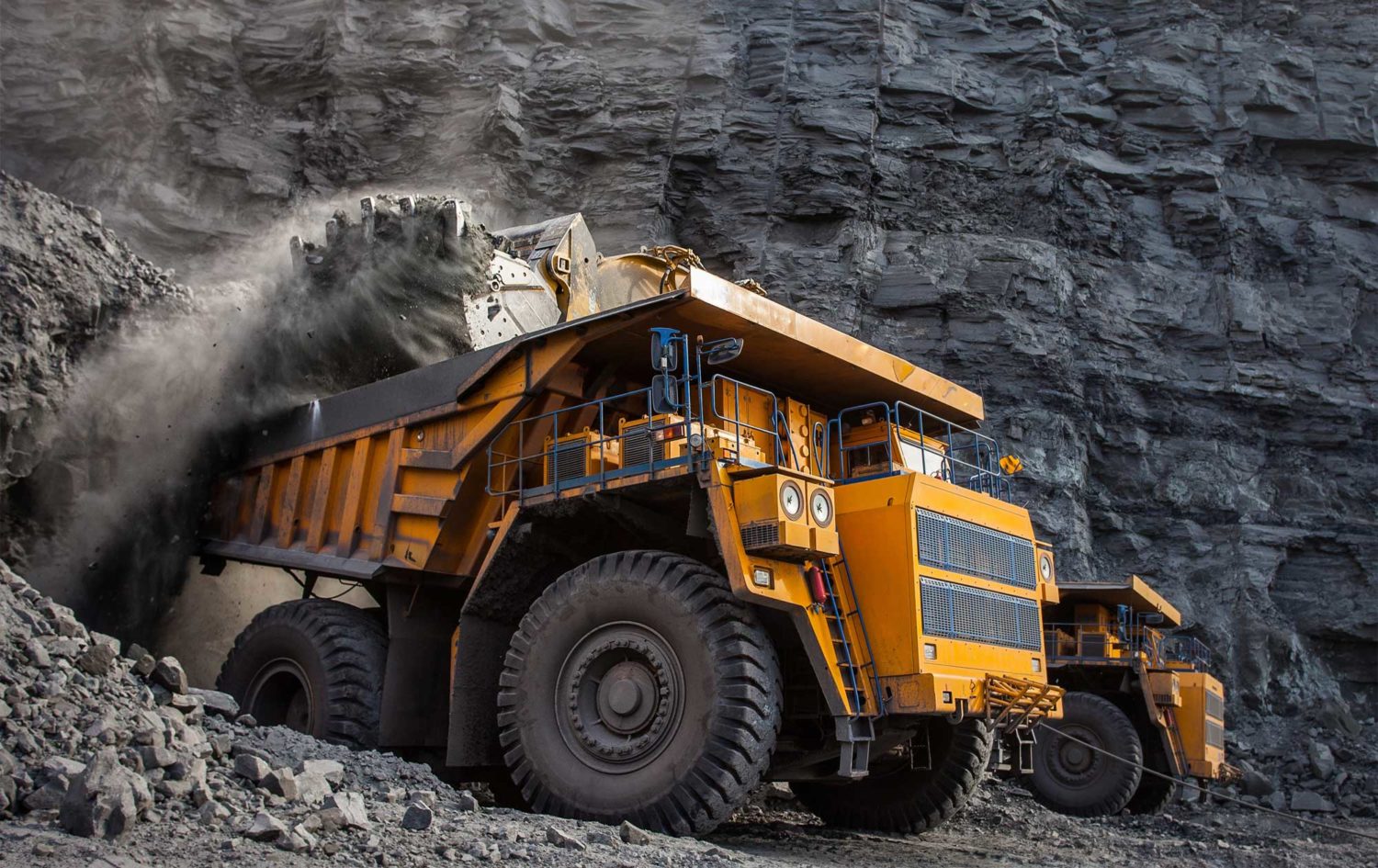
Brazilian miners suspend production on adverse weather conditions
Brazilian miner Vale, steelmakers Usiminas and Companhia Siderúrgica Nacional (CSN), and tube producer Vallourec say they have adopted a special restricting plan for their mining activities in Minas Gerais state, Kallanish notes.
Mineração Usiminas (Musa) temporarily suspended iron production at the Itatiaiuçu mine on 10 January due to rains in the region being significantly more intense than the historical average.
“Activities should be resumed upon the improvement of weather conditions which allow safe access to the mines and proper functioning of equipment, as well as after a review of the general conditions of facilities,” says Musa. For now, the suspension of activities will not affect the supply of raw materials to Usiminas as Musa’s stocks will be used. The miner confirms it has also activated the initial level 1 of alert of the Emergency Action Plan for Mining Dams for its Central Dam, which was deactivated in 2014.
Vale is also taking similar action for its mines in Minas Gerais. The company has partially halted production in the Southeastern and Southern Systems to guarantee the safety of its employees and communities, while monitoring its Minas Gerais dams daily. Vale suspended Estrada de Ferro Vitória train services, as well as shipments from the Brucutu and Mariana complex, where production remains halted.
The heavy rainfall is not impacting the Itabira complex, Vale explains. In the Southern System, due to the closure of stretches of the BR-040 and MG-030 highways, output at all the complexes is temporarily halted.
“The Northern System continues to operate in line with the production plan, which considers the seasonal impact of the rainy season on all operations and, therefore, Vale reiterates its production guidance of 320-335 million tonnes for 2022,” the miner adds.
Also, on 10 January, CSN’s Casa de Pedra mine temporarily suspended operations, with the expectation of a return to activities in the next few days. The company has kept its loading port terminal in Itaguaí closed. “CSN has taken all necessary precautionary measures to ensure employee safety and expects a gradual resumption of activities as soon as weather conditions permit,” says the company.
Meanwhile, Vallourec Brazil says there was no dam failure at its iron ore mining unit, contrary to media reports on Sunday. “Due to the excessive rains of the last few days, the solid material was transported from the Cachoeirinha pile to the Dique Lisa, located in Nova Lima, causing the overflow of this dike, which is close to the BR 040 highway,” Vallourec clarifies. “The dike is a rainwater containment structure and is therefore not a mining tailings dam. The massif is intact and there was no rupture of the structure.”
Other manufacturing industries in Minas Gerais state have also confirmed taking precautionary measures and have signalled a potential reduction in production.
Todor Kirkov Bulgaria

EU mills start signing annual coil contracts
Negotiations for long-term coil contracts between Western European mills and their large customers have dragged on relatively long this year, which is not surprising given the exceptional price moves seen last year.
Meanwhile, various deals are finally heard to have been concluded. And, apparently, the year-on-year premium bargained for so intensely has settled at a value of around €500/tonne ($567), at least for hot-dip galvanized coil. Such is the value heard from a deal between a German mill and a tier 1 automotive supplier, with other deals’ premiums apparently landing at between €490 and €520.
“We have been bargaining for a plus of €480-490, but we would make do if we ended at €500,” a buyer of another automotive supplier tells Kallanish. A common basis reached in last year’s talks for HDG was €600-650/t. This would mean that contracts for 2022 are worth €1,100-€1,150/t, meaning on the upper end, or actually above current spot prices.
For 2021 contracts, negotiations were rushed by mills in autumn 2020, as nobody anticipated the price eruption that would later follow.
Christian Koehl Germany
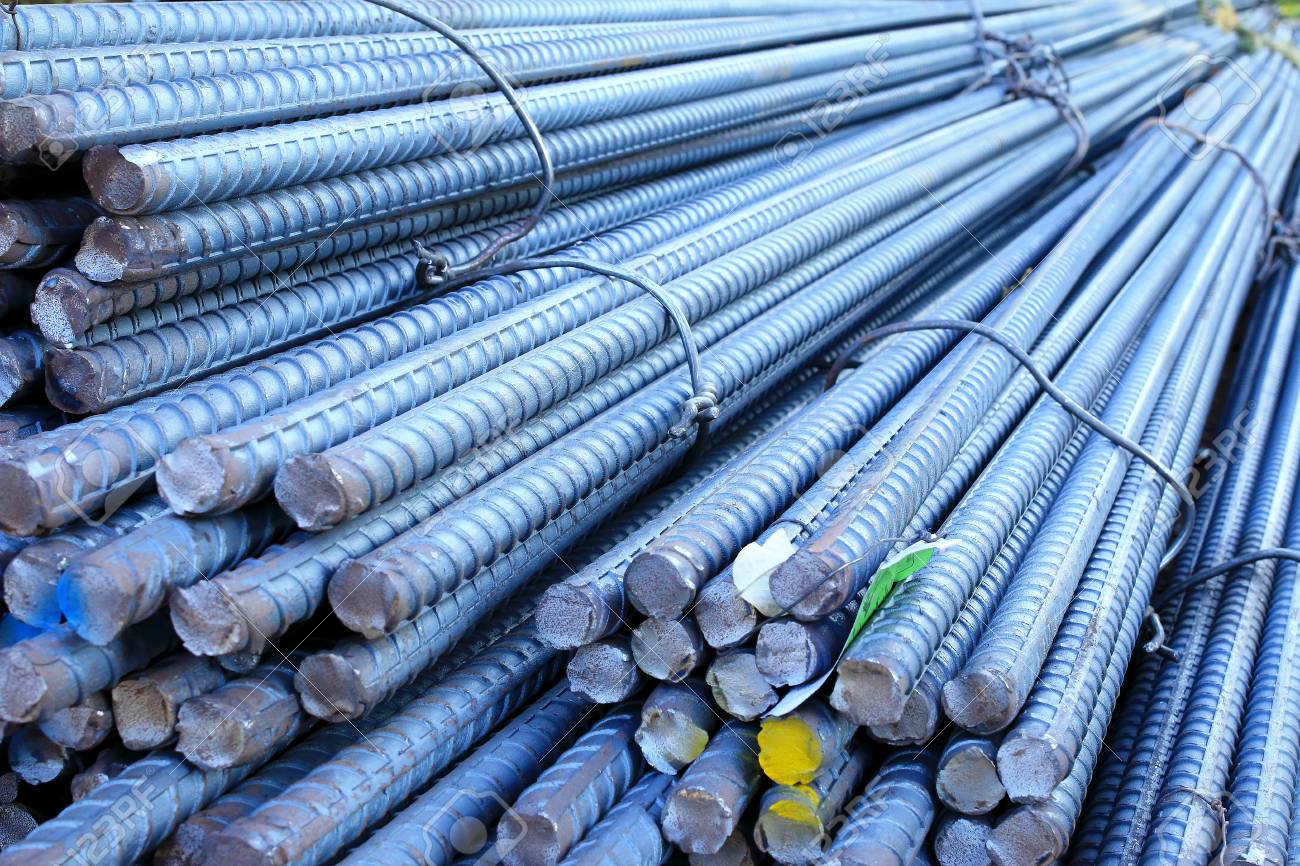
‘Impossible’ downstream prices agitate German rebar market
Several German rebar distributors have expressed dismay over big deals for construction projects struck recently, involving prices at which suppliers cannot possibly break even.
Sources are bewildered about one particular prestige project in a big city over a five-digit tonnage for which rebar supply was apparently awarded at €800/tonne ($907), or slightly more if considering all extras such as transport. This must be set off against rebar purchasing prices of at least €815/t delivered that prevailed in December. Base prices then were €550-570/t, which plus the fixed size extra of €265 would come to €815-835/t.
And, of course, this does not yet include the customary processing services like cutting and bending. On top of that, the restocking price could become unfriendly, as mills are heard reaching out for €600, at least nominally, now that their books are temporarily full.
“A few distributors are stirring up the market with tendering offers for construction jobs between €800 and €840; I have even heard of €790,” one manager tells Kallanish. These offers cannot be justified with low-cost inventories from a year ago, before mills’ prices surged massively. “Nobody has such big warehouses,” the manager is sure.
One source believes big buyers are bidding at such low prices just to starve the smaller benders, to achieve more market hegemony in the long term. “Once you are the only left, you can dictate prices,” he says.
Smaller benders just cannot keep up in a game like this. “Our offers are well above €900, more towards €1,000, but we would have to go under €900 to compete,” he says.
Christian Koehl Germany
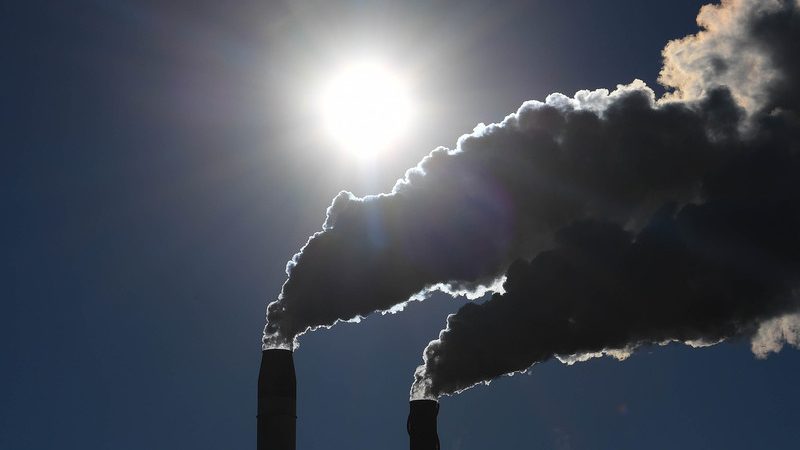
ArcelorMittal demonstrates carbon capture technology at Dunkirk
ArcelorMittal is installing the first large-scale carbon capture and CO2 storage DMX module demonstrator at its French Dunkirk site. The equipment, built by French engineering company ETCI, includes a 22-meter-tall tower that will be connected to the mill.
“This unit will be able to capture around 4,400 tonnes of CO2 per year to treat blast furnace gases at the ArcelorMittal plant and will demonstrate the potential of this technology. The ‘3D’ project is expected to play a major role in enabling industries with high energy consumption and high CO2 emissions, such as steel production, to reduce their emissions,” ArcelorMittal explains in a note seen by Kallanish.
The project is the result of a partnership of 11 firms in six different countries, including research centres, engineering and energy companies, such as ArcelorMittal, Axens, IFPEN, TotalEnergies, AirProduct and John Cockerill.
The project aims at demonstrating the effectiveness of the carbon capture and storage process on an industrial scale.
ArcelorMittal is also considering decarbonising its French facilities by using the direct reduced iron route. The company is working with Air Liquide to develop a DRI and hydrogen connected carbon capture and storage facility at Dunkirk (see Kallanish 17 March 2021).
Natalia Capra France
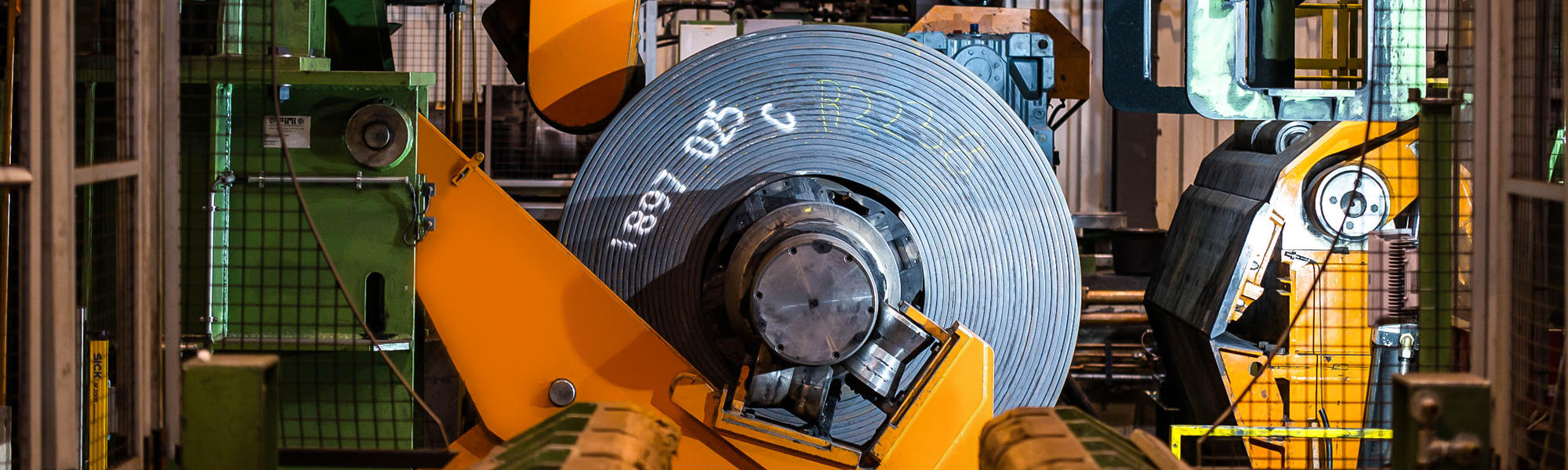
European HRC prices under pressure, market sentiment for Q1 varied
European hot-rolled coil market prices remained stable following the holiday period Jan. 7, amid downward pressure from weak automotive demand and ever-high energy and transport costs, with transaction activity and updated offers not expected to accelerate until next week, sources told S&P Global Platts.
Offer prices from European hot rolled coil suppliers have declined by approximately 30% since their peak midyear 2021, according to a German distributor source, who said he would not be willing to buy HRC for more than Eur900/mt ex-works Ruhr.
The same source said there was a “serious lack of material” in Europe, though an influx of cheaper imports could alleviate some of the pressure. However, the European Commission’s Jan. 10 revision of the safeguard quota system has the market very cautious.
Supply chain participants are waiting for yearly automotive contract negotiation to conclude, though some sources have said the low supplies of semiconductors are likely to continue.
Downward pressure is greater on hot rolled coil values than on cold rolled and galvanized material, the same German distributor said.
“Right now, there is no sign of improvement for hot-rolled coil, it is the worst I’ve seen the market in a long time” he said.
On the mill side, a German mill source was confident about an increase in demand, citing an HRC price at Eur950-960/mt ex-works Ruhr and reporting full order books for January-February.
“The second quarter we will see better demand and higher prices than we are seeing now,” he said. “We are well booked for January and February.”
— Catherine Brown
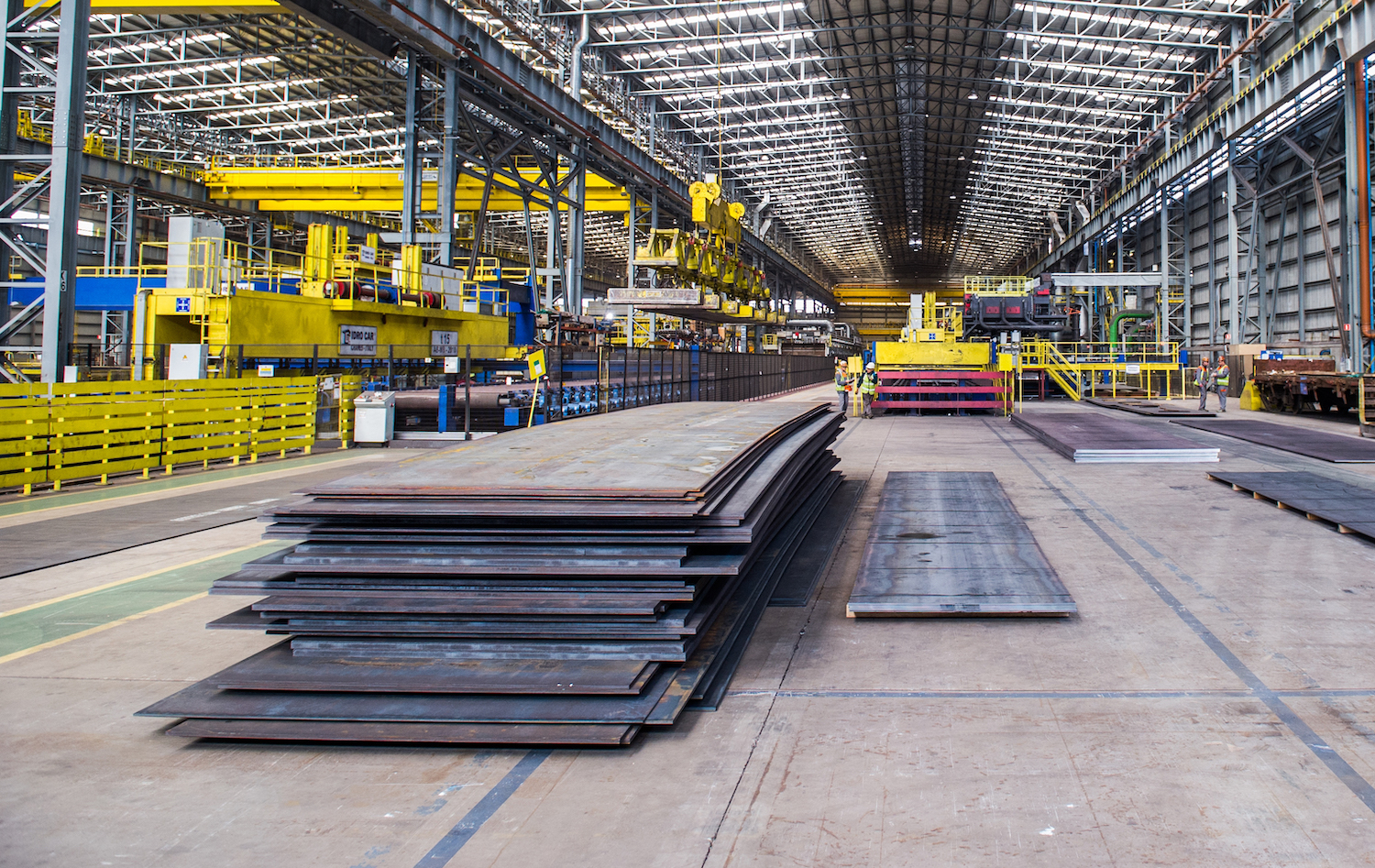
European plate market in stalemate even as demand rises
The European plate market remained stable in the week ending Jan 7, with the market easing itself into the first quarter and very little transaction activity heard in the Ruhr region. Demand was heard to be picking up, however, with wind turbine and infrastructure projects now being finalized, sources told S&P Global Platts.
“Market is not depressed. Machine building consumers are ordering well,” a German distributor said.
Prices from Italian stockholders were heard at Eur880/mt ex-works Italy after coming down from initial Eur900/mt ex-works Italy offers. Projects were heard to be booked at Eur1,000/mt for S355 material from end users, with overall order books “looking good,” according to the same distributor.
Prices for plate were heard between Eur830-860/mt ex-works Italy, though there were no “meaningful signals for new direction yet,” according to an Italian mill source.
Others in the market remain optimistic that demand could improve in conjunction with prices on the back of higher energy costs and the disruptions to logistics, specifically a shortage of truck drivers and available vehicles.
— Amanda Flint, Catherine Brown