


Liberty Steel Liège proche de la liquidation
Le dossier Liberty Steel à Liège continue d’inquiéter les ouvriers de l’usine de Dudelange. Cette dernière a en effet besoin de Liège pour s’approvisionner. (Photo: Guy Wolff/Maison Moderne)https://spkt.io/a/3601716
Le tribunal des entreprises de Liège a annulé sa réunion avec Liberty Steel, prévue vendredi dernier, en raison d’un manque de documents comptables. Le dossier, qui s’envenime, est désormais entre les mains du procureur du Roi.
La liquidation pure et simple des sites de production de Liberty Steel à Liège semble se rapprocher. Vendredi dernier, le tribunal des entreprises de Liège a renoncé à faire le point sur les engagements conclus avec le sidérurgiste en fin d’année dernière lors de la procédure de réorganisation judiciaire. La raison: un défaut de documents comptables qui devaient être fournis par Liberty Steel. Le tribunal a donc transmis le dossier au procureur du Roi. Ce dernier devrait se prononcer dans les prochaines semaines.
Du côté syndical, l’idée d’une liquidation judiciaire se rapproche. D’un côté, elle est redoutée, mais de l’autre, la liquidation puis la reprise des sites par un autre acteur industriel seraient, d’une certaine façon, un soulagement.
«Le dossier va évoluer et il va peut-être se diriger vers une liquidation. Si c’est une bonne nouvelle? Tout dépend du prolongement du dossier. Nous savons qu’il y a eu des intérêts manifestes de la part d’autres opérateurs industriels pour lesquels Liberty Steel n’a jamais répondu. Ce sera peut-être l’occasion de continuer l’aventure avec un autre opérateur avec un projet industriel et un support financier. Dans le cas d’une liquidation et d’une reprise, il faut qu’elle se fasse rapidement, mais avec une solution globale pour l’ensemble du site. C’est ce que l’on souhaite en tout cas», a commenté Jordan Atanasov, secrétaire régional CSC Météa.
En attendant la décision du procureur du Roi, les 690 ouvriers restent dans l’expectative, jonglant avec des périodes de chômage et des périodes d’activité assez courtes. «Le problème reste le même malgré les nombreuses promesses de Liberty Steel. Il y a un manque de liquidité pour les approvisionnements en matière première», termine Jordan Atanasov.
Des nouvelles qui ne vont pas rassurer les ouvriers de Liberty Steel Dudelange. Pour rappel, le site dudelangeois dépend fortement de Liège en ce qui concerne ses approvisionnements et le maintien de sa propre production.

Reduced interest in steel imports in Europe supported by high volumes at ports
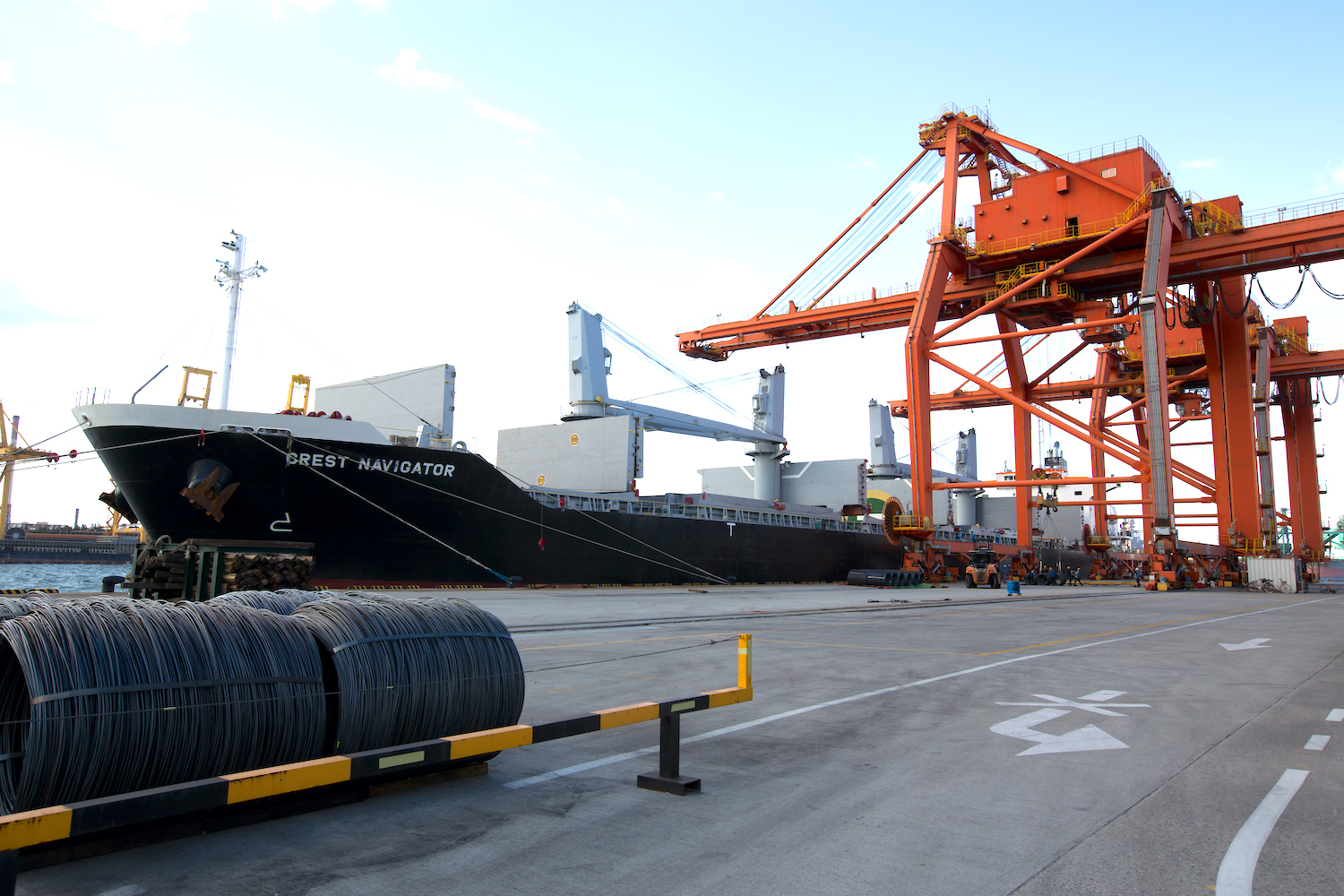
Congestion at European ports is disrupting steel trade flows and making imported material less competitive compared with domestic material, market sources told Fastmarkets.Alongside higher prices, importers have cited risks related to safeguard duties being imposed on volumes exceeding quotas and long lead times as reasons for the lower interest in overseas materials.
Several market participants also complained about the rising costs related to stocking material at ports. The port of Antwerp, for example, has halved the amount of time material can be stocked at the port free of charge, a German trader told Fastmarkets.
“Antwerp has cut the time steel could be stocked for free. It used to be one month; now it is two weeks,” the trader said.
Other European ports have made similar changes, according to market sources.
In addition, ports have increased the cost of stocking material. As a result, some buyers are choosing to custom clear steel before the start of the next quarter because the risks of paying safeguard duties of up to 25% would be cheaper than dealing with the sharp rise in port storage costs.
Since the introduction of safeguard measures in the European Union, importers have preferred to keep their acquired steel in ports and custom clear it when the new quota period opens and fresh allocations become available. But some market participants suggest it might be cheaper to clear the steel stored in ports through customs and pay a safeguard duty, rather than pay increased storage costs.
EU safeguard quotas have been used up quickly across some categories, such as hot-rolled coil, rebar and wire rod. For example, Turkey and Russia used their wire rod allocations for the first quarter 2021 just days after it opened on January 1, and a similar scenario is repeated each time a new quota period opens.
Around 100,000 tonnes of Turkish wire rod is expected to arrive at EU ports by April 1, according to market sources’ estimations. This compares with a second-quarter quota allowance (from April 1 to June 30) for Turkey of around 80,000 tonnes, meaning at least 20,000 tonnes of Turkish material will be a subject to a 25% duty.
According to several sources, ports in northern Europe are now charging as much as €4-5 per tonne of steel per day for storage, pushing up costs for buyers.
Also contributing to the problems are a lack of truck drivers and continuing logistics difficulties within Europe because buyers are struggling to get their material from ports.
“We have faced problems with truck deliveries in Europe for several months now and this problem has contributed to the material piling in ports, and for the same reason, stocks at ports continue to rise. And now buyers face both higher port costs and higher delivery costs,” an Italian distributor said.
On average, it can take three to five weeks to offload a vessel and large EU ports have already increased prices for steel storage, sources said.
“The situation at EU ports is a disaster; you never know when you can actually discharge a vessel,” a European buyer told Fastmarkets.
“One cannot see a horizon in the port of Antwerp because of all the containers built up there,” a trader said.
Fastmarkets calculated its daily steel HRC index, domestic, exw Northern Europe at €961.25 ($1,088.13) per tonne on Friday February 18. This was down €0.54 week on week from €961.79 per tonne, but up €41.03 month on month from €920.22 per tonne.
The calculation was based on achievable prices indicated by market sources and transactions reported at €960-980 per tonne ex-works, and a bid reported at €940-950 per tonne ex-works.
The corresponding price assessment for steel HRC, import, cfr main port Northern Europe was €860-900 per tonne on Wednesday, compared with €860-880 per tonne on February 9.
The assessment was based on achievable prices estimated by market participants and offers from Russia and Asia.
Fastmarkets last assessed steel wire rod (mesh quality), domestic, delivered Northern Europe at €840-870 per tonne on February 16, unchanged week on week.
The assessment for steel wire rod (mesh quality) import, cfr main port Northern Europe was at €780-810 per tonne on the same day, widening upward by €10 per tonne from €780-800 per tonne last week.
But even the substantial gap between domestic and import prices is not enough to spur interest from buyers in overseas steel because of the risks related to the ports situation and safeguard duties, sources said.
Published by: Julia Bolotova, Maria Tanatar
21 Feb 2022 @ 17:28 UTC


Digitalisierung im Stahlservice-Center
16.02.2022 von Dagmar Dieterle
Die Stahlo Stahlservice GmbH & Co. KG mit ihrem Sitz in Dillenburg bietet leistungsstarken Stahl-Service von einem der größten werksunabhängigen Stahl-Service-Center in Deutschland. An den Standorten Dillenburg und Gera werden Spaltband, Zuschnitte, Standardformate, Formzuschnitte und Konturen in allen gängigen Güten gefertigt. Am Standort Nordhausen (Südharz / Thüringen) befindet sich die 100% Stahlo-Tochter Blechservice Nordhausen (BSN).
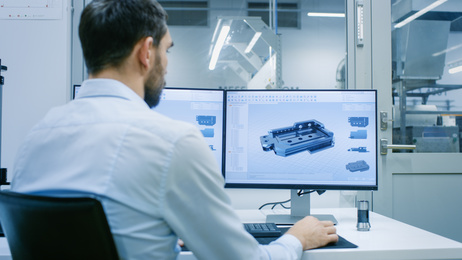 Das Unternehmen gehört zur international erfolgreichen Friedhelm Loh Group, die in 12 Produktionsstätten und 94 Tochtergesellschaften weltweit etwa 11.600 Mitarbeiter beschäftigt.
marketSTEEL sprach mit dem CEO des Unternehmens, Oliver Sonst, über die Digitalisierung im Stahlservice-Center.
marketSTEEL: Wer ist in Ihrem Unternehmen für die Digitalisierung zuständig?
Als CEO habe ich die Digitalisierung bei Stahlo selbst in die Hand genommen. Das liegt nicht nur an der Größe des Unternehmens mit rund 250 Mitarbeitern, sondern auch an der hohen strategischen Bedeutung des Themas. Bei der praktischen Umsetzung im Unternehmen kann ich aber auf auf die Expertise und den CDO der Friedhelm Loh Group zurückgreifen. Meine Kernaufgabe besteht darin, die Ideen und den Nutzen im Ergebnis zusammenzuführen.

marketSTEEL: Wo ist die Transformation bei Stahlo heute schon sichtbar?
Intern ist das natürlich am besten in unserem neuesten Werk in Gera zu sehen. Dort haben wir ein voll vernetztes Materialflusskonzept umgesetzt. Das LVS (Lagerverwaltungssystem) interagiert mit unserem ERP-System. Dabei sortieren programmierte Routinen das Lager vollautomatisch und optimieren permanent Wege und Zugriffszeiten. Dadurch erreichen wir eine enorme Effizienz bei sehr hohen Tonnagekapazitäten.
Aber für Außenstehende sind vielleicht unsere digitalen Dienstleistungsangebote sichtbarer. Werfen Sie einfach einen Blick auf unsere Services auf www.stahlo.de Dort sieht man die Vielzahl von Kommunikationskanälen, die den Kunden offenstehen. Beispiel Omnichannel: Hier entscheidet der Kunde, ob er persönlich und vor Ort von einem Außendienstmitarbeiter oder von einem zentralen Key Account Manager betreut werden möchte, der für alle alle Standorte des Konzerns verantwortlich ist. Dem Kunden wird aber auch die Möglichkeit geboten, rein digital mit uns zu arbeiten, ob am Desktop über Teams oder online über Partnerplattformen von jungen Start-ups.
marketSTEEL: Setzen Sie nicht mehr auf den Menschen als Geschäftspartner?
Doch, absolut! Unsere Vision ist ganz bewusst formuliert: “Wir vernetzen Menschen, Ressourcen und Technologien”. Der Mensch steht klar im Vordergrund und wir arbeiten am liebsten von Angesicht zu Angesicht und live. In den letzten Monaten mussten wir aber schnell Wege finden, um den bestmöglichen Ersatz dafür zu bieten. Die häufigste Wahl war natürlich die Zusammenarbeit über Teams, Zoom oder Webex. Aber wir konnten die Geschäfte für Handel und 2A auch sehr gut komplett online über unsere Partner auf Handelsplattformen abwickeln. In Zukunft wird der Kunde entscheiden, auf welche Weise er mit wem zusammenarbeiten möchte. Auf die junge, digital affine Generation sind wir jedenfalls genauso vorbereitet wie auf persönliche Kundenbesuche, Betriebsbesichtigungen und Gespräche beim gemeinsamen Abendessen.
marketSTEEL: Welche weiteren digitalen Projekte sind geplant?
 Wir sind derzeit an Pilotprojekten zur digitalen Übertragung von Materialeigenschaften und Zertifikatsdaten beteiligt. Dies ist der erste Schritt zur Schaffung eines digitalen Zwillings im Stahl. Das wird DAS Thema der Zukunft sein. Wir müssen in der Lage sein, alle Parameter, die während der Produktion entstanden sind, dem Produkt zuzuordnen. Darüber hinaus müssen wir alle Parameter aus unserem eigenen Prozess automatisch einspeisen und an den Kunden bzw. dessen Datencloud weitergeben.
Ich denke dabei nicht nur an Festigkeit und Dehnung, die sich in jeder Phase ändern, sondern vor allem an Energieverbrauch und Treibhausgasemissionen. Damit “echter” grüner Stahl Wirklichkeit wird, bedarf es der Transparenz in der gesamten Herstellungskette, eines klaren politischen Rahmens, digitaler Validierungsmechanismen und der Glaubwürdigkeit bei der Präsentation dieser Informationen. Hier engagieren wir uns aktiv und vernetzen gezielt Menschen, Ressourcen und Technologien auch zu diesem Thema.
Herr Sonst, wir danken Ihnen für das Gespräch.
Mehr Informationen: www.stahlo.de

Italian car output falls in 2021
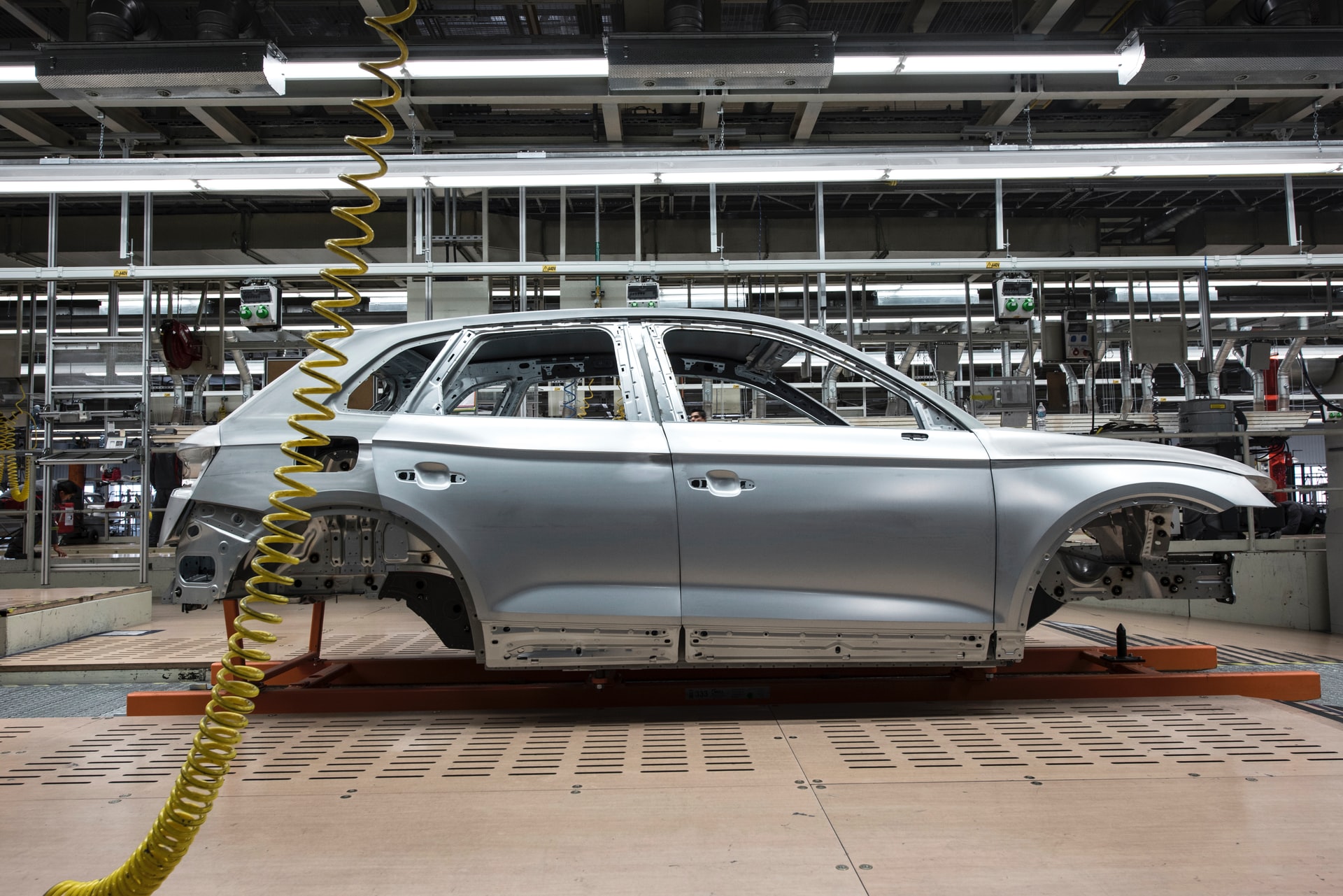
Italian passenger car output decreased by 2.1% year-on-year in 2021. In December alone, production fell 8.5% compared to December 2020, Kallanish notes from local carmakers’ association Associazione Nazionale Filiera Industria Automobilistica (Anfia) preliminary data.
Passenger car production stood at 40,314 units in December and 442,432 units in 2021. Italy’s passenger car production stood at 451,718 units in 2020, the year of the pandemic, versus 542,472 units in 2019, Anfia says.
Italy has 23 production plants. By comparison, Spain has 17 plants, France 31 and Germany 42.
In 2021 output of light commercial vehicles (LCV) was 290,021 units, up by 4.7% on 2020. Truck production increased notably last year to 63,167 units, a y-o-y hike of 31.8%.
Overall automotive production in 2021 stood at 795,856 units. This reflects an uptick of 2.4% compared to the previous year and a significant fall compared to 2019 when production reached 915,291 units, Kallanish notes.
Natalia Capra France


EU imposes anti-dumping duty on China steel fasteners
The European Commission has imposed a definitive anti-dumping duty of 22.1-86.5% on iron and steel fasteners originating in China. This follows its investigation launched in December 2020 after a complaint lodged by the European Industrial Fasteners Institute (EIFI).
The duty rates are applicable to the net, free-at-Union-frontier price, before duty. Product affected falls under HS codes 7318 12 90, 7318 14 91, 7318 14 99, 7318 15 58, 7318 15 68, 7318 15 82, 7318 15 88, ex 7318 15 95 (TARIC codes 7318 15 95 19 and 7318 15 95 89), ex 7318 21 00 (TARIC codes 7318 21 00 31, 7318 21 00 39, 7318 21 00 95 and 7318 21 00 98) and ex 7318 22 00 (TARIC codes 7318 22 00 31, 7318 22 00 39, 7318 22 00 95 and 7318 22 00 98). The broader categories are screws, washers and bolts.
The products are made from HS code 7213 91 90, 7213 99 90, 7227 90 00 and 7228 30 90 steel, meaning wire rod and hot rolled bar/flats of tool steel.
The Commission previously made imports of fasteners originating in China subject to registration by Commission Implementing Regulation (EU) 2021/970. “The Commission noted that, since no provisional measures were adopted, the Commission decided that retroactive collection of duties was not legally possible,” the Commission says in a note seen by Kallanish. “Therefore, all claims concerning the registration Regulation became moot and the registration Regulation is hereby repealed in full.”
The Commission’s investigation period was 1 July 2019 to 30 June 2020. In this time, EU consumption of the product under investigation was 1.75 million tonnes. Imports from China were 209,033t, taking a 12% share of the EU market. Domestic production was 1.06mt, with capacity at 2.31mt, meaning a 46% capacity utilisation. Domestic sales were 1.04mt, taking a 59% market share. Imports from Taiwan were meanwhile actually larger, at 236,636t.
Adam Smith Germany

Pickled HRC benefits most from northwest Europe hike
Prospects are improving for integrated mills in northwest Europe to secure the price increases they are trying to implement for hot rolled coil. However, higher prices may be more likely accepted for pickled rather than unpickled HRC.
Both varieties used to be treated fairly equal in price lists, but a gap has recently opened, as a collateral effect of last year’s enormous price surge. “We have been observing this for more than half a year now,” a manager of a German service centre tells Kallanish. Pickled HRC is not as readily available as unpickled material, which may have to do with high utilisation of capacities for the treatment, he believes.
This could be a valid explanation for the wide range of prices recently given by market participants for HRC, with some citing quotes well below €900/tonne ($1,022) ex-works but others staying well above that mark. “We had lows of €860-870, but only for unpickled coil,” the manager says, and adds that this product may still be available for a little under €900/t now.
Against that, he sees pickled material starting at €930/t, and reaching €980/t. This is in line with other observers in Germany and the Benelux who do not make the pickled/unpickled differentiation, but believe the market is opening up to higher prices in general. As one Dutch buyer puts it, “some offers with relatively low base prices are still appearing here and there, but those opportunities are decreasing”.
Christian Koehl Germany

European stainless coils may increase, June negotiations start
European stainless steel hot and cold rolled coil prices continue to be elevated this month and are forecast to remain strong until June, Kallanish hears from market sources.
European stainless CRC levels start from €4,200/tonne ($4,521) and can go up to over €4,400/t delivered depending on the month of delivery. All mills are quoting end-April and May lead times. Mills and large buyers are now beginning to discuss values for June delivery. Supply shortages and high alloy surcharges may push up prices again for June delivery, sources say.
The Asian price decline for stainless coils seen in the past weeks has generated significant import purchases from countries such as China and Taiwan. Including 25% duty, European buyers purchased stainless CRC from China at €3,500-3,550/t cfr on average in January. The issue with Chinese material, however, is the long lead times of mid-July onwards.
Stainless HRC prices in Europe have stopped increasing thanks to competitive import offers from Asia. HRC is being transacted at €3,400-3,500/t delivered in Italy and €3,750-3,800/t delivered in northern Europe, depending on volumes and customer. Imported HRC can be found at €3,100/t cfr from Asia. Italy is a net importer of stainless HRC and Italian prices are usually lower compared to northern European values, Kallanish notes.
Natalia Capra France
Asian stainless CRC prices rally, pressure Asian demand lower
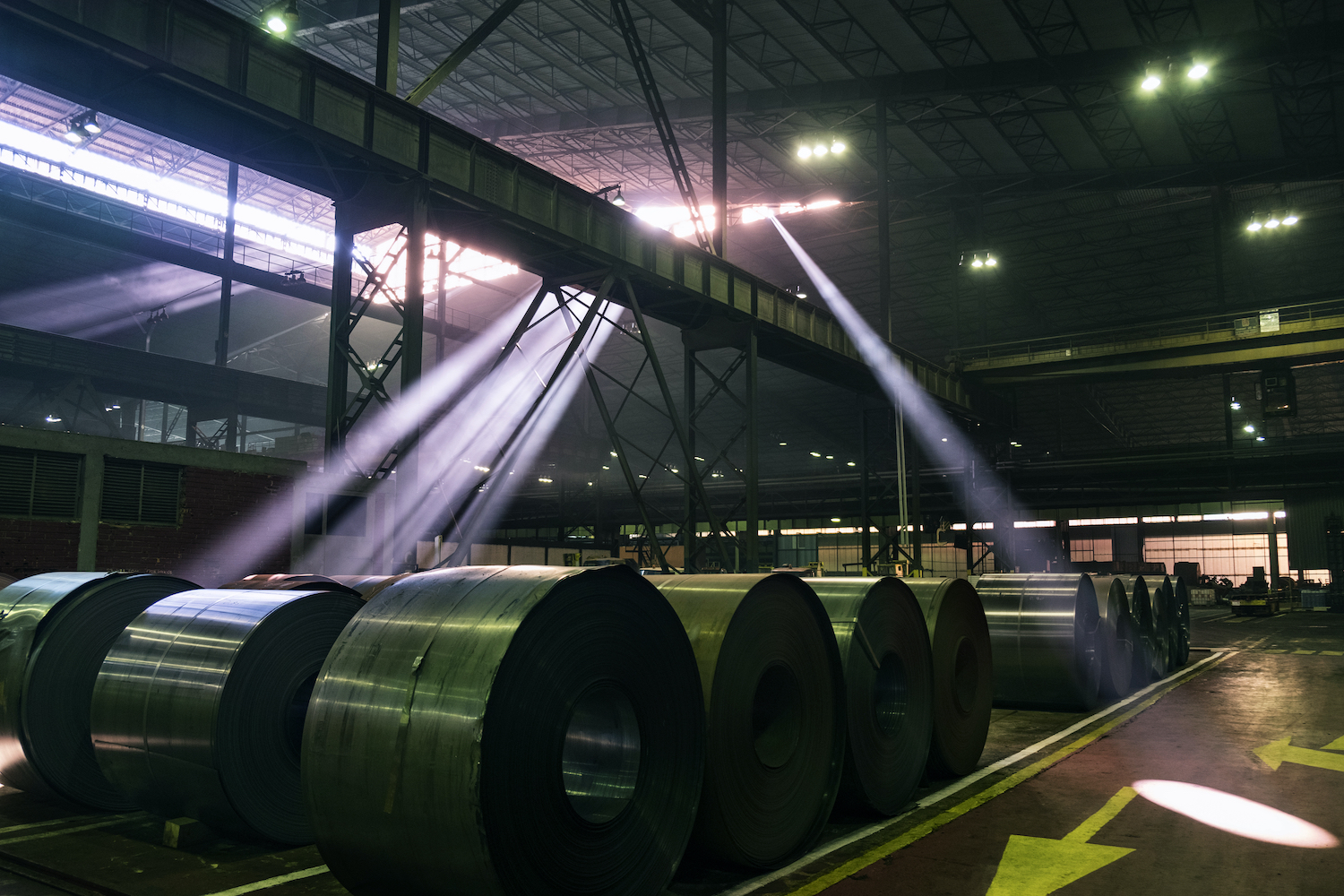
Asian stainless cold-rolled coil prices increased in the week to Feb. 18, with persistent expectations of limited supply pushing prices higher and deterring buyers in Asia.
S&P Global Platts assessed 304 grade 2 mm 2B stainless CRC at $3,220/mt CFR East and Southeast Asian ports Feb. 18, up $15/mt on the week.
The official nickel cash price on the London Metal Exchange settled at $24,147.50/mt on Feb. 17, up $95/mt on the week. In addition to the Indonesian nickel export tax, the supply of nickel from Russia was heard affected by the recent tensions over Ukraine, further weighing on supply concerns.
“Nickel output from Nornickel, Vale and Glencore in 2021 decreased by 7%-18% from 2020 levels,” said a Hong Kong-based trader source. “Production cost for stainless steel is likely to go up since there is so much competition for a limited supply of nickel.”
In the Chinese market, domestic demand was weak as current price levels were too high for buyers. Buyers from Europe were more active and there were more bookings heard into Europe as buyers were heard to be more willing to take up the high freight cost on top of already high prices.
Meanwhile, Taiwanese buyers were also heard to be generally inactive and import volumes were low. Offer levels from Taiwan were heard to be above $3,400/mt on a CFR basis.
“Domestic prices have risen fast, which is usually the pattern seen after long holidays. But the issue is that the rise is too fast that overseas buyers in the Middle East and Turkey are not ready to accept that, so export businesses are still very few,” said a China-based trader.
The most actively-traded April 2022 stainless steel contract on the Shanghai Futures Exchange closed at Yuan 18,540/mt on Feb. 18, up Yuan 240/mt, or 1.3%, from Feb. 11.
— Grace Chiang, Joanne Ju

EU HRC stable, prices expected to rise in Q2
The EU hot-rolled coil market was unchanged Feb. 18 as buyers reported sufficient inventories and costs remained high. The market expects prices to rise in Q2.
The daily Platts TSI index for HRC for Northern Europe was stable on the day at Eur960/mt EXW Ruhr, with the daily Platts TSI index for HRC Italy also stable at Eur915/mt EXW Italy.
A service center source reported full order books largely tied to contract allocation, forecast to last until midyear. According to a mill source, the market is dealing with low end-user demand and long lead times.
Domestic mills stayed firm on higher price levels. A service center source reported an offer heard at Eur1,000/mt, Eur80 higher than a confirmed deal heard on the day.
“The difference between contract and spot prices now is a huge problem … we’re dealing with contract prices Eur60-80/mt higher than on spot,” a mill source told S&P Global Platts.
A service center source also said that the newly added CO2 surcharge to offer levels played a considerable part in the price increase. It was added to offer buyers more transparency. Imports remain unpopular in the European market, with high freight costs and transport delays encouraging a domestic focus.
The impact of geopolitical tensions on steel global supply continues to add to existing near term pricing uncertainty, as if Ukraine’s 4 million mt/year of exports to Europe are affected, then some upward pressure on steel prices is inevitable, sources said.
— Benjamin Steven