


NIM Group buys Plateplus plant in Colorado
Steel service center NIM Group has acquired Plateplus Inc’s plant in Windsor, Colorado, the company announced on Monday February 28.
The terms of the deal were not disclosed but the Windsor plant’s ability to process hot-rolled coil into sheet and plate products adds to NIM Group’s western United States portfolio.
With consolidation continuing to be a hot topic in the industry, NIM Group now has 17 locations in the US with daily deliveries available in 30 states.
Plateplus’ Windsor plant processes hot-rolled steel coil into sheet and plate products.
“We are pleased to welcome the Windsor team to the NIM Group family,” NIM Group president and chief operating officer Arnie Robinson said in a statement. “This facility is a great fit to continue our growth and investment in the western United States.”
By Mark Burgess

Europe HRC steel spread edges up, as steel outpaces higher coking coal, iron ore
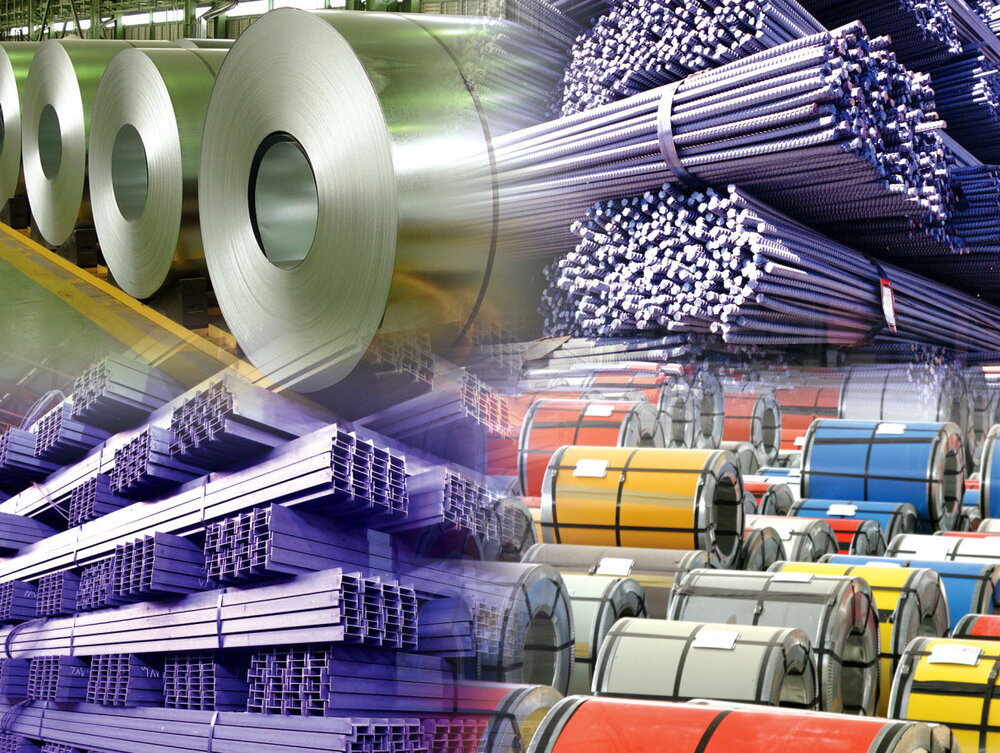
The European hot-rolled coil steel to raw materials price spread edged up 1% in February, rebounding after January’s significantly fall, as steel prices outpaced a rise in coking coal, iron ore and ferrous scrap, according to an analysis by S&P Global Commodity Insights March 1.
The Northwest European HRC steel-raw materials spot spread rose to Eur538/mt ($602/mt) in February, from Eur532/mt in January. The spread had fallen from a record of over Eur795/mt in August, as costs steadily increased, according to S&P Global calculations.
Following Russia’s invasion of Ukraine, market participants are monitoring its impact on steel raw materials availability in Europe. Shortages could lead to potentially higher operating costs, exacerbated by declines in hot metal rates.
European steelmakers strongly depend on the ongoing supplies of PCI coal, or pulverized coal injection, and iron ore pellets from Russia and Ukraine.
Along with steel market demand and forward sentiment, how European steel pricing reacts to steel prices in surrounding markets, which have risen quickly due to a drop in Black Sea steel exports, may determine how margins respond to any cost pressure.
While the indicative NWE steel margin has continued to decline from August, stronger-than-average HRC prices have supported available cash cost margins above typical steel industry levels, according to S&P Global data.
Spot HRC prices have increased supported by higher European mill offers for production and deliveries in the second quarter, and contract demand.
Coking coal prices hit record highs in February, while iron ore prices rebounded. Pellet and lump premiums, high-grade fines and concentrate prices and demand got support from wider 62%-65% Fe fines spreads and buying interest in lower alumina ores.
Higher raw materials costs further boosted the overall cost of pig iron produced in Europe, as higher European shredded scrap prices lifted steel costs.
S&P Global tracked costs using major steel feedstock cost references, including a basket of iron ores with high-grade fines, lump and pellets typically consumed by NWE blast furnaces.
HRC, iron ore prices rise
The NWE HRC spread averaged around Eur645/mt in Q4, down from Eur771/mt in Q3 and Eur695/mt in Q2, according to S&P Global.
Platts NWE HRC prices averaged Eur959.25/mt ex-works Ruhr in February, up 3.5% from January. In July, monthly average pricing hit a record high of Eur1,172.64/mt ex-works. Platts NW Europe HRC was assessed at Eur960/mt ex-works Ruhr Feb. 28.
Spot prices for commodity-grade HRC are not fully reflected in sales and deliveries by steelmakers, due to earlier negotiated pricing terms and long-term contract pricing.
Iron ore import prices in China, used as a benchmark for global contracts, rose further in February on stronger forward demand and interest in securing higher quality products.
Prices averaged $141.99/dry mt CFR China for benchmark Platts IODEX 62% Fe fines, up 8.3% from January.
Spot lump ore premiums in China rose 24% to 34.16 cents/dmtu, or around $21.35/dmt, in February, more than double the lump premiums in November and December.
Platts Atlantic blast furnace contract pellet premiums in February remained at $66.50/dmt, tracking contract premiums and pricing terms settled for Q1 volumes. Premiums rose from Q4 average of $55.50/dmt.
Coking coal prices on a delivered net forward basis into Rotterdam in February rose 8.9% to $460.31/mt CFR Rotterdam, a record high for the price reference using Capesize vessel rates from Queensland.
Regional northern European shredded scrap prices increased to Eur430/mt last month, from Eur405/mt delivered basis in January.
China, US spreads
In China, the spread between HRC export prices and imported iron ore and coking coal costs rose to $335.48/mt in February, from $313.31/mt in January, on higher steel prices.
Even with higher raw materials costs, a mix of supply disruptions and steady demand for steel in various sectors is keeping prices and offers relatively strong, with stronger indicative profitability.
China HRC spreads remain stronger than a year earlier, and higher than 2020 levels, which were below the $300/mt mark.
The unraveling of record-high flat steel prices in the US back toward levels in other global markets punished indicative margins. US HRC to Midwest shredded scrap spreads fell sharply to $678.41/st in February, from $966.98/st in January.
US flat steel prices declined, moving in line with HRC in Europe and other regions.
S&P Global’s Europe HRC to raw materials price spreads are indicative operating margins that do not account for inland logistical costs, power, natural gas or other blast furnace and steel-making inputs, such as ferroalloys, anodes, and refractories. Costs to operate sintering and coke plants are not included.
There may be further upward pressure on typical operating breakeven levels at regional blast furnace mills, due to higher energy, carbon permit, and logistical costs.
Before the pandemic, an HRC-raw materials spread of Eur250/mt was described as close to operating breakeven for commodity grade steel, based on operating facilities at higher capacity utilization, according to steel industry sources. However, with higher logistics, trade financing, operating, and facilities costs stemming from the sudden shutdown of furnaces and mills in 2020, industry costs have risen. In 2019, the Northwest European HRC spread averaged Eur241/mt.
Breakeven levels in Europe are partly dependent on the mix of logistical costs and raw material configurations.
S&P Global’s estimated European HRC spreads are based on commodity-grade flat steel specifications. Contract steel sales may have additional grade- and specification-based premiums, and terms may lag spot indexes.
Producers with higher grade steel portfolios may be less exposed to commodity-grade steel margins against underlying steel raw materials costs.
— Hector Forster


Ukraine’s largest steelmaking company Metinvest declares force majeure
Ukrainian mining and steel company Metinvest, which normally manufactures around 40% of the country’s steel, declared force majeure March 1 due to the Russian invasion, the blocking of sea shipments and a ban on cross-border payments.
“We regret to inform you that, like many other Ukrainian and Ukraine-related companies, Metinvest enterprises are facing what we consider to be a force majeure situation,” the company said in an address to clients and partners.
“The ongoing hostilities in Ukraine, military blockades of sea ports, destruction or threat to land infrastructures could impair the performance of our contractual obligations,” it said.
Martial law was declared across Ukraine on Feb. 24. In addition, the National Bank of Ukraine imposed a moratorium on cross-border payments.
“Please consider the above as a declaration of force majeure,” the company said.
Metinvest suspended hot-end and rolling operations at its two iron and steel works — Ilyich and Azovstal in Mariupol — in the wake of Russia’s military invasion of Ukraine on Feb. 24.
In 2021, the company provided just over 40% of Ukraine’s 21.4 million mt of steel output. It also produced 31.3 million mt of iron ore concentrate.
Ukrainian iron ore miner and pellet producer Ferrexpo already declared force majeure, while another major steelmaker, ArcelorMittal Kryviy Rih, said last week it would slow production to a technical minimum.
Last year ArcelorMittal Kryviy Rih made 4.9 million mt of steel, or 23% of total Ukrainian production.
Steel pipe manufacturer Interpipe said it has had to halt operations due to the disruption to shipping and risks to personnel and assets.
— Ekaterina Bouckley

EU sanctions hit Severstal, Metalloinvest owners, trade impacted
The list of Russian businessmen and public persons in the new, expanded EU sanctions list, published on Tuesday, includes Alexey Mordashov and Alisher Usmanov, owners of Severstal and Metalloinvest, respectively.
This makes them “subject, under EU Sanctions, to an asset freeze and the prohibition to make funds and economic resources available to them”, meaning that neither steelmakers’ production will be available for EU buyers.
Out of the two companies, Severstal appears to have been hit more significantly, having been a staple supplier of hot rolled coil to the European market for many years. Last year, the firm exported around 3.5 million tonnes of flat and long steel products, mostly HRC, to Europe. As Mordashov is the company’s majority owner, it is almost certain that these supplies will have ceased with immediate effect for the duration of the sanctions.
Severstal also has a significant infrastructure of service centres and offices in Europe, whose future is uncertain at present. Latvia-based Severstal distribution, the former Severstallat, is the largest service centre in the EU belonging to the company, producing long and flat products, Kallanish understands. Its fate is also now uncertain.
Mordashov issued a statement on Monday night, citing his remote attitude to politics and a lengthy engagement “in the development of economic, cultural and humanitarian cooperation with many European countries.” He concluded that he failed “to understand how these sanctions against me will contribute to the settlement of the dreadful conflict in Ukraine”.
The company is understood to be looking at alternative routes of supply for its products, understandably looking at Asia, and other, currently non-sanctioning regions, Kallanish understands.
Meanwhile, Metalloinvest appears to be significantly less impacted by the sanctions. The company issued a statement explaining that sanctions “are of a personal character and will not affect Metalloinvest”. It adds: “Mr Usmanov owns less than 50% of USM Group’s parent company and does not control the Group’s enterprises.” Metalloinvest continues to carry out business as usual, fulfilling obligations to its employees and partners, it continues.
The latter is likely to produce a collective sigh of relief from its many European buyers of iron ore in Eastern and Central Europe, and metallics and pig iron in southern and Western Europe, which the company supplies on long-term formula-based contracts. US pig iron buyers are also likely to be relieved, as Ural Steel, the main supplier of merchant pig iron to the US and Europe, no longer belongs to Metalloinvest. The sale of the mill to Zagorsk Pipe Plant (ZTZ) was completed on 1 March.

European plate mills stop giving prices
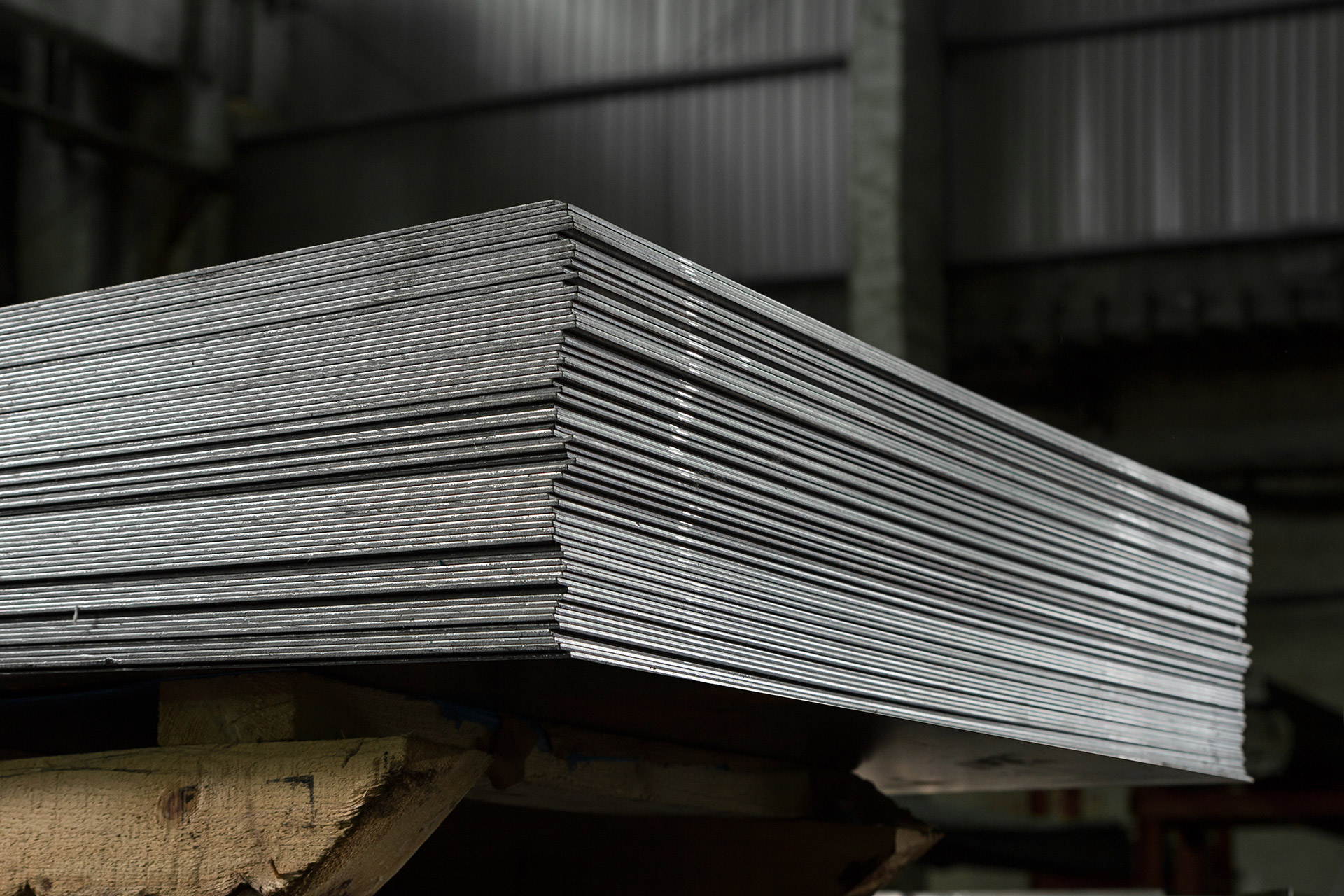
As a consequence of the war in Ukraine, many plate mills in northwest Europe have suspended issuing offers and giving prices, Kallanish hears from a mill source.
Plate prices have seen a relatively strong resurgence since the start of the year. The most recent tangible prices for S235 were lately seen moving towards €1,050/tonne ($1,168) ex-works; those for S355 were peaking above that.
The disruption to slab supplies from Ukraine to Europe will accelerate the price surge, but to what degree is unclear. At present, “no Western mill is making offers, or giving prices, and I don’t know when they will do,” the source says. He adds that prices and offers can still be had from stockholders, meaning more buyers may have to turn that way.
He notes that slab supplies from Russia are still coming in at the moment, but could be blocked once EU sanctions take effect. “I bought slabs in December and I’m glad they still came in last week,” says a manager at a processor that hires reversing mill facilities from the big German steelmakers for re-rolling.
Even before the conflict erupted with Russia’s invasion of Ukraine, tensions cast a shadow over the larger market. Rising northwest European prices were matched by those in Central and Eastern Europe. “You won’t get them cheaper from Poland or the Czech Republic either,” one buyer observes.
Another German tells of offers from Italy for S355 J2+N (notch impact energy tested + normalised) grade plate at €1,110/t ex-works, which would translate to €1,170/t delivered Ruhr. “And I was told you won’t get it for less,” he adds.
Christian Koehl Germany
ArcelorMittal Europe resumes coil offers, market supply uncertain
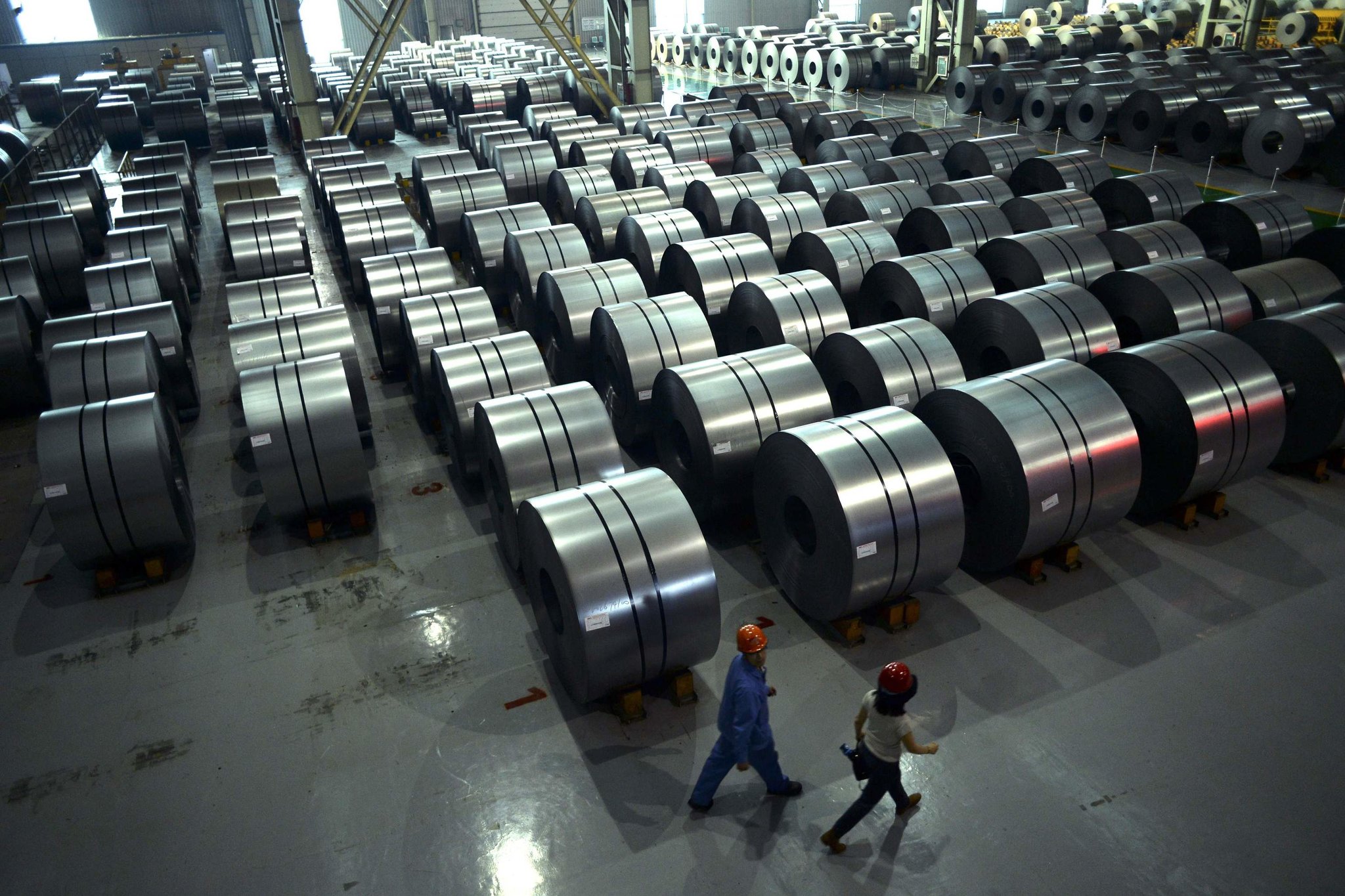
Market sources confirm that ArcelorMittal has restarted offering coil to European clients from Tuesday, but the high level of uncertainty over future market supply amid the war in Ukraine has forced the company to lift prices.
Kallanish understands that ArcelorMittal is now offering hot rolled coil at €1,150/tonne ($1,282) ex-works, cold rolled coil at €1,250/t ex-works and hot-dip galvanized coil at €1,300/t ex-works. These new reference prices are set to be applied across all of Europe; spot allocations are expected to be limited, with supply focusing primarily on recurrent costumers and existing contracts.
At the end of last week, ArcelorMittal Europe paused offering coil in the market due to the increasing uncertainty generated by the Russian invasion of Ukraine.
The firm’s new offers are some €100-200/t above the latest transaction prices assessed by Kallanish up to the end of last week.
Market observers have stressed in recent days that Europe will be impacted by the halt in imports from both Russia and Ukraine of finished steel as well as raw materials, including pig iron and iron ore. Limited iron ore supply could soon force European mills to reorganise production shifts at their blast furnaces, thereby limiting overall availability of finished steel products in the regional market.
Emanuele Norsa Italy