


Hydrogen below $3/kg needed for breakeven green steel in Europe
Delivered hydrogen prices of below Eur3/kg ($3.10/kg) would be needed for breakeven green steel production in Europe in the current high energy price environment, industry group Hydrogen Europe said in a new report.
The cost of producing renewable hydrogen via alkaline electrolysis in Europe was assessed at Eur10.70/kg ($11.18/kg) May 11 (Netherlands, including capex), based on month-ahead power prices, as per S&P Global Commodity Insights data.
Hydrogen prices would need to fall to below Eur1.50/kg in an “adjusted prices scenario,” which assumed prices falling to reflect potential future fossil fuel price drops, Hydrogen Europe said in its “Steel from Solar Energy” report, published May 11.
The estimated breakeven CO2 price in both scenarios is Eur140/mt, it said.
European carbon allowance prices for December 2022 delivery under the emissions trading scheme settled at Eur88.83/mtCO2e on May 11, according to a Platts assessment published by S&P Global.
The report models the costs for hydrogen-based direct reduction of iron ore coupled with an electric arc furnace, versus a base case of blast furnace steel production.
Blast furnace steel production typically produces around 1.6-2.0 mt of CO2 per ton of crude steel.
With current renewable hydrogen production and delivery costs, the higher costs of the DRI route with hydrogen would add around Eur100-170 per vehicle for a typical internal combustion engine car.
Hydrogen Europe noted that its estimates were based on current electrolyzer and solar photovoltaic costs.
“It is expected that a further decrease of the solar PV technology costs, coupled with a reduction in electrolyzer capex, resulting from scaling-up and automation of the manufacturing process, should lead to a significant fall in renewable hydrogen production costs in the coming decade,” it said.
Electrolyzer capex costs alone were expected to fall by around three quarters compared to current levels in that period.
In the meantime, Hydrogen Europe said, “significant financial support would be needed” if consumers are not willing to pay a green premium.
Scaling up
A second challenge was scale, the association said. There was around 103 million mt/year of hot metal blast furnace capacity across the EU, it said.
Switching all of that capacity to hydrogen-based DRI could save up to 196 million mt/year of greenhouse gas emissions, but would need up to 5.3 million mt/year of renewable hydrogen, and 370 TWh of additional renewable electricity generation.
Europe added 31 GW of new solar capacity in 2021 with annual growth forecast to double to 75 GW by 2026, Solar Power Europe said in a report May 10.
Germany was forecast to lead Europe’s 2022 additions with 7.4 GW of the predicted 39 GW total across Europe in 2022, it said.
The EU is targeting 10 million mt/year of renewable hydrogen production by 2030, with an additional 10 million mt/year of imports by that date.
Hydrogen Europe said converting a single steel plant with a capacity of 4 million mt/year of crude steel would need 1.2-1.3 GW of electrolysis running at full capacity.
It estimated this could require Eur3.3 billion of capital investment.
And to guarantee a steady supply of renewable hydrogen from intermittent renewables, significant hydrogen storage would also be needed.
Hydrogen Europe said a relaxing of proposed strict temporal correlation rules for renewable power and hydrogen production under the EU’s revised renewable energy directive would help increase the renewable energy share in hydrogen production.
It suggested a 24-hour period in which operators could balance renewable energy production with its consumption for hydrogen output.
— James Burgess


Stalprofil ups shipments, sees risks to economic growth
Stalprofil’s steel product sales rose 12% on-year in 2021 to 207,721 tonnes, with steel structures sales up 9% to 2,216t. The infrastructure segment however saw insulated pipe sales drop 30% to 1.36 million m2, due to the completion of two large contracts during the year.
The Polish distributor’s steel segment saw revenue surge 64% on-year in 2021 to PLN 924.6 million ($206.4m), thanks mainly to a continued price uptrend until the third quarter, but infrastructure segment revenue fell 27% to PLN 723.7m. Consolidated net profit surged over 350% to PLN 123.3m.
Consolidated domestic revenue rose 12% to PLN 1.48 billion but export sales dropped 27% to PLN 171.3m due to the completion of an insulated pipe supply contract to Lithuania. The main export markets were neighbouring countries, although non-EU European countries generated 60% more revenue than in 2020. Sales to Russia, Ukraine and Belarus comprised 1.6% of revenue and 1.5% of volumes.
A major risk factor going forwards is the war in Ukraine and consequent sanctions on Russia and Belarus, which have impacted supply chains for steel and raw materials, Stalprofil says. In 2021, supply from Russia, Ukraine and Belarus comprised 25% of overall Polish steel imports. The current situation could lead to price fluctuations; slowing economic growth, especially public and private sector investment; the weakening of the zloty; higher inflation; and higher interest rates that hamper investment.
“The domestic market expects a continuation of investments financed from EU funds in gas transmission networks, and road and rail infrastructure,” Stalprofil chief executive Henryk Orczykowski says in a note seen by Kallanish. “Their implementation should have a positive effect on demand and prices in the steel market. A threat to the nation’s investment plans could be the potential suspension by the EU of previously anticipated payments from EU funds due to the escalation of the conflict with Polish authorities over the rule of law.”
Adam Smith Germany

Zaporizhstal eyes Polish demand amid disrupted supply
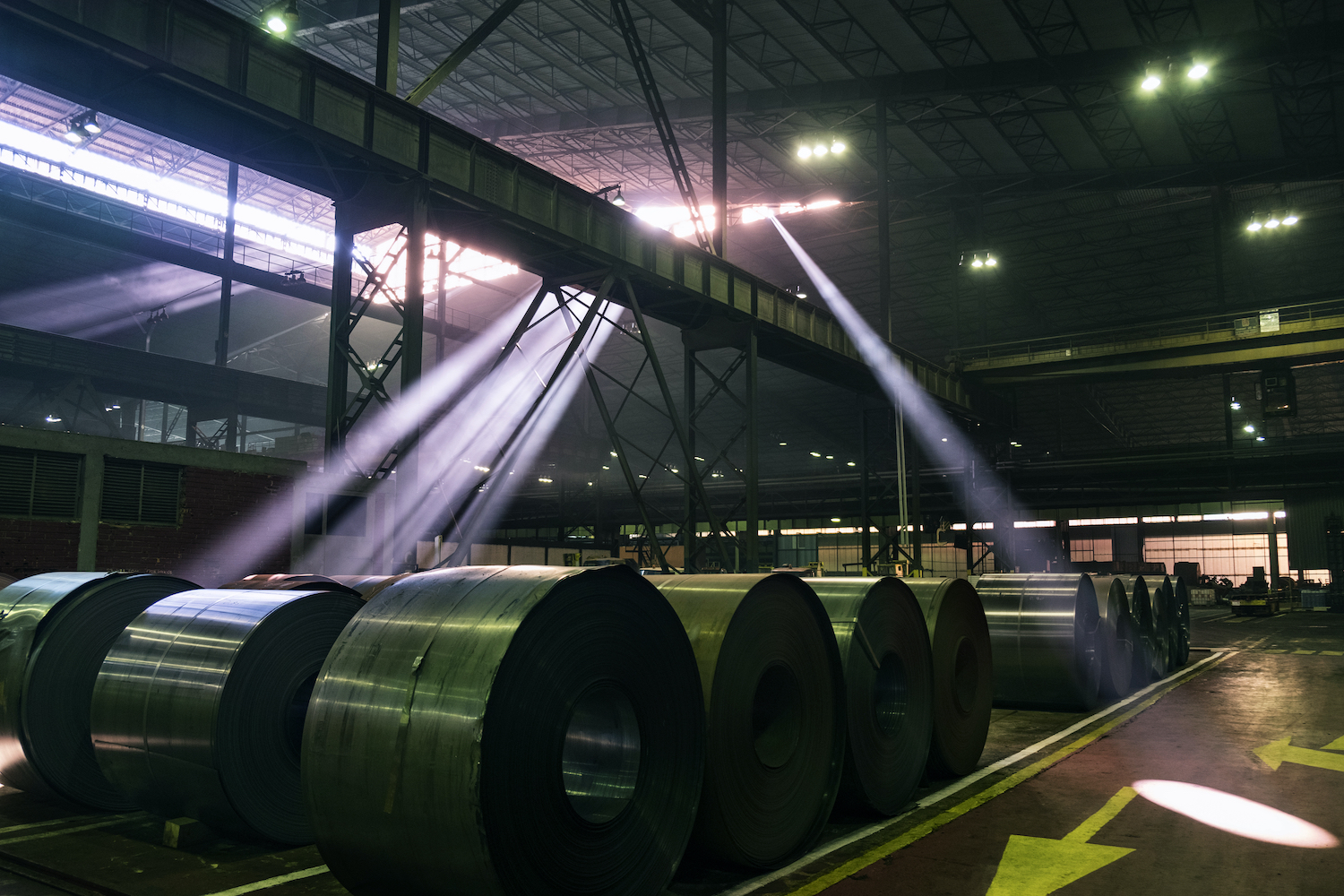
Ukraine’s Zaporizhstal, a flat steel mill partially owned by Metinvest, has started the production of a new type of hot rolled coil for Polish customers.
Clients from Poland have ordered HRC in coils each weighing at least 9 tonnes, according to Ukrainian media reports.
Previously, two coils were welded together to fulfil such an order. Thanks to new production lines, this is no longer necessary and saves on packaging and transportation. the enterprise claims.
The firm is thus looking to capitalise on Polish demand for HRC, the supply of which has been disrupted by much-reduced Ukrainian production and the EU’s ban on Russian steel, Kallanish notes. Russia, Ukraine and Belarus together accounted for 25% of overall Polish steel imports in 2021, meaning the war in Ukraine has forced buyers there to seek alternative suppliers.
Zaporizhstal produced less steel on-year in April, owing to Russia’s invasion of Ukraine, with year-to-date output correspondingly down (see Kallanish passim). The plant produced just 68,900 tonnes of pig iron in April, down 81% on-year, 73,600t of crude steel, down 78%, and 65,700t of finished products, down 76.7%.
January-April output of pig iron fell by 45.1% on-year to 830,200t, of crude steel by 45.8% to 721,000t and of finished products by 44.1% to 630,100t.
At the end of March, the mill partially resumed output at its cold-rolling operations – after previously entering hot conservation mode – for subsequent product dispatch to the European market. Early April saw the blowing in of blast furnaces No.3 and No.4. Consequently, April saw Zaporizhstal working at around 50% capacity utilisation.
Metinvest suspended all production at the mill on 2 March due to the intensification of fighting following the Russian invasion, also idling its Zaporizhya-based coke plant Zaporizhkoks (see Kallanish passim).
Last year, Zaporizhstal produced 4.5 million tonnes of pig iron, 3.8mt of crude and 3.2mt of finished steel, all roughly flat on-year.
Svetoslav Abrossimov Bulgaria
Marcegaglia buys Liberty’s UK tube business
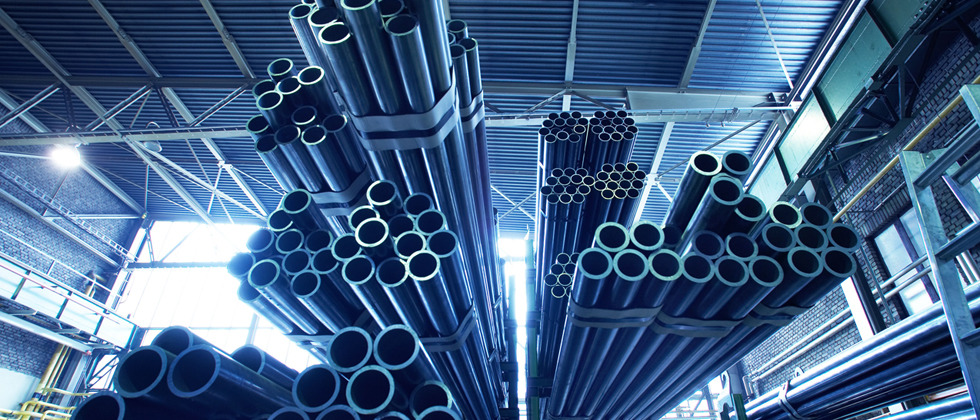
Marcegaglia’s UK division has acquired Liberty Steel’s Oldbury-based Precision Tubes assets in the West Midlands, the Italian pipemaker confirms to Kallanish.
Prior to the purchasing deal, Marcegaglia operated Liberty’s facilities under a licence agreement. “During the two-year assessment, Marcegaglia UK has used the assets to contribute to its existing business, which has aided the expansion of the company’s footprint in both the UK and international markets.”
Under the purchase agreement, all employees will transfer from Liberty Precision Tubes Limited to the Italian pipemaker’s UK division.
The sites of Hub le Bas and Accles & Pollock, part of the Precision Tube business, will continue to trade as normal.
In 2015, Liberty House acquired the Caparo UK business which included Caparo Tubular Solutions sites across the West Midlands (see Kallanish passim).
Natalia Capra France
French, Belgian scrap prices tumble
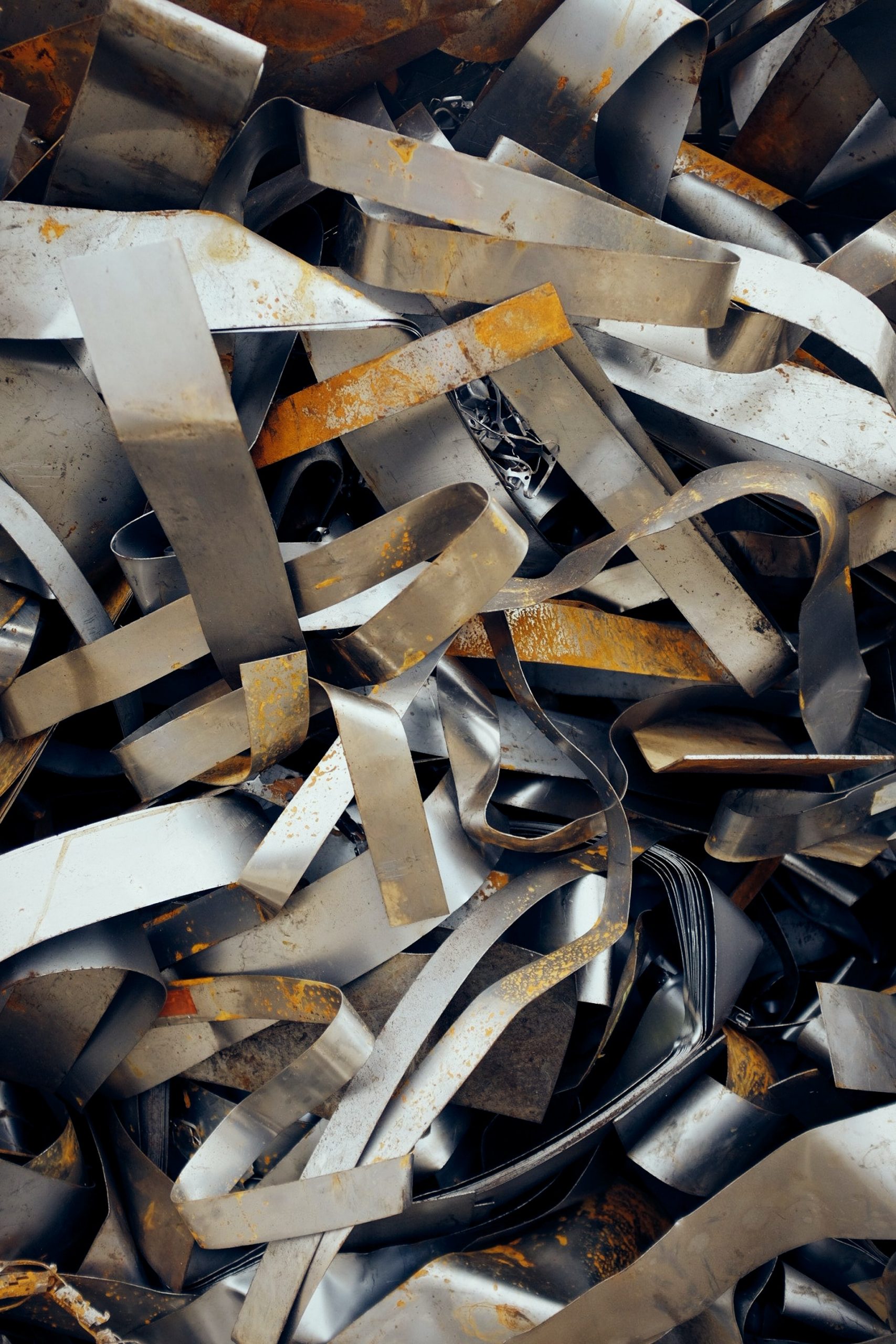
French and Belgian domestic scrap prices are down €100/tonne ($104/t) in new May contracts. Similar falls of between €70-100/t are being seen in southern and Eastern European countries, Kallanish notes.
While availability of automotive grades has improved in France, demand is strong for cheaper demolition grades. French and Belgian prices of the mixed E8 grade are reaching €490-500/t delivered. E1C, a cheaper grade, is transacted this month at €440-450/t delivered, while E40 is dropping to €460 delivered, sources suggest.
Pressure is increasing on Benelux scrap export prices. At the start of this week, exporters’ dock prices for HMS 1&2 80:20 in Belgium stood mostly at around €405-410/t, while in the Netherlands prices were €410-420/t delivered (see Kallanish passim).
Turkish mills have decreased their domestic scrap buying prices sharply this week due to the steep fall in imported scrap prices and weak finished steel demand. The latest premium HMS 1&2 80:20 booking was concluded at $480-490/t cfr Turkey.
Sources forecast scrap prices in Western European markets to continue to decline in June, mostly due to lower demand for finished long and flat products.
Natalia Capra France

Green steel needs hydrogen prices to halve: study
A Hydrogen Europe research study has calculated that hydrogen delivered costs in Europe need to move below €3/kg for green steelmaking projects using hydrogen to break even.
It estimates in a report seen by Kallanish that hydrogen prices in Europe are now at some €5.3/kg.
Hydrogen Europe believes the target hydrogen price level can be achieved in 2025-2030 period. “If the green hydrogen production costs fall down as predicted, by 2025-2030 it should be possible to eliminate the cost gap entirely – even in a scenario with low fossil fuel prices. In the meantime, however, if the end consumers are not willing to pay a green premium for fossil-free steel, significant financial support would be needed,” the study explains.
In addition to the challenges of prices, the transition to green steel production also includes the challenge of hydrogen supply. “The total capacity of all installed BF-BOF plants in the EU is around 103 million tonnes of hot metal per year. Switching all of those plants to hydrogen-based DRI/EAF could potentially save up to 196mt of GHG emissions per year, but in order to do so would require up to 5.3mt of renewable hydrogen and up to 370TWh of additional renewable electricity generation (including EAF electricity consumption),” Hydrogen Europe adds.
The third challenge will be providing a constant supply of hydrogen to the reduction shaft. The steel sector will remain a challenging market for imported hydrogen, Hydrogen Europe concludes.
Emanuele Norsa Italy

Italian HRC price decline continues
Italian hot rolled coil prices continue to fall amid a market standoff that is seen continuing over the coming days, Kallanish notes. This is in line with international flat and long steel price declines, together with the downturn in raw material values.
Against the backdrop of recession fears in Europe, end-users, re-rollers and service centres continue to restrict orders to low volumes in both the local market and for import purchases. The general attitude is to wait for prices to decline further.
Sources who spoke to Kallanish say domestic quotes from some producers at €1,020/tonne ($1,063/t) base ex-works are no longer workable. Buying activity today is mostly for small volumes and sometimes from stock.
HRC is offered from the Far East at €950-970/t cfr Italy for July loading, from countries such as Japan, India and South Korea. Some Italian domestic HRC contracts are reported at €1,100-1,140/t base ex-works. By June, values are forecast to reach €1,000-1,050/t base ex-works, sources say. Low visibility and pessimism are dominating sentiment.
Natalia Capra France

EUROMETAL SSC working group discussed digital transformation and pricing for value


EUROMETAL Regional Meeting of SSC from the region Austria + BENELUX + Germany was convened in Neuwied (DE) on 12 May 2022.
The meeting started with a presentation of ArcelorMittal SSC Europe who hosted us in Neuwied. Jean-Marc Butin, CEO ArcelorMittal Downstream Solutions Steel Service Centre (SSC) Europe, introduced the speciality of flat carbon steel processing with tailored products and services dedicated to the automotive segment and to the industry.
The presentation was continued by Michael Nonn, Chief Operating Officer, who introduced us to the developments and features of the steel plant.
Valentin Kaltenbach, CEO of KALTENBACH.SOLUTIONS, adressed the input on digital transformation in SSC operational excellence with a concrete example prepared for the occasion, which consisted of the prior installation of a monitoring system on one of the lines of the Knauf Interfer Stahl Service Center GmbH in Mudersbach.
Daniel Hess, Director at Simon-Kucher and Partners gave us a presentation on “pricing for value” highlighting key topics to achieve pricing power in steel distribution like: escape “commodity trap” and understand value, provide clear guidance for sales teams and build confidence & system support.
Both presentations generated several dialogues and exchanges of opinions.
Thomas Niederhofer, Head of Business Unit Steel at Knauf Interfer and our Chairman for the German-speaking SSCs presented the EUROMETAL Benchmark Report on West EU SSC Distribution and highlighted the interest in having more participants to increase the representativeness of the branch.
The event concluded with a visit to the ArcelorMittal Steel Service Center in Neuwied. The working group meeting in Neuwied was attended by 20 participants.