


ZF inks coil deal with H2 Green Steel
German technology group ZF has concluded a long-term supply agreement with Swedish start-up H2 Green Steel, Kallanish learns.
Once the Scandinavian venture has ramped up its mill in northern Sweden, it will supply ZF with 250,000 tonnes of steel from 2025 to 2032. This volume accounts for 10% of ZF’s current steel requirements and will save around 475,000t of CO2 emissions, the company claims.
ZF, headquartered in Friedrichshafen, is one of Germany’s largest automotive suppliers. It directly and indirectly processes around 2.5 million tonnes/year of steel at sites worldwide. “The steel industry is in the midst of a profound transformation. Innovative companies with new concepts are in demand. We are supporting this transformation through our long-term supply relationship with H2 Green Steel,” says Daniele Pontarollo, head of ZF’s group-wide materials management.
ZF says it is also in dialogue with other leading steel suppliers to explore opportunities for sourcing green steel. “We believe that by working closely with sustainable suppliers, we can significantly and sustainably reduce upstream emissions,” says Michael Karrer, responsible for environmental management throughout the ZF group.
So far, customers who have signed supply agreements with H2 Green Steel include Electrolux, Kingspan, Miele, Scania, Marcegaglia, Klöckner & Co, BMW and Roba Metals.
Christian Koehl Germany

Volvo says first truck manufacturer from green steel
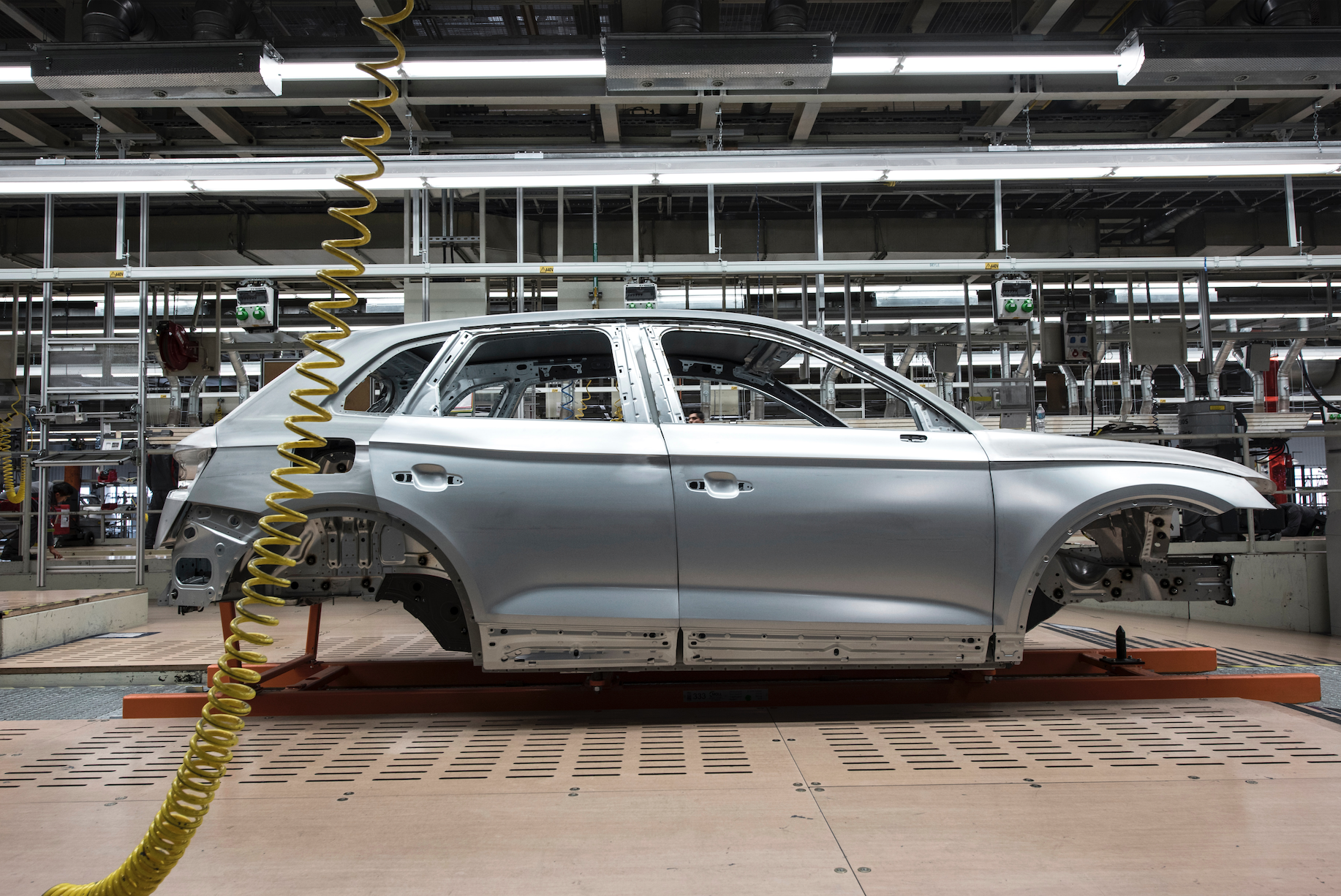
Volvo says it will be the first truck manufacturer to introduce SSAB fossil-free steel in its vehicles, Kallanish notes.
In the third quarter, Volvo Trucks will start a small-scale introduction of fossil-free steel in its heavy electric trucks fleet.
“The first steel will be used in the truck’s frame rails, the backbone of the truck on which all other main components are mounted. As the availability of fossil-free steel increases, it will also be introduced in other parts of the truck,” Volvo observes.
Last October, Volvo showcased the first vehicle produced with fossil-free steel, after SSAB delivered it the world’s first steel made using sponge iron reduced with hydrogen.
SSAB aims to offer fossil-free steel on an industrial scale to the market from 2026 and plans to largely eliminate carbon dioxide emissions from its own operations by around the 2030.
Emanuele Norsa Italy
Vallourec closures should alarm EU politicians
The announcement of a number of mill closures at pipemaker group Vallourec should be a wake-up call to policy-makers, a German industry insider finds.
Last week, the group announced it will discontinue production at, and eventually close down, facilities in France, Scotland and Germany. The move is especially macabre for the plants in Düsseldorf and nearby Mülheim, given that Düsseldorf will be the host next month of TUBE, the largest industry trade fair of its kind.
“The closure of the German plants must also be understood as a clear signal to politicians in Germany and Europe,” says Frank Harms, managing director of German steel tubes association WV Stahlrohre. He concedes that the reasons for the closure are manifold, and primarily economical. But he also sees a connection to “energy policy decisions taken only in the last weeks – keywords #CARBON LEAKAGE and #CBAM,” he writes in a commentary piece sent to Kallanish.
“Obviously, the market does not believe in the effectiveness of the current EU proposal on CO2 border taxation as compensation for the EU industry,” he states. “There is an urgent need for improvement here, to prevent a deindustrialisation of Europe,” he warns.
Christian Koehl Germany
Banning European scrap exports will hit investment
Banning scrap exports will have hard consequences for the European domestic market, European Recycling Industries’ Confederation (Euric) vice president Cinzia Vezzosi said at the Bureau of International Recycling (BIR) conference in Barcelona on Tuesday.
The EU is the world’s largest scrap exporter, with annual shipments of around 20 million tonnes. “Shutting down this flow of material will create massive perturbation in trade, with huge local consequences on the price of steel. We will no longer have a chance to invest in the recycling industry,” Vezzosi said at the event attended by Kallanish.
She emphasised there should be no barriers to free trade as the EU has sufficient supply to feed its own steel industry.
Eric Niedziela from ArcelorMittal Europe, meanwhile, said that scrap usage will increase in the EU, in line with the industry’s decarbonisation goals, and the bloc should therefore ensure domestic scrap supply.
“ArcelorMittal has identified decarbonisation pathways as using hydrogen to reduce iron ore without emitting CO2 and increasing the share of recycled steel into its production up to 250kg per tonne of steel by 2022. We will need a higher amount of scrap. Besides, the scrap we are exporting is imported back as finished steel and harms our industry,” Niedziela commented.
Vezzosi said both arguments have pros and cons and reiterated Euric’s proposal to open a working group with Eurofer to prevent a lose-lose situation.
Burcak Alpman Turkey
Italian rebar prices fall further
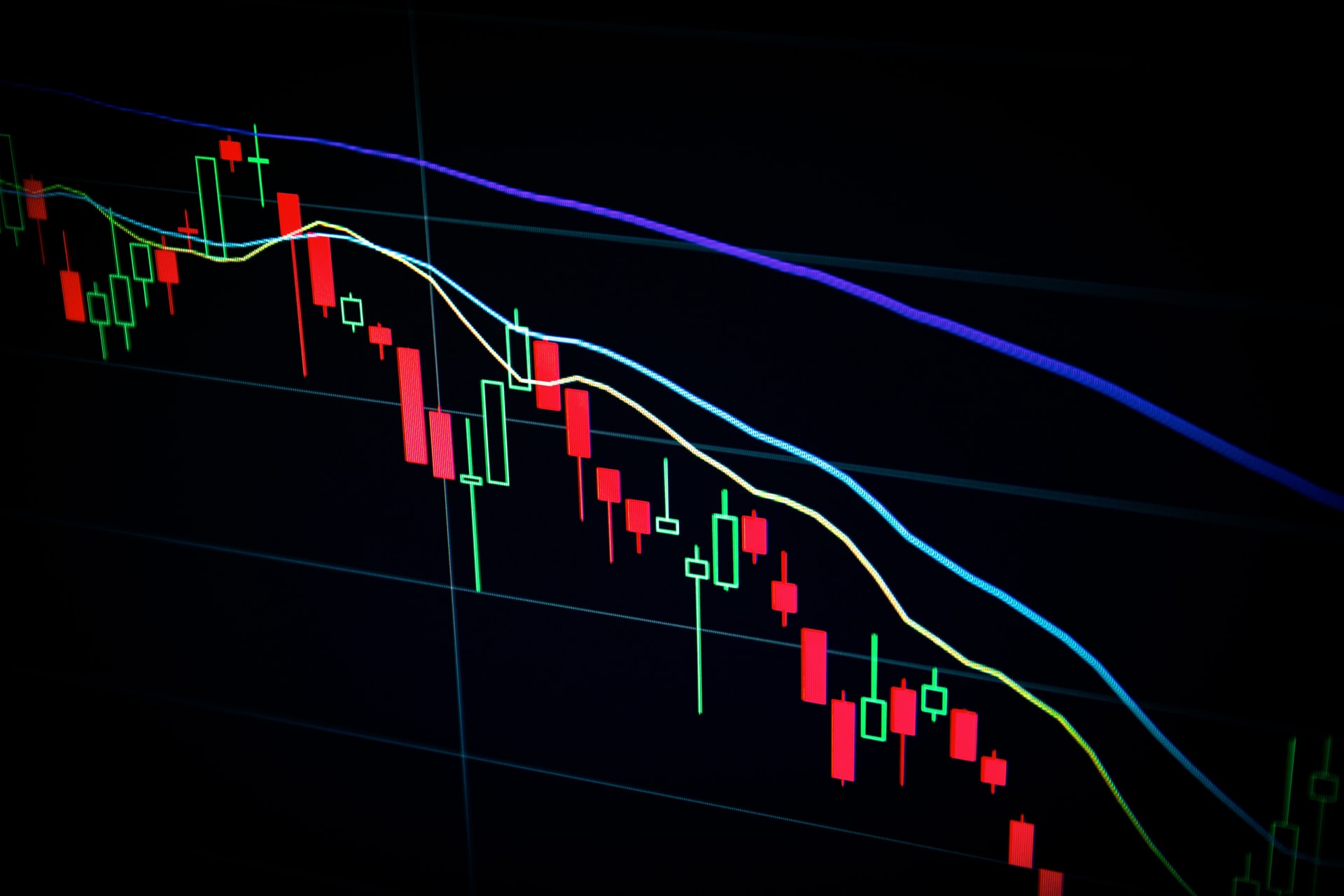
Italian rebar prices are falling further in this week’s contracts, by €20/tonne ($21.3) on average compared to last week, due to the continued standoff in the Italian steel market.
Most producers are now asking for €810-820/tonne base ex-works, down from €850-860/t ten days ago. Buyers tell Kallanish they are purchasing small volumes at €800-820/t base ex-works this week.
Producers continue to sell some volumes on the export market, particularly in Eastern Europe, but the European construction sector is reported to be slowing. Traditional Italian rebar sellers to France and Germany are not exporting much these days as demand from these countries is also very weak. A European producer says it only has orders for the next ten days amid low visibility.
Italian distributors continue to purchase back-to-back and forecast values to go below the €800/t level in Italy in the coming days. Including size extras, domestic rebar prices are now at €1,060-1,080/t ex-works, sources suggest.
Natalia Capra France

India duties seen supporting EU price rebound
Indian suppliers sold to Europe some 3.5 million tonnes of finished steel products last year, according to data published by Eurofer, matching the record level registered back in 2017. Indian supply is under increased scrutiny after the country’s government imposed duties on steel exports, which are expected to limit Indian tonnages on export markets.
Overall, Europe imported some 30.3mt of finished steel last year; Turkey was the largest supplier, followed by Russia and India. Earlier this year, the European Commission imposed a complete ban on Russian finished steel imports, restricting the supply pool, and the Indian tariffs could now result in severely limited availability of imported material in the EU.
It is worth noting that, unlike other major suppliers such as Turkey, Indian export activity to Europe has mainly been focused on the supply of flat products, including coil and plate.
A European trader says the Indian duties could well influence the market strongly in Europe, but also notes this should not result in a complete halt in trading activity between India and Europe. The main impact of the tariffs will be to help European prices – especially for flat products – rebound again, Kallanish notes.
In recent weeks, European hot rolled coil import prices have gone down rapidly, falling to €830-900/tonne ($891-967) cfr southern Europe. Another trader believes the bottom of the current price cycle could well be close.
In addition to developments in India, importers in Europe are also waiting for the result of the ongoing review of the EU’s safeguard system. There is speculation in the market that the safeguard system could be scrapped from July 2023, but it remains too early for details.
During the first two months of the current quarter, a number of EU quotas for certain countries and products have been fully used. Metallic coated coil quotas, meanwhile, are over 80% exhausted.
Emanuele Norsa Italy

Stainless steel nickel intake to exceed 2 million mt in 2022: Nornickel
The world’s stainless steel production, forecast at 60 million mt in 2022, will require 2.14 million mt of primary nickel, excluding scrap, Nornickel told S&P Global Commodity Insights May 24.
The bulk of nickel will go into making 8.4% Ni-rich 300 stainless steel series, which are projected to make up 35 million mt of the 2022 stainless total, a Nornickel representative
said. All in all, the stainless steel industry will account for 67.5% of the global primary nickel demand, the representative said.
Of total projected nickel intake, 60% will be in China, where Q1 was marked by the resurgence of COVID-19 and upgrades at leading stainless producer Tsingshan.
Production of 300 series steels in China inched up 1% in January-March, while the output of lesser-nickel-containing 200 series and nickel-free 400 series declined by 18% and 21% respectively, Nornickel said in its forecast released May 23.
The Russian company expects the 300 series production in China to grow by 5% this year, entailing a 10% year-on-year increase to 1.29 million mt in the primary nickel consumption in the Chinese stainless steel sector.
Due to swelling Indonesian nickel pig iron, or NPI, supplies that largely target the Chinese market, the scrap ratio in Chinese stainless steel to decline to 20%, down from 24% in 2021.
In Indonesia, 300 series output jumped 85% last year and continued to grow in Q1. Nornickel anticipates the 300 series production in the country to expand by 12% to 5.6 million mt this year. This total will require 428,000 mt of primary nickel.
Europe, US see surge in stainless imports
January-February saw a 80% year-on-year jump, to 528,000 mt, in EU’s stainless steel imports. Nornickel expects imports into the block from low-cost Asian countries to continue to surge in the following few months despite the 25% safeguard duties applied to quota exceeding volumes.
Europe’s own mills have strong order books for the first part of 2022, but are now challenged by the escalating energy and raw material crisis. And Europe’s stainless-steel production may stagnate as a result, at 7 million mt, with the associated nickel consumption forecasted at 150,000 mt.
The US stainless steel business has so far remained robust in 2022 as mills have been able to pass the rising raw materials costs onto the buyers.
“Considering the still solid demand on the one hand and the rising domestic stainless prices on the other, the US buyers are increasingly turning to imports the same way we are observing in Europe,” the Nornickel representative said.
The country’s 172,000 mt stainless steel imports over January-February almost doubled compared to a year ago. And despite the bilateral deals the US had recently struck with the EU and Japan to replace Section 232 tariffs with a quota system, the share of imports from these regions declined in favor of lower cost materials from Taiwan, India and China.
The business activity may slow down from Q3 though and US FY2022’s stainless steel output may stagnate too, at 2.4 million mt, using 35,000 mt of primary nickel, Nornickel re-estimated.
In the long term, production could be bolstered by the $1 trillion Bipartisan Infrastructure Deal, a generational investment in the US’ transportation network, which prescribes the use of the American-made materials only.
— Ekaterina Bouckley

Brazil’s April flat steel sales volume drops on high local prices
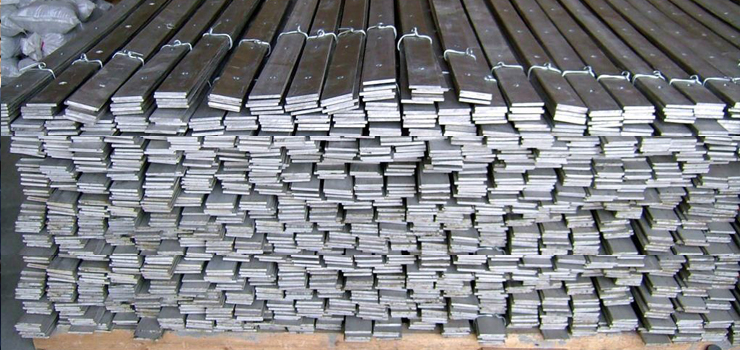
Flat steel distributors in Brazil saw business shrink in April amid rising local prices by mills, with sales volume dropping 11.8% on the year and 20.9% on the month to 302,700 mt, data from Inda, the national flat products distributors association, showed May 24.
According to S&P Global Commodity Insights, the Brazilian domestic hot-rolled-coil price rose 13% on the year from January to April to Real 6,700/mt ex-works, taxes excluded, with a 9.8% increase only during March and April.
The product is still at high levels when compared with the pre-pandemic period, but down from the peak of Real 7,000/mt recorded in June 2021.
According to Inda’s president Carlos Loureiro, “domestic prices for hot-rolled-coil have been with a premium over 20% on top off imported material, but the uncertainty about the exchange rate and logistical difficulties make importing a risky game”.
Flat steel imports ended the month of April with a drop of 12.5% on the year and 12.4% on the month, to 109,800 mt.
Amid this, distributors have been keeping inventories at levels sufficient to meet only their prompt needs for their operations.
Purchases from distributors in April fell 27.5% on the year and 27.7% on the month, to 250,100 mt.
In April, the volume of flat steel stocked by distributors was 721,800 mt, down 6.8% compared with March, reflecting a turnover of 2.4 months of sales.
In the first four months of the year, apparent steel consumption in Brazil dropped about 14% on the year, data from national steel association Aço Brasil showed last week.
For May, Inda expects purchases by distributors to increase by 14%, with sales falling by 5% compared with April.
— Adriana Carvalho
Spain: Steel production drops 23% in March amid strikes, energy spike
Spanish steel production in March fell 23% year on year to 1 million mt, a fifth consecutive decline, as production was affected by record high energy prices and a transport workers’ strike, according to data published May 24 by industry group Unesid.
In mid-March, a number of steel producers halted production for several days due to these factors. While the strike prevented deliveries to and from industrial sites for a few days, the cost squeeze forced producers to halt their plants during the largest spikes.
Spain’s steel sector is Europe’s fourth-largest with production of 13.1 million mt in 2021.
Power prices spiked to more than Eur350/MWh over the March 5-10 period, taking the average for the month to a record high of Eur283.30/MWh, up from Eur200/MWh in February.
Spain’s largest steelmaker ArcelorMittal Espana told S&P Global Commodity Insights in March that it had halted its 4.5 million mt/year Gijon plant for five days due to the high prices, while stainless steel maker Acerinox said during its May 11 earnings call that it had halted production for three days due to high power prices and two days due to the strike.
Unesid also reported reduced rates or halts at Megasa (3 million mt/year capacity), Grupo Celsa (2.5 million mt/year capacity) and Siderurgica Balboa (1.3 million mt/year), among others.
The slowdown in March also affected steel recycling, which fell 26% year on year to 747,000 mt, according to Unesid, also a fifth consecutive monthly decline.
Since March, Spanish power prices have receded to an average Eur191.52/MWh in April and Eur189.22/MWh so far in May, with new legislation due to come into force in June to reduce power bills by 15%-20%.
— Gianluca Baratti
Europe decides provisional duties on chrome coated steel imports from China, Brazil
The European Commission has announced provisional anti-dumping duty rates on electrolytic chromium coated steel, or ECCS, imports from China and Brazil after an investigation found that imports from the two countries undercut the EU industry’s prices, according to an official document released May 24.
The EC started an anti-dumping investigation on ECCS products from China and Brazil on Sep. 24, 2021, after the European Steel Association lodged a complaint on Aug. 13 on behalf of its members, which the EC said contained sufficient evidence of dumping and resulting material injury to justify an investigation.
Under the new provisions, China’s Baoshan Iron and Steel Co. will face a provisional anti-dumping duty of 33.2% and Handan Jintai Packing Material Co. will face duties of 53.9%, according to an official journal document.
Provisional anti-dumping duties for other cooperating companies have been set at 36.7% and for all other companies at 77.9%, according to the document.
In Brazil, the provision anti-dumping duty for Companhia Siderurgica Nacional and all other companies was set at 52%.
The duty rates apply to imports of flat-rolled products of iron or non-alloy steel, plated or coated with chromium oxides or with chromium and chromium oxides and will be on a CIF European Union border price, customs duty unpaid, the EC said in the document.
Return comments from interested parties on the provisional measures will be open until June 7, with return comments on final disclosure due by Aug. 8 and definitive measures set for Nov. 23.
S&P Global Commodity Insights contacted the EC for additional comment, but had received no response by the time of publication.
Prices undercut EU industry
The EC found that the ECCS products import prices from China averaged Eur721/mt ($773.50/mt) over the investigation period of July 1, 2020-June 30, 2021, down from Eur771/mt in 2018, while the import price from Brazil during the period was Eur690/mt, down from Eur701/mt in 2018.
“The average import price of the imports from the countries concerned decreased by 6% during the period considered although the price of the main raw material (iron ore or hot-rolled strips) increased in the same period,” the EC said.
In comparison, sales prices in the EU were Eur780-910/mt during the investigation period and in 2018, with the unit cost of production at Eur840-980/mt, up 9% from $770-900/mt in 2018.
The EC found that imports from the two countries undercut the EU industry’s prices by 1.9%-13.7% for China and 21.8% for Brazil and said that, regardless of the price undercutting, the significant import volumes at low prices depressed the EU industry’s prices, which could not cover the costs of production, thereby incurring losses.
The EC said in the document that the EU’s import volume from China was 64,000-75,000 mt in investigation period, or a market share of 12%-13%, up from 56,000-66,000 my in 2018 and market share of 10%-11%.
Imports from Brazil during the period were 14,000-16,000 mt, or a market share of 2%-3%, up from 12,000-14,000 mt in 2018 and a market share of 2%-3%.
Suffered material injury
“Despite the fact that the Union industry maintained overall its market position during the period considered, its financial situation deteriorated mainly due to the increased cost of production, which could not be covered by a corresponding increase of its sales prices,” the EC said.
It added it had found that the “significant price suppression exercised by the dumped imports led to losses as from 2019, which further increased in the investigation period.”
This resulted in the profitability of the EU industry decreasing by a factor of six from 1%-3% in 2018 to negative 8%-10% in the investigation period.
It said that, while net investments increased by 78%, the return on investment decreased five times during the period from 1%-2% in 2018 to negative 4%-5% in the investigation period.
Overall, the EC provisionally concluded that the EU industry had “suffered material injury” as economic indicators such as profitability, cash flow and return on investment had “deteriorated significantly,” which “negatively affected the ability of the EU industry to self-finance operations, to make necessary investments and to raise capital, thus impeding its growth and even threatening its survival.”
— Jacqueline Holman