


Turkey sets anti-dumping duty on steel ropes, cables from Russia, China
Turkey has begun to impose anti-dumping duties on imports of steel ropes and cables from Russia and China, the Turkish Official Gazette announced on July 9. Steel ropes and cables under HS codes 7312.10.81.00.00, 7312.10.83.00.00, 7312.10.85.00.00, 7312.10.89.00.00 and 7312.10.98.00.00 from Russia and China were now subject to a levy at $500 per tonne, to be in place for a period of five years, according to the Gazette.
The import duty on similar products from other origins was 0%, according to the Turkish Ministry of Trade.
The same ministry also extended the period of anti-dumping duties on imports of seamless tube and pipe from China for another five years, according to the Gazette.
Turkey initially imposed anti-dumping duty of $100-120 per tonne on imports of seamless pipe from China in 2016.
The duty was now being applied for another five years at rates $55-75 per tonne depending on producer, starting from July 9 this year.
Published by: Serife Durmus


European HRC prices hit the bottom; mills consider rises on high costs, output cuts
European hot-rolled coil prices reached the bottom of the market during the week to Friday July 15, with producers expected to attempt to raise prices on surging costs, sources told Fastmarkets. Producers in Europe largely believe HRC prices have reached rock bottom and resisted the idea of any further declines, citing high costs and improving demand.
In addition, European mills have been adjusting their output recently to alleviate oversupply in the market.
During the week, ArcelorMittal idled a blast furnace in France with capacity for 1.2 million tonnes per year, while ArcelorMittal Bremen in Germany reduced the output of its flat steel rolling lines this month, but has not stopped any equipment.
In addition, Hebei Iron & Steel Serbia will idle its smaller 900,000-tpy BF before the end of July, with no fixed date for a restart, due to the continued poor demand and falling prices.
Market sources suggested the effects of production cuts will be visible in the European market in the autumn, after the summer break. If end-user demand picks up, the combination of improved activity and reduced supply might give HRC prices a boost in the last quarter of 2022.
The unpredictability of the energy market after Russia temporarily halting gas supply to Germany this week was another concern for participants in the European HRC market.
Last Monday, Russia stopped supply of natural gas to Germany via the Nord Stream 1 pipeline under the Baltic Sea for 10 days for maintenance. But market sources were unsure whether the supply of gas would resume once the maintenance is completed, Fastmarkets heard.
Fastmarkets calculated its daily steel HRC index, domestic, ex-works Northern Europe at €851.67 ($859.04) per tonne on Friday, unchanged from a day earlier.
The latest calculation was up by €11.67 per tonne week on week but down by €74.58 per tonne month on month.
Buyers in the region indicated the tradeable level for HRC was €850-870 per tonne exw.
Sources expect trading in the region to pick up at the end of July on restocking activity.
One integrated mill in the Netherlands may table an offer for HRC at €900 per tonne exw, which is “about €30-50 per tonne up for spot business,” a trading source in the region told Fastmarkets.
Sources expect other major producers to push for higher prices in the coming week.
Northern European mills were still able to offer August-September delivery coil, sources said.
Fastmarkets’ calculation of its daily steel HRC index, domestic, exw Italy was €770.00 per tonne on Friday, stable day on day.
The latest calculation of the Italian index was up by €15 per tonne week on week but down by €89 per tonne month on month.
Buyers estimated the workable price at €740-770 per tonne exw, with one trader reporting a bid at €720 per tonne exw for a large tonnage, but this could not be confirmed by other sources at the time of publication.
Mills in the region were still trying to maintain an official offer level of around €800-820 per tonne exw due to high production costs and seasonal output cuts.
Imports
During the past week, the euro-United States dollar exchange rate reached parity, making imports less attractive.
Import offers for HRC from South Korea, Taiwan and Japan were heard at €730-740 per tonne cfr to Italy in the week. But “the risk of a stronger US dollar doesn’t feed the appetite to buy,” a source told Fastmarkets.
No fresh offers were reported from Turkey due to the country’s Islamic Eid al-Adha holiday, which commenced on July 9.

Published by: Julia Bolotova

Sidenor buys Spanish automotive component supplier MCD
Spanish special steelmaker Sidenor has acquired Mecanizados de Cremalleras de Dirección (MCD), a Basque company specialising in car components, Kallanish understands.
“The deal ensures us to increase our presence in the automotive market by offering a wider range of high added value products, such as vehicle steering systems” Sidenor says.
MCD has been present in the market for 25 years and is bussines is focused on the transformation of steel bars for steering racks through various cutting and machining processes.
Todor Kirkov Bulgaria

Importers utilise one-third of EU safeguard quotas
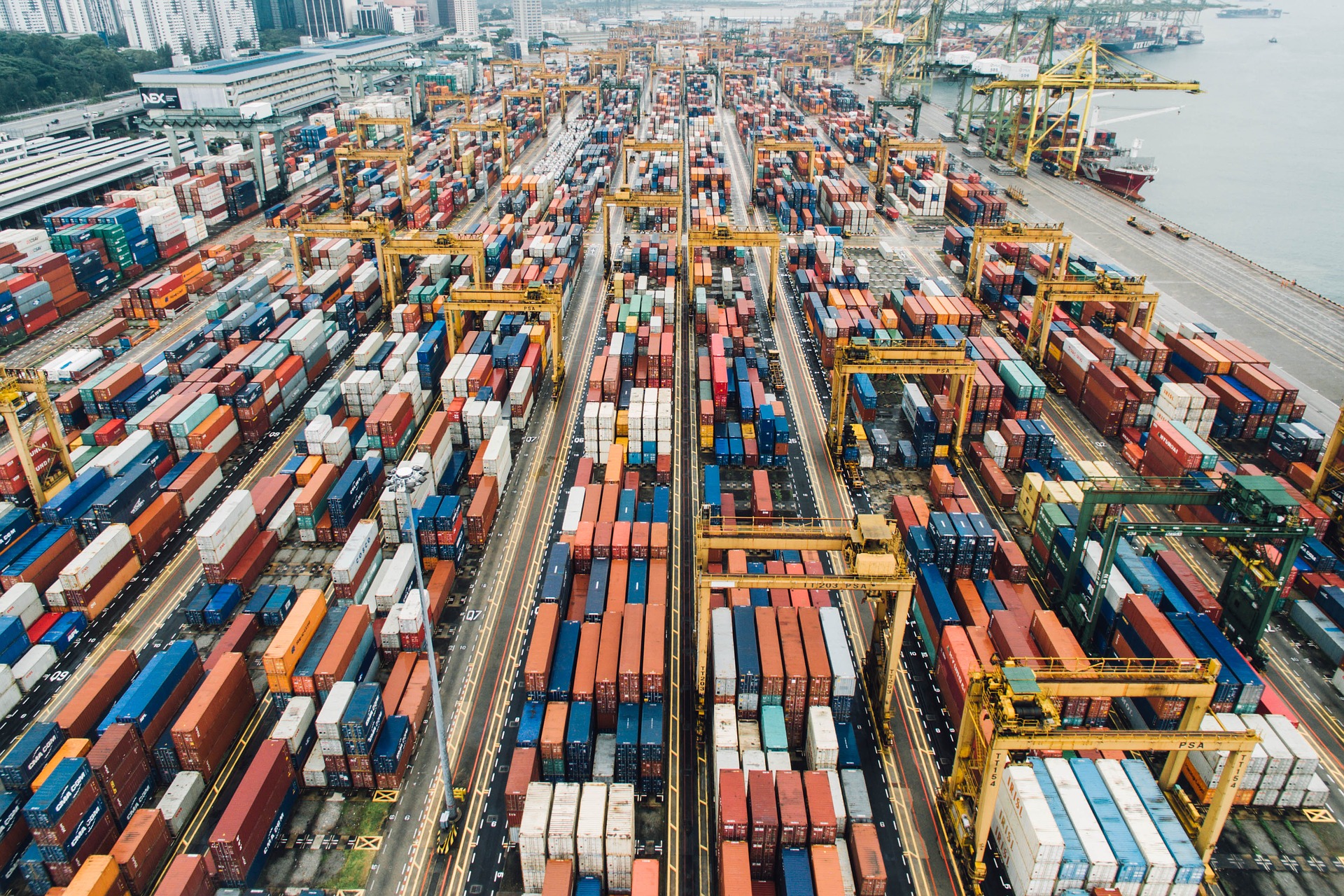
European steel import activity remains sustained despite the weakness of domestic demand during recent months, Kallanish finds.
According to data from the official European database collected by UK Steel, European importers used some 29% of available safeguard quotas for Q3 during the first 13 days of July. Last year in early July during the same period some 18% were used while in January 2022 some 33% of quotas were used during the first ten days of Q1.
For flat products, over 70% of organic coated sheets quotas have been used, with Indian, Turkish and “Other countries” quotas fully consumed. HRC and CRC quotas remain widely available, but all Chinese metallic coated sheets quotas for the sub-group 4b have been consumed.
For long products, Turkish rebar quotas have been exhausted. Usually Turkish wire rod quotas are also consumed very quickly, but this time around so far some 33% of the allocated quotas remain available. Turkish hollow sections quotas have also been fully used.
Stainless CRC quotas are also under pressure, as Turkish, Taiwanese and “Other countries” quotas have been fully used already. Indian stainless bars and wire rod quotas are also exhausted.
Eurofer calculated that if European finished steel imports continue at the pace registered during the first five months of this year, they could reach a new record level at 34.5mt over the year. Last year imports of all finished steel products surpassed 30mt, beating the previous record registered back in 2018.
Emanuele Norsa Italy
EU tube prices bottom as producers reduce output
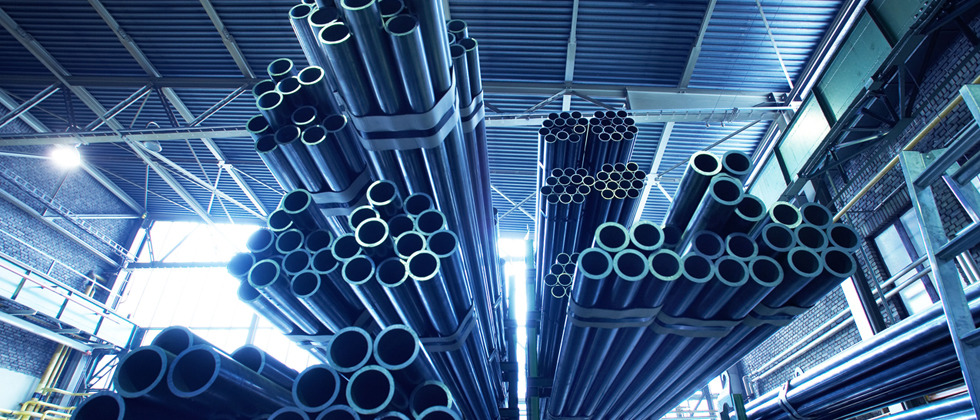
European welded tube prices are set to increase as re-rollers begin to reduce discounts and output, distributors and re-rollers tell Kallanish.
Producers forecast an improved apparent demand after noticing some increased buying from distributors this month to replenish stocks. Although general market activity remains sluggish amid fears of economic recession, some improved demand is seen persisting this month.
Tube prices are seen close to bottoming. Producers believe that values cannot decrease any further due to the high costs of production, expected further increases in gas prices particularly in Italy and Germany, and expensive transport.
While purchases continue to be implemented for small volumes, in Italy tube discounts have been relatively stable over the past three weeks at 30 and 31 points. Re-rollers see discounts falling in the next days to 26 or 27 points, recovering 3 or 4 points, the equivalent of €30-40/tonne ($30.4-40.5/t).
All tube makers throughout Europe are reducing output. Longer August stoppages are planned for Italian and Spanish producers. Lower availability in September is forecast to support values.
Natalia Capra France

Italian longs downturn continues
The downturn of long product sales in Italy is persisting in July as sellers lament low sales volumes and only back-to-back purchases.
Sources tell Kallanish prices for merchant bars decreased strongly over the past weeks, by some €80/tonne ($81) compared to June. Lack of apparent demand and low volumes are responsible for this month’s early production stoppages across all merchant bar producers. At present, domestic contracts hover at €700-750/tonne base ex-works. Including size extras, values reach €1,120-1,170/t ex-works, sources suggest.
Some restocking is happening for beams where buyers have purchased some low tonnages for September before shutting down in August. General market activity however remains weak. The first category of beams stands now at €1,250/t ex-works on average, including size extras, sources suggest.
Meanwhile, a major European supplier of long products has started communicating to the market its intention to raise prices for commodity-grade long products by as much as €60/tonne from the lowest point registered at the end of June. A senior source confirms that some small increases of €30-40/t have already been achieved in some markets, but that a stronger price recovery is now possible (see Kallanish 13 July).
Natalia Capra France
Coil price hike attempts likely in NW Europe
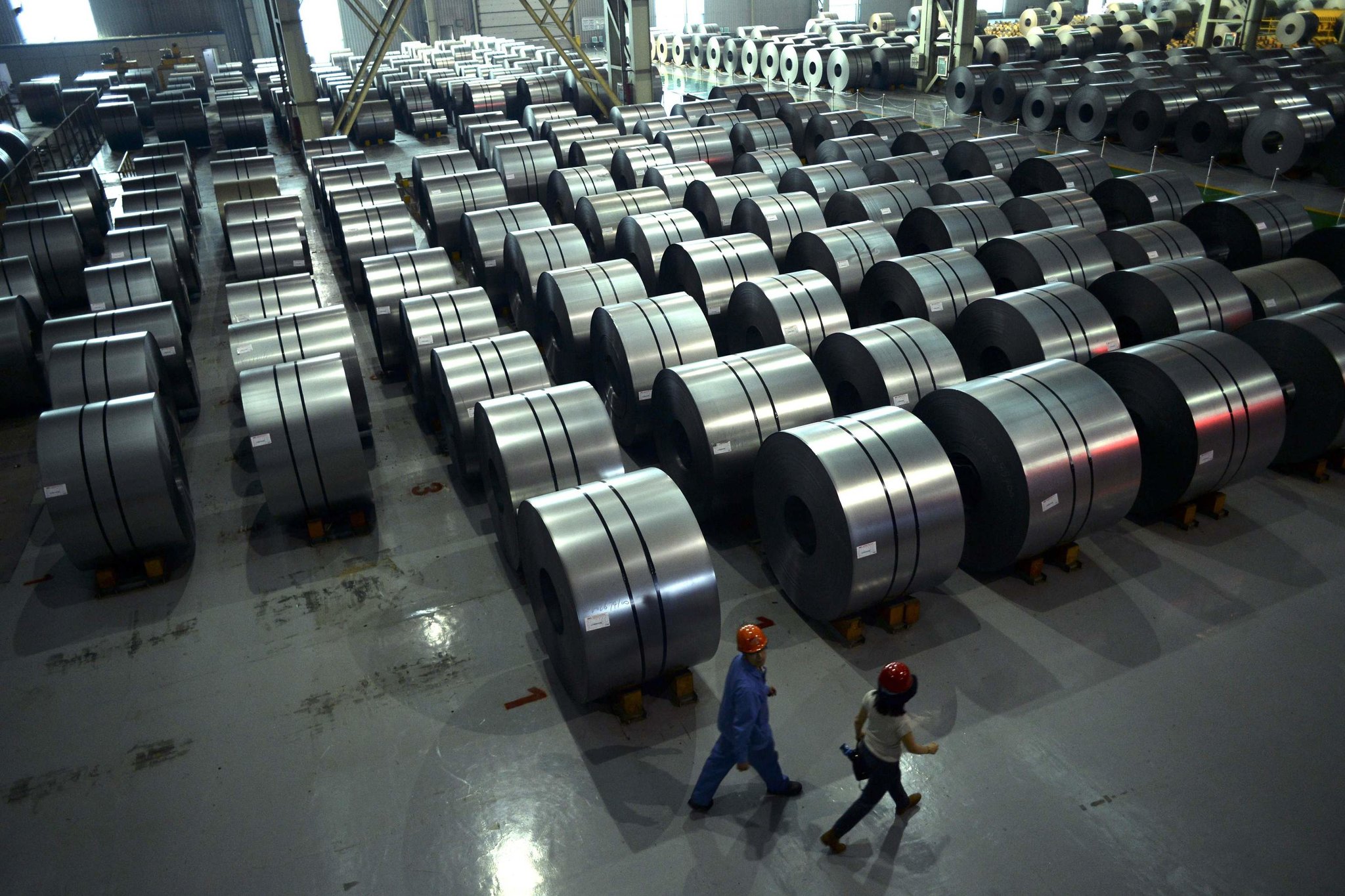
The deterioration of coil prices in recent weeks is notably slowing down and could soon come to a standstill altogether. Although this is not certain, some buyers are preparing to face the first week-on-week increases in offers from mills.
One Dutch manager, for example, tells of “an increasing number of contacts and insiders who believe that price increases are in the offing.” And he is more concrete with it: “There are rumours that one of the larger producers in the EU will soon start offering a base price that will be €50 ($51) or more per tonne higher than the current daily prices.”
While this new twist is not yet common, it might soon be. It would not automatically mean a resurge, as only “the coming weeks will show whether the market will accept this,” the manager notes. However, often enough, such signals help to stabilise prices and keep them from softening further.
Little wonder one mill source to Kallanish expresses optimism that an appreciation of prices is around the bend.
“We hear from customers that they intend to replenish their inventories, and we hear from carmakers that the shortage of semiconductor chips has been overcome now.”
His optimism is founded on a modest assessment of current ex-works prices of €850+/t for hot-rolled coil, and slightly under €1,000 for hot-dipped galvanised. While galv offers reported from the market were still higher recently, German buyers largely agree with the assessment of HRC, with some lower-priced deals heard from Austria.
Christian Koehl Germany
Northern European HRC prices stable despite competitive offers from Central Europe
Northern European hot-rolled coil prices were stable on July 18 despite competitive offers from Central Europe, sources told S&P Global Commodity Insights.
Platts assessed HRC in Northern Europe at Eur855/mt ex-works Ruhr July 18, stable day on day, according to S&P Global Commodity Insights data.
A mill source reported tradable value at Eur860/mt ex-works Northern Europe. The source confirmed offers at Eur900/mt ex-works, seeing near-term tradable value as increasing to Eur900/mt ex-works Northern Europe in the near- to mid-term.
Distributors estimated tradable values and reported offers at Eur840-850/mt ex-works Ruhr.
A Northern European re-roller was reported to offer HRC at Eur800/mt ex-works.
A Northern European buyer reported bids at Eur800/mt ex-works Ruhr.
And offers from Central Europe have been reported at about Eur800/mt ex-works. The offers, however, did not have a negative impact on Northern European market due to lower volumes available from the region, sources said.
Demand, in the meantime, has picked up slightly, but still remains below average due to sufficient stocks of distributors.
“Demand recovery is there, but it is almost negligible,” a trader said.
The buyers, however, would have to restock soon as the material availability is likely to be lower due to equipment stoppages at some mills and longer summer maintenance of the majority of steelmakers.
In addition, interest in import offers have been limited due to long lead times and as the weak euro compared to the US dollar makes import more expensive.
HRC in Southern Europe was assessed at Eur780/mt ex-works Italy July 18, down Eur5/mt day on day.
Sources estimated tradable value at Eur760-770/mt ex-works Italy, but latest transactions have been confirmed at Eur800/mt ex-works.
— Maria Tanatar, Benjamin Steven

Kaltenbach.Solutions launches ready-to-install IoT-based Industry 4.0 solution for machine manufacturers
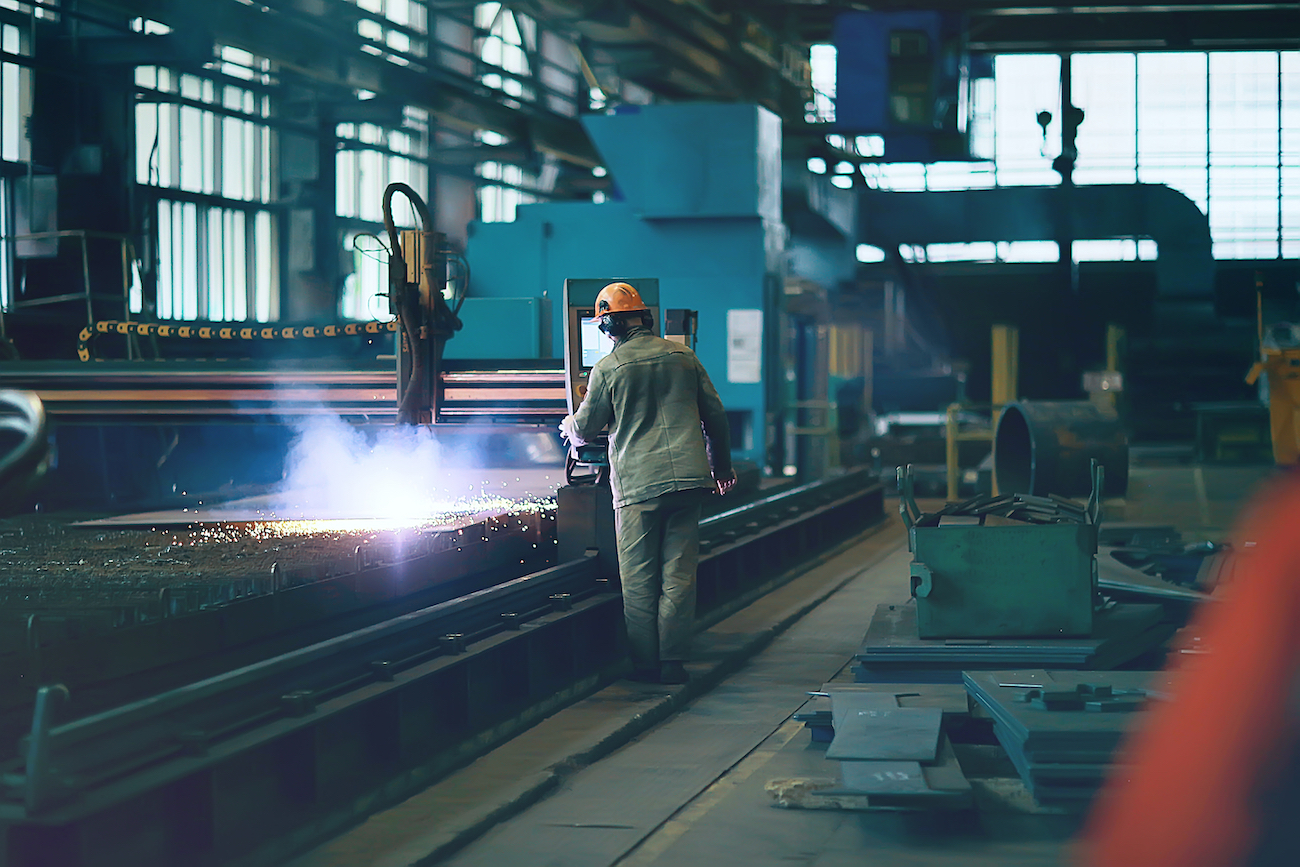
Complementing the end customer business, Kaltenbach.Solutions will be offering digital cloud-based services for machine manufacturers from the 3rd quarter of 2022, who can equip their machines with them as standard. The solution consisting of hardware and software can be attached to all machines used in the processing industry and enables machine builders to enter the digital world in an uncomplicated way. By expanding its target group, Kaltenbach.Solutions expects a significant increase in sales in 2023.
As a market-leading provider of web-based applications for the manufacturing industry, Kaltenbach.Solutions now also makes it easier for machine manufacturers to equip their machines with enhanced digital services. The digital cloud-based services are integrated into the customer’s existing IT and web environment as a so-called “embedded solution”. In addition, Kaltenbach.Solutions supports machine manufacturers in designing and implementing digital business models to shorten time-to-market.
The IoT solution from Kaltenbach.Solutions measures data in real time and displays key figures, machine and operating data as clear graphics. Relevant machine maintenance parameters, applicable regulations and malfunctions are also digitally recorded to simplify predictive maintenance. As an online service, remote maintenance is possible by connecting to the machine control system. Faults or failures are then recorded via a secure VPN connection and rectified using the integrated ticketing system. In addition, machine operators have access to solution-oriented expert knowledge at all times.