


European buyers start accepting higher prices for Q1 HRC
European hot-rolled coil buyers have started to accept higher prices, but bookings have been mainly for small volumes, sources told Fastmarkets on Monday December 12.Fastmarkets calculated its daily steel hot-rolled coil index domestic, exw Northern Europe at €632.93 ($666.10) per tonne on Monday, up by €5.68 from €627.25 per tonne on Friday December 9.
The latest calculation of the index was up by €0.43 per tonne week on week, but down by €12.07 per tonne month on month.
Offers from mills in the region were heard within the range of €650-700 per tonne EXW, for January-February rolling coil, sources said.
Transactions for small volumes were heard at €630 per tonne EXW, but several buyers said that €650 per tonne EXW was also a tradeable level.
One trading source reported bids at €600 per tonne EXW for HRC in the region, but other market sources said producers were not accepting prices that low anymore.
“We’ve passed the rock bottom; now there’s more activity on the market and there are less import offers,” the trading source said.
Fastmarkets’ calculation of its daily steel hot-rolled coil index domestic, exw Italy was €627.50 per tonne on Monday, up by €6.25 per tonne from €621.25 per tonne on Friday.
The latest calculation of the index was down by €5.83 per tonne week on week, but up by €2.50 per tonne month on month.
Offers from Italian mills were reported at €630-650 per tonne EXW, while buyer estimates of tradeable values were at €620-640 per tonne EXW.
Italian mills were able to offer coil with February delivery, Fastmarkets heard.
One source reported an assessment of achievable levels at €600 per tonne EXW, but this was not widely confirmed by buyers or producers.
“Mills are not accepting low prices anymore; on the contrary, there is gradual push for a price rise,” one buyer source told Fastmarkets.
There is potential for more price rises before the winter holidays, according to market sources.
“The destocking phase is coming to an end and buyers will look to book HRC for [first-quarter] delivery,” another trading source said.
No fresh import HRC offers were reported on Monday, with most overseas suppliers out of the market, sources said.
In the week to December 9, HRC from India was heard offered to Italy at $620 per tonne CFR and Korea-origin HRC was offered to Italy at €640 per tonne CFR.
Published by: Julia Bolotova

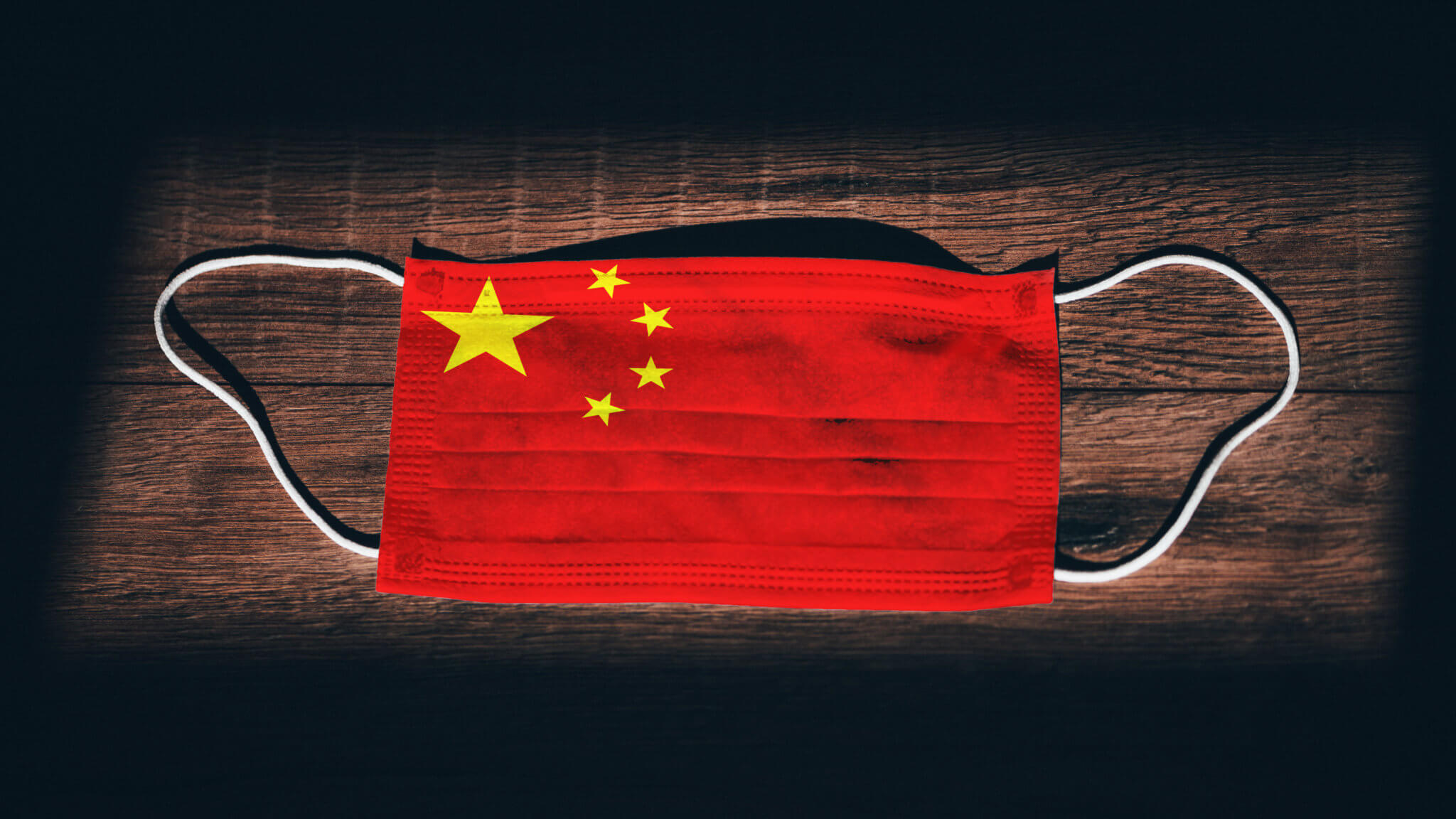
COVID-19 will be the biggest factor affecting the Chinese market this year
COVID-19 prevention and containment measures have had a serious impact on production and sales activities in China this year.

Since the outbreak of COVID-19 in 2020, China has implemented strict epidemic prevention and containment measures. Local lockdowns have had a serious impact on production and sales activities. In addition, the latest macroeconomic data show that it will be a tough end to the year. China’s export growth in October dropped by 0.3% year-on-year, down 6% compared to the previous month, as weaker external demand caused exports to turn negative. Following renewed pressure on economic growth, retail sales decreased by 0.5% year-on-year in October. This result is much lower than expected, with COVID-19 being the biggest factor affecting this year’s performance following the long lockdowns earlier in the year and sporadic ones since then.

As can be seen from the situation in Shanghai in the first half of this year, the impact of epidemic factors on vehicle retailing was very serious with a fall of 98% in April. The lockdown of the whole city caused production and sales activities to be almost entirely halted. The same situation happened in Jilin province where retail sales decreased by 92%. The charts also show that when Shanghai was reopened, June’s retail sales were boosted by 2430%, month-on-month and even increased by 5% compared with the same time in 2021. The market demand which had been suppressed by the pandemic was suddenly released in June.Note: COVID Cases include confirmed and asymptomatic


According to the country’s statistical ranking of the number of infections in 2022, the top 20 cities with the highest number of infections account for nearly 80% of retail sales. That is to say, national automobile retail sales have been seriously affected by the epidemic outbreak.Since October 2022, the epidemic has raged in Guangdong, Chongqing and other provinces and cities, with local governments taking corresponding containment measures resulting in relatively static local production and sales outcomes. Retail sales are down sharply, and statistics agencies have reported that nearly 40% of dealers across the country have been unable to operate since the outbreak began. Retail vehicle sales have been falling again since August and October year-to-date retail sales decreased by 5.5% year-on-year with the total at 16.2 million units. This shows that market demand is certainly being suppressed by the containment of the epidemic.In November, due to the rapid development of the epidemic and the continuous expansion of its scope, the market sales performance fell short of expectations. Affected by the epidemic control, auto shows and marketing activities around the country could not be carried out smoothly, and the auto market endured a rather subdued state, which led to buyer activity dropping off a cliff with the resulting sales volume being lower than expected.
China’s central government released several specific prevention and control measures recently, aimed at preventing and controlling the epidemic in a more targeted and scientific way. During the week of December 1, many local governments announced a series of local measures, and that the zero-Covid policy is being phased out. As of December 5, at least three provinces and 13 cities in China’s most economically developed regions have announced the relaxation of local COVID-19 control policies. Many local governments have removed the requirement for PCR tests. People will no longer be asked to show a negative PCR test result to enter public places.
Abandoning the zero-Covid policy is risky, as the number of infected cases and deaths will grow, and China’s healthcare system will be severely tested. Some researchers say the first wave of infections could kill between one and two million people. According to the former director of China’s Centre for Disease Control (CDC), about 60% of the population will catch COVID-19 in the first 2 months (the first wave impact), and 80-90% of the population will be affected within a year. It can be predicted that the first wave impact will last from December 2022 to Q1 2023. Additionally, after two years of strict containment, the sudden ‘opening’ could cause public panic. Most citizens are stockpiling medicines to deal with possible infections.

The auto market is likely to enter a wait-and-see period due to repeated outbreaks of COVID-19 and the drastic adjustment of quarantine policies. We believe that these uncertainty factors will adversely affect the market in the short term, and it will be difficult for the car market to return to the typical jump in activity at the end of the year. Under the influence of various adverse factors, the latest full-year 2022 sales forecast has been reduced by about 5% compared with the previous version. With the future of the purchase tax cut policy unknown at this time, we assume two possible sales curves over the next few years. If the policy is continued for another year, the resulting payback could happen in 2024 and 2025. If the incentive is withdrawn at the end of 2022, payback will take place in 2023.
by NAN ZHANG, PASSENGER CAR MARKET ANALYST


EMW Stahl Service GmbH will Vertrieb grüner Stahlprodukte steigern
Der Salzgitter-Konzern arbeitet eng mit Kunden und Partnern bei der Erreichung der Klimaziele zusammen – getreu der strategischen Mission „Partnering for Transformation“. Die EMW Stahl Service GmbH und die Salzgitter Flachstahl GmbH haben jetzt eine Übereinkunft über die Lieferung einer festgelegten Menge „grünen“ Stahls geschlossen. Eine erste Lieferung erfolgt nach der im Rahmen des Transformationsprogramms „SALCOS® – Salzgitter Low CO2 Steelmaking“ erfolgreichen Umstellung auf eine CO2-arme Stahlproduktion.
Die EMW Stahl Service GmbH will ihren Vertrieb von grünen Stahlprodukten in den kommenden Jahren steigern. Beginnend ab Ende 2025 wird der Salzgitter-Konzern seine Stahlherstellung schrittweise auf wasserstoffbasierte Verfahren umstellen. Ziel ist eine nahezu CO2-freie Produktion ab 2033.
„Als eines der größten unabhängigen Stahl-Service-Center freuen wir uns über die Liefervereinbarung mit unserem langjährigen Partner Salzgitter Flachstahl GmbH. Sie ist für uns ein wichtiger Schritt, um unser Produktportfolio im Bereich CO2-reduzierten Stahls zu erweitern. Neben unseren eigenen zahlreichen Maßnahmen ist dies ein weiterer Baustein hin zu mehr Nachhaltigkeit. Denn wir als Schäfer Werke Gruppe, zu der die EMW gehört, haben uns selbst das Ziel der Klimaneutralität bis 2030 gesetzt.“, so Michael Mockenhaupt, Geschäftsführer der EMW.
Das Unternehmen EMW Stahl Service GmbH ist schon langjährige Kundin und hat bereits frühzeitig großes Interesse an einem Bezug von bei der Salzgitter Flachstahl GmbH CO2-arm erzeugten Stahl geäußert. Phillip Meiser, Verkaufsdirektor Salzgitter Flachstahl GmbH, erklärt: „EMW ist ein zuverlässiger Partner und wir freuen uns sehr, dass wir jetzt auf der EUROBLECH eine Partneringvereinbarung schließen konnten. Genauso wie wir ist EMW sehr darauf bedacht vor allem beim Thema Umweltschutz eine Vorreiterrolle zu übernehmen. Zudem zeigt diese Zusammenarbeit, dass unsere Kunden SALCOS® als Weg erkennen, auch ihre Nachhaltigkeitsziele zu erreichen. Deshalb sehen sie einen Mehrwert in unserer Transformation hin zu grünem Stahl. Die Märkte für diese Produkte etablieren sich immer mehr, getrieben vor allem auch von unseren starken und langjährigen Partnern.“
Bildtext: Treffen auf der Euroblech 2022 zur Übereinkunft über die Lieferung einer festgelegten Menge „grünen“ Stahls. (v.l.:) Ulrich Grethe (Leiter Geschäftsbereich Stahlerzeugung Salzgitter AG), Jutta Schäfer-Hillenberg (Gesellschafterin SCHÄFER Werke), Phillip Meiser (Verkaufsdirektor Salzgitter Flachstahl), Michael Mockenhaupt (Geschäftsführer EMW), Holger Latsch (Einkaufsleiter EMW) und Maik Lintl (Verkaufsleiter Salzgitter Flachstahl).
von Hubert Hunscheidt
Erstes CO2-minimiertes Edelstahl-Coil erhalten

Das neue Produkt „Circle Green“ kommt mit 92 % weniger CO2-Emissionen aus als durchschnittlicher Edelstahl und wird in der neuen Edelstahl-Kategorisierung von Klöckner & Co damit in der Top-Kategorie „Prime“ geführt. Durch die Zusammenarbeit mit Outokumpu kann Klöckner & Co sein Sortiment an nachhaltigen Produkten und Dienstleistungen unter der Marke Nexigen® erheblich ausweiten.
Guido Kerkhoff, Vorsitzender des Vorstands der Klöckner & Co SE: „Nachdem wir uns frühzeitig signifikante Mengen an CO2-reduziertem Stahl gesichert haben, wollen wir für unsere Kunden im nächsten Schritt die Verfügbarkeit anderer CO2-reduzierter Metallprodukte erhöhen. Outokumpus erstes CO2-minimiertes Edelstahl-Coil stellt für unser Unternehmen einen weiteren wichtigen Schritt in die richtige Richtung dar. Damit ermöglichen wir noch mehr Kunden, bereits heute nachhaltige Lieferketten aufzubauen, und stärken zugleich unsere Position als Vorreiter der Nachhaltigkeit.“
Heikki Malinen, President und CEO von Outokumpu: „Wir möchten unsere Kunden und Partner bei der Entwicklung von Lösungen unterstützen, die dank der richtigen Materialauswahl das Klima entlasten. Als weltweit führender Anbieter von nachhaltigem Edelstahl freuen wir uns über die Zusammenarbeit mit Klöckner & Co, einem der weltweit größten produzentenunabhängigen Stahl- und Metalldistributoren. Der Aufbau einer nachhaltigen Metallindustrie ist beiden Unternehmen ein großes Anliegen. Mit unserer Kollaboration kommen wir diesem Ziel ein weiteres Stück näher. Durch Partnerschaften im Bereich der Nachhaltigkeit können wir Emissionen senken und Unternehmen bei der Erreichung ihrer Klimaziele unterstützen.“
Ab 2023 wollen Klöckner & Co und Outokumpu größere Mengen von CO2-minimiertem Edelstahl verfügbar machen. Die Anarbeitung wird unter anderem die deutsche Klöckner & Co-Tochter Becker Stainless übernehmen. Outokumpu kann künftig CO2-minimierten Edelstahl für verschiedene Kategorien der von Klöckner & Co entwickelten neuen Metrik bereitstellen.
Die neuen Kategorisierungen für CO2-reduzierte Edelstahl- und Aluminiumprodukte unter der Dachmarke Nexigen® vermitteln Kunden ein schnelles Bild vom CO2-Fußabdruck der von Klöckner & Co angebotenen Erzeugnisse. Die auf internationalen Standards basierenden Skalen unterteilen kohlenstoffarme Edelstahl- und Aluminiumprodukte in sechs materialspezifische Kategorien, die jeweils sämtliche CO2-Emissionen von der Rohstoffgewinnung bis zur Produktion berücksichtigen. So können Kunden die CO2-Bilanz von Produkten einfach und zuverlässig erkennen und vergleichen.
Outokumpu hat sich selbst ehrgeizige Nachhaltigkeitsziele gesteckt und setzt mit seiner im Juni 2022 eingeführten Produktlinie Circle Green neue Maßstäbe auf dem Markt für Edelstahl. Circle Green ist ein weltweites Novum, da bislang keinem anderen Hersteller eine vergleichbar emissionsarme Produktion von Edelstahl gelungen ist – rechnet man die gesamte Klimabilanz von der Rohstoffgewinnung bis zum Ende der Produktionskette mit ein. Outokumpu ist stolz auf die Platzierung in der „Prime“-Kategorie der Klöckner-Marke Nexigen®. Circle Green ist ab sofort erhältlich und wird die Dekarbonisierung der Stahlbranche weiter vorantreiben.
Quelle und Foto: Klöckner & Co. / Bildtext (v.l.): Heikki Malinen, Outokumpu, und Guido Kerkhoff, Klöckner & Co.
von Hubert Hunscheidt

Metso Outotec converts pilot plant into hydrogen-DRI unit
Metso Outotec says it will convert its Circulating Fluidized Bed (CFB) pilot plant in Frankfurt, Germany, for hydrogen-based direct reduction of fine ore, applying its Planet Positive Circored technology.
The pilot plant can be used for the reduction of high-grade iron fines concentrate and to confirm the design basis for an industrial-scale Circored plant, Kallanish hears from the technology company. Commissioning of the plant is expected to take place by December 2023.
“The investment enables us to pilot the reduction of low-grade iron concentrate fines in larger quantities than what we do today,” says Parizat Pandey, director of Direct Reduced Iron at the company.
Once operational, the 700mm pilot plant will be able to continuously produce 150-200 kg/h of direct reduced iron, using 100% hydrogen as the sole reducing agent. It will have an integrated pre-heating and reduction section, followed by a gas cleaning and recirculation facility. The data obtained from the use of electric heaters will be used to scale up the design of industrial heaters capable to running on renewable energy, Metso Outotec explains.
Headquartered in Helsinki, Finland, Metso Outotec employs over 15,000 people in more than 50 countries and its sales for 2021 were about €4.2 billion ($4.4 billion).
Christian Koehl Germany

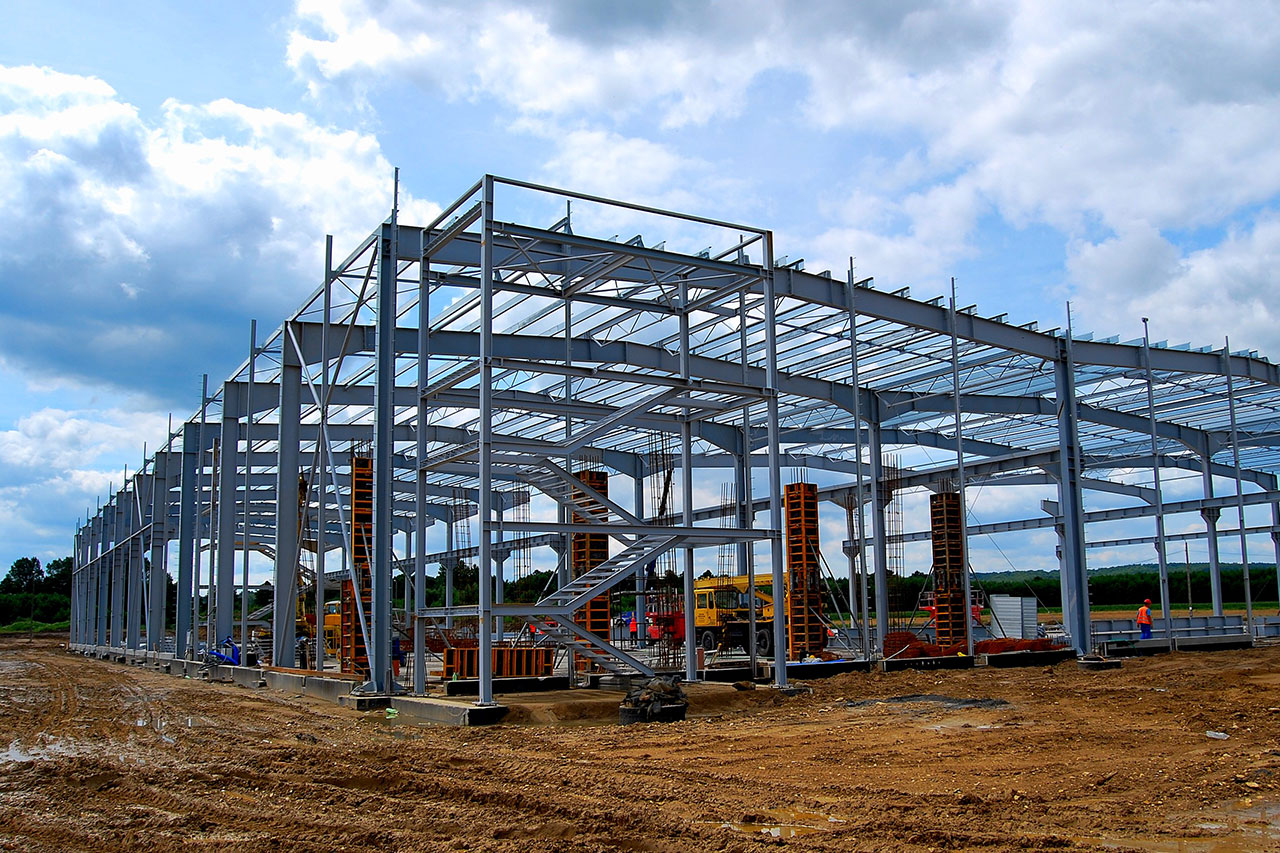
Salzgitter sells construction fabricator unit to Dutch firm
Dutch company Falk Bouwsystemen will take over Salzgitter Bauelemente GmbH (SZBE), effective 1 January, Salzgitter AG informs Kallanish.
SZBE makes trapezoidal profiles, cassette profiles and sandwich elements cut from strip supplied by Salzgitter Flachstahl, located adjacent to the fabricator of construction elements.
Buyer Falk Bouwsystemen is a family-run company with around 150 employees, and thus twice the size of SZBE. The company has focused on the construction of buildings in industry and agriculture for 15 years and ranks as market leader in the Netherlands, according to Salzgitter AG.
Falk’s production volume in the sandwich elements segment totals 5 million square meters, approximately five times SZBE’s volume. Falk claims it is the first company in the world to recycle sandwich elements, thereby reducing the environmental impact by around 40%.
“This transaction is the perfect fit for our Salzgitter 2030 strategy under which we announced a more active portfolio management in line with the best owner principle,” says Salzgitter chief executive Gunnar Groebler. For Falk, the acquisition means an independent entry into the German market, and it says that it intends to expand production volume at this location.
Christian Koehl Germany
European industry associations support EC’s original REPowerEU financing proposal
A number of European industry associations have written a joint letter to EU presidency, calling for co-legislators to return to the original European Commission proposal of financing the REPowerEU plan from the Market Stability Reserve, or MSR, with an agreement expected to take place in the week starting Dec. 12.
In a Dec. 8 letter to Minister Zbynek Stanjura and Minister Marian Jurecka, European Steel Association Eurofer Director General Axel Eggert said on behalf of a number of associations, including Eurometaux, Cembureau, Fertilizers Europe, FuelsEurope, EuroMines, among others, that the agreement should go back to the EC’s proposal to increase the Recovery and Resilience Facility, or RRF, financial envelope with Eur20 billion ($21.1 billion) in grants from the sale of EU Emission Trading System, or EU ETS, allowances currently held in the MSR.
This would be in addition to most of the financial resources required for the implementation of REPowerEU — aimed at making Europe independent from external energy supplies before 2030 — having been budgeted under the RRF.
However, this was amended by the European Parliament to collect the Eur20 billion from frontloading of future EU ETS allowances, while the European Council proposed to collect 75% of such amount from the Innovation Fund and the remaining 25% from the frontloading.
“We are worried that the Council proposal will be in harsh contradiction with an industrial policy making the green transition a business case for our companies,” Eggert wrote, adding that the Council’s proposal would divert around 170 million allowances at current carbon prices out of the 405 million allowances of the Innovation Fund.
He said the associations were also worried about the Council position on the ETS revision to reduce the Innovation Fund by further 50 million allowances, as the first call of the Innovation Fund in 2021 could not even provide 5% of the financing applied for by all projects.
“The Innovation Fund represents one of the core EU-wide instruments for supporting the roll out and uptake of low carbon projects,” Eggert said, adding that reducing its size was the opposite of what Europe needed.
Unprecedented challenges
“Energy intensive industries, which represent the foundations of strategic value chains in Europe, are currently facing unprecedented challenges from skyrocketing energy prices,” Eggert said.
“At the same time, the business case for low carbon investments in these sectors in Europe is heavily challenged by more favorable and effective domestic industrial policies by some of the EU’s major trading partners, such as the US Inflation Reduction Act,” he added.
This meant that it was “essential” that EU strengthened its industrial policy with more attractive, predictable and robust incentives for industrial investment, Eggert said.
The associations represented in the joint letter supported REPowerEU, as it would help provide the energy carriers and infrastructures needed by the EU to achieve climate objectives and energy resilience, Eggert said.
Although he added that the EU should urgently secure investment in the technologies to decarbonize energy intensive sectors in order to stop the EU’s de-industrialization.
“We urge you to take our request into consideration in the final negotiations and support the business case for our industries to invest in Europe,” Eggert said on behalf of the signatories.
BusinessEurope
The joint letter was in support of a Dec. 6 statement by BusinessEurope saying that by proposing to re-dedicate funds intended for the ETS Innovation Fund to finance the expenditures of RePowerEU, the European Council was “suggesting to largely deactivate one of the few instruments dedicated to support innovative low-carbon solutions being developed and deployed by the industry in the EU.”
“In the upcoming trilogues, Finance Ministers must let go of this idea and instead return to the original Commission proposal, which would have made use of the flexibility inherent in the ETS’ Market Stability Reserve,” BusinessEurope Director General Markus Beyrer said.
He added that instruments like the ETS innovation fund were needed to implement low-carbon solutions and build business models around those and it was essential that the EU improved the investment climate for industry decarbonization, but that, with their current proposals, EU finance ministers were trying to do the exact opposite.
— Jacqueline Holman
