

Iberian steel stockists expect prices to remain elevated amid ongoing market uncertainty
Spanish and Portuguese steel distributors expect steel prices to remain at elevated levels for the duration of 2023 amid ongoing economic uncertainty and high inflation.
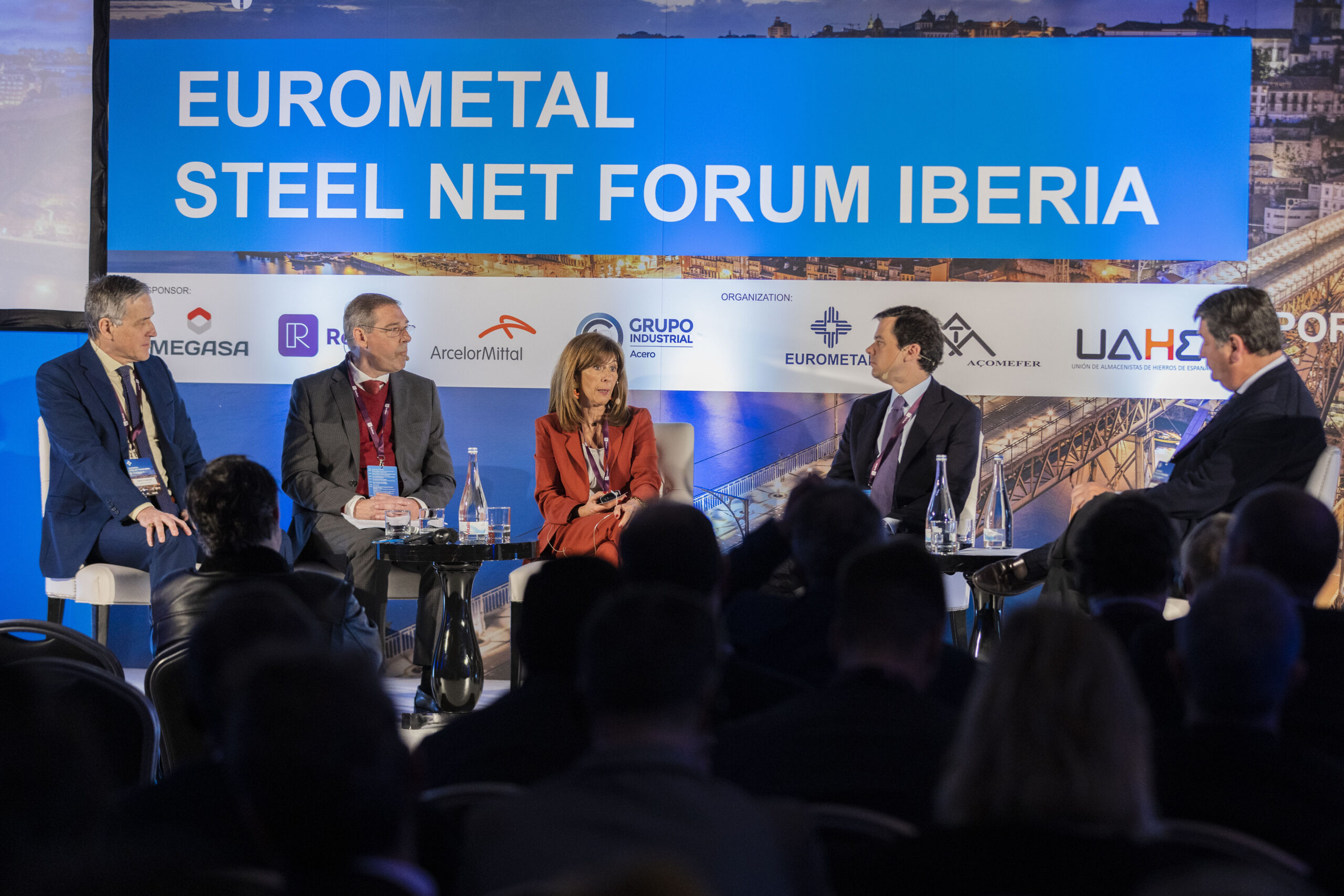
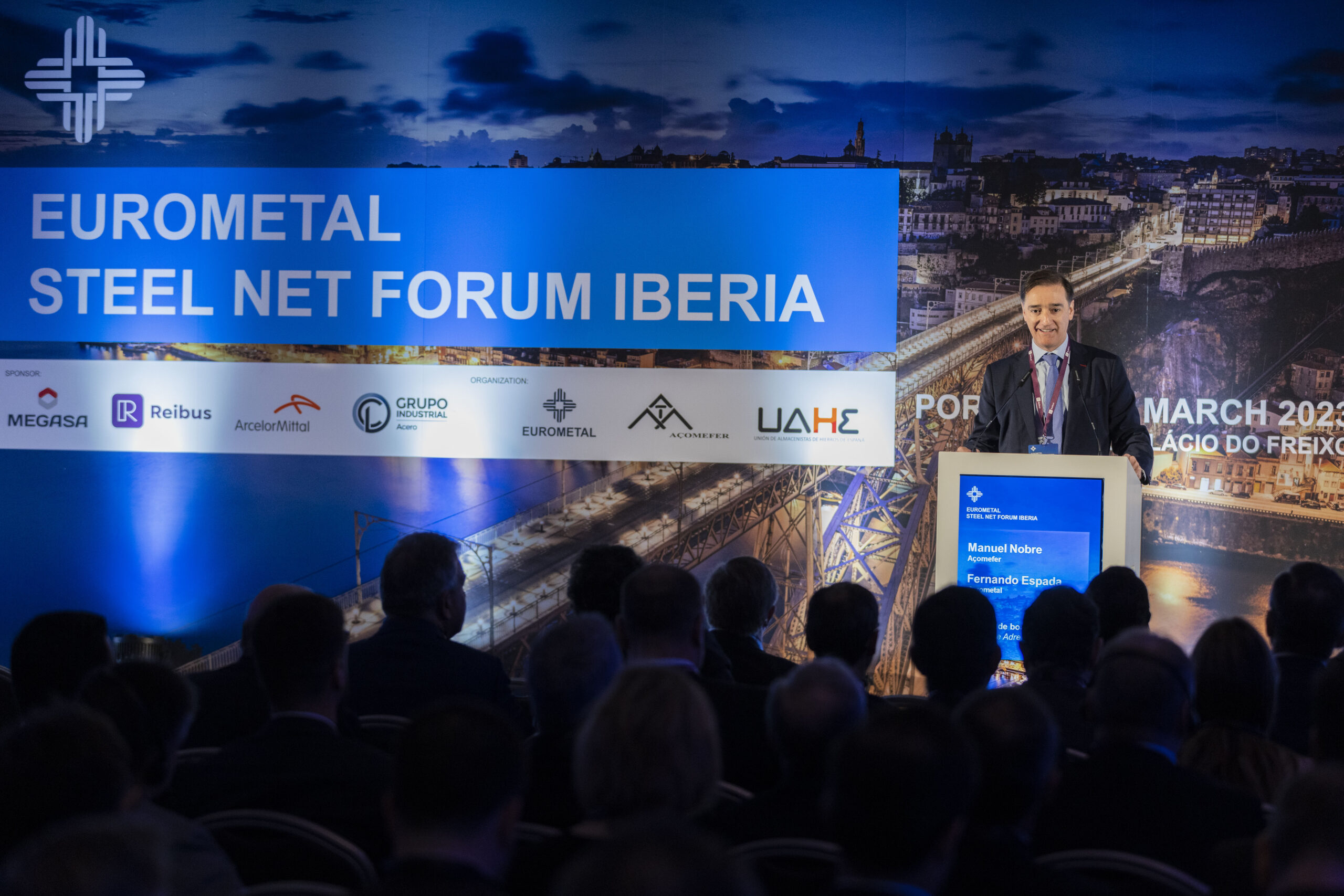
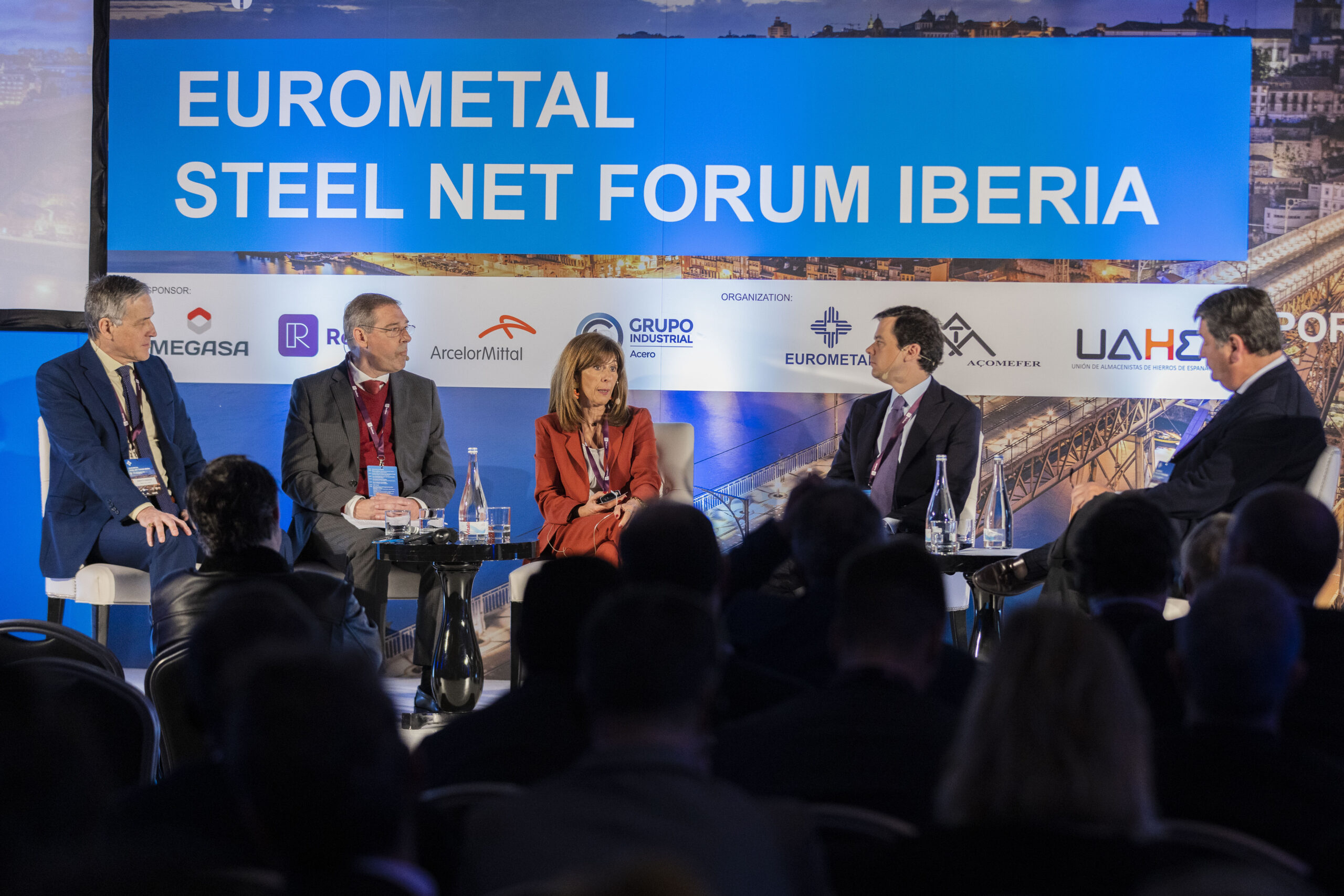
Speaking at the EUROMETAL Steel Net Forum Iberia in Porto on March 17, a panel of executives from prominent steel distributors gave their thoughts on the challenges facing the industry going forward.
The war in Ukraine, the energy crisis, supply chain disruption and high inflation had contributed to sharp price variations seen throughout the course of 2022, said Paula Correia Dos Santos, chair of Portuguese steel stockist J. Soares Correia – Armazéns de Ferro.
She predicted that the current elevated market prices would persist for the near-term owing to higher costs and ongoing supply chain pressures.
In her opinion, Spanish and Portuguese steel distributors are too focused on maximizing sales rather than increasing efficiency across their business.
“The industry needs to think about cost reduction and strengthening gross margins while increasing awareness of the process services we provide,” she said.
She added that distributors should also improve their understanding of the price structure upstream.
“We should all be aware of upstream costs and ensure that our prices are sensitive to the market,” she added.
Manuel Nobre, who is president of the Portuguese steel association Acomerfer and CEO of Groupo FAF, said that steel distributors must improve their communication when it comes to the value they provide in terms of supporting the execution of projects.
He said that distributors should also improve the value of their service while being resistant to client pressure regarding prices.
“We must avoid analyzing everything at average prices,” he said.
He also said that distributors need to learn to better analyze the signals from the market in order to secure prices that reflect true value.
“Just focusing on margins and tonnage makes no sense,” he said.
— Euan Sadden


Distributors cautiously positive about 2023 steel price outlook: EUROMETAL forum

Iberian steel distributors are cautiously optimistic about the steel sector’s performance in 2023, Fastmarkets heard on the sidelines of EUROMETAL’s Steel Net Forum Iberia in Porto, Portugal, on Friday March 17.
Despite high levels of volatility and looming challenges — including high inflation rates, energy prices and geopolitical risks due to Russia’s war in Ukraine — steel prices are not likely to drop to the low levels seen in 2022 again, market sources told Fastmarkets.
“We might see a downward correction [of HRC prices] in the summer due to seasonal factors, but a nosedive is unlikely,” a distributor told Fastmarkets.
“Volatility will set prices, but old levels are very unlikely,” another source said.
Sources agreed, however, that the recent upticks in flat steel prices have mainly been achieved thanks to limited supply resulting from output cuts in the last months of 2022, rather than a real steel demand rebound.
Fastmarkets’ weekly assessment for steel hot-rolled coil domestic, exw Spain averaged €763.75 per tonne in February, up from a monthly average of €706.25 per tonne in January.
Last year, the European market registered the steepest drop in steel output rates since 2008, sources noted.
Steel output in Iberia totaled 13.3 million tonnes in 2022, down by 17.5% year on year, while flat steel output dropped by 25% and long steel by 14%.
In Spain, ArcelorMittal stopped one blast-furnace (BF) in Gijon in September 2022 amid poor fundamentals. The steelmaker also halted one electric-arc furnace (EAF) in Sestao in August 2022 for scheduled maintenance but delayed restarting operations in September, citing low consumer confidence and rising import levels.
The BF in Gijon has since restarted, but the EAF in Sestao remains idled.
Energy prices lower but still volatile
Energy prices in Spain and Portugal have declined from the record levels reached during last year’s energy crisis, triggered by Russia’s war in Ukraine, but costs still remain high and volatile.
The Spanish government has been regulating electricity prices to ensure stability and affordability; however, average electricity prices in Spain still remain higher than elsewhere in Europe.
Notably, energy prices in Spain were hovering at around €80-90 per megawatt hour (MWh) in mid-March, compared with a record monthly average of €283 per MWh in March last year.
The governments of Spain and Portugal have recently asked the EU to extend a cap on electricity prices, which is currently set to end on May 31, until the end of 2024. In case the so-called “Iberian exception” is not prolonged, the cost of electricity in Spain could surge to about €150 per MWh on average, one source told Fastmarkets.
Raw materials and carbon costs remain elevated
Also supporting upbeat expectations for finished steel prices have been the high costs of raw materials and carbon allowances, sources said.
The carbon permit price in the EU surged above €100 per tonne again on March 10, up from around €70-80 per tonne in March 2022. On March 17, however, the price retreated to around €90 per tonne.
International scrap prices have also been on the rise recently. Notably, Turkish steelmakers have accelerated deep-sea scrap purchases in recent weeks to meet the expected demand for 5 million tonnes of steel for the rebuilding of earthquake-damaged areas. Even though purchasing activity has slowed recently, sentiment in the market remained rather upbeat.
Fastmarkets’ index for steel scrap, HMS 1&2 (80:20 mix), North Europe origin, cfr Turkey averaged at $423.14 per tonne in February, up from a monthly average of $406.59 per tonne in January. The index was most recently calculated at $459.26 per tonne on March 17.
Published by: Julia Bolotova
17 Mar 2023 @ 20:57 UTC


European sections prices, demand to remain strong: EUROMETAL conference

Sharp price volatility in European steel and scrap markets is seen coming to an end in 2023, but pre-pandemic pricing levels are very unlikely to return, according to ArcelorMittal director of commercial profiles in Spain Juan Mañá Herranz. Higher prices will be supported by the international steel market and energy situation.
“The price of sections rose by almost €300/tonne between 2021-22, but at the end of last year fell by €340/t. Levels should be stable, fluctuating by €50-60/t or even a little more in the coming months but would never be so low as they were in 2018,” Herranz said during Friday’s EUROMETAL Steel Net Forum Iberia in Porto.
This price scenario is based on growing demand as well as higher production costs related to raw materials purchases, electricity and gas supplies, he noted at the event attended by Kallanish. According to Herranz, Spain should consume 500,000-515,000 tonnes of sections in 2023, up 4-7% on-year. Portuguese demand will range between 137,000-144,000t, which would be 5-10% more compared to last year.
The Iberian steel industry expects the recovery to continue in 2024, supported by a better economic scenario in the EU, which should be felt from the second half of this year, Herranz concluded.
Todor Kirkov Bulgaria

Spanish distributors see challenging scenario in 2023
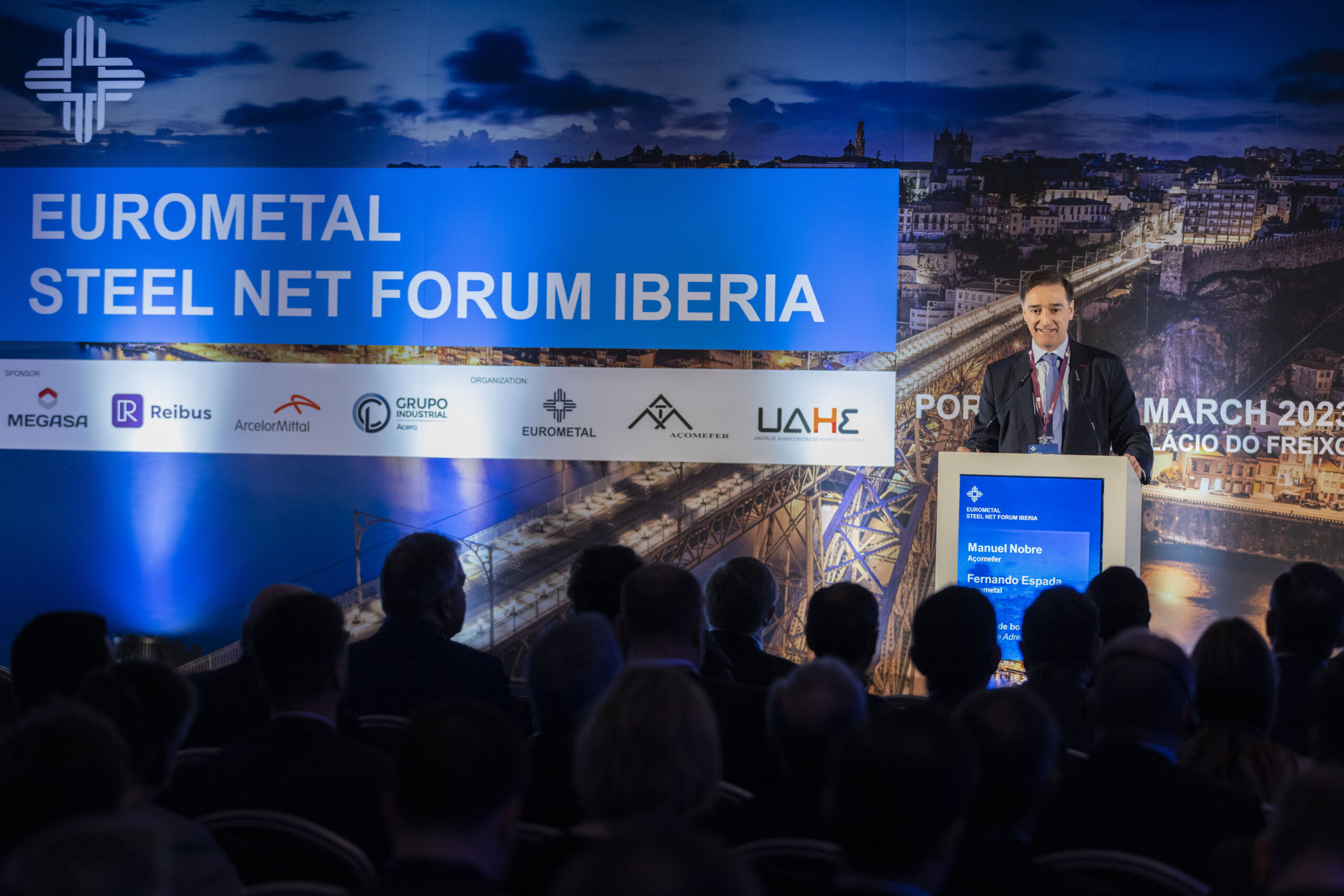
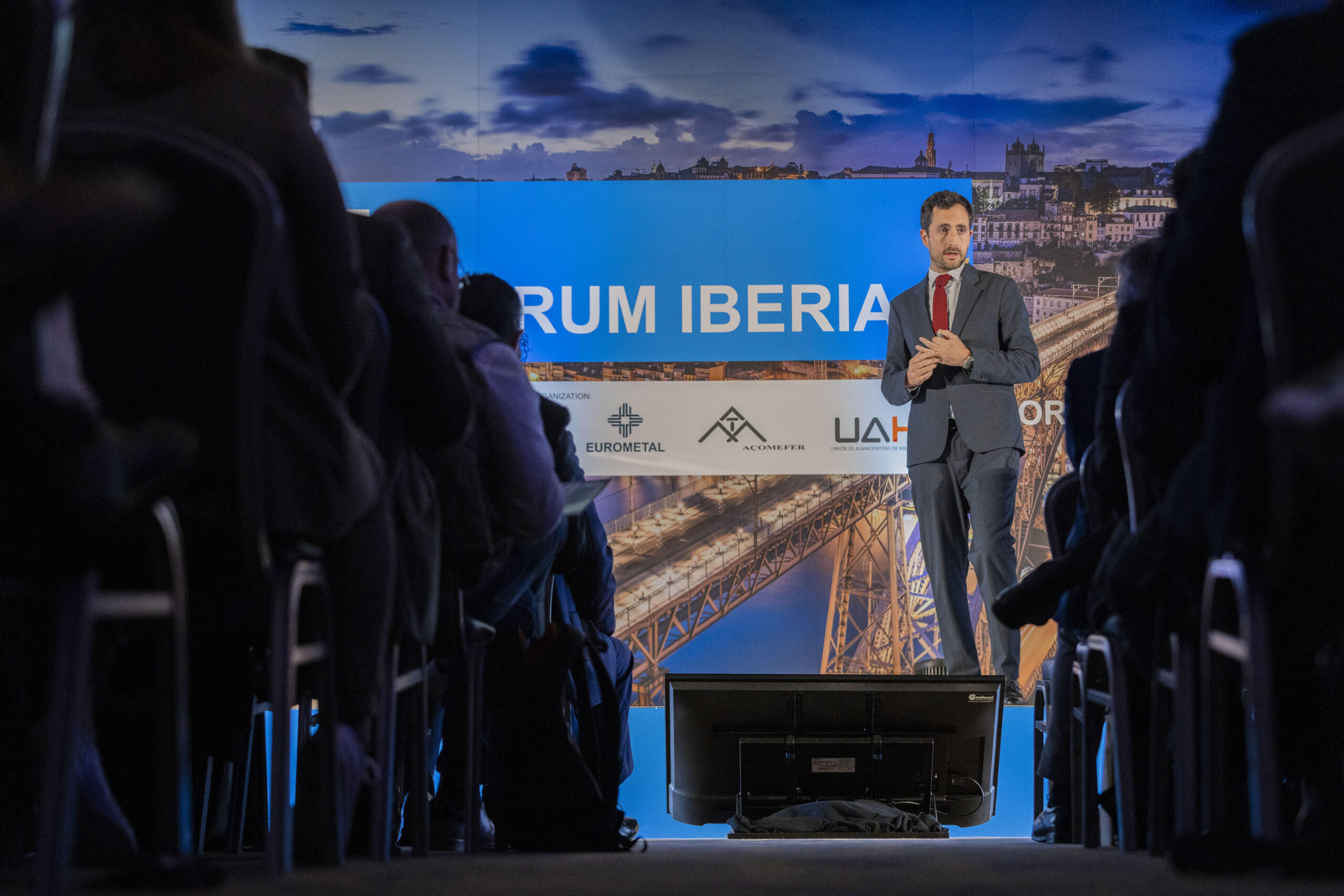
Spanish steel distributor representatives have expressed moderate optimism about the growth of steel consumption. They see short-term growth dependent on factors such as inflationary control, economic growth and the recovery of construction and infrastructure sector demand.
The uncertainty in the automotive sector’s transition towards electrification, as well as high prices of inputs and electricity continue to worry distributors, delegates told Kallanish on the sidelines of the EUROMETAL Steel Net Forum Iberia in Porto last week.
“We see a recovery in the sector, despite challenges resulting from the conflict in Ukraine and supply disruption,” one participant commented. “There was strong demand for material at the end of last year, both from construction companies and individuals preparing to restart projects, but higher prices in the last months are once again limiting purchases.”
However, according to another Spanish steel distributor, current levels may already have become a “new normal”. “At the end of our chain we find the conditions of the large steel companies. If they say they have high production costs and raise their prices, we must accept this, lowering our sales margins to be able to pass this adjustment on to final consumers. However, steelmakers’ commercial dealings are not so flexible with traders,” he said.
A service centre representative expressed concern that steel consumption in Spain is already being affected by higher prices. “Construction companies are reassessing their investments and that is indirectly affecting business. Efforts to improve the added value of our services, as well as improve equipment and build new storage yards, are in vain,” he commented.
Todor Kirkov Bulgaria
Iberian distributors embrace ‘new normal’, old concerns persist

Spanish and Portuguese steel distributor representatives anticipate certain market fluctuations in the following months, but the market should return to “normal”, Kallanish heard during Friday’s EUROMETAL Iberia Steel Net Forum in Porto.
The new economic reality is seen requiring new solutions from both producers and the distribution chain in the Iberian Peninsula. The sector says some old concerns remain, while it faces a challenging scenario amid high energy and transport prices.
“Good management by companies in the face of the challenging economic panorama does not consist only of selling steel, but also of supplying better and innovative services to customers,” commented Paula Correia dos Santos of J. Soares Correia Group. “Steelmakers and stockists in Iberia have a suitable role in the value chain and thus must understand that giving value to customers can guarantee margins.”
According to Manuel Nobre, president of Portuguese steel distributor association Açomefer, Iberian service centres have been gaining stability since the beginning of the war in Ukraine. “In the last 12 months, we understood that the situation is giving us different opportunities in making business with a profit,” he said. The executive believes distributors have enough capacity to supply the market, but current market demand remains conditioned by high costs and reduced investment.
The president of the Spanish Association of Distributors Union of Iron Stockists (UAHE), Roberto González, said the sector is in the stage of adaptation to the “new market reality”.
“Companies in the sector are undertaking an innovation process because the market demands it. The change of mentality and the greater flexibility attract a young workforce in our distribution centres in an era in which digitisation becomes more and more essential. This improves sustainability and profitability of services,” González observed.
Conference participants agreed that the distribution chain is an essential and fundamental link that completes the steel industry, and manufacturers must understand its important role when making their pricing decisions.
“We have been able to restore supplies and maintain the recovery over the past year, but what mills need to understand is that we are not selling less product because we are out of material. We work in a very dynamic environment and it is difficult to estimate how much stock to maintain. The situation is being dictated by high steel offers, together with the growing competitiveness of the market,” a UAHE delegate added from the audience.
Todor Kirkov Bulgaria