

Czech car production hits all-time high, Poland mixed
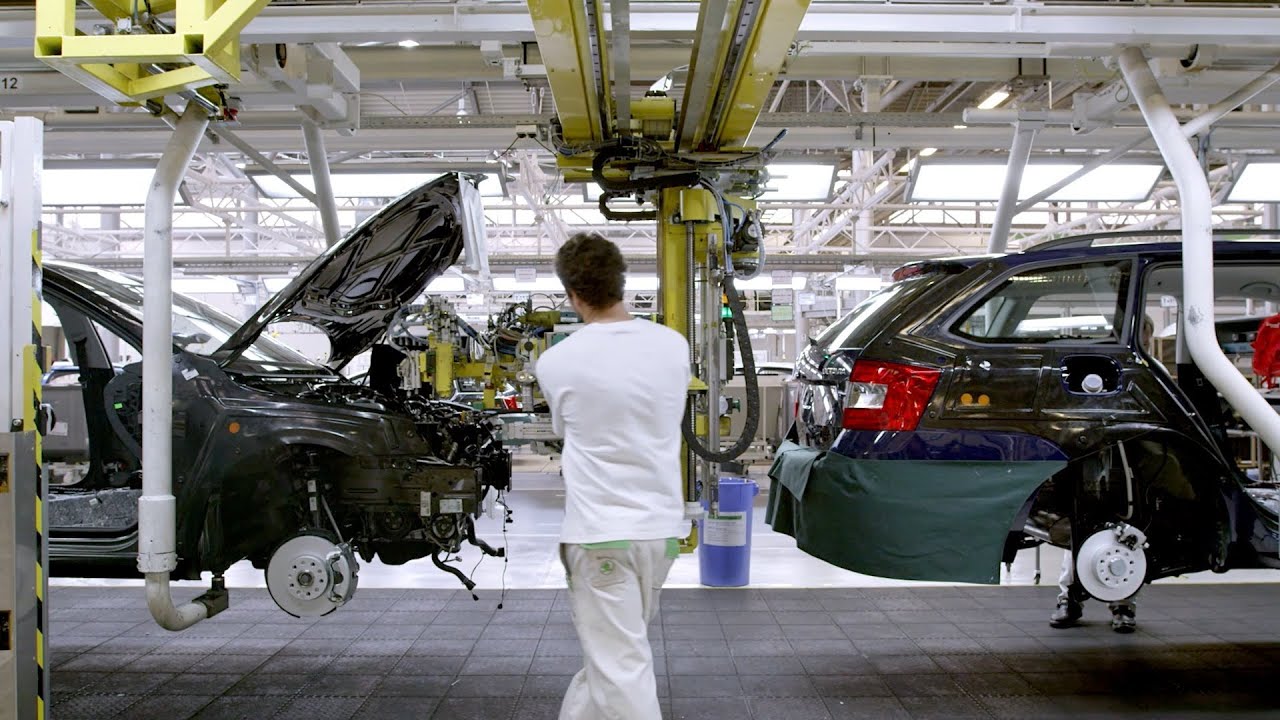
A slump in December could not prevent Czech passenger car production from rising 3.9% on-year in 2024 to 1.45 million vehicles, driven by 4.5% growth in exports, according to Czech Automotive Industry Association data seen by Kallanish. This was an all-time high.
Largest producer Skoda saw output rise 3.7% in 2024 to 896,933 units, while Toyota production surged 17% to 225,058 units. However, Hyundai saw production fall 2.8% to 330,890 vehicles.
The Czech Republic is Central and Eastern Europe’s largest car manufacturer, sourcing automotive steel from US Steel Kosice (USSK) and ArcelorMittal among other suppliers, and producing most cars for export.
Its 2024 performance flies in the face of the doom and gloom surrounding the European automotive industry last year. Passenger car production in largest EU carmaker Germany was stable on-year at 4.1m units (see separate story).
Passenger car production in neighbouring Poland however fared much worse, dropping 28% on-year in 2024 to only 216,200 vehicles, a multi-year low, according to Statistics Poland (GUS).
Polish truck production nevertheless grew 8% to 332,043 units, a multi-year high, while output of buses grew 39% to 7,103 units, the highest since 2019.
Adam Smith Poland


German car production seen rising slightly in 2025
Germany’s carmakers expect only a slight year-on-year increase in domestic passenger car production in 2025 – by 1% over 2024 – to 4.15 million units, Kallanish hears from national automotive association VDA.
The main reason for this is overall economic weakness, VDA notes. Foreign production of German brands is expected to increase by 2% to 9.7m cars globally.
With regard to electric cars, however, “we expect a positive development, after a production record was already reached last year,” says VDA chief economist Manuel Kallweit.
VDA forecasts domestic production of electric cars to increase by 24% in 2025, with battery-driven cars rising by 30%, and plug-in-hybrid cars by 2%. Overall, 1.7m electric cars are likely to be manufactured in Germany this year. The country will thus consolidate its position as the world’s second-largest production location for electric cars behind China, VDA underlines.
German passenger car production last year came to 4.1m units, about the same as in 2023. This meant a notable slowdown in the production rebound seen over the previous two years. In 2023, output from German plants had risen 18% year-on-year. In 2022, production increased 11% on-year, recovering gradually from the shortage of semiconductors that dominated 2021. However, compared to the pre-Covid year of 2019, 2023/24 output was still 12% lower, the association notes.
Christian Koehl Germany

ArcelorMittal increases European coil prices
ArcelorMittal is set to raise coil prices by €30/tonne ($20.8-31.2) in Europe, effective for deliveries in April, according to market sources.
Lead times at the steelmaker’s facilities in Europe have now been extended to April, as order books for the first quarter are reported to be full. Current asking prices for hot rolled coil in the new allocations are positioned at €660/t base delivered. Sources indicate that prices for hot-dipped galvanised coil are rising to €780/t base delivered.
Import restrictions in the EU are driving customers to source material domestically within Europe. Demand in some European countries is said to be improving, according to some sources, Kallanish hears.
Amid the ongoing review of EU steel safeguard measures, Eurofer has provided recommendations to the European Commission on making the measures more restrictive. The association is proposing reducing tariff-rate quota volumes to reflect declining EU steel demand and raising the safeguard duty to 32-41%. It also wants to cap quotas for other product categories at 15%, as was done last year for HRC and wire rod.
Natalia Capra France