


UK steel industry expects price increases in 2027; imports of fabricated goods may undermine trade regulation
The UK steel industry anticipates higher prices in 2027 despite largely tepid demand expectations, with key regulatory developments, such as the start of the UK’s Carbon Border Adjustment Mechanism and the recent safeguard quota changes, remaining under the spotlight at the annual joint International Steel Trade Association (ISTA) and National Steel Association (NSA) 2026 meeting.
With many market participants converging in Leeds for the annual joint meeting Oct. 22, the impact of the revised UK tariff rate quotas was a key topic, with concerns still existing over whether domestic UK production could fill the supply gaps left from a tighter import environment.
One speaker stated that the market remained supply-driven, as demand across most products remained largely weaker, albeit not in contraction. Like the dynamics affecting the European market, sources at the event noted that a recurring point of contention during negotiations was the allocation of risk, with buyers preferring to purchase outright on duty-inclusive terms, inclusive of potential CBAM charges.
However, due to uncertainty over these final CBAM charges — either due to verification concerns or limited transparency about inputs when purchasing from re-rollers — traders remained hesitant to close deals at an outright price or offer on inclusive terms, given the potential for margin-busting, higher-than-expected costs. Buyers and sellers at the event alluded to additional contract clauses being considered, either to share any higher-than-expected CBAM costs or to postpone any CBAM charges until the final cost can be ascertained, but these have been met with mixed reactions.
This uncertainty has also extended to the safeguards, with an increase in offers reported on a DAP basis, compared to the more traditional DDP terms used in the UK market, as sellers attempt to limit their risk exposure to any additional costs from material imported in excess of allocated quota volumes.
For hot-rolled coil imports into the UK, as of Oct. 26, the residual country quota was fully exhausted, with India at 94% of its 8,364 metric ton quota also allocated. South Korea’s quota sits at 20.3% allocated, of a total of 2,196 mt, while the largest quota, EU-origin HRC has allocated 65,700 mt of 93,750 mt total, data from the UK Department for Business and Trade showed.
Imports of fabricated goods may undermine regulation
According to numerous panel and audience members, the inflow of fabricated steel goods remained a key concern, with many arguing that it would undermine the current safeguard measures affecting upstream materials and that it could be used to circumvent CBAM from 2027. As in the EU, there are no quotas on downstream production, with limited protection provided by the EU’s safeguards for material exported from the UK for processing before being reimported (or vice versa).
One source with close ties to ports in the UK noted a large increase in these fabricated goods entering the country in 2026 and said they expected this trend to continue until the government provides sufficient protection.
Logistical issues
Logistical issues, ranging from sustained higher fuel costs impacting inland and waterborne freight charges to a shift in import patterns causing significant port backlogs, were also a key topic of discussion during the event, with expectations shifting toward significant steel inflows surrounding the quarterly refresh date for the safeguard quotas.
As a result, sources expect cyclical delays, with some already being recognized by port authorities following the recent quota refresh. Some material has struggled to clear customs in time for the 1st of the quota period, leaving importers potentially liable for out-of-duty costs. Likewise, it was also highlighted during presentations at the event that significant backlogs were forming across all imported products due to the influx of material timed around quotas refreshes due to insufficient berths and the resulting ship queues, increasing the risk of demurrage charges. In addition to the extra manpower required to move the material through the warehousing system or make it ready for inland freight, some market participants at the event shared broader concerns that these trends were likely to continue for the long term.
Author: Charles Thompson, Riley Waters

German steel distribution sales rebound in Sep as stocks drop from Aug
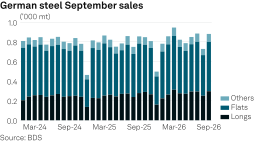
German steel sales rose to 879,820 units in September, 2.9% higher year over year and 20.9% up month over month, data from Bundesverband Deutscher Stahlhandel, the German steel association of steel stockholders, showed Oct. 27.
The month-over-month increase was recorded across all three product categories. Sales of steel longs rose 18.4% from August to 296,173 units, while flats longs increased 21.5% to 503,098 units. Sales of other steel products climbed 27.1% to 80,549 units, according to the BDS data.
Compared with September 2025, steel longs sales increased 7.1%, while sales of other steel products rose 9.6%. Flats longs sales were broadly stable year over year, edging down 0.3%, the data showed.
The September recovery followed a weaker August, when total sales fell to 727,529 units. September sales were also 5.8% above the 2025 monthly average of 789,369 units.
Total steel stocks declined to 1,868,313 units in September, down 2.8% from 1,921,832 units in August, according to BDS. Stocks of steel longs fell 2.1% month over month to 618,961 units, while flats longs stocks decreased 3.2% to 1,211,698 units. Stocks of other steel products were relatively stable, easing 0.8% to 37,654 units.
Despite the monthly decline, total stocks remained 1.4% above September 2025 levels. Flats longs inventories increased 3.6% year over year, and stocks of other steel products rose 23.5%. These gains more than offset a 3.8% decline in steel longs stocks.
For the third quarter as a whole, average total sales were 830,846 units, up 1.3% from the 819,973-unit average in the third quarter of 2025, according to the BDS data. The Q3 2026 average was also 1.5% above the second-quarter 2026 average of 818,333 units.
Average total stocks during Q3 2026 stood at 1,903,146 units, up 2.1% year over year and 1% from the second quarter. The quarterly increase was driven by higher average stocks of flats longs and other steel products, while average steel longs stocks declined.
Author: Annalisa Villa

ArcelorMittal trial shows carbon capture could cut steel emissions
ArcelorMittal and partners Mitsubishi Heavy Industries Ltd., BHP and Mitsubishi Development Pty Ltd. have completed the first phase of a carbon capture trial at the steelmaker’s integrated Ghent plant in Belgium, supporting further assessment of commercial-scale deployment, the partners said in a joint statement Oct. 28
The trial is relevant for the wider steel market because blast furnace-based production accounts for around 70% of global steel output and is expected to remain significant for decades. In Ghent, the company has two blast furnaces, with a capacity of around 5 million metric tons per year of crude steel.
According to the statement, the trial demonstrated CO₂ capture, at pilot scale, at rates exceeding 90%, and provided operational and engineering data to support the assessment of the potential for future full-scale application of the carbon capture technology at the Ghent blast furnace.
Engineering assessments based on the results indicate that full-scale application to the blast furnace’s pre-combustion off-gas could lower the Ghent facility’s overall CO₂ intensity by up to 24%, the companies said. If the technology is applied across multiple emission points in the steelmaking plant, the approach could support progress toward near-zero emissions intensity, they added.
“The results of this trial are very promising and demonstrate the abatement potential of the blast furnace and integrated steelmaking route,” according to BHP Vice President Marketing Sustainability Ben Ellis. “Through this partnership, we have tested a pathway to meaningful emissions reductions in the near term, and a potential lever for near-zero emissions blast furnace steelmaking longer term.”
In phase one, the trial separated CO₂ only, with the remaining carbon monoxide potentially continuing to be used for power and heat generation at the site, although its subsequent combustion releases additional CO₂, the companies said.
The partners will now move to phase two, applying the capture process to post-combustion gases from Ghent’s hot strip mill reheating furnace. That furnace uses a variable blend of coke oven gas, blast furnace gas, basic oxygen furnace gas and natural gas, creating a more dynamic flue-gas composition than the phase-one stream.
Platts, part of S&P Global Energy, assessed Northwest European hot-rolled coil carbon-accounted at €810/mt ex-works Ruhr Oct. 27, up €5/mt day over day.
Author: Annalisa Villa
SSAB sees stronger steel prices ahead as Europe market improves
Swedish Steel AB said it sees signs of an improved supply-demand balance in the European market, with prices rising during the third quarter, sustained by the new EU trade measures that entered into force July 1, the steelmaker said Oct. 28 on its Q3 earnings.
SSAB said costs are increasing and realized prices for the steel divisions are expected to be somewhat higher in the fourth quarter than in the previous quarter.
The steel producer expects fourth-quarter shipments to be 5%-10% higher quarter over quarter at SSAB Europe, broadly stable at SSAB Americas and up to 5% lower at SSAB Special Steels. Raw-material costs are expected to be somewhat higher, while other variable costs, including freight and energy, are expected to remain high.
The outlook reflects divergent regional conditions. European steel demand remained cautious in the third quarter, but lower imports following new EU trade measures helped improve the supply-demand balance and lift plate and strip prices. North American plate markets remained strong, with rising prices and relatively low distributor inventories.
SSAB crude steel production increased 5% year over year to 1.90 million metric tons, while rolling production rose by 7% to 1.705 million mt. Steel shipments climbed by 4% to 1.530 million mt. However, all three measures declined from the second quarter due to planned maintenance and seasonally weaker demand. Special Steels shipments rose 9% year over year to 314,000 mt, while SSAB Europe’s deliveries increased 4% to 770,000 mt.
On decarbonization, SSAB maintained its key commissioning milestones. The Oxelösund electric arc furnace (EAF) is scheduled to begin production in the second quarter of 2027, while the new Luleå mini-mill remains within budget and on track for a late-2029 startup. Timing for the subsequent Raahe conversion remains contingent on raw material availability, financing capacity, market conditions and experience from earlier projects.
SSAB lowered its 2026 maintenance and strategic capital expenditure forecast to 11.2 billion Swedish kronor from 13.5 billion Kronor, citing revised supplier-payment timing rather than project delays.
Author: Annalisa Villa
Andreas Beil appointed Managing Director of Stahlo
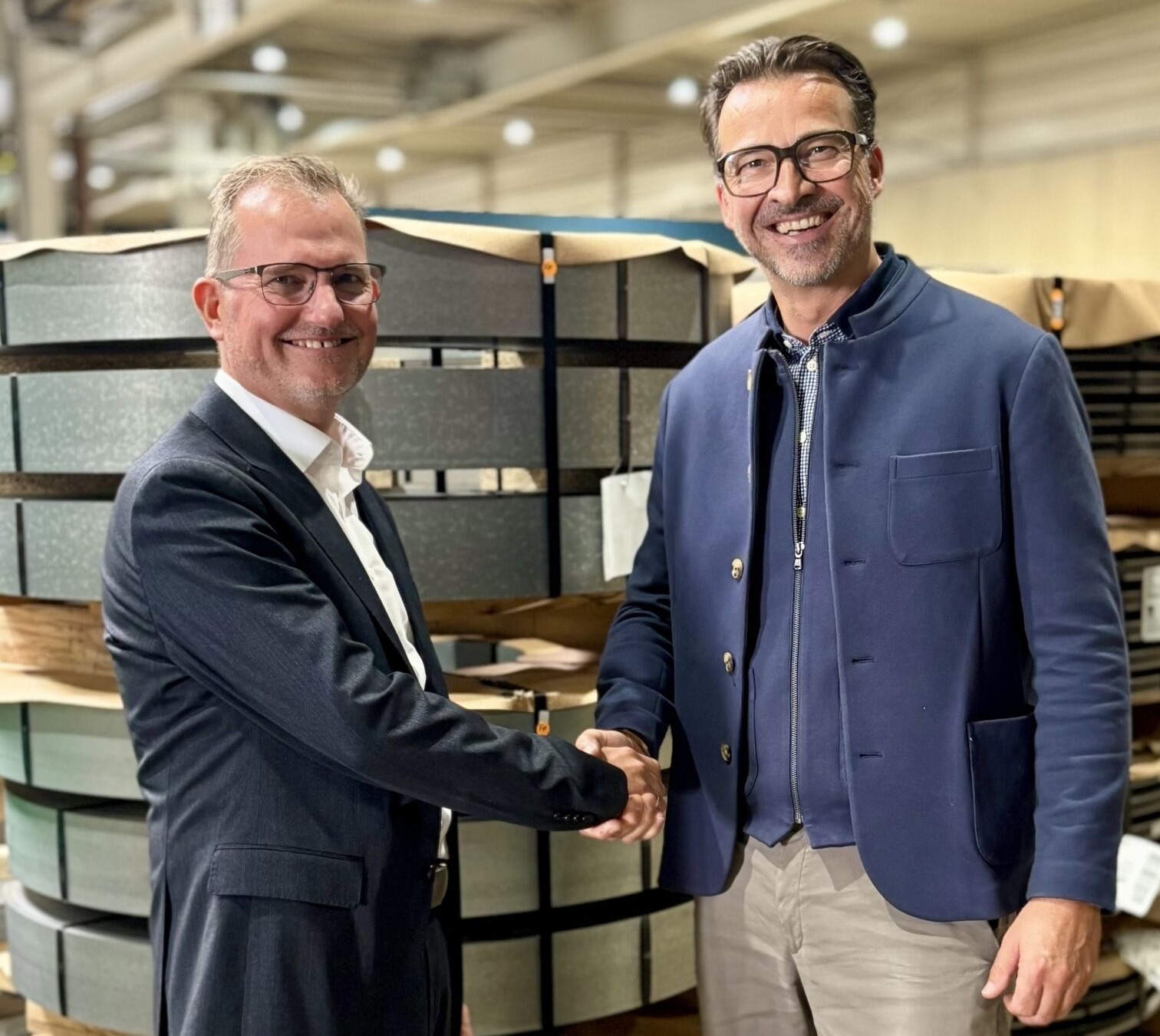
Stahlo Stahlservice GmbH & Co. KG has announced the appointment of Andreas Beil as Managing Director, effective 15 September.
Beil brings many years of experience in the steel and service business. He will work closely with outgoing Managing Director Oliver Sonst until the end of November to ensure continuity during the handover.
In its announcement, Stahlo said the transition aims to build on the company’s development while introducing new perspectives for the future.
Beil highlighted the importance of direct dialogue with employees, expressing his intention to get to know the people at Stahlo, listen to their views and work with the team to shape the company’s further development.
On 30 October, Andreas Beil and EUROMETAL Director General Ricardo Silva met online to discuss cooperation between Stahlo and EUROMETAL. Stahlo is a longstanding Steel Service Centre (SSC) member of EUROMETAL.
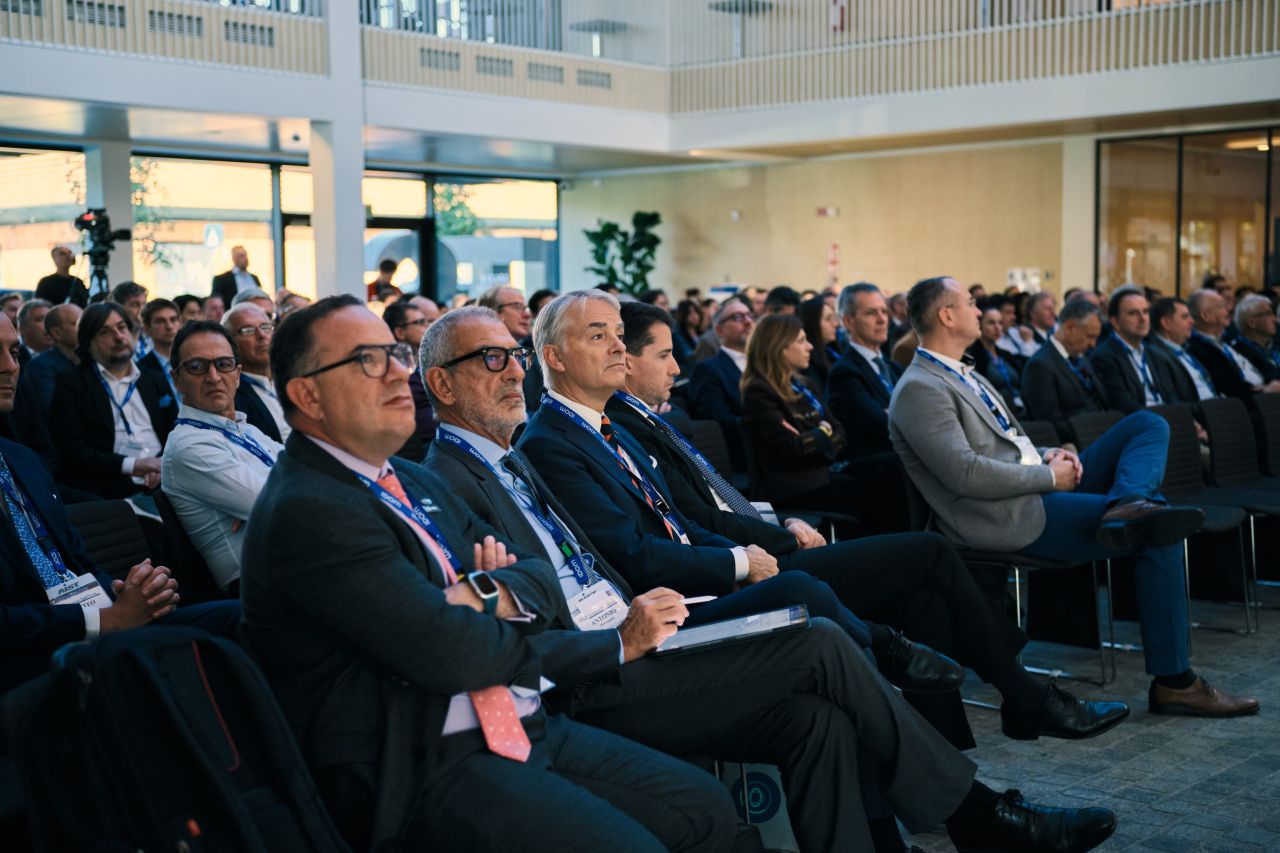
European Steel Forum: Competitiveness and innovation to shape the future of steel
The second day of the European Steel Forum, organized by AIST (Association for Iron & Steel Technology) in collaboration with Danieli in Udine on October 27-28, opened with the Industry Leader Panel, featuring Marco Di Giacomo, CEO of Acciaierie Bertoli Safau S.p.A., Jean Arribe, Group CTO Steelmaking Expert at ArcelorMittal Luxembourg, and Yury Krotov, Vice President, Long Products Steel Operations at Steel Dynamics, Inc. The discussion was moderated by AIST’s John Ball.
The discussion highlighted that the steel industry’s transformation depends on its ability to combine decarbonization with competitiveness and resilient industrial supply chains. Investment in new plants is essential, but affordable energy, access to raw materials and a manufacturing base capable of sustaining demand are equally necessary. While European and US perspectives reflected different market conditions, participants identified shared priorities: strengthening supply chains, improving safety and making plants more efficient through innovation.
Competitiveness depends on the entire value chain
The future of the European steel industry is closely tied to that of downstream industries. This view was shared by Arribe and Di Giacomo, who stressed that safeguard measures can support operations in the medium term, but the sector’s survival requires lasting competitiveness.
“We need to understand our level of competitivity against the Middle East, Asia and India, and how we can support the downstream industry, because the lack of basic offer of downstream products will lead to a decrease of capability in Europe,” Di Giacomo stated.
Offering a US perspective, Krotov expressed confidence in manufacturing’s renewed strategic importance and growth prospects. He also challenged the perception of steelmaking as an industry reliant on outdated production methods, noting that continuous innovation in technologies and processes makes the sector more dynamic than it is often perceived to be.
Europe and the US seek common ground
Trade relations between Europe and the US remain complex. According to Arribe, pursuing a comprehensive political agreement from the outset could be too ambitious. A gradual approach built on practical measures could offer greater scope for progress, from mutual recognition of certifications to more consistent standards for low-carbon steel.
Di Giacomo emphasized the need to re-establish common interests, while acknowledging that the two sides’ positions still appear far apart. Krotov identified a basis for cooperation in shared free-market principles and the need to preserve manufacturing supply chains and technological expertise.
“When a non-free economy enters the picture, you need to put measures to protect your system. I do believe the US has a lot in common with Europe, Canada and Mexico, starting with a manufacturing base and innovation base that we need to make sure to nourish,” Krotov stated.
Building on these shared interests could support a more practical dialogue on protecting their respective industrial bases.
Scrap as a strategic resource
The transformation of production processes is bringing raw material availability into sharper focus. Growing interest in electric arc furnace steelmaking as a decarbonization route makes securing scrap supplies increasingly important. Vertical integration and the expansion of ferrous and non-ferrous recycling activities address this need. European governments and institutions are paying greater attention to the issue, while questions remain over how to ensure sufficient availability for the continent’s industry.
Arribe noted that the transition is changing sourcing requirements even for groups with well-established conventional supply chains. Investments in mineral resources help secure supplies for blast furnace production, while further work is needed to obtain the inputs required for lower-emission processes.
Energy and infrastructure shape the transition
Companies’ resilience also depends on the infrastructure supporting their operations. Di Giacomo distinguished between a company’s ability to respond to disruption and the structural conditions of the wider system. Producers can prepare to manage interruptions, but their options are more limited when problems involve power grids or other infrastructure.
Against this backdrop, Europe’s push for electrification must take account of electricity costs and the ability of grids to accommodate changing patterns of consumption and generation. Di Giacomo also raised concerns over the impact of the Carbon Border Adjustment Mechanism (CBAM) on certain ferroalloys.
For ArcelorMittal, Arribe explained, mitigating risks involves diversifying suppliers geographically and coordinating expertise across the group. Managing port infrastructure also helps ensure that products reach their destinations reliably.
On energy, Krotov outlined a strategy encompassing long-term nuclear power purchase agreements, investment in renewables and projects at plant level. Supply security and emissions reductions are therefore becoming part of the same industrial planning process.
AI supports knowledge transfer and new skills
Artificial intelligence applications are at different stages of development across the companies. Di Giacomo described AI as a tool with significant potential that ABS is still learning to integrate fully into decision-making and development processes, with plans to use it in analysis relating to its new plant.
Arribe outlined several ArcelorMittal pilot projects, including chatbots that help operators troubleshoot problems and tools for searching the group’s information resources. One particularly significant application involves knowledge transfer: the expertise of an employee approaching retirement was used to train an AI system to support the onboarding of younger colleagues.
Krotov then highlighted digitalization’s contribution to attracting younger generations. Showcasing the opportunities offered by AI, automation and the Internet of Things can help raise awareness of the steel industry’s technological capabilities. He also stressed the need to accompany experimentation with clear guidelines on how these tools should be used.
The discussion pointed to a transition involving the entire industrial system. More advanced technologies create new opportunities, but their effectiveness depends on access to energy, secure raw material supplies, adequate infrastructure and workforce skills. For Europe in particular, maintaining a strong manufacturing value chain remains crucial. Investment in decarbonization and innovation will need to translate into a stronger ability to produce, compete and sustain employment over the long term.
Author: SteelOrbis Editorial Team


Italian rebar prices rise on mounting production costs despite weak demand
In Italy, market participants reported upward pressure on rebar prices, driven primarily by higher production costs rather than an improvement in underlying demand.
“Steel producers are pushing prices higher,” a distributor source told Fastmarkets. “However, the market remains depressed, with very weak demand.”
Market participants said truck driver strikes had disrupted deliveries to southern Italy, creating production bottlenecks and resulting in material shortages at some construction sites.
“The transport strikes and protests over the past few days have created considerable disruption in the South, particularly in terms of logistics, material availability and the ability to secure transport. This is adding another element of pressure to the market,” a buyer source told Fastmarkets.
In northern Italy, workable levels and deals were heard at €750-770 ($836-859) per tonne ex-works, while in southern Italy workable levels and transactions were reported at €760-790 per tonne ex-works.
As a result, Fastmarkets’ weekly price assessment for steel reinforcing bar (rebar), domestic, exw Italy rose to €750-790 per tonne on October 28,up from €730-780 per tonne the previous week.
Fastmarkets’ weekly price assessment for steel reinforcing bar (rebar), domestic, delivered Spain, was unchanged at €750 per tonne.
In Northern Europe, the latest workable levels were heard at €660-700 per tonne delivered.
Fastmarkets’ latest weekly price assessment for steel reinforcing bar (rebar), domestic, delivered Northern Europe, was therefore €660-700 per tonne on October 28, unchanged from the previous week.
European wire rod prices also remained stable during the assessment period.
Sources indicated workable levels for wire rod in Southern Europe at €670-680 per tonne delivered, unchanged from previous levels.
Fastmarkets’ weekly price assessment for steel wire rod (mesh quality), domestic, delivered Southern Europe, was €670-680 per tonne, stable week on week.
In Northern Europe, wire rod workable levels were heard at €705-715 per tonne delivered.
Fastmarkets’ weekly price assessment for steel wire rod (mesh quality), domestic, delivered Northern Europe, was therefore unchanged week on week at €705-715 per tonne on October 28.
Author: Nia Radenkova


European commercial vehicle registrations up 1.6 percent in Jan-Sept 2026 despite rising energy prices
The European commercial vehicle market delivered a mixed performance in the first three quarters of 2026, against a backdrop of rising energy prices.
In the first nine months of this year, new commercial vehicle registrations in the European Union (EU) increased by 1.6 percent year on year to 1,351,200 units, according to the European Automobile Manufacturers’ Association (ACEA).
New EU truck registrations recorded an increase of 7.5 percent year on year to 254,079 units in the January-September period this year. On the other hand, bus sales rose by 15.2 percent year on year compared to the same half of 2025, totaling 32,695 units.
In the given period, almost all major markets saw increases in truck registrations, including Poland (+20.5%), Spain (+13.2%) and Germany (+2.5%), in contrast, registrations in France declined by 1.6% over the first three quarters of 2026.

Tk accelis fetches €1.77bn market capitalisation upon listing
Thyssenkrupp (tk) listed tk accelis on the Frankfurt Stock Exchange on Wednesday, with the entity formerly known as tk Materials Services fetching an initial market capitalisation of around €1.77 billion ($1.96 billion).
Tk has thus completed the spin-off of 49% of tk accelis’ 63.5 million shares while retaining a majority, 51% stake in the unit. The stock began trading at €27.80 and peaked at €30.70 during Wednesday morning trading.
“Listing on the stock exchange is the logical continuation of our successful transformation,” tk accelis chief executive Ilse Henne says in a note seen by Kallanish. “Now that we are an independent company, we have greater flexibility. We can invest the capital we generate more purposefully in high-margin growth areas and systematically expand our product and service portfolio.”
In the first nine months of fiscal year 2025/26, tk accelis sales stood at €9.1 billion and adjusted Ebitda at €256 million, corresponding to an adjusted Ebitda margin of 2.8%.
Over the medium term, tk accelis is targeting an adjusted Ebitda margin of 4-5% and annual sales growth of 4% at group level. This will be driven by a focus on higher-margin businesses with a greater services component, expansion in North America, and disciplined efficiency measures.
The listing is a step towards thyssenkrupp group’s ACES 2030 future model, says group ceo Miguel López. “We are continuing to develop thyssenkrupp from an integrated industrial conglomerate into a lean financial holding – more decentralised, more agile, and with clear accountability,” he adds.
Author: Adam Smith

EU demand recovery stalls, economics must drive transition
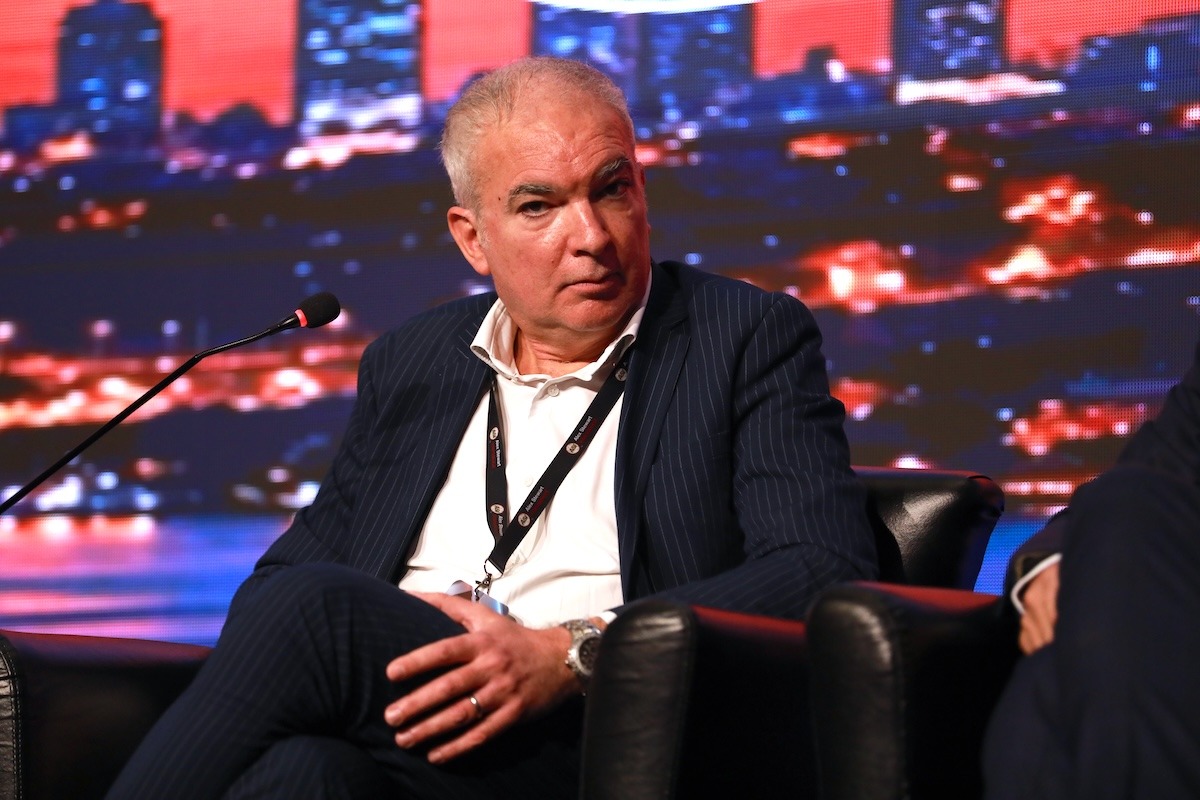
EU apparent steel consumption is set to be almost flat this year after an import-fuelled rebound in 2025, while global excess capacity continues to drive the downsizing of the region’s steel industry, Kallanish notes from keynote speeches at this week’s Steel Networking Summit in Istanbul, organised by the Turkish Steel Exporters’ Association.
Alessandro Sciamarelli, director of economic and market research at the European Steel Association (Eurofer), said EU apparent consumption rose 4.5% year-on-year to 134.5 million tonnes in 2025, after three consecutive years of contraction. The increase was driven by exceptional factors, including a 14% jump in imports concentrated in the second half of the year, as demand previously expected in 2026 was brought forward.
As a result, the recovery originally forecast for this year has turned into near-flat growth of 0.1%. This will be followed by 2.3% growth in 2027, leaving volumes still some 7mt below pre-pandemic levels.
Steel-weighted industrial production (SWIP), the association’s measure of output in steel-using sectors, is forecast to rebound 1.5% this year and 2.5% in 2027. Construction is expected to grow in 2026 but automotive will drop further before rebounding next year.
The EU has lost 59mt of crude steel production since 2008, with output falling to a record low of 125.8mt in 2025, Sciamarelli said. He attributed the decline to weak demand from steel-using sectors, global excess capacity of over 700mt according to the OECD, and structurally higher energy and production costs than in other major steelmaking regions. EU capacity utilisation remains at below 70%.
The EU’s trade deficit in finished steel products widened to 15mt in 2025, its ninth consecutive year in deficit, and was running at an annualised 11mt based on January-August data this year. Exports have fallen by about 9mt since 2018. Imports accounted for a record 30% of apparent consumption in 2025, up from 17% in 2012, before easing to 23% in the first quarter of this year.
Mehmet Ögütcü, chairman of Global Resources Partners and a former head of the OECD’s investment department, said the steel industry could no longer be treated in isolation from geopolitics, energy, finance and decarbonisation. The resilience of supply chains now matters as much as volumes or margins, he noted.
Ögütcü warned that pushing too hard on clean energy could force some major steel producers out of the market. The transition must be “economically feasible, commercially driven and also politically possible”, he said, noting that 81% of global energy consumption still comes from fossil fuels.
Yusuf Emre Akgündüz, deputy governor of the Central Bank of the Republic of Türkiye, said the war in the Middle East had been the year’s largest macroeconomic issue for Türkiye, an energy importer, affecting both inflation and the current account. Inflation has stalled at around 30%, driven by energy inflation of 45%, while services, core goods and food are giving milder signals, he concluded.
Author: Burak Odabasi Türkiye