ADI eyes 4 mt/y steel output by April 2026
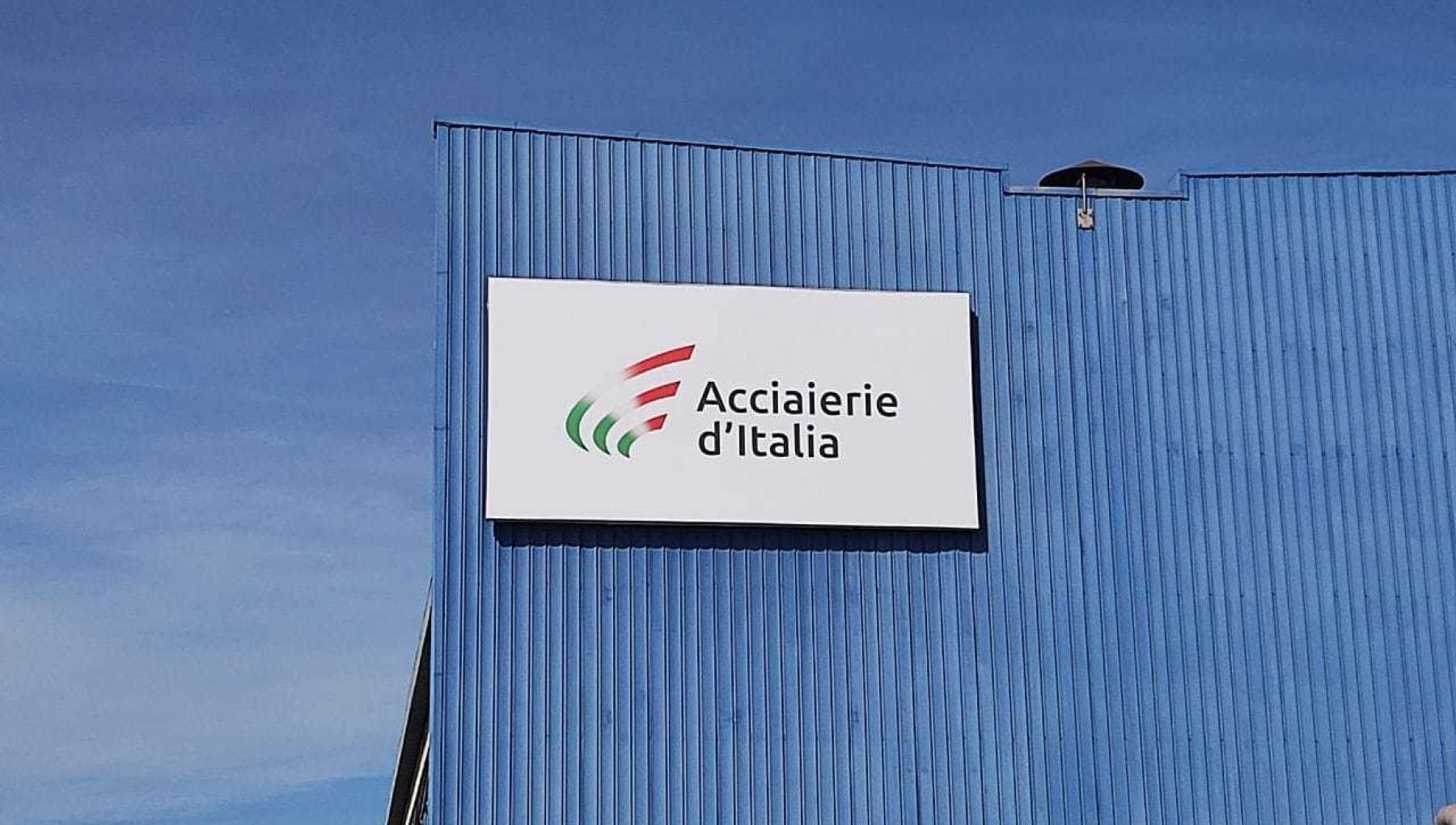
Acciaierie d’Italia (ADI) plans to double steel production to 4 million tonnes per year by April 2026, the extraordinary administration of ADI announced on 11 February.
Testing at blast furnace (BF) No. 2 has been completed and full-scale production will be restarted “in the coming days”, according to ADI.
In the meantime, scheduled maintenance on BF No. 4 will start on 28 February and will take around 60 days. Following the restart, the steelmaker will operate both BFs, McCloskey understands, with output reaching 4 mt/y.
ADI is also planning to recommission temporarily idled coking batteries No. 7, 8 and 12.
The administrators said that since February 2024, over EUR997m has been allocated to support production at ADI. Earlier this week, the European Commission approved a rescue loan of up to EUR390m to ADI under EU state aid rules.
“The funds were allocated to ensure that the steelmaker can cover operating costs until the new owner is selected in the ongoing tender,” the ADI release said.
ADI is currently in the process of being sold, with Flacks Group, a United States-based investment firm focused on the turnaround of distressed businesses, discussed in the market as a likely new owner. The tender is not yet finalised.
ADI’s new output target is in line with the plans disclosed by Flacks Group for 2026. In addition, as part of its decarbonisation initiative Flacks Group plans to replace existing blast furnaces (BFs) with two electric-arc furnaces (EAFs) and keep only one BF running.
To learn more about decarbonisation projects in Europe and globally – check Global Green Steel Profile.
Market participants believe that increased domestic production in Europe might slow down or put an end to the bullish trend settled in the market. Real demand has not recovered, and domestic price increases have been mainly driven by the impact of the Carbon Border Adjustment Mechanism (CBAM), launched earlier this year and the anticipated reduction of import quotas. The first policy has made imports riskier, increasing costs for imports arriving in the EU, with buyers switching from purchases on a CFR-basis to DDP in an attempt to protect themselves from additional risks. The anticipated reduction of quotas for steel imports by 47% in the second half of the year will further restrict access of imports to the EU market.
A combination of these factors has increased the market share of European steelmakers and also boosted prices. However, an increase in domestic output risks disrupting this dynamic, sources said.
At the end of last year, ArcelorMittal resumed production at its Fos-sur-Mer plant in southern France.
Author: Maria Tanatar


European long steel round-up: domestic rebar prices stable on subdued demand
Northwest European rebar prices held stable in the week to 11 February on subdued consumption dynamics and a lack of immediate need for distributor restocking, while interest in imported rebar appears to be growing.
McCloskey’s sources reported price indications for Northwest European rebar on a delivered basis, at Eur610-620/t delivered. Offers in the German market were heard between EUR620-630/t delivered – in line with recent increases – but the hesitancy of buyers to commit to volumes amid regulatory and consumption uncertainties is limiting the possibility of producers realizing these levels at present.
That said, producers are “cautiously optimistic” of a bullish trend later in the year – confirmed by IREPAS’ market outlook for February – anticipating stronger pricing power once existing inventory levels wind down and buyers return for more substantive purchasing. Import accessibility will also see further restrictions – already burdened by Carbon Border Adjustment Mechanism (CBAM) liabilities – from reductions to EU tariff-free quota volumes for steel products.
Importers are generally becoming more comfortable with navigating the specifics – and pitfalls – of CBAM, agreeing to share liability with producers via indemnification or hedging clauses. Both producer and trader sources confirmed that third country exporters are increasingly agreeing to fix CBAM liability at a certain emissions level, with either the exporter or importer compensating the other where verified (or forced default) emissions declarations result in higher or lower values than fixed at the time of the trade.
In that context, increased interest was identified in the EU market as regards imports, especially from origins closer-to-home like Turkey, Algeria, or Egypt – though importing still seems subdued as compared to usual levels. Offers from said origins were reported in the range of EUR500-510/t CFR Antwerp, which when accounting for potential CBAM, safeguard, and logistical costs, still offers insufficient margin to engage much interest from non-incumbent suppliers, to the benefit of domestic market share.
| Weekly European long steel markers | |||
| EUR/t | Term | 11-Feb-26 | Change |
| Northwest Europe DEL rebar | DEL | 620.00 | 0.00 |
| Northwest Europe CFR rebar | CFR | 510.00 | 0.00 |
Author: Benjamin Steven
Suppliers, buyers still at odds in European steel HRC market
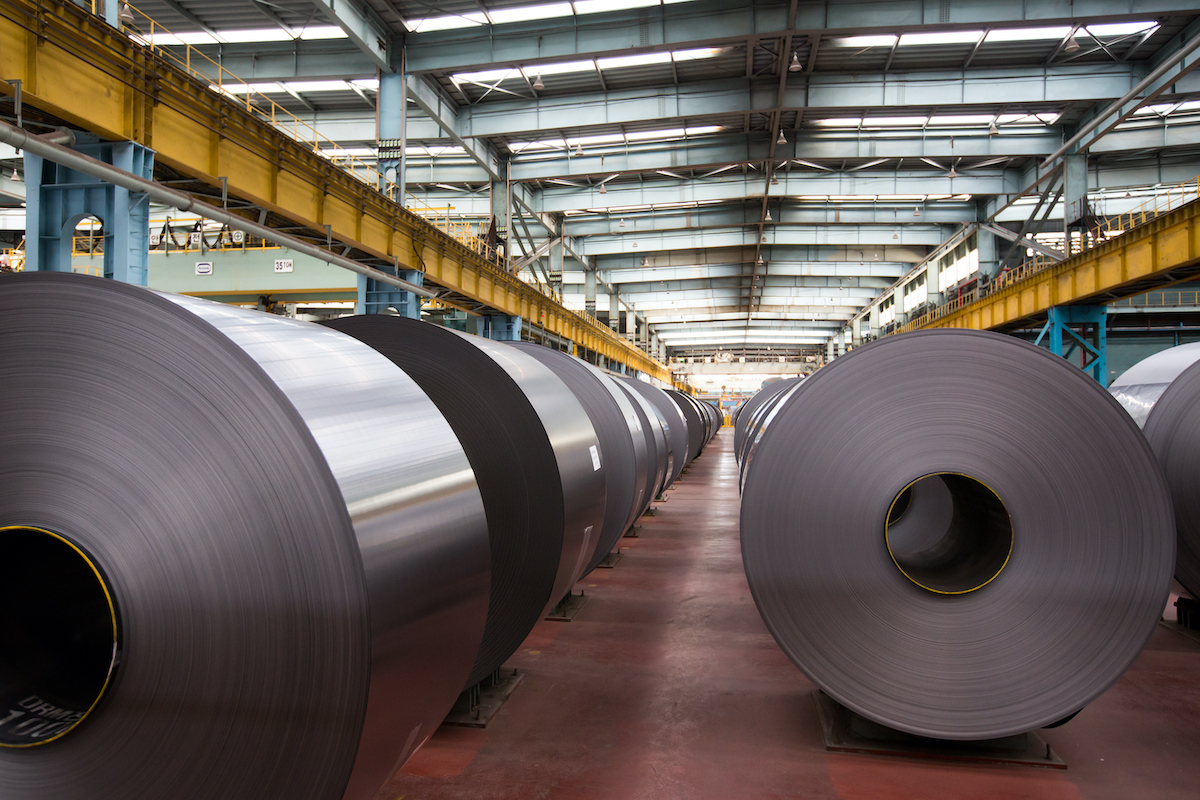
European suppliers of steel hot-rolled coil remained optimistic on Wednesday February 11, testing the market with higher offer prices. Meanwhile, however, buyers continued to resist higher prices, claiming that they did not need to restock.
A German supplier was offering April-delivery coil at €680 ($808) per tonne ex-works, but market sources considered this price unworkable.
Earlier this week, an offer from a leading European steelmaker was reported at €700 per tonne delivered (around €685 per tonne ex-works).
Buyers, however, were estimating achievable prices no higher than €650-660 per tonne ex-works, citing slow downstream sales.
“We do not need to restock now. [We need] only hand-to-mouth bookings to cover gaps in supply,” a steel service centre in Germany told Fastmarkets.
“Automotive demand is not improving. There is no chance to push higher offers [for coil] downstream,” another source in Germany said.
Fastmarkets’ daily steel hot-rolled coil index, domestic, exw Northern Europe, was €652.50 per tonne on Wednesday, down by €1.67 per tonne from €654.17 per tonne on Tuesday.
The index was, however, up by €1.50 per tonne week on week and by €17.50 per tonne month on month.
Fastmarkets’ daily steel hot-rolled coil index, domestic, exw Italy, was calculated at €647.17 per tonne on Wednesday, up by €2.17 per tonne from €645.00 per tonne on Tuesday.
The index was down by €0.33 per tonne week on week, but up by €17.17 per tonne month on month.
In Italy, offers of April-delivery HRC were heard around €660 per tonne ex-works. But earlier this week, trade sources said that some suppliers were testing the market with offers about €685 per tonne ex-works.
Buyer-side estimates of a workable market level were heard at €645-650 per tonne ex-works, supported by deals within that range.
One trader said that lead times for HRC in Italy were still eight weeks but did not extend further.


European Commission to keep free allocations for steel, refining for 2026-30 unchanged
The European Commission plans to maintain the same number of free allocations under the EU Emissions Trading System for steel producers and refiners for the 2026-2030 period, according to a leaked presentation seen by Platts, part of S&P Global Energy.
These preliminary benchmarks, circulating ahead of an informal EU leaders summit on the bloc’s industrial competitiveness in Cyprus on Feb. 12, show a less aggressive reduction in free allocations of EU Allowances for most chemicals and cement facilities. Glass and ceramics producers, however, face tighter allocations, while those for steel and refining remain stable.
These sectoral benchmarks determine the share of free EU ETS permits allocated to industrial facilities based on their emissions intensity relative to the most efficient producers.
Free allocations are based on benchmarks derived from the average greenhouse gas emissions of the 10% most efficient installations covered by the EU ETS for that product.
The European Commission is expected to adopt implementing regulations in April 2026 that will update these benchmark values under Article 10a(2) of the EU ETS Directive.
A spokesperson at the European Commission declined to comment on the leaked preliminary benchmarks.
Industry reaction
“Several steel clients I spoke with were comfortable with the outcome, noting a clear preference for the benchmark to remain unchanged,” said Dan Maleski, a senior environmental markets consultant and CBAM lead at Redshaw Advisors.
“Softer benchmarks for cement and chemicals are unsurprising. These sectors are among the hardest to abate, with limited technological options and high costs. Many cement clients are already heavily reliant on government support to continue abatement efforts, so any potential relief in this area is being welcomed,” Maleski said.
The development comes as the European Commission reassesses free allocation rules under the EU ETS, which currently require a complete phaseout by 2034 for sectors covered by the EU’s Carbon Border Adjustment Mechanism. Calls have been made for extensions amid faltering competitiveness and concerns about carbon leakage.
“As regards free allocation, the ETS has always provided effective protection against the risk of carbon leakage and will continue to do so beyond 2030,” a Commission spokesperson told Platts on February 10. “The 2026 ETS Revision will assess various ways of providing this protection while supporting the industry in its decarbonization.”
EU carbon prices have slid sharply in recent weeks on news that the European Commission is looking to tweak free allocations and allowance supply caps.
EU Allowances were trading at Eur77.87/mtCO2e ($92.56/mtCO2e) at 1459 GMT on Feb. 11, the lowest in five months, according to the Intercontinental Exchange.