EU flats and longs exports down 16.9 percent in January-September 2026
According to preliminary Eurostat data compiled by SteelOrbis, the European Union exported a total of 6.653 million metric tons of flat and long steel products to non-EU countries in the January–September period of 2026, down 16.9 percent from 8.005 million metric tons in the same period of 2025. The total export value fell by 17.0 percent year on year, from €7.81 billion to €6.49 billion.
More specifically, exports of flat steel products totaled 3.596 million metric tons, down 23.4 percent from 4.694 million metric tons in the same period of 2025. Their value fell by 23.7 percent, from €4.93 billion to €3.77 billion, while the average export price declined by 0.4 percent, from around €1,051/mt to €1,047/mt.
Meanwhile, exports of long steel products fell by 7.7 percent to 3.057 million metric tons, compared with 3.311 million metric tons in January–September 2025. Their value declined by 5.4 percent to €2.72 billion, while the average export price rose by 2.4 percent, from €869/mt to €890/mt.
Top five non-EU destinations for flat steel products in January-September 2026
| Country | Jan-Sept 2025 (mt) | Jan-Sept 2026 (mt) | Y-o-y change (%) |
| United Kingdom | 1,087,226 | 882,442 | -18.8% |
| Turkey | 674,828 | 458,402 | -32,1% |
| US | 828,417 | 386,898 | -53.3% |
| Switzerland | 319,746 | 315,099 | -1.5% |
| Mexico | 196,443 | 179,934 | -8.4% |
Top five non-EU destinations for long steel products in January-September 2026
| Country | Jan-Sept 2025 (mt) | Jan-Sept 2026 (mt) | Y-o-y change (%) |
| United Kingdom | 706,162 | 747,998 | +5.9% |
| Switzerland | 686,458 | 725,994 | +5.8% |
| US | 283,604 | 362,698 | +27.9% |
| Canada | 273,815 | 231,531 | -15.4% |
| Turkey | 141,311 | 143,383 | +1.5% |
SteelOrbis’ analysis is based on Eurostat data on EU-27 exports to non-EU countries and cover HS categories 7208-7212 for flat steel products and HS categories 7213-7217 for long steel products.
Author: SteelOrbis Editorial Team

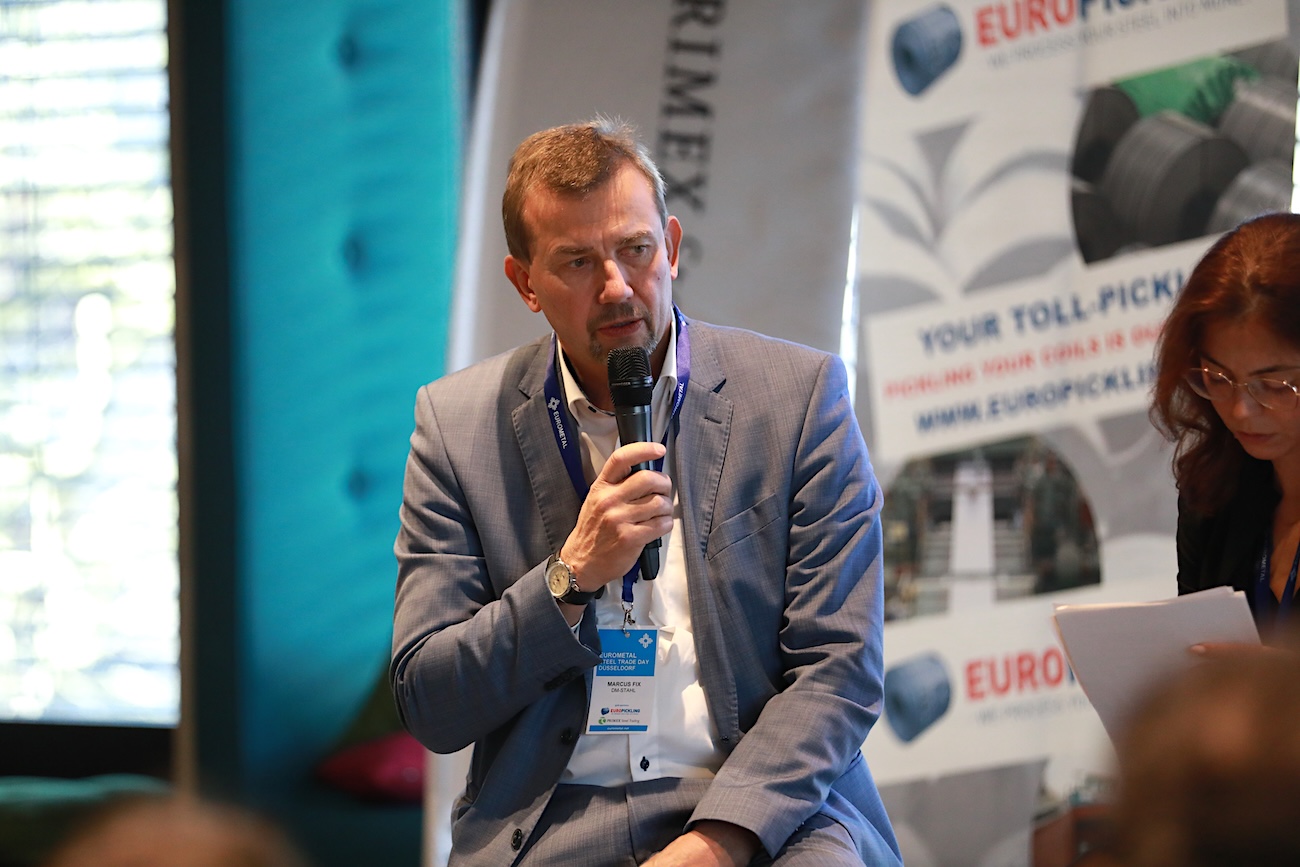
EU steel needs protection, preference: EUROMETAL’s Steel Trade Day
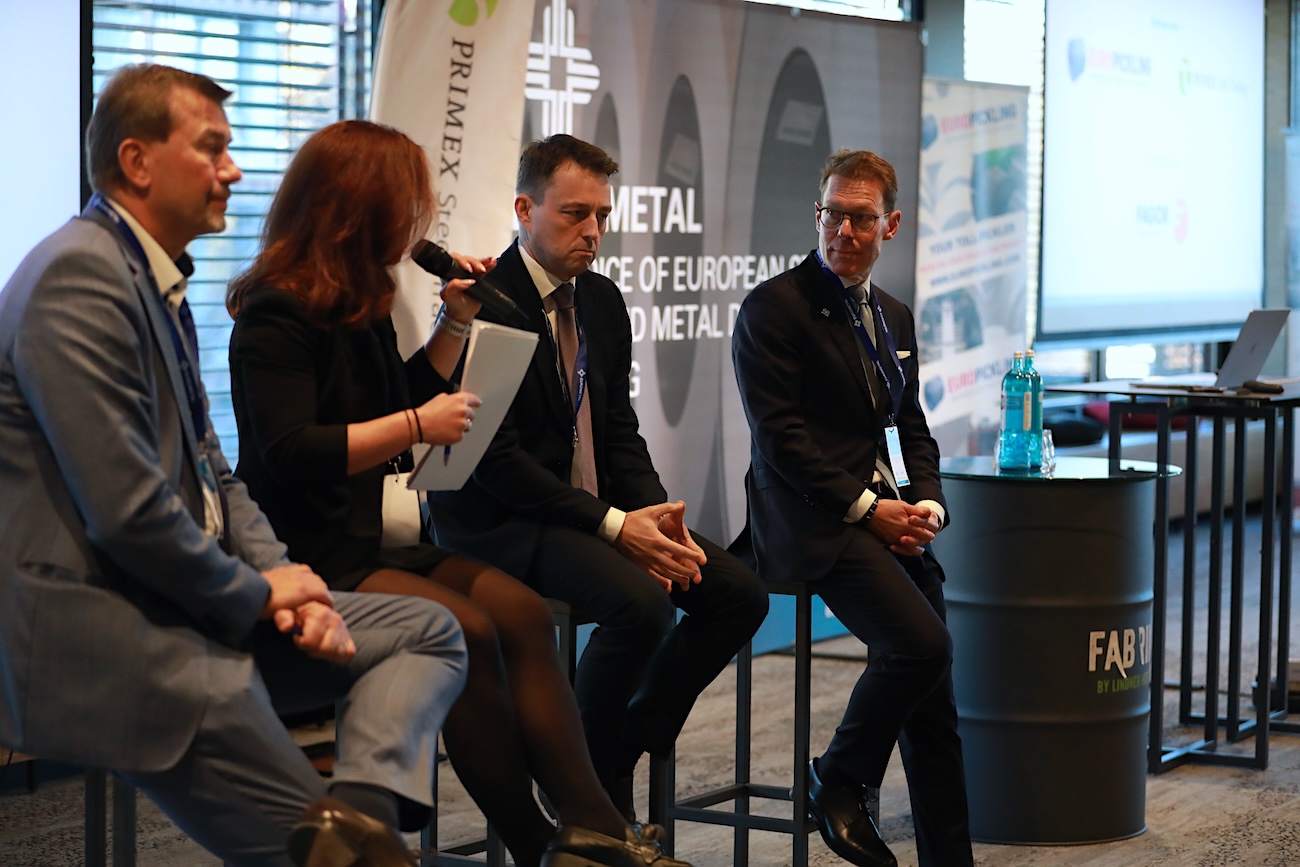
Immediate protection for steel derivatives and measures to promote the preferential use of European steel are needed to address falling steel demand in Europe, speakers said at EUROMETAL’s Steel Trade Day in Dusseldorf yesterday.
The European Commission is actively consulting on adding downstream steel products to its trade defence quotas while finalising legislation to expand the carbon border adjustment mechanism (CBAM) to steel derivatives in 2028 and continuing work on the proposed Industrial Accelerator Act.
But industry representatives said progress has been too slow.
“These initiatives are taking too much time and are coming years late,” DM Stahl managing director Marcus Fix said. Polish Union of Steel Distributors (PUDS) secretary-general Piotr Sikorski described the Industrial Accelerator Act as disappointing, adding that details of the proposal remain unclear.
Sikorski went on to outline that higher economic growth, especially in reference to Poland, was not translating into higher steel use. Current annual steel consumption was estimated at around 13mn t/yr in Poland, roughly 2mn t/yr below historical highs, and with little expectation of any near-term changes, according to Sikorski.
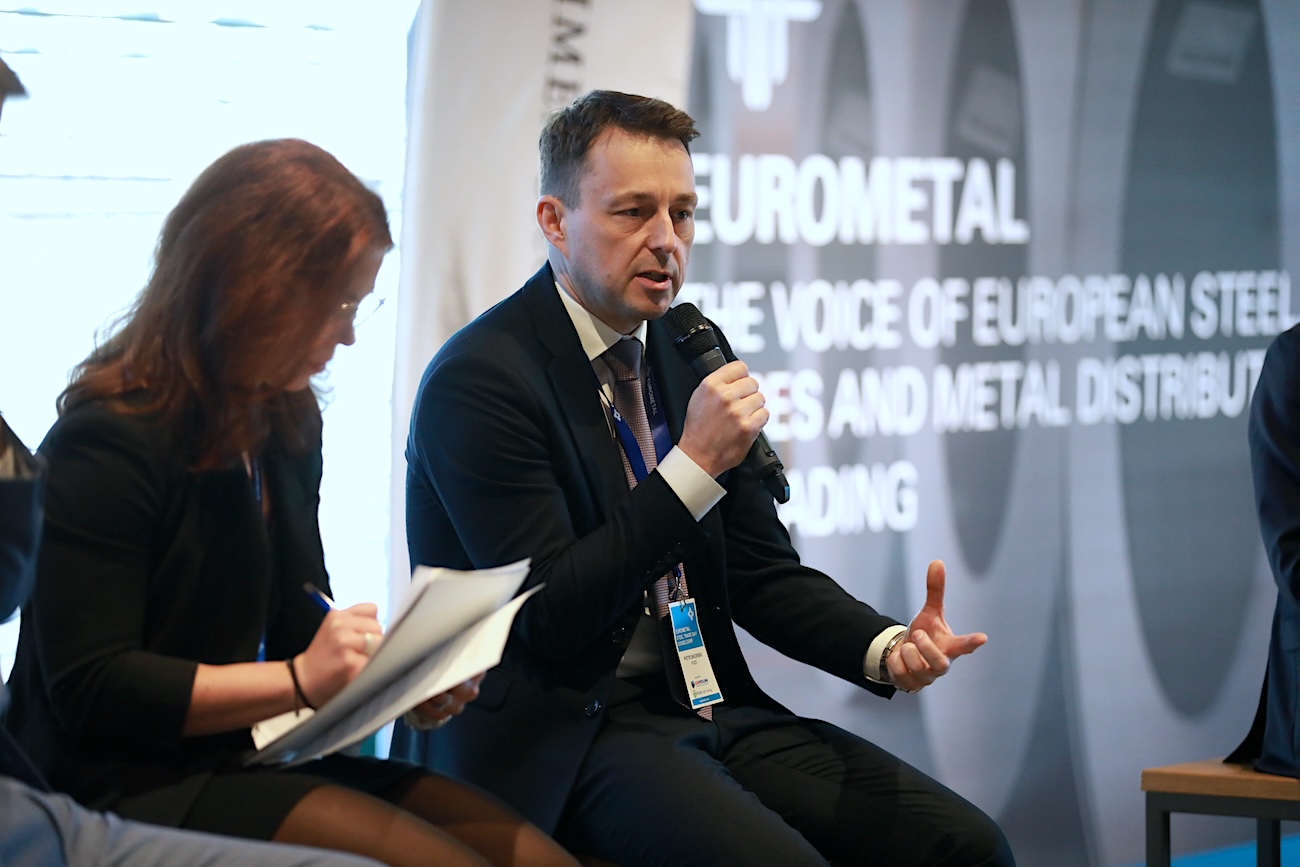
Adherence to international trade rules had left European manufacturers at a competitive disadvantage, particularly as the World Trade Organization had become a “toothless tiger”, Fix said.
The automotive sector was highlighted as an early example of industrial relocation. EUROMETAL president Alexander Julius and other panellists pointed to several European carmakers that have shifted production abroad, notably to China, while Serbia was also cited as an increasingly important manufacturing base.
“The EU is set to become only an assembly line if things do not change,” Julius said.
The outlook for the automotive sector remained weak, with hopes for a recovery next year amounting to “wishful thinking”, Fix said.
Panellists also raised concerns about Europe’s declining export competitiveness, arguing that European producers were competing on an uneven playing field in third-country markets. While no specific measures were proposed, one audience member suggested a mechanism similar to Turkey’s inward processing regime to support exports.
But most speakers said restoring competitiveness within the domestic market should take precedence over export-focused measures.
Participants also described the spot steel market as tight. Mill lead times have extended and availability has become limited, according to Fix.
“Offers are even hard to find sometimes — mills are operating on extended lead times and might not always be on the market,” he said. “There is no restocking at the moment when we usually see it, and this is worrying,” Fix added.
Distributors attending the event said they continued to face pressure from rising steel prices while underlying demand from end users remained subdued.
Author: Carlo Da Cas

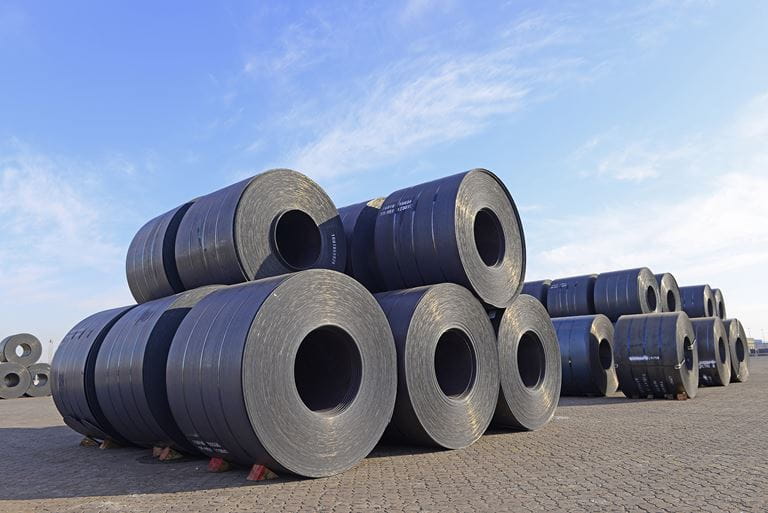
European hot-rolled coil prices rise following mills’ push for higher prices for early 2027 deliveries
Domestic hot-rolled coil prices increased in both Northern Europe and Italy, while market sources continued to cite rising production costs and limited imports as reasons for mills’ push for higher prices for first-quarter 2027 deliveries, Fastmarkets heard on Monday November 23.
In Northern Europe, a supplier provided an indication within €780-800 ($855-877) per tonne ex-works on Monday and reported offers at €800-820 per tonne ex-works for January delivery, saying the higher levels were possible to achieve due to limited options in the market.
A buyer source provided an indication of workable levels at €775-785 per tonne ex-works on the same day.
A second buyer reported an indication at €840 per tonne delivered, equivalent to €820-825 per tonne ex-works after deducting delivery of €15-20 per tonne, saying this level was possible for relatively high grades. The price was discarded due to lack of details about the grade specifications.
The same buyer reported an indication within €800-810 per tonne ex-works on Monday, saying it was “very much a case by case negotiation.”
Fastmarkets reported on Friday November 20 that raw material costs, particularly coking coal, were weighing on producers’ rising offers. The wider push for higher prices was linked to rising production and energy costs, as well as limited import availability, sources have told Fastmarkets in November.
As a result, Fastmarkets’ daily steel hot-rolled coil index domestic, exw Northern Europe was calculated at €794.38 per tonne on Monday November 23, up by €6.98 per tonne from €787.40 per tonne on Friday November 20.
The index was up by €21.05 per tonne week on week and by €45.38 per tonne month on month.
In Italy, indications of workable levels were reported within €760-800 per tonne ex-works by two buyers on Monday, with one of them saying that the higher end of the range was already possible to achieve in the market.
A third buyer said it was hearing deals at €810-820 per tonne ex-works, but this price was discarded from the index due to a lack of details surrounding the reported orders.
Fastmarkets reported on Friday November 20 that the latest offers in the market were at €800 per tonne ex-works for January delivery, with a buyer saying then that mills were aiming to reach €820 per tonne ex-works in the first quarter of 2027.
Fastmarkets’ daily steel hot-rolled coil index domestic, exw Italy was calculated at €785 per tonne on Monday November 23, up by €7.50 per tonne from €777.50 per tonne on Friday November 20.
The index was up by €12.50 per tonne week on week and by €45.94 per tonne month on month.

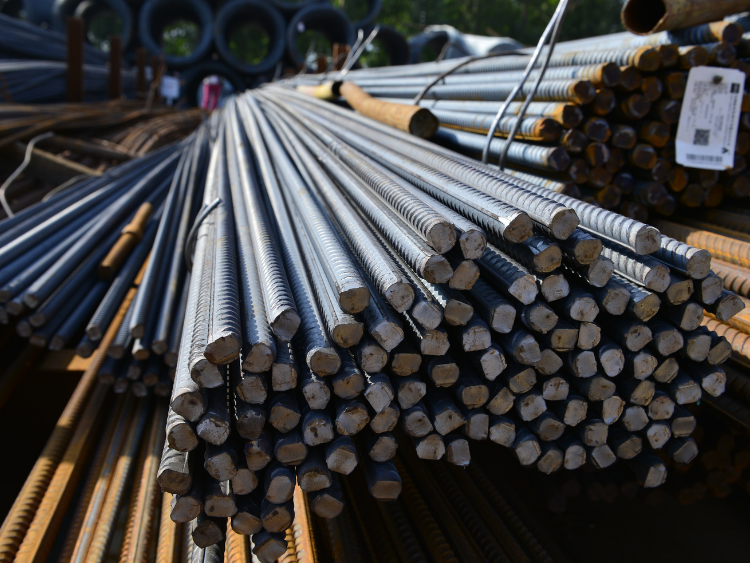
Polish rebar prices rise amid high energy costs
Polish domestic rebar prices rose in the week to Friday November 20 amid persistently high energy costs, market participants told Fastmarkets.
Offers for rebar were reported at 3,000-3,050 zloty ($744-757) per tonne CPT, while workable levels and indications were heard at 3,000-3,100 zloty per tonne.
An indicative offer was heard at 3,200 zloty per tonne, but no transactions had been concluded at that level.
As a result, Fastmarkets’ weekly price assessment for steel reinforcing bar (rebar), domestic, CPT Poland rose to 3,000-3,100 zloty per tonne on Friday November 20, from 2,900-3,000 zloty per tonne the previous week.
In the wire rod market, meanwhile, prices remained stable.
Fastmarkets’ weekly price assessment for steel wire rod (drawing quality), domestic, delivered Poland was unchanged week on week at 3,100-3,200 zloty per tonne on Friday November 20.
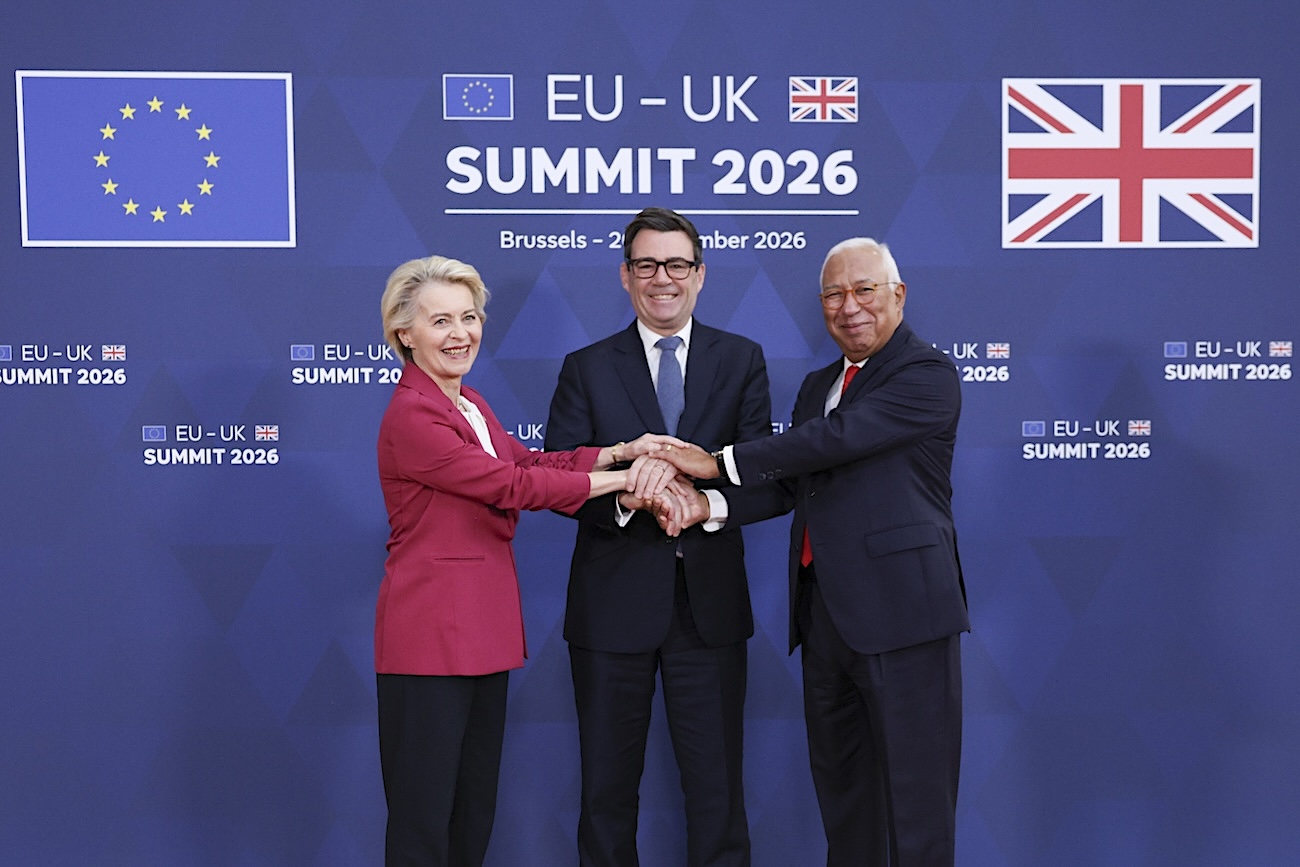
EU and UK agree to strengthen steel trade cooperation and link emissions trading systems
The European Union and the United Kingdom have announced that they have agreed to strengthen cooperation on steel trade, industrial supply chains and carbon pricing following their second bilateral summit, held in Brussels on November 20, 2026.
According to the joint statement issued after the summit, both sides committed to addressing the negative trade effects of global steel overcapacity, developing more resilient industrial supply chains and advancing the integration of their emissions trading systems (ETS).
Emissions trading systems aimed to be linked by 2028
The EU and UK welcomed the conclusion of negotiations on linking their respective emissions trading systems, with the agreement intended to enable mutual recognition of carbon allowances.
The proposed arrangement would also provide a basis for exempting goods traded between the EU and UK from their respective Carbon Border Adjustment Mechanisms (CBAM), subject to applicable legislation and procedures. Both sides aim to begin applying the agreement in 2028, following the necessary legal procedures.
Stronger cooperation planned to address steel overcapacity
The EU and UK reaffirmed their commitment to protecting their steel industries against the negative trade effects of global overcapacity. They agreed to explore additional arrangements to address overcapacity and its impact on steel trade, while strengthening cooperation on diversified and resilient steel supply chains.
The two sides also committed to coordinating economic security policies, including measures concerning critical raw materials, supply chain vulnerabilities and potential disruptions. Under the proposed cooperation framework, the EU and UK will seek to minimize the negative effects of their respective trade and industrial measures on each other’s supply chains, with progress in the steel and electric vehicle sectors to be reviewed every four months. The joint statement also highlighted plans to establish a long-term solution for the movement of UK-origin steel into Northern Ireland, taking into account the existing arrangements under the Windsor Framework.
The EU and UK also agreed to extend the energy provisions of their Trade and Cooperation Agreement until March 31, 2028. Meanwhile, both sides committed to concluding negotiations on the UK’s participation in the EU’s internal electricity market in 2027, subject to final agreement. According to the joint statement, closer electricity market integration is expected to improve energy security, facilitate cross-border electricity trading and contribute to lower energy costs. The two sides emphasized that closer cooperation on steel, energy and industrial supply chains would support economic resilience and competitiveness while advancing their shared climate objectives.
Author: SteelOrbis Editorial Team
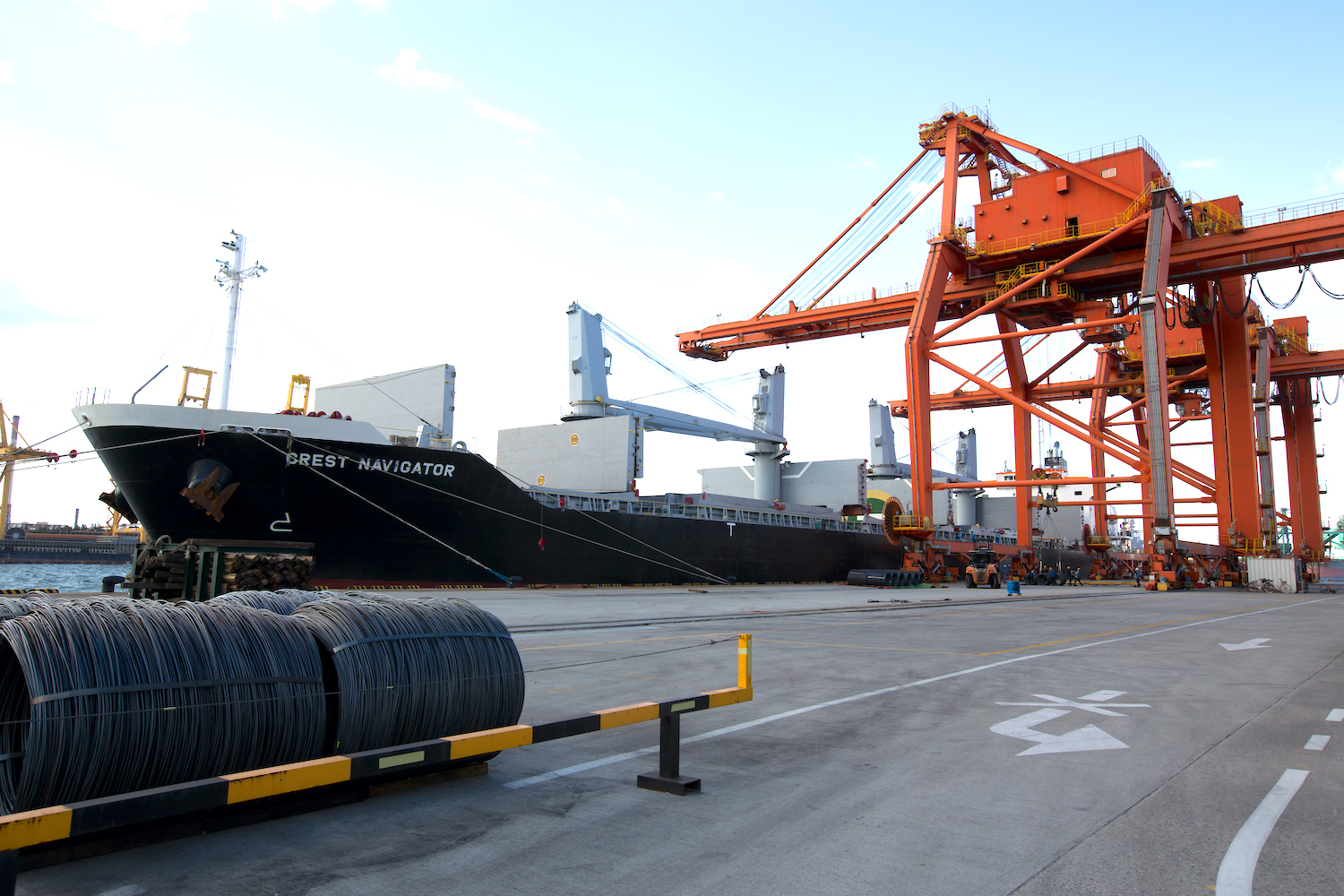
EU’s flats and longs imports fall in January-September 2026
According to Eurostat data compiled by SteelOrbis, the European Union imported a total of 15.504 million metric tons of flat and long steel products from non-EU countries in the January-September period of 2026, down 17.6 percent from the same period in 2025. The total value of these imports fell by 18.5 percent year on year to €10.44 billion.
Imports of flat steel products totaled 12.343 million metric tons in the given period, down 12.9 percent from 14.170 million metric tons a year earlier. The value of flat steel imports fell by 15.2 percent to €8.24 billion, compared with €9.73 billion in the same period of 2025. The average price per metric ton also declined by 2.7 percent, from around €686/mt in the first nine months of 2025 to €668/mt in the same period of 2026.
Imports of long steel products fell by 31.8 percent to 3.161 million metric tons in the first nine months of 2026, compared with 4.636 million metric tons in January-September 2025. The value of these imports fell by 28.8 percent to €2.195 billion, compared with €3.081 billion in the same period a year earlier. The average price rose by 4.5 percent year on year to around €694/mt, up from €664/mt.
Top five suppliers of flat steel imports to the EU in January–September 2026
| Country | Jan-Sept 2025 (mt) | Jan-Sept 2026 (mt) | Y-o-y change (%) |
| Turkey | 2,308,572 | 1,890,208 | -18.1% |
| South Korea | 2,129,480 | 1,723,631 | -19.1% |
| India | 1,361,392 | 1,216,831 | -10.6% |
| Indonesia | 1,137,340 | 1,211,631 | +6.5% |
| China | 693,731 | 1,187,576 | +71.2% |
Top five suppliers of long steel imports to the EU in January–September 2026
| Country | Jan-Sept 2025 (mt) | Jan-Sept 2026 (mt) | Y-o-y change (%) | Turkey | 1,223,943 | 943,440 | -22.9% | China | 610,114 | 496,625 | -18.6% | United Kingdom | 388,208 | 264,449 | -31.9% | Ukraine | 527,062 | 249,321 | -52.7% | Norway | 225,967 | 238,496 | +5.5% |
SteelOrbis’ analysis is based on Eurostat data on EU imports from non-EU countries and covers HS codes 7208–7212 for flat steel products and HS codes 7213–7217 for long steel products.
Author: SteelOrbis Editorial Team
Global steel excess capacity could exceed 700 million tonnes by the end of 2026


thyssenkrupp Steel launches new hydrogen supply tender for Duisburg plant

EU to impose quotas on hybrid car imports from 1 December
|
Country
|
1 December 2026–28 February 2027
|
1 March–31 May 2027
|
1–18 June 2027
|
Total
|
|---|---|---|---|---|
|
China
|
86,301
|
88,219
|
17,260
|
191,780
|
|
Japan
|
76,900
|
78,609
|
15,380
|
170,889
|
|
Türkiye
|
56,844
|
58,107
|
11,369
|
126,320
|
|
United Kingdom
|
47,431
|
48,485
|
9,486
|
105,402
|
|
South Korea
|
30,566
|
31,245
|
6,113
|
67,924
|
|
Mexico
|
15,640
|
15,987
|
3,128
|
34,755
|
|
Morocco
|
10,779
|
11,019
|
2,156
|
23,954
|
|
Serbia
|
8,709
|
8,902
|
1,742
|
19,353
|
|
US
|
8,317
|
8,502
|
1,663
|
18,482
|
|
Other countries covered by the measure (joint quota)
|
370
|
378
|
74
|
822
|

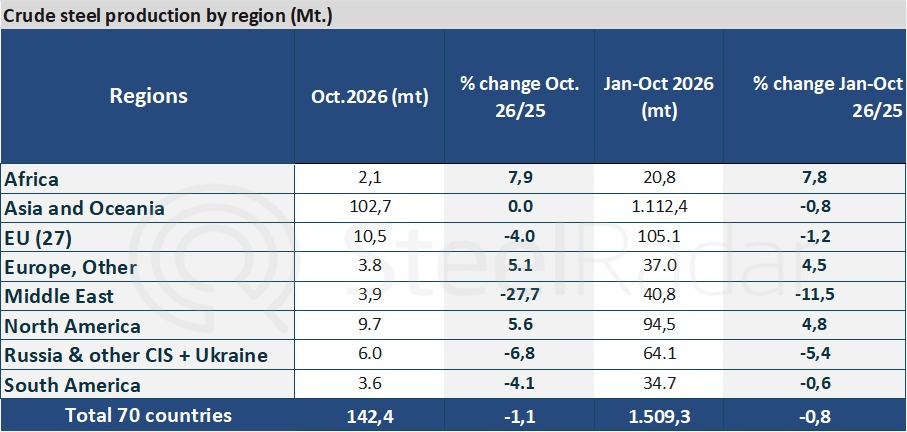
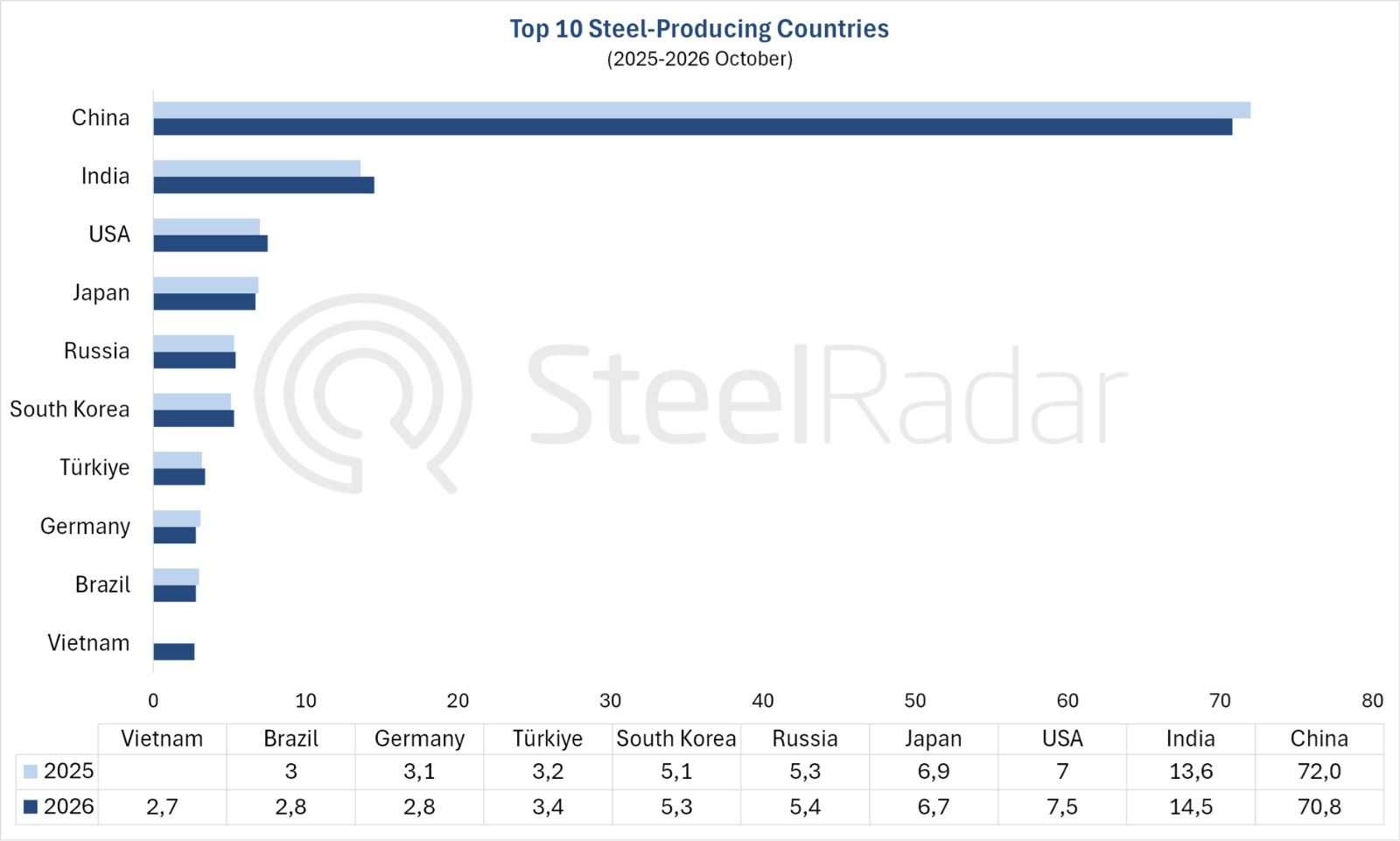
Global crude steel production falls by 1.1% in October