ArcelorMittal Poland (AMP) has completed adding a new line for zinc, aluminium and magnesium (ZAM) coil coating at the galvanizing plant no.2 of its Krakow cold rolling mill, Kallanish notes. Production will begin after obtaining certification and approval in 2026.
The project was first announced in 2024 (see Kallanish passim).
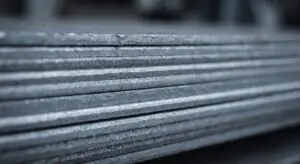
The “Optigal” coating gives better plasticity and corrosion resistance than existing alloys, being a perfect fit for sandwich panels and corrugated sheet, the steelmaker says.
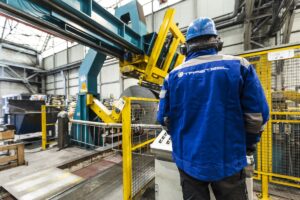
“As part of this project, we built two new galvanizing tanks as well as a transport and lifting system for them. Currently, one tank, with a capacity of 200 tonnes, is galvanizing sheet metal using the existing alloy, while the other – 180t – is galvanizing using the new Optigal alloy,” explains Wojciech Fras, project manager for the galvanizing plant modernisation.
The main contractor for the investment was Spanish company GHI.
“Our recent investments in Nowa Huta [Krakow mill] demonstrate that we consider Krakow to be one of the pillars of our processing operations. Despite the many challenges in the global steel market, we have already invested nearly PLN 2.7 billion [$742.6 million] in our two rolling mills,” notes AMP chief executive Wojciech Koszuta.
Earlier this year, the firm commissioned nine hydrogen batch annealing furnaces at its cold rolling mill in Krakow, which have eliminated ammonia from the annealing process. It is also building a natural gas-based hydrogen plant at its Krakow site to feed the two galvanizing lines at the location. The PLN 100m plant, being set up by Linde, will see hydrogen production begin at the end of 2026.
However, last month it announced it will close its Chorzow-based plant, otherwise known as Huta Krolewska, by year-end. Despite the unit producing specialised products, the funds required to modernise the outdated equipment make it economically unviable to continue operations in the current European steel industry climate, the firm noted.